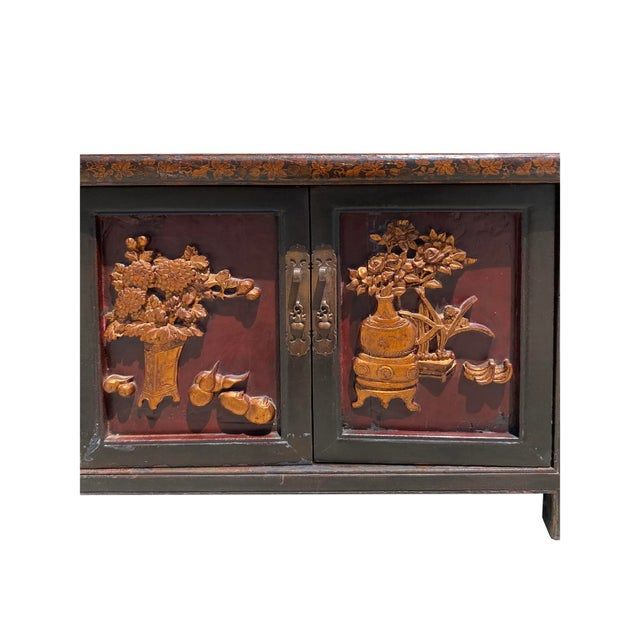
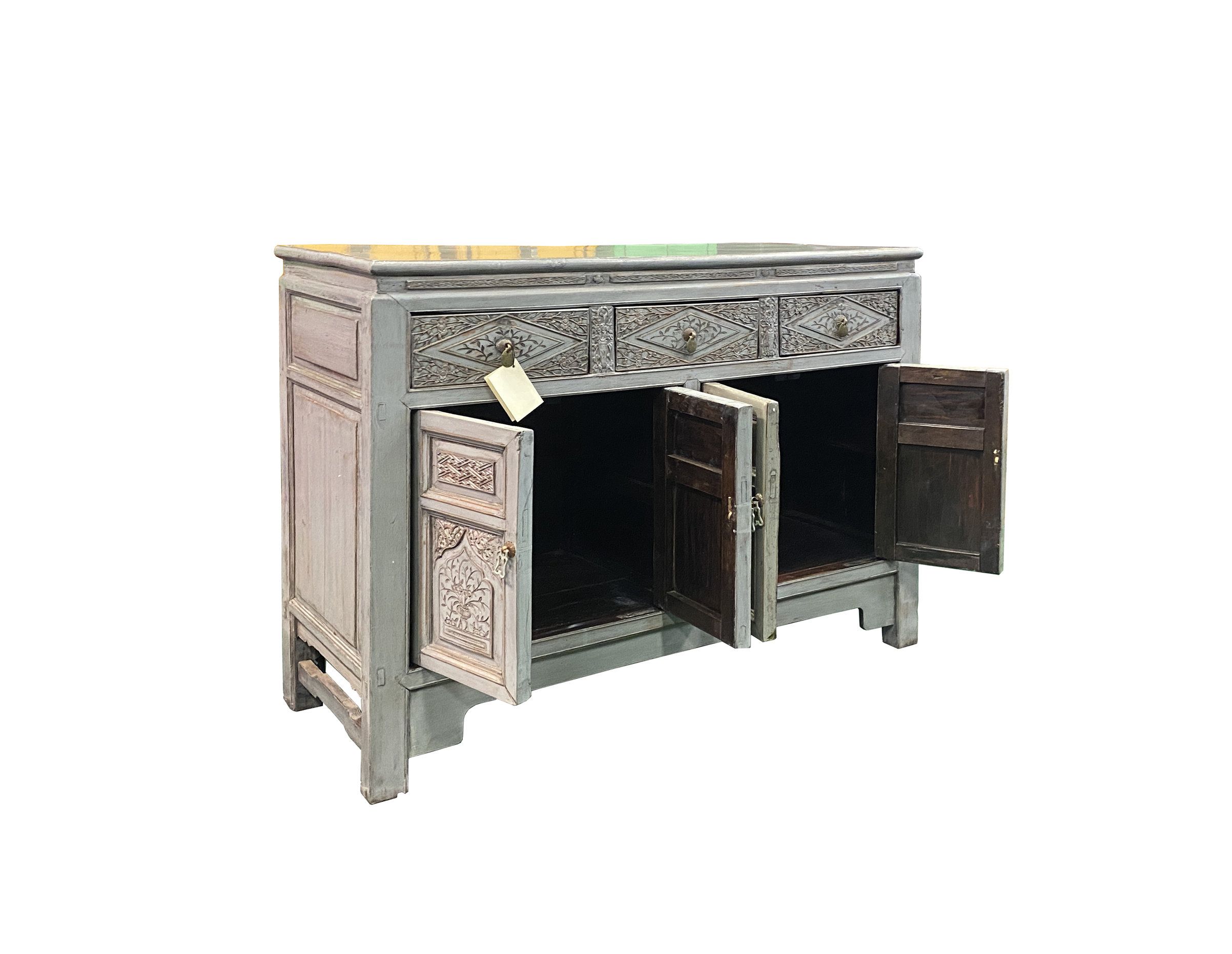
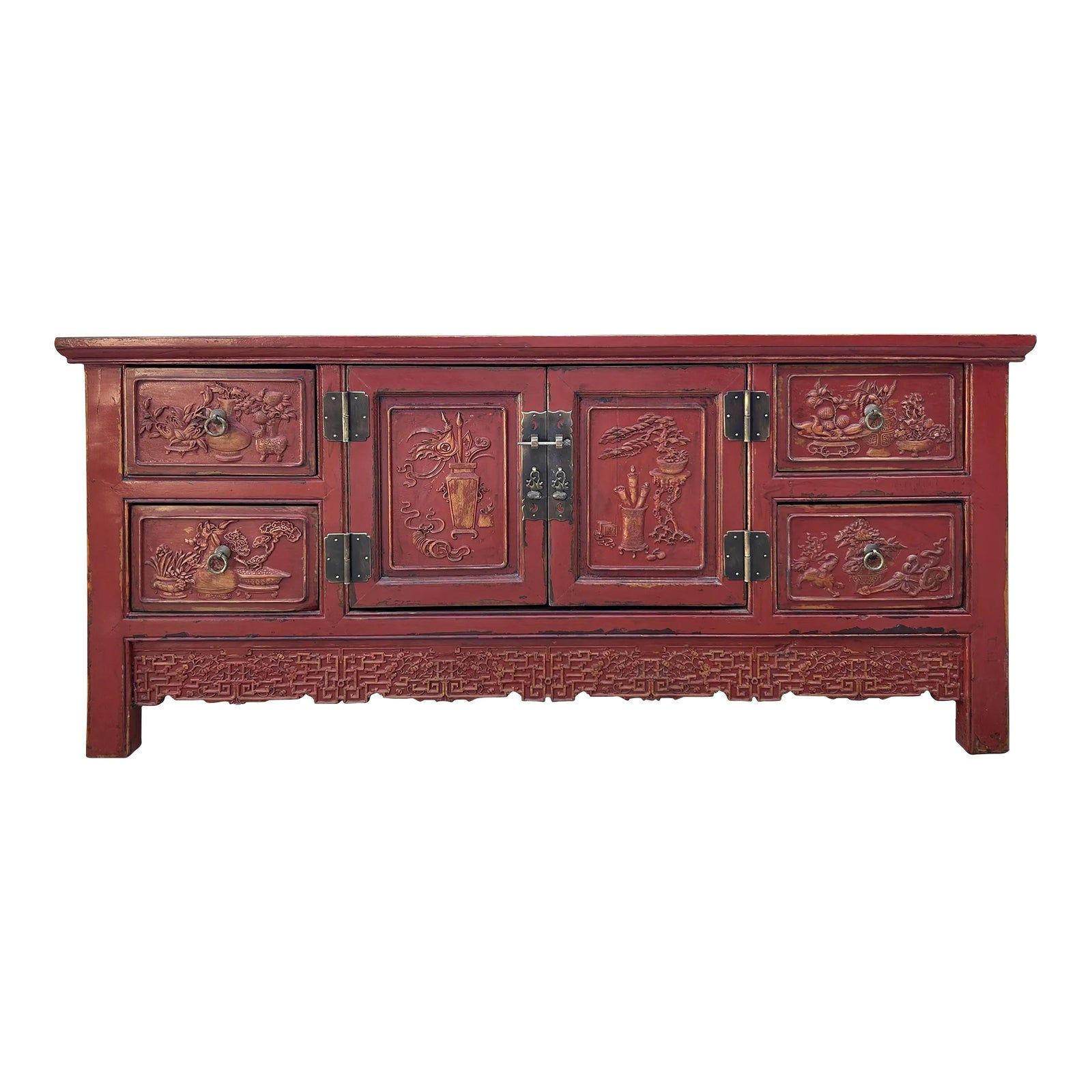
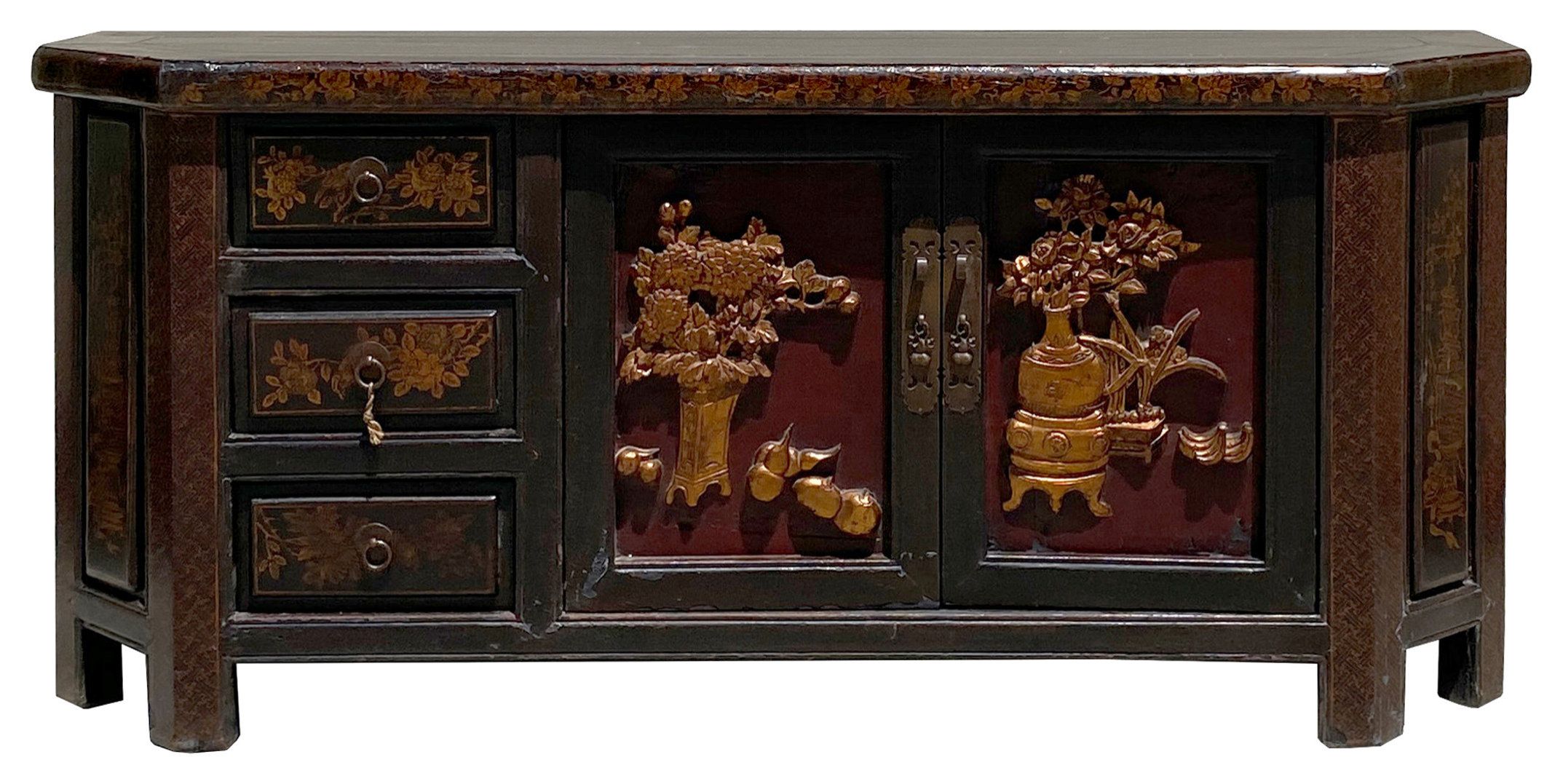
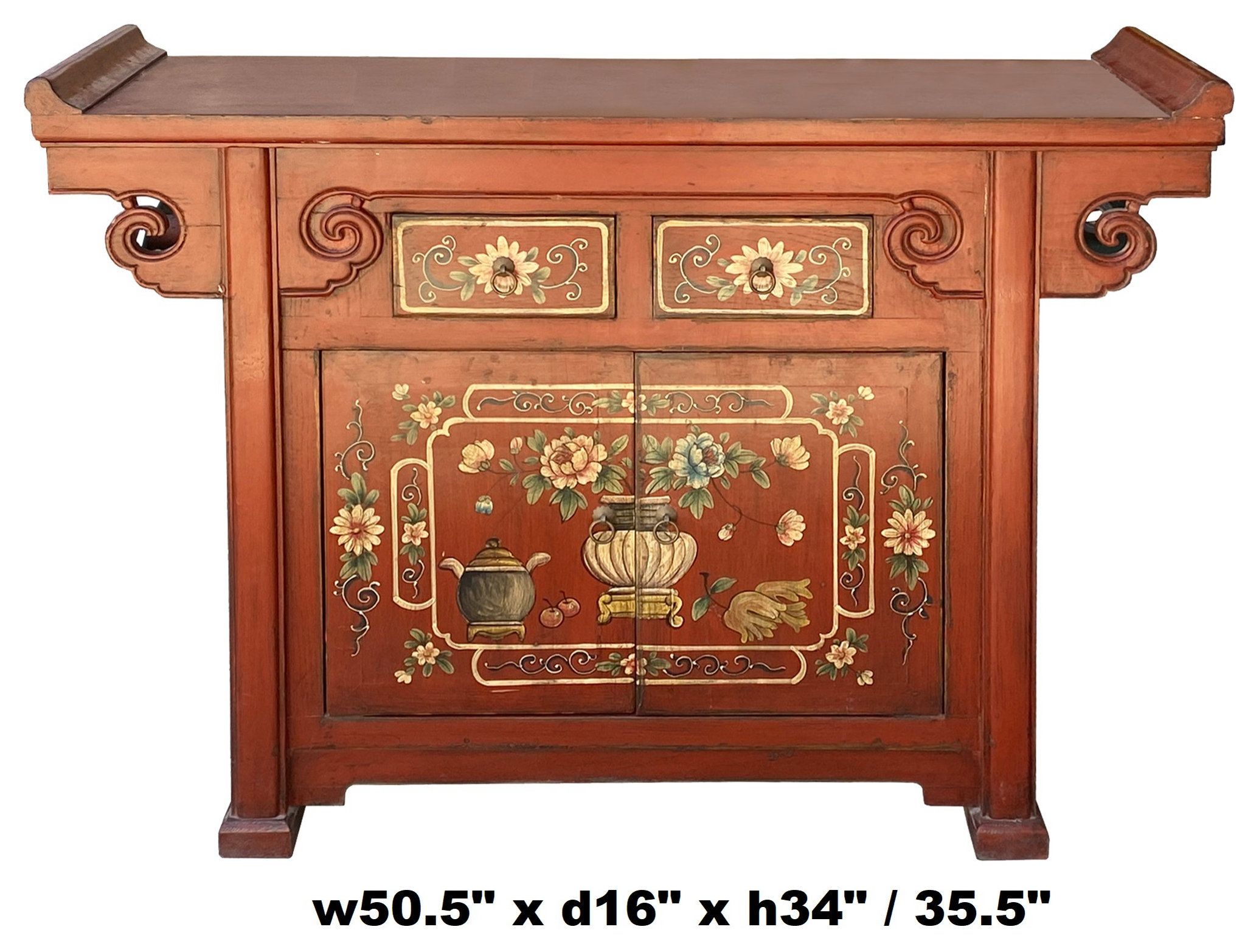
Imagine walking into a room where the past whispers softly through elegant lines and the present hums with contemporary comfort. This isn’t just a dream – it’s the magic that happens when Chinese furniture details meet modern living spaces. The secret lies not in choosing one style over another, but in understanding how ancient wisdom can enhance today’s lifestyle.
There’s something deeply satisfying about a well-crafted piece that speaks both to history and to today’s needs. When we talk about Chinese furniture, we’re not just discussing ornate tables or carved chairs. We’re talking about a philosophy that has been refined over centuries – one that values balance, harmony, and purpose. In our fast-paced world, these principles offer a refreshing counterpoint to the often chaotic nature of modern life. Think about it – how many times have you walked into a space and felt instantly at peace? That feeling often comes from subtle elements that connect us to something greater than ourselves. Chinese furniture details do exactly that, creating bridges between what was and what is.
The Foundation of Chinese Design Philosophy
Chinese furniture design isn’t just about aesthetics – it’s built on ancient philosophical foundations that emphasize balance and natural flow. The concept of ‘yin and yang’ plays a crucial role, where every element must find its perfect counterbalance. Consider how a simple wooden table might feature both solid construction and delicate carving. These opposing forces work together to create stability and beauty. Traditional Chinese design also respects negative space – the empty areas that allow the eye to rest and breathe. This approach might seem counterintuitive in modern design, but it creates rooms that feel less cluttered and more intentional. The philosophy teaches us that less can indeed be more, especially when we’re talking about creating spaces that last beyond passing trends.
Key Traditional Elements That Define Chinese Style
Traditional Chinese furniture features several distinctive characteristics that set it apart from other design styles. The most recognizable element is the use of natural wood species like rosewood, teak, and bamboo. These materials aren’t chosen merely for their appearance – they’re selected for their durability and the way they age gracefully. Another essential component is the emphasis on clean lines and geometric shapes. Unlike some elaborate European designs, Chinese furniture often relies on simplicity to showcase its quality. The joinery techniques used in traditional construction are equally important. These methods, passed down through generations, create strong, lasting pieces without relying heavily on nails or glue. What makes these details particularly appealing today is their ability to blend seamlessly with contemporary minimalist aesthetics. A traditional Chinese chair, for instance, might feature a modern sofa frame while maintaining classic proportions and craftsmanship.
Modern Interpretations of Timeless Details
Contemporary designers have found creative ways to incorporate traditional Chinese elements without overwhelming modern sensibilities. One popular approach involves using traditional motifs in smaller doses – perhaps a subtle carved pattern on a coffee table or a silk fabric with traditional Chinese patterns. The key is subtlety rather than bold statements. Many modern furniture makers now offer hybrid pieces that combine traditional Chinese design principles with contemporary materials. Think of a dining table that uses traditional joinery techniques but features modern finishes like brushed steel or matte black metal accents. These combinations create pieces that feel both rooted and forward-thinking. The challenge lies in maintaining the essence of Chinese design while adapting to current lifestyles and expectations.
Practical Applications in Today’s Homes
Incorporating Chinese furniture details into modern homes doesn’t require a complete overhaul of existing spaces. Start small with accent pieces like a traditional Chinese side table or a decorative screen that can define different areas of a room. These items often serve dual purposes – functional furniture and artistic statement pieces. Consider how a traditional Chinese mirror might reflect light and make a small space appear larger. Or think about how a woven bamboo chair can bring organic texture to a sleek, modern living room. The beauty of these elements is their versatility. They can work in urban apartments, suburban homes, or even commercial spaces. What matters most is understanding how to layer these pieces thoughtfully rather than simply adding them as decoration.
Color Palettes and Material Choices
Chinese furniture traditionally favors earth tones and natural materials. Deep browns, warm reds, and muted golds create a sense of warmth and sophistication that works exceptionally well in contemporary settings. The contrast between light and dark elements adds visual interest without being overwhelming. Natural materials like bamboo, rattan, and various wood types bring authenticity to any space. Modern interpretations sometimes introduce metallic accents or contemporary fabrics to create interesting textures. However, the core principle remains consistent – the materials should feel organic and harmonious. Some designers experiment with combining traditional Chinese wood tones with modern finishes like brushed aluminum or matte ceramics. These combinations create a sophisticated dialogue between old and new, allowing each element to shine while supporting the overall aesthetic.
Creating Visual Harmony in Mixed Spaces
The real artistry comes when blending traditional Chinese elements with contemporary design. This requires careful consideration of scale, proportion, and balance. A large traditional Chinese cabinet might overwhelm a small modern living room, but placed correctly, it can become the room’s focal point. The key is understanding how each piece contributes to the overall composition. Consider how a traditional Chinese tea table might complement a contemporary sectional sofa. The contrast in styles creates visual interest while maintaining harmony. Many successful mixed spaces feature one dominant traditional element paired with several modern accessories. This approach prevents any single style from dominating while still honoring the principles of Chinese design. The goal isn’t to match everything perfectly, but to create a conversation between different design languages.
Benefits Beyond Aesthetic Appeal
Beyond looking beautiful, Chinese furniture details offer practical advantages that resonate with modern living. The emphasis on natural materials means these pieces tend to last longer and age better than mass-produced alternatives. Traditional construction techniques often result in stronger, more durable furniture that can be passed down through generations. The focus on functionality within form means that every element serves a purpose, reducing the need for unnecessary decorative items. This approach aligns well with today’s minimalist movements and sustainable living practices. Many people find that incorporating these elements creates a sense of grounding and tranquility in their daily lives. There’s something deeply satisfying about sitting on a chair that has been crafted with attention to both beauty and comfort, knowing that it will continue to serve well into the future.
Tips for Successful Integration
When bringing Chinese furniture details into contemporary spaces, start with one element and build from there. Choose pieces that speak to your personal style rather than following trends blindly. Pay attention to proportions – a small room benefits from lighter, more delicate pieces, while larger spaces can accommodate bolder traditional elements. Consider the room’s function when selecting pieces. A dining area might benefit from a traditional Chinese table, while a reading nook could feature a comfortable chair with classic Chinese design features. Don’t forget about lighting – proper illumination can highlight traditional details and create the right atmosphere. Finally, remember that the best results come from thoughtful curation rather than random selection. Each piece should contribute to a cohesive whole, not compete for attention.
The journey of blending tradition and contemporary style through Chinese furniture details isn’t just about decorating a space – it’s about creating a sense of place that honors both heritage and progress. These design elements offer us a way to slow down in our busy lives while still embracing modern convenience. When done thoughtfully, they transform ordinary spaces into environments that feel both grounded and forward-looking. The beauty lies in their adaptability – whether you’re furnishing a tiny apartment or a spacious home, there’s always a way to incorporate these timeless principles. The key isn’t perfection, but intentionality. By understanding the underlying philosophies and applying them with care, anyone can create spaces that truly reflect their personal story while respecting the wisdom of the past.