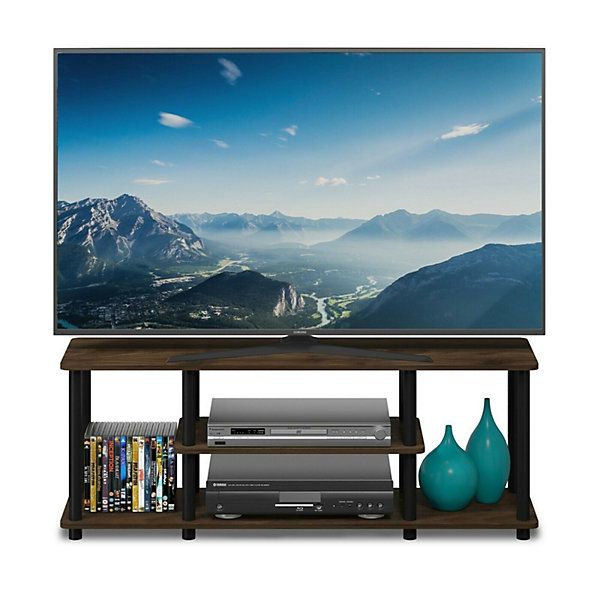
Every living room has one – that central piece of furniture that holds our screens, our entertainment systems, and our daily routines. But what goes into creating a TV stand that does more than just hold a TV? The answer lies in thoughtful design principles that balance form, function, and human needs.
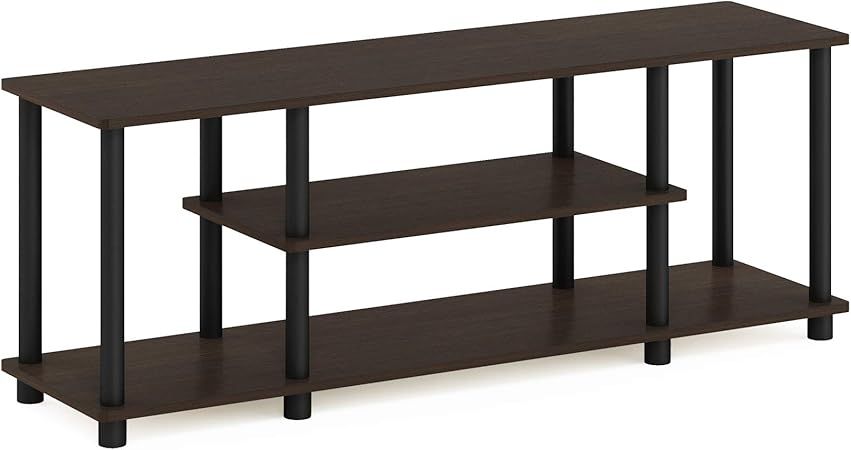
TV stands have evolved far beyond simple wooden platforms. Today’s designs reflect a deep understanding of how we interact with technology and space. Whether you’re looking at a sleek minimalist console or a robust media cabinet, each element serves a purpose. The magic happens when designers consider everything from weight distribution to cable management. What might seem like a straightforward piece of furniture actually involves complex thinking about ergonomics, materials, and user behavior. These aren’t just tables with TVs on them – they’re carefully engineered solutions to modern home entertainment challenges.
Structural Integrity and Stability
The foundation of any good TV stand starts with its structure. Think about it – a television weighs anywhere from 15 to 100 pounds depending on size and type. That’s a lot of weight to support safely. Engineers calculate load-bearing capacities with precision, ensuring that every joint and connection can handle the stress. The base width matters enormously, as does the center of gravity. A wide, sturdy base prevents tipping, especially important when families have children around. Many modern stands feature weighted bases or built-in stabilizers. You might see cross-bracing inside the frame or reinforced corners. The materials themselves tell a story too. Solid wood offers strength and permanence, while engineered lumber provides consistent performance. Metal frames add durability and can support heavier loads. The key isn’t just using the heaviest materials, but choosing the right combination of materials for the intended use.
Ergonomic Considerations
What’s the best viewing angle for your family? That’s exactly the kind of question designers ask themselves. Ergonomics in TV stand design means considering human comfort and natural movement patterns. The height of the stand affects eye level when seated, which impacts how easily you can watch without straining your neck. Too high and you’re craning your head; too low and you’re hunching over. Many contemporary stands offer adjustable height options or modular sections that let users customize their setup. Some even incorporate tilt mechanisms that allow you to angle the screen toward the seating area. Cable routing also plays a role in ergonomics. When cables are hidden and organized, it reduces clutter and makes the entire space feel cleaner and more intentional. This attention to human factors transforms a simple piece of furniture into something that genuinely enhances daily life.
Material Selection and Sustainability
Modern TV stands come in a surprising variety of materials, each with unique properties and considerations. Solid hardwoods like oak, maple, and cherry provide durability and classic beauty, though they require careful maintenance. Engineered woods such as plywood and MDF offer consistency and cost-effectiveness. Metal components bring strength and industrial appeal, often used in contemporary designs. Glass elements add elegance and can make spaces feel more open. The environmental impact matters more than ever. Sustainable practices now include using reclaimed wood, recycled metals, and eco-friendly finishes. Some manufacturers even focus on local sourcing to reduce transportation emissions. The choice of material affects not just appearance but also longevity, maintenance requirements, and overall environmental footprint. Designers must weigh aesthetics against sustainability, finding creative ways to honor both.
Cable Management and Technology Integration
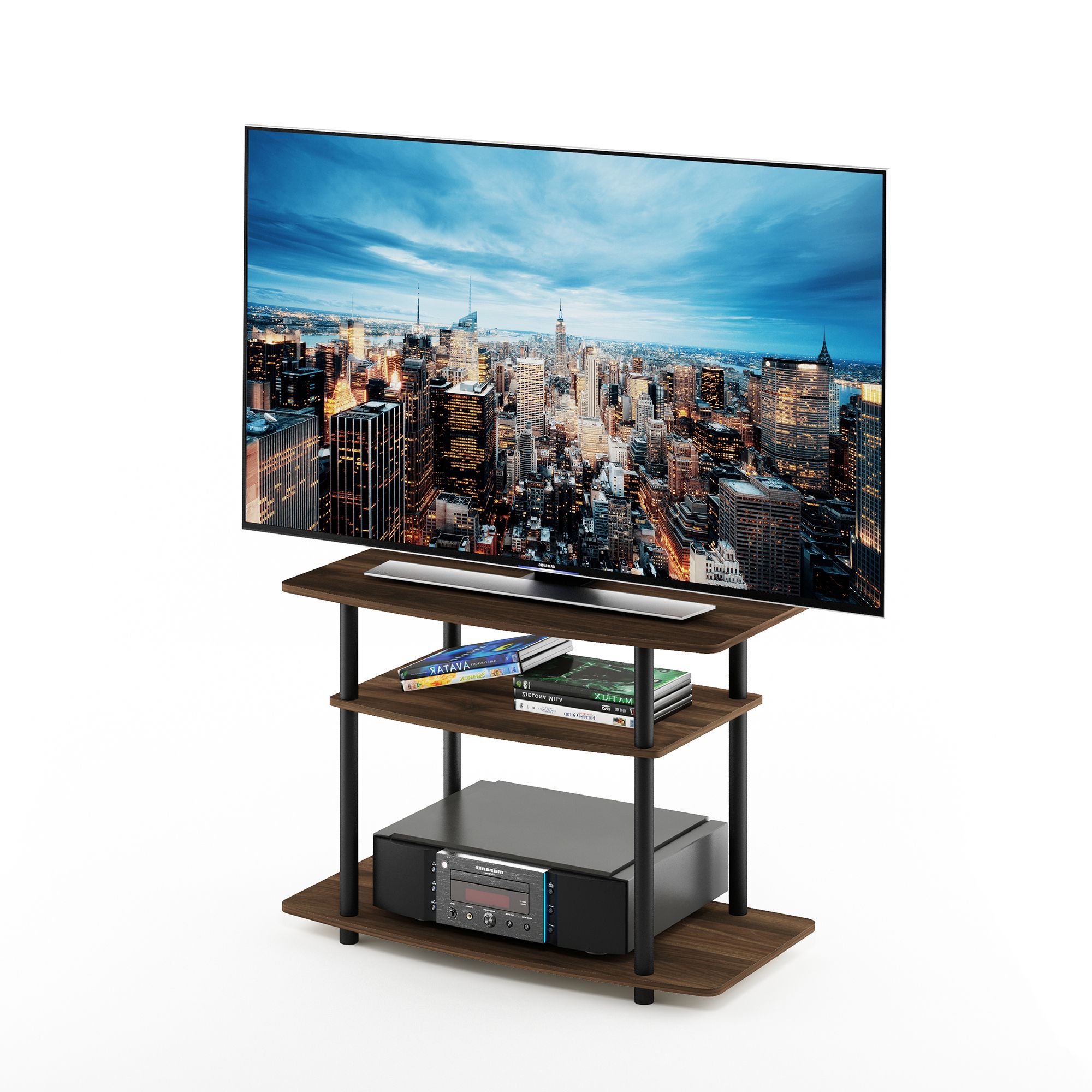
Today’s entertainment centers are packed with devices. Smart TVs, soundbars, gaming consoles, streaming boxes, and multiple remotes all need somewhere to live. Good cable management prevents chaos and makes maintenance easier. This includes pre-drilled holes, hidden channels, and strategically placed outlets. Some stands feature integrated power strips or wireless charging pads. The idea isn’t just to hide cables but to make them accessible when needed. Modular designs allow for easy upgrades and reconfigurations as technology changes. Consider how you use your space today versus tomorrow – will you need more ports? Will your tech stack evolve? The best stands anticipate these changes rather than simply reacting to current needs. This forward-thinking approach keeps your entertainment hub functional for years to come.
Aesthetic Harmony with Interior Design
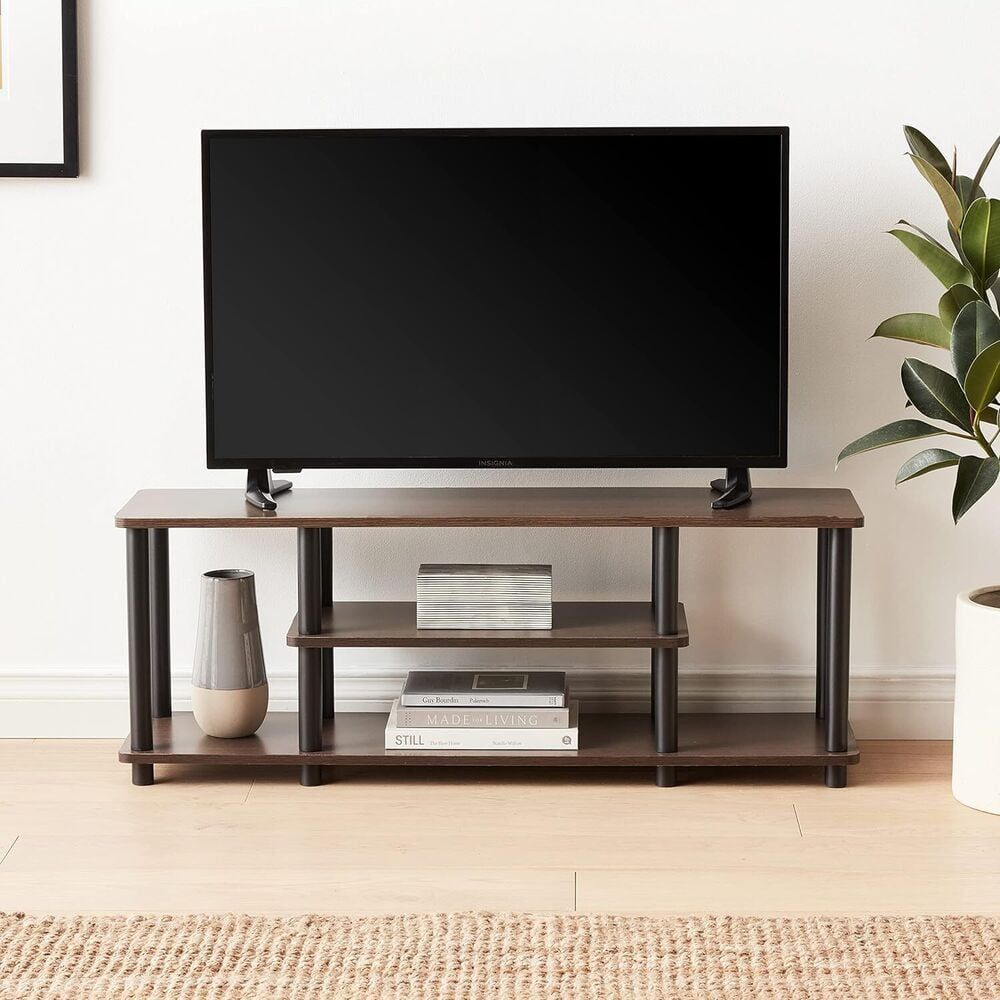
A TV stand should complement rather than compete with your existing decor. This means understanding how shapes, colors, and textures work together. Contemporary stands often embrace clean lines and minimalism, while traditional styles favor ornate details and rich finishes. The proportions matter too – a stand that’s too tall for the room feels unbalanced. Width should match the screen size appropriately. Some designers focus on matching existing furniture styles, while others use contrast to create visual interest. Storage solutions need to blend seamlessly with display areas. The goal is creating a cohesive look that reflects your personal style while maintaining practicality. It’s remarkable how much thought goes into something that seems so basic.
Safety Standards and Compliance
Safety isn’t just about preventing the TV from falling – it’s about protecting everyone in the household. Regulations govern everything from fire resistance to structural stability. Standards ensure that stands meet minimum requirements for weight capacity and stability. Tipping prevention is a major concern, particularly in homes with children. Many modern stands include anti-tip brackets or other safety features. Fire safety involves using flame-retardant materials and proper ventilation. Electrical safety requires careful placement of outlets and proper grounding. Compliance with building codes varies by location, adding another layer of complexity. These seemingly technical requirements actually protect families and create trust between manufacturers and consumers. Every design decision must pass these tests before reaching the market.
Modern TV stand construction represents a fascinating intersection of engineering, psychology, and artistry. What might appear to be a simple piece of furniture actually embodies decades of research into human behavior, material science, and design philosophy. From the careful calculation of weight distribution to the thoughtful consideration of how people actually use their living spaces, every aspect matters. The evolution of these pieces shows how design can enhance our daily lives without sacrificing aesthetics. As technology continues advancing, these principles will adapt and grow, always focusing on the fundamental goal of creating spaces where people can truly enjoy their entertainment experiences. The next time you sit down to watch your favorite show, remember that behind that comfortable viewing position lies a carefully crafted solution designed with human needs at its core.