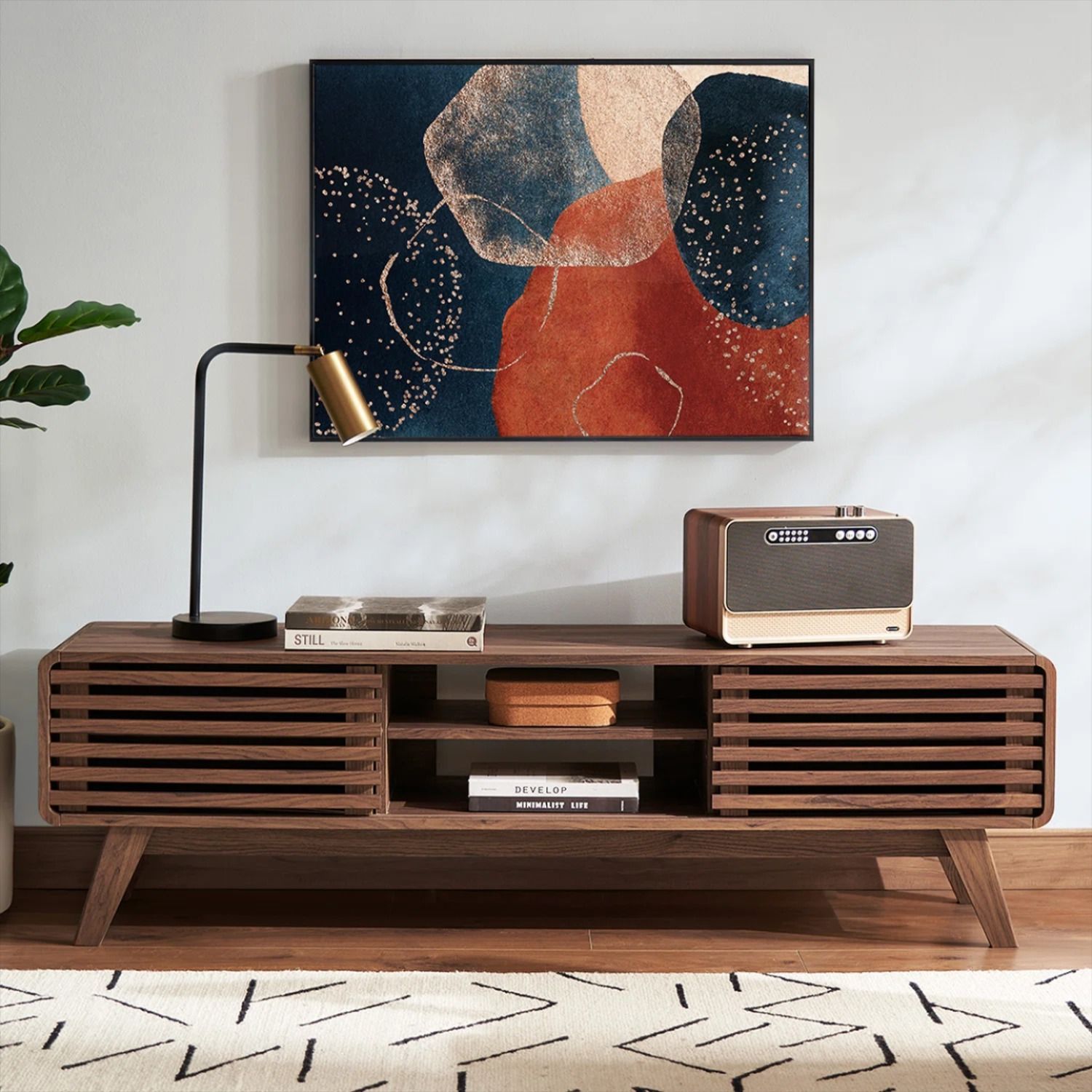
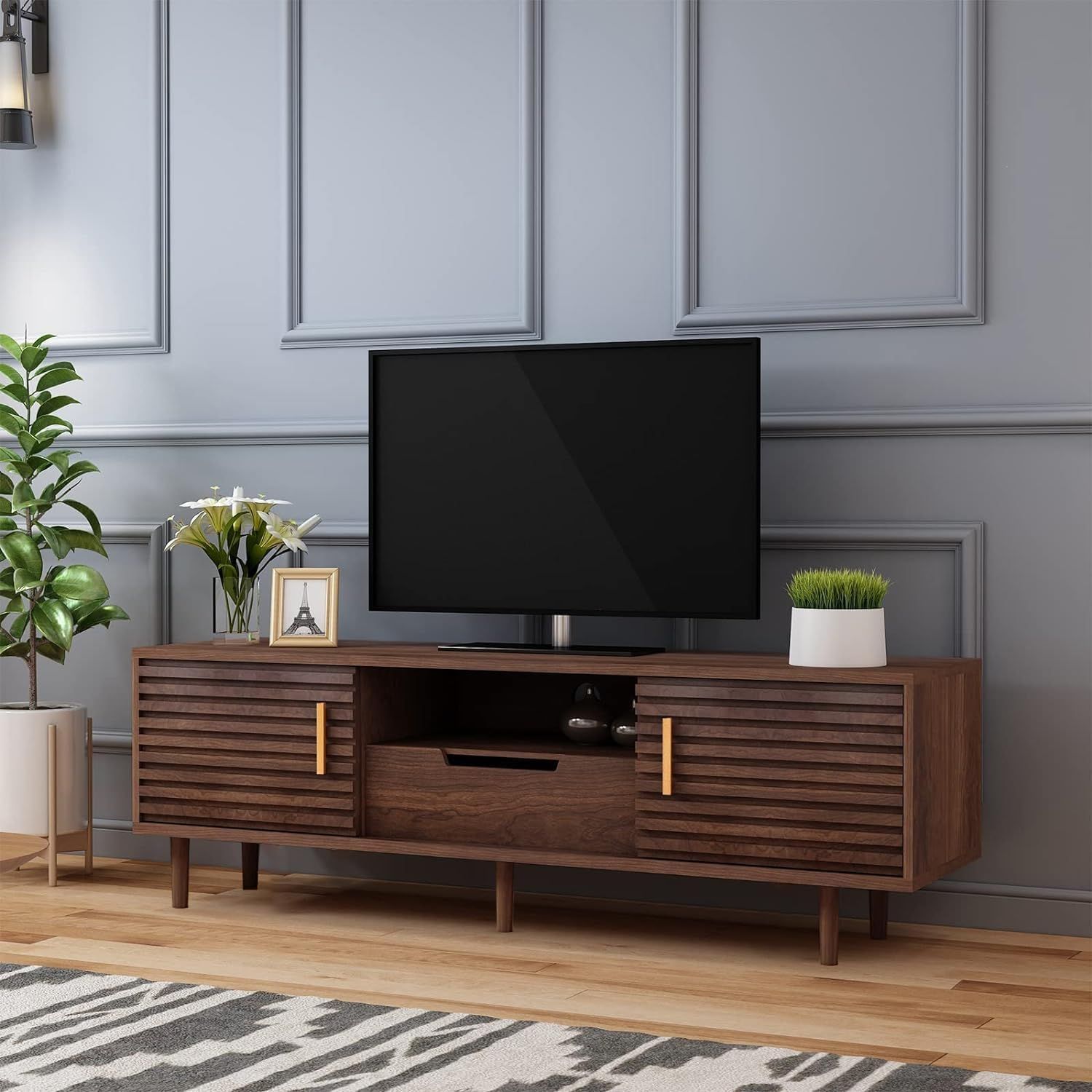
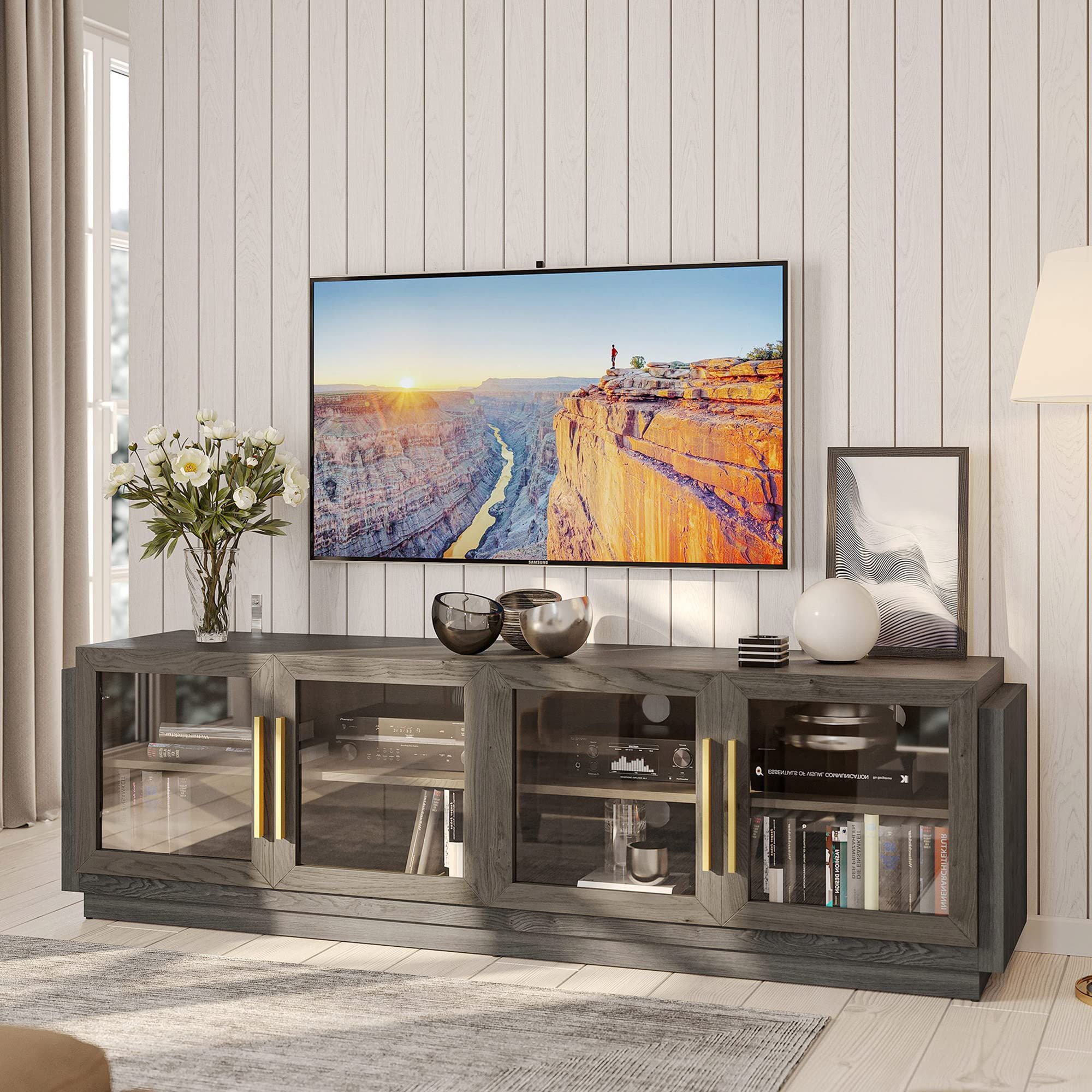
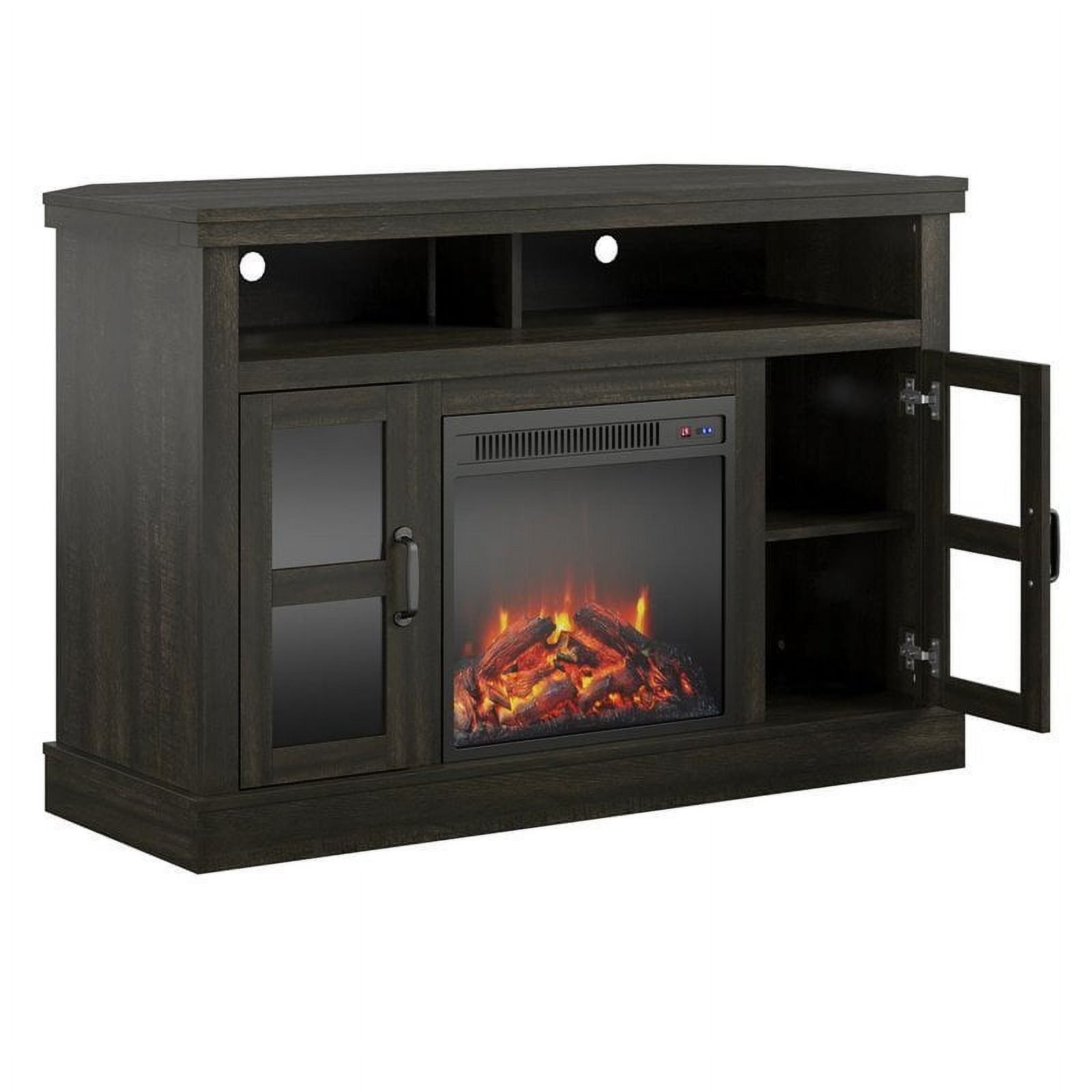
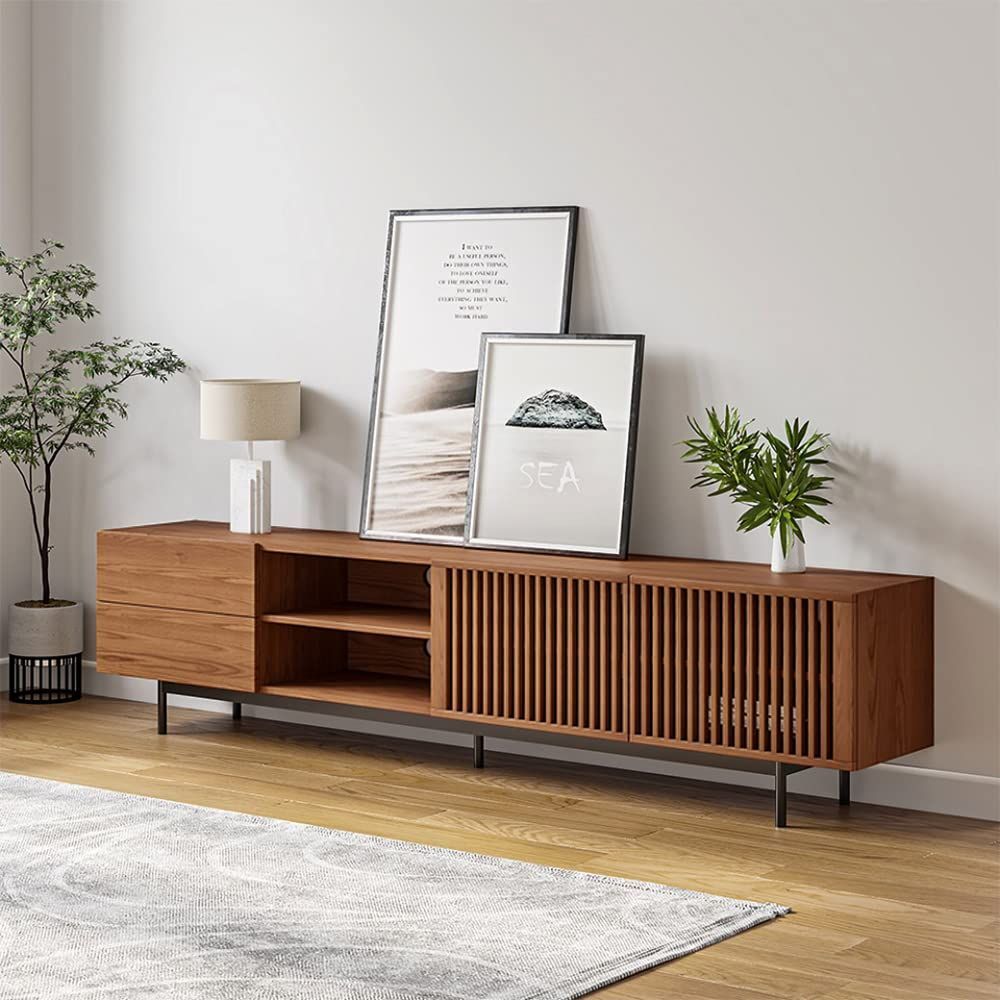
Picture this: You’ve finally splurged on that dream 75-inch 4K television, complete with premium soundbars and gaming consoles. But wait – where do you put it all? How do you make your home feel spacious rather than cramped when you’ve got a massive entertainment setup taking over your living room? This isn’t just about finding a spot for your gear. It’s about creating a seamless, enjoyable experience that works with your lifestyle.
Let’s face it – modern entertainment systems have gotten enormous. We’re talking about screens that span entire walls, audio systems that rival small concert halls, and gaming setups that could power a small office. The challenge isn’t just fitting everything in. It’s making it all work together in harmony. When you’re dealing with large-scale entertainment consoles, you’re not just buying equipment – you’re investing in how you live, work, and play. The question becomes: how do you maximize every inch of space while keeping your home feeling open and welcoming?
Understanding the Scale of Modern Entertainment Systems
Today’s entertainment systems aren’t just bigger – they’re smarter, more integrated, and require more space than ever before. A typical high-end setup might include:
• Large displays ranging from 55 inches to over 85 inches
• Surround sound systems with multiple speakers
• Gaming consoles that demand dedicated cooling
• Streaming devices and media servers
• Additional accessories like universal remotes and mounting hardware
These components don’t just take up space – they need ventilation, accessibility, and often, specific placement considerations. The key is understanding that size matters, but so does strategic positioning.
Consider the average family room today. It’s probably around 20×25 feet, with furniture already occupying significant portions of the space. Add a 65-inch TV, a soundbar system, and gaming equipment, and suddenly your entertainment zone feels claustrophobic. But with proper planning, you can turn this challenge into an opportunity for design excellence.
Strategic Placement for Maximum Impact
Where you place your entertainment console can make or break your viewing experience. Here are some essential placement principles:
• Eye Level Matters: Mount your TV so the center is at eye level when seated. This typically means 42-48 inches from the floor to the center of the screen.
• Distance Calculations: For optimal viewing, sit between 1.5 and 2.5 times the diagonal measurement of your screen away.
• Ventilation Zones: Ensure adequate airflow around equipment, especially gaming consoles and streaming devices.
• Cable Management: Plan cable routes before installation to avoid visible wires that clutter your space.
Think about the flow of your room. Does the entertainment area naturally draw people in? Is there enough space for comfortable seating arrangements? Sometimes the best location isn’t where you initially think it should be – it’s where the room’s natural energy flows most effectively.
A common mistake people make is placing their entertainment system directly in front of a window. While it might seem ideal for natural light, it creates glare issues and can make your setup look like an afterthought rather than the focal point it should be.
Multi-Functional Furniture Solutions
When space is limited, your furniture needs to do double duty. Consider these creative approaches:
• Built-in Entertainment Cabinets: These blend seamlessly with your existing decor while providing hidden storage for cables and accessories.
• Modular Shelving Units: Allow for adjustable heights and configurations that adapt to different screen sizes and equipment needs.
• Furniture with Hidden Compartments: Coffee tables or sideboards that conceal electronics can keep your space looking clean.
• Wall-Mounted Options: Free up floor space entirely by mounting your display and audio equipment on walls.
These solutions aren’t just about hiding things – they’re about creating intentional spaces that serve multiple purposes. A well-designed entertainment cabinet can house your entire system while doubling as a stylish bookshelf or display unit.
The beauty of multi-functional furniture is that it transforms potential eyesores into functional elements. Imagine a sleek media console that doubles as a coffee table during the day, then becomes a full entertainment hub when evening arrives. It’s about creating transitions that feel natural rather than forced.
Smart Storage and Cable Management
The secret to maintaining open, uncluttered spaces lies in smart storage solutions and invisible cable management. Here’s what works:
• Vertical Organization: Use wall space for storage shelves and cabinets that extend upward, keeping floor areas clear.
• Hidden Cable Routing: Utilize hollow furniture, wall channels, or built-in cable trays to keep wires out of sight.
• Labeling Systems: Create simple labeling schemes for cables and connections so troubleshooting becomes effortless.
• Modular Components: Choose equipment that can be easily reconfigured as your needs change.
Cable chaos is one of the biggest detractors from modern entertainment spaces. When cables snake across floors and walls like tangled serpents, they immediately make a room feel smaller and less inviting. But with proper planning, you can create a pristine aesthetic even with complex equipment.
Think about how much time you spend looking at your cables. If they’re constantly visible and messy, you’ll always be aware of them. But if they’re neatly tucked away, your attention can focus on what matters most – enjoying your entertainment.
Lighting Integration for Enhanced Viewing
Proper lighting can transform how your entertainment space feels and functions. Consider these lighting strategies:
• Ambient Lighting: Soft background lighting that reduces eye strain and creates a welcoming atmosphere.
• Task Lighting: Direct illumination for activities like reading or working near your entertainment area.
• Accent Lighting: Highlighting architectural features or displaying items without creating glare on screens.
• Dimming Controls: Adjustable lighting that adapts to different activities and moods.
Lighting doesn’t just improve visibility – it sets the mood for your entire entertainment experience. Too much bright light can wash out screen colors, while too little can create eye fatigue. The goal is balance.
Many people overlook how lighting affects their viewing experience. A dimly lit room with soft ambient lighting makes watching movies feel more cinematic. Conversely, harsh overhead lights can make any screen appear washed out. It’s a subtle but powerful way to enhance your overall entertainment quality.
Future-Proofing Your Entertainment Setup
The technology landscape changes rapidly, so your entertainment space needs flexibility. Here’s how to plan ahead:
• Scalable Design: Choose equipment and furniture that can accommodate future upgrades or additions.
• Universal Connectivity: Ensure your setup supports current and emerging connection standards.
• Modular Components: Select pieces that can be rearranged or replaced individually.
• Upgrade Paths: Plan for how new technologies might integrate with your existing system.
This isn’t about being overly cautious – it’s about ensuring your investment continues to serve you well over time. What works today might be outdated in two years, but a flexible foundation allows for evolution rather than replacement.
Think about the last time you upgraded your entertainment system. Chances are, it was because your old setup couldn’t handle newer content or features. By designing with flexibility in mind, you can extend the life of your investments while avoiding costly renovations.
Maximizing space with large-scale entertainment consoles isn’t about cramming everything into one corner. It’s about creating intelligent, functional environments that support your lifestyle while showcasing your passion for entertainment. The key is understanding that good design isn’t just about aesthetics – it’s about creating spaces that work for you, not against you.
Whether you’re starting fresh or renovating an existing space, remember that the best entertainment areas are those that feel natural and comfortable. They shouldn’t feel like museums of technology but rather welcoming places where you want to spend time. The right combination of strategic placement, smart storage, thoughtful lighting, and future-focused design will ensure your entertainment setup enhances rather than overwhelms your living space. With careful planning and attention to detail, you can have the best of both worlds: impressive technology and comfortable, spacious living.