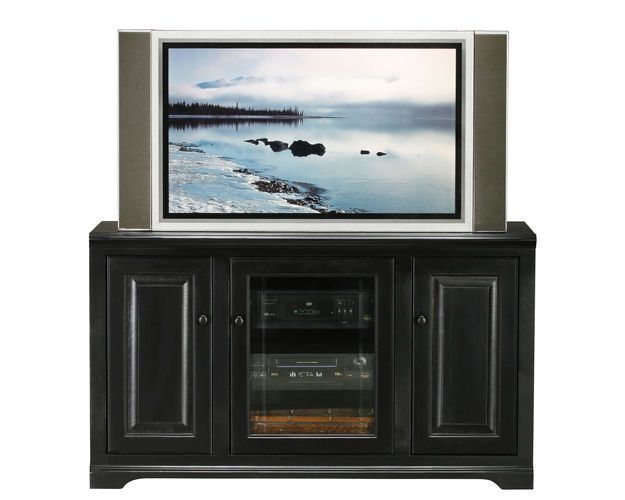
Imagine walking into a living room where the television isn’t just another piece of furniture—it’s a seamless part of the space itself. That’s exactly what thin-screen console solutions promise. These remarkable devices aren’t just about being sleeker or thinner. They represent a fundamental shift in how we think about displays, entertainment, and even our daily routines.
In a world where technology constantly pushes boundaries, one innovation stands out for its subtle yet profound impact: thin-screen console solutions. These aren’t just fancy gadgets—they’re reshaping how we interact with digital content. Think of them as the bridge between traditional entertainment systems and the future of home technology. Whether you’re a casual viewer, a serious gamer, or someone who simply wants their entertainment setup to blend seamlessly with their lifestyle, these solutions offer something special. What started as a simple desire for thinner TVs has evolved into a sophisticated ecosystem of possibilities. The journey from bulky CRTs to today’s ultra-thin displays tells us everything we need to know about how technology adapts to meet our changing needs.
The Evolution From Bulk to Beauty
Let’s take a step back and appreciate how far we’ve come. Back in the day, televisions were massive, heavy, and often looked like they belonged in a science lab rather than a cozy living room. The transformation began when engineers started thinking differently about display technology. Instead of focusing solely on screen size, they began exploring ways to reduce thickness while maximizing performance.
This shift wasn’t just about aesthetics. It was about functionality too. Thinner screens meant less weight, which made installation easier and allowed for more creative mounting options. Imagine having a display that can be mounted flush against a wall or integrated into furniture designs. The possibilities are endless when you remove the constraints of bulkiness.
The early versions of these consoles had limitations, but they laid the groundwork for what we see today. Manufacturers learned quickly that consumers wanted more than just thinner displays. They wanted better picture quality, smarter features, and solutions that could integrate into modern lifestyles. This realization sparked innovation that continues to drive the industry forward.
Design Flexibility and Installation Options
One of the most exciting aspects of thin-screen console solutions is the incredible flexibility they offer in terms of design and installation. Unlike traditional TVs that require dedicated spaces and often dominate a room’s visual landscape, these new solutions can adapt to any environment.
Consider the mounting possibilities. A wall-mounted thin-screen console can disappear completely into a space, becoming part of the architecture rather than an object in the room. Some models even allow for tilting or swiveling, giving viewers multiple angles for optimal viewing comfort.
The versatility extends beyond just placement. These consoles often come with modular designs that let users customize their setup based on their needs. Want a larger screen for movies? You can add modules. Need better audio integration? Many systems support external speaker configurations that enhance the overall experience.
What makes this particularly interesting is how these solutions can work in spaces where traditional large-screen TVs wouldn’t fit. Small apartments, minimalist homes, or offices looking to incorporate entertainment elements can all benefit from the adaptable nature of thin-screen technology. The key is understanding that these aren’t just displays—they’re customizable entertainment ecosystems.
Performance Advantages and Display Quality
When we talk about thin-screen console solutions, we’re not just talking about appearance. The performance improvements are equally impressive. Modern thin-screen technology often includes advanced processing capabilities that deliver sharper images, better color accuracy, and smoother motion handling.
These consoles frequently feature high-resolution displays that rival or exceed traditional TV standards. Some models even support HDR (High Dynamic Range), which brings out details in both bright and dark areas of content. The result is a viewing experience that feels more lifelike and immersive.
Processing power has also improved significantly. Many thin-screen consoles now include powerful processors that can handle demanding applications, streaming services, and even gaming with minimal lag. This means you can enjoy your favorite games without worrying about performance issues.
Another important factor is energy efficiency. Thinner screens often consume less power than their bulkier counterparts, which is good news for both your electricity bill and the environment. The combination of better performance and reduced energy consumption makes these solutions attractive for environmentally conscious consumers.
Integration with Smart Home Ecosystems
Perhaps one of the most revolutionary aspects of thin-screen console solutions is how well they integrate with smart home systems. These aren’t just standalone entertainment devices anymore—they’re central hubs that connect various aspects of modern living.
Smart home integration allows users to control their entire entertainment system through voice commands or mobile apps. You might ask your assistant to turn on the display, switch inputs, or adjust volume—all without touching a remote. This convenience becomes even more valuable when you consider that many of these consoles can serve as smart speakers, security cameras, or even smart doorbells.
The connectivity options are extensive. Wi-Fi, Bluetooth, HDMI, and USB ports allow for seamless integration with gaming systems, streaming devices, and other entertainment gear. Some models even support wireless streaming protocols that eliminate the need for cables entirely.
This interconnectedness creates a unified user experience that goes beyond simple entertainment. These consoles become part of a broader smart home network, providing access to information, communication tools, and even security features. The ability to manage multiple devices through a single interface represents a significant advancement in user experience design.
Gaming and Interactive Experiences
For gamers, thin-screen console solutions have opened up entirely new possibilities. The combination of high refresh rates, low input lag, and responsive interfaces has made these displays ideal for competitive gaming and immersive experiences.
Modern thin-screen consoles often support gaming modes that optimize performance for different types of games. Some prioritize visual quality, others focus on speed and responsiveness. This customization allows players to tailor their experience based on personal preferences or game requirements.
The size and shape of these displays also affect gameplay. Smaller, more portable thin-screen solutions can be used for mobile gaming sessions, while larger units provide the immersive experience that many gamers crave. The flexibility in screen sizes gives everyone something that works for their specific gaming style.
Interactive features have also improved dramatically. Touch-sensitive surfaces, gesture recognition, and even augmented reality capabilities are becoming more common. These features transform passive viewing into active participation, making entertainment more engaging and social.
Many of these consoles also support multiplayer experiences, allowing friends and family to join in the fun regardless of physical location. The technology behind these interactive experiences continues to evolve, promising even more exciting developments in the future.
Cost Considerations and Value Proposition
Of course, no discussion about thin-screen console solutions would be complete without addressing cost considerations. While these technologies offer impressive features, they do come with price tags that vary significantly based on specifications and brand.
Entry-level thin-screen consoles can be surprisingly affordable, especially when compared to traditional large-screen TVs. However, as you move up in features and performance capabilities, prices increase accordingly. The key is understanding what you actually need versus what you want.
Value comes in many forms beyond just the initial purchase price. Energy efficiency, longevity, and the potential for future upgrades all contribute to long-term value. Many thin-screen solutions are designed to last longer than older technology, reducing the frequency of replacements.
Maintenance costs are generally lower too. With fewer moving parts and more durable construction, these displays typically require less upkeep than traditional screens. Some even offer extended warranty options or service programs that provide peace of mind.
The investment in thin-screen technology can also increase property values, especially in homes where modern amenities are highly valued. For those considering home improvements, this technology represents both a lifestyle upgrade and a potential financial benefit.
Thin-screen console solutions represent more than just technological advancement—they embody a shift in how we approach entertainment and home technology. From their humble beginnings as simple attempts to reduce thickness to today’s sophisticated ecosystems, these devices have evolved to meet the complex needs of modern consumers. The beauty of this evolution lies not just in what they can do, but in how seamlessly they integrate into our lives. Whether you’re looking for better performance, smarter features, or simply a more aesthetically pleasing way to enjoy your favorite content, these solutions offer compelling reasons to reconsider how you think about displays and entertainment. As technology continues to advance, we can expect even more innovative approaches to emerge, building upon the foundation that thin-screen consoles have already established. The future of home entertainment isn’t just about bigger screens or louder sound—it’s about smarter, more flexible solutions that enhance every aspect of our daily lives.