There’s something undeniably special about walnut furniture. Whether it’s a dining table that has been passed down through generations, a bookshelf that anchors a study, or a coffee table that sits at the heart of a living room, walnut pieces seem to carry a warmth and character that feels both sophisticated and welcoming. This isn’t just about aesthetics – it’s about heritage, quality, and timeless design that speaks to our deepest appreciation for craftsmanship.
Imagine walking into a room where the furniture seems to breathe with history. The rich, warm tones of walnut wood catch the light just right, creating an atmosphere that feels both elegant and comfortable. This is the magic of walnut finish furniture – it doesn’t just fill a space, it defines it. For centuries, people have chosen walnut not just for its beauty, but for its durability, versatility, and the deep sense of tradition it brings to any home. What is it about this particular wood that has made it such a consistent favorite? Let’s explore the layers behind this enduring appeal.
The Natural Beauty of Walnut Wood
Walnut wood possesses a unique visual character that sets it apart from other woods used in furniture making. Its grain patterns are often described as flowing and graceful, with natural variations that create a sense of movement and depth. The color ranges from a soft chocolate brown to a deeper, almost black hue, depending on the specific type and age of the wood.
What makes walnut particularly captivating is how it ages. Unlike some woods that fade or change dramatically over time, walnut develops a beautiful patina. It becomes richer and more lustrous with age, often taking on a subtle sheen that seems to glow from within. This natural evolution means that a walnut piece from 1950s might look just as stunning today as it did decades ago.
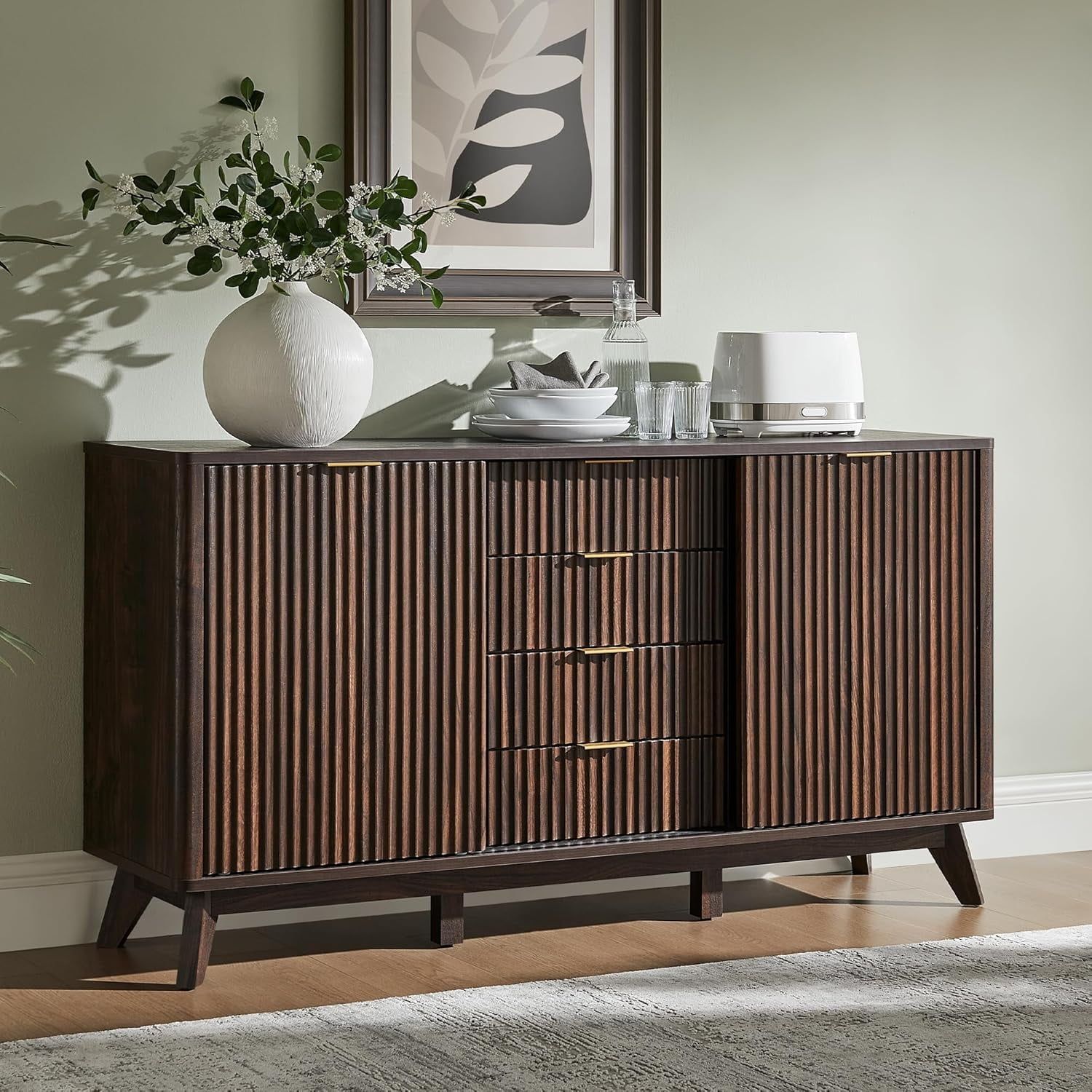
Consider a vintage walnut sideboard that has been in a family’s home for 40 years. The surface may have scratches from daily use, but it still radiates warmth and character. These imperfections tell a story, adding to the charm rather than detracting from it.
Historical Significance and Cultural Appeal
Walnut has played a significant role in furniture design across many cultures and time periods. In European traditions, walnut was often reserved for high-end pieces, especially in the 17th and 18th centuries. It was prized by craftsmen and aristocrats alike for its strength and beauty. Many of the most famous pieces of furniture from this era feature walnut, including the iconic Louis XV and Louis XVI styles.
In American furniture history, walnut became particularly popular during the colonial and early republican periods. The wood was readily available in the eastern United States, and its characteristics made it ideal for crafting sturdy, beautiful pieces that could last for generations. Think of the traditional American dining tables that still grace countless homes today – many were built with walnut.
The cultural significance extends beyond just historical importance. In many households, walnut furniture represents stability, permanence, and a connection to family traditions. It’s the kind of piece that families often pass down, carrying with it stories, memories, and a sense of continuity.
Durability and Practical Benefits
Beyond its aesthetic appeal, walnut offers practical advantages that make it an excellent choice for furniture. The wood is naturally dense and strong, which means it can withstand daily wear and tear better than many other woods. This durability translates into longevity – a well-made walnut piece can easily last for 100 years or more.
Another benefit is its resistance to warping and cracking. Unlike some softer woods that may expand and contract with changes in humidity, walnut maintains its shape remarkably well. This makes it ideal for items like table tops, where stability is crucial.
For those who care about environmental impact, walnut trees are relatively sustainable. They grow quickly compared to other hardwoods and can be harvested without causing significant damage to forest ecosystems when managed properly. Many modern manufacturers now source their walnut from responsibly managed forests, making it a more eco-conscious choice.
Consider a walnut desk that has been used daily for 30 years. Despite years of use, it still holds up beautifully, with only gentle signs of wear that add to its character rather than diminish its value.
Versatility in Design Applications
One of the reasons walnut continues to be so popular is its incredible versatility. It works equally well in traditional, contemporary, rustic, and minimalist settings. The warm tones of walnut complement a wide range of other materials and colors, making it easy to integrate into any décor scheme.
Whether you’re looking for a statement piece or something more subtle, walnut can adapt. A large walnut dining table can anchor a formal dining room, while a smaller walnut side table can provide functional elegance in a bedroom or hallway. The wood’s natural beauty means it doesn’t require heavy finishing or embellishments to look impressive.
Modern designers have embraced walnut for its ability to bridge old and new. Contemporary furniture makers often combine walnut with metals, glass, and other modern materials to create pieces that feel both fresh and classic. The result is furniture that looks like it belongs in a museum but functions perfectly in a modern home.
A walnut chair with clean lines can sit comfortably next to a contemporary sofa, while a traditional walnut cabinet can blend seamlessly with a minimalist kitchen. This adaptability ensures that walnut furniture never feels dated, even as design trends shift.
The Investment Value of Walnut Pieces
When you purchase walnut furniture, you’re making a smart investment. Unlike mass-produced items that may break or become outdated within a few years, quality walnut pieces often increase in value over time. Antique walnut furniture, particularly pieces from the 18th and 19th centuries, can command high prices at auctions and in antique shops.
This investment potential comes from several factors. First, the scarcity of quality walnut wood in older furniture means that pieces from earlier eras are becoming rarer. Second, the craftsmanship of older walnut pieces was often superior to modern mass production. Finally, the timeless nature of walnut design means that these pieces remain desirable regardless of passing trends.
Many collectors and interior designers actively seek out walnut pieces because they understand their long-term value. A well-preserved 19th-century walnut bureau might cost significantly more than a similarly sized piece made from cheaper woods, but it will likely retain its value much better over time.
It’s worth noting that newer walnut furniture can also appreciate in value, particularly if it’s made by skilled craftspeople using traditional techniques. These pieces represent a commitment to quality that will pay off in both beauty and financial return.
Maintaining and Caring for Walnut Furniture
Proper care is essential to preserving the beauty of walnut furniture for years to come. While walnut is naturally durable, it still benefits from regular maintenance and protection from extreme conditions.
Regular cleaning with a soft cloth and mild soap is usually sufficient for everyday upkeep. Avoid using harsh chemicals or abrasive cleaners that might damage the wood’s surface. Instead, opt for products specifically designed for wooden furniture.
It’s important to protect walnut from excessive moisture and direct sunlight, which can cause fading or warping. Placing coasters under drinks and using felt pads on furniture legs can prevent scratches and water rings. Consider using a wood conditioner periodically to keep the surface supple and prevent cracking.
For those with vintage walnut pieces, professional restoration may be necessary to maintain their original beauty. However, even basic care can extend the life of any walnut furniture by decades. The key is consistency and attention to detail.
A simple routine of wiping down surfaces weekly and protecting them from obvious damage can ensure that a walnut piece remains beautiful and functional for generations.
The timeless appeal of walnut finish furniture isn’t just about looking good – it’s about connecting with something deeper. It’s about choosing pieces that represent quality, craftsmanship, and tradition. When you select walnut furniture, you’re investing in something that will continue to bring joy and beauty to your home for years to come. Whether you’re drawn to its rich color, its durability, or simply the feeling of authenticity it brings, walnut furniture offers all of these qualities and more. It’s no wonder that this wood has remained a favorite across centuries and cultures. As we continue to seek meaning and permanence in our increasingly fast-paced world, walnut furniture stands as a quiet reminder of what truly matters – enduring quality and honest craftsmanship that transcends trends and time itself.