Imagine walking into a room where the furniture seems to disappear, where every corner feels open and airy, and where the boundaries between form and function blur seamlessly. That’s exactly what happens when you introduce a modern transparent console table into your space. These elegant pieces aren’t just furniture – they’re design statements that transform how we think about interior spaces. What makes them so compelling isn’t just their visual lightness, but the careful balance of materials, proportions, and aesthetics that create something truly special.
Transparent console tables have become more than just a passing trend. They’ve evolved into essential design elements that bridge the gap between functionality and artistic expression. Whether you’re furnishing a cozy living room or creating a sophisticated entryway, these tables offer something unique – they’re both practical and poetic. But what exactly makes a transparent console table work so well? It’s not just about the glass or acrylic – it’s about understanding how each element contributes to the overall experience. The magic happens when designers master the subtle interplay of transparency, structure, and proportion. Let’s explore what really goes into crafting these mesmerizing pieces that seem to float above the ground.
The Foundation: Materials That Define Transparency
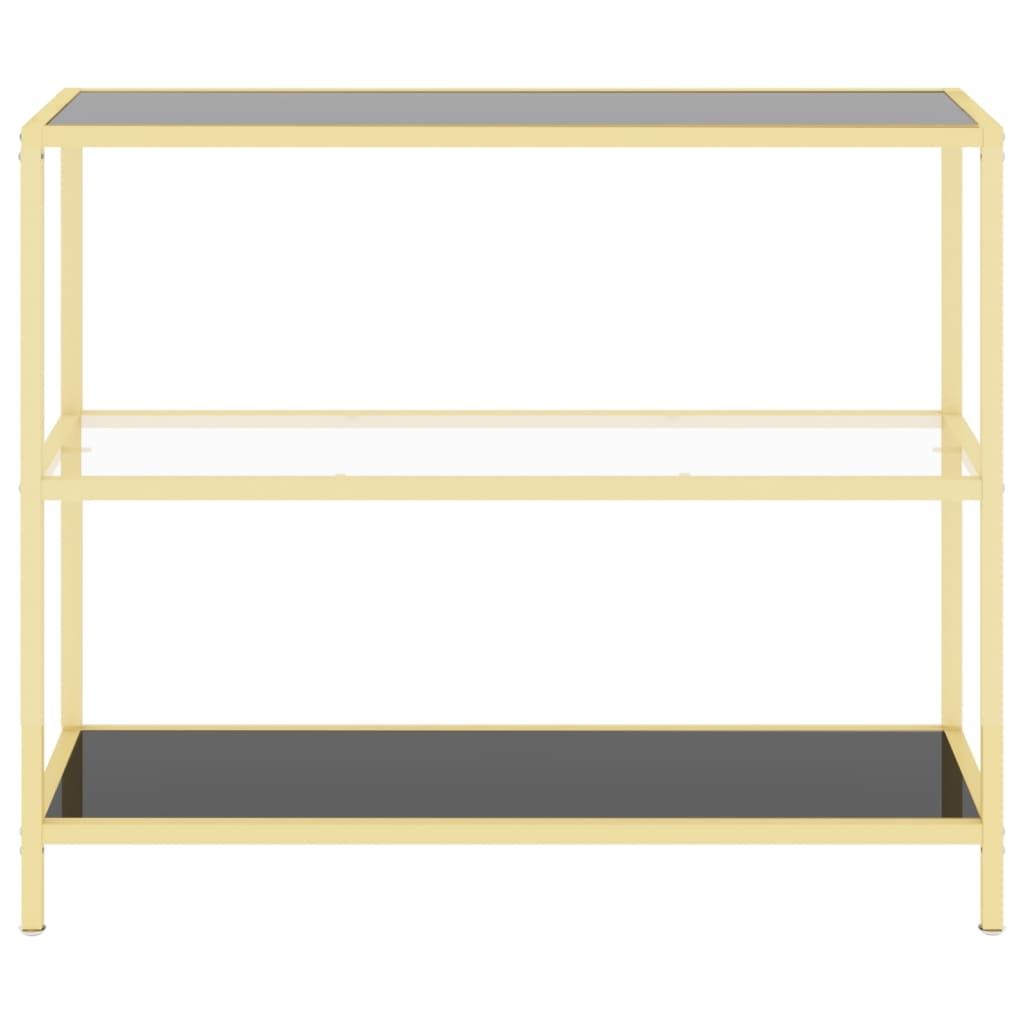
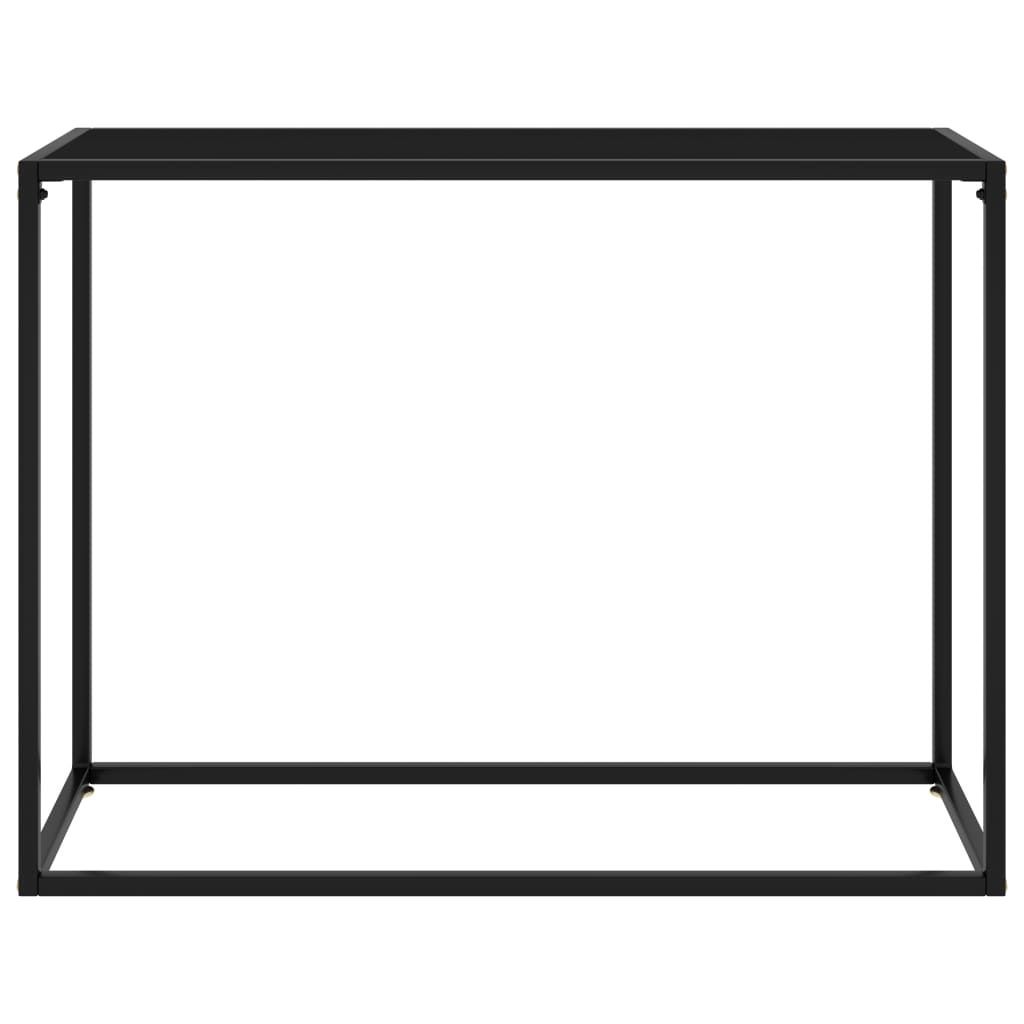
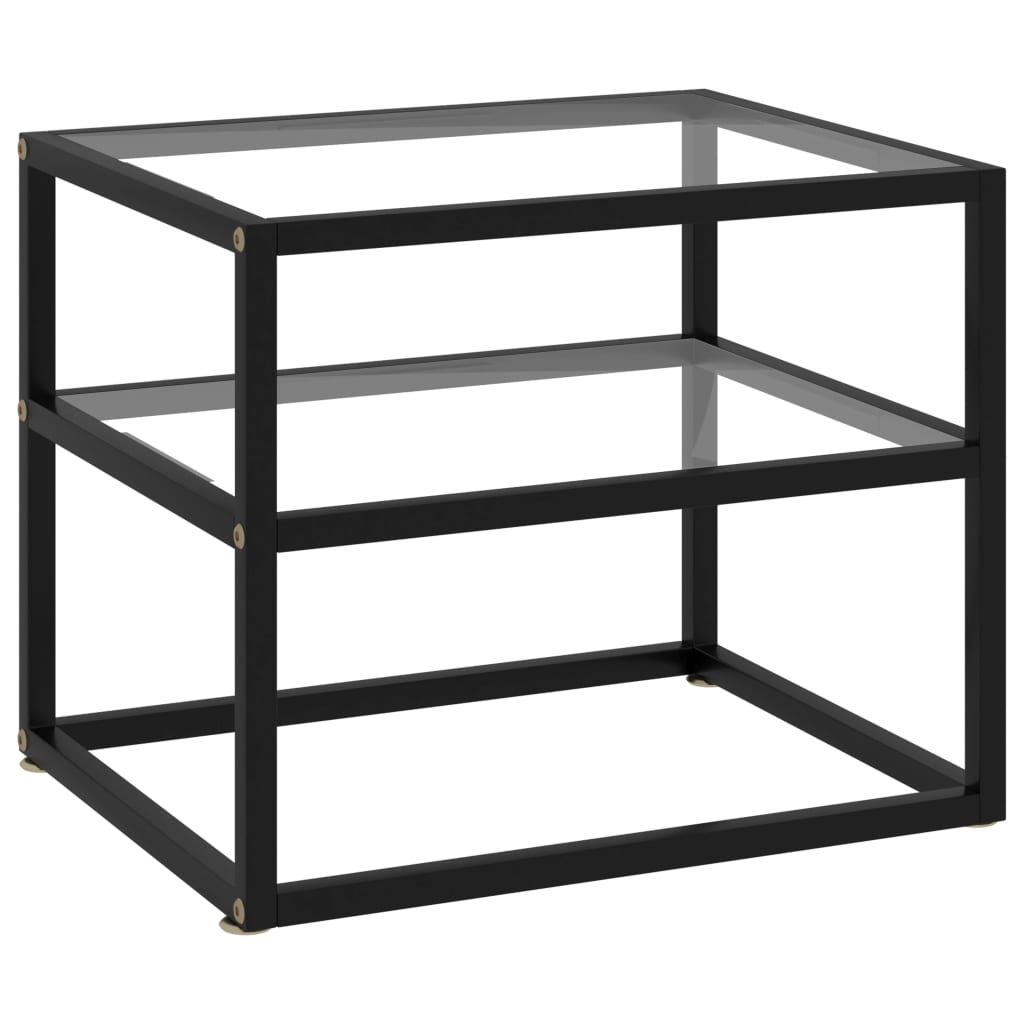
The choice of material sets the entire tone for any transparent console table. Glass stands as the classic choice, offering clarity that makes it seem like the table is nothing more than air itself. But there’s more to it than meets the eye. Tempered glass, for instance, provides durability while maintaining its crystal-clear appearance. Acrylic takes the transparency concept even further, offering flexibility in shape and weight. Some modern designs blend both materials, creating layers of visual interest.
Consider how different materials interact with light. A polished glass surface reflects ambient light beautifully, making the space feel larger and brighter. Acrylic, on the other hand, can be tinted or textured to add depth without sacrificing transparency. The material selection impacts everything from the table’s stability to its ability to showcase items placed upon it. When choosing, think about not just what looks good today, but how the material will age and interact with your home’s lighting over time.
Structure and Proportions: The Silent Architects
Every great transparent console table knows how to play with proportions. The relationship between height, width, and depth creates a sense of balance that’s crucial to its success. A table that’s too tall can overwhelm a space, while one that’s too low might get lost among other furniture. The ideal proportions often follow the golden ratio – a mathematical principle that humans find naturally pleasing.
The legs, whether they’re slender and delicate or bold and substantial, contribute significantly to the overall feeling. Thin metal legs create an almost ethereal quality, while chunky wooden or stone bases provide grounding. Consider how the table’s silhouette interacts with the surrounding environment. Does it complement the room’s existing architectural lines? Or does it create a delightful contrast that adds visual excitement?
These structural choices determine not just how the table looks, but how it feels in the space. A well-proportioned table becomes a conversation starter, while poorly balanced proportions can make even the most beautiful piece feel awkward.
Lighting Integration: Making the Invisible Visible
One of the most fascinating aspects of transparent console tables is how they interact with light. The way light passes through or reflects off the surface can completely change the mood of a room. Smart lighting integration transforms these tables from simple furniture into dynamic design elements.
Some tables incorporate built-in LED strips that highlight the edges or create gentle illumination underneath. Others feature lighting that complements the table’s material – perhaps subtle backlighting for glass pieces or strategic spotlights for acrylic surfaces. The key is understanding how different lighting affects transparency.
Natural light behaves differently than artificial light. A table that looks stunning under bright daylight might appear quite different under soft evening lamps. Consider how your table will look throughout the day and across seasons. The right lighting setup can make a transparent console table feel like a centerpiece rather than just another piece of furniture.
Functional Design: Where Beauty Meets Utility
Modern transparent console tables prove that beauty and utility don’t have to be mutually exclusive. The best designs consider how the table will actually be used, not just how it looks. Storage solutions, hidden compartments, and clever organizational features can make these tables incredibly practical.
Think about how you use your space. Do you need somewhere to display books, plants, or decorative objects? Or do you require hidden storage for remotes, magazines, or other daily essentials? Many contemporary tables address these needs without compromising their clean aesthetic.
The table’s surface area matters too. Is it enough for a coffee table setup, or does it need to accommodate larger items like laptops or artwork? The functional elements should feel seamless, as if they were always meant to be part of the design rather than added afterward. This thoughtful approach to function keeps the transparent aesthetic from becoming superficial.
Aesthetic Harmony: Integration with Existing Spaces
The true genius of transparent console tables lies in their ability to adapt to various design styles while maintaining their distinctive character. They can blend seamlessly with minimalist interiors or provide a striking contrast in more eclectic settings. The key is understanding how to position and style these tables within their environment.
Consider the room’s color palette and existing furniture. A clear table might reflect and soften harsh colors, or it might serve as a neutral anchor that allows other design elements to shine. The table’s finish – whether it’s matte, glossy, or somewhere in between – affects how it interacts with the surrounding decor.
Placement matters enormously. Should it sit flush against a wall, or does it benefit from being slightly offset to create visual movement? How does it relate to other furniture pieces in the space? The answers to these questions help determine whether the table enhances or disrupts the overall design narrative.
Personal Touches: Customization and Individual Expression
While the core design elements remain consistent, personal touches can make any transparent console table uniquely yours. The choice of accessories, the arrangement of items, and even the way you use the space around the table all contribute to its personality.
Many people enjoy displaying collections – perhaps vintage books, carefully selected art pieces, or meaningful objects that tell a story. The transparency of the table allows these items to take center stage while still maintaining the clean lines that make the piece appealing. The key is selecting items that complement rather than compete with the table’s inherent simplicity.
Some homeowners experiment with seasonal changes, swapping out decorative elements throughout the year. Others personalize their tables with custom artwork or unique lighting fixtures that reflect their individual style. These touches remind us that despite their sleek appearance, transparent console tables are ultimately about creating spaces that feel authentically lived in and loved.
Transparent console tables represent more than just a design trend – they embody a philosophy of thoughtful living. Their success comes from balancing multiple elements: material selection, structural integrity, lighting considerations, functional requirements, aesthetic harmony, and personal expression. When these factors align perfectly, the result is a piece that seems to defy gravity while anchoring a space with elegance and purpose. The beauty of these tables lies not just in their appearance, but in their ability to enhance our daily experiences. Whether you’re drawn to their minimalist appeal or their potential for creative expression, understanding these design principles helps you make informed choices that will serve you well for years to come. After all, the best furniture doesn’t just fill a space – it makes that space better.