There’s something magical about a dining room that feels both sophisticated and inviting. When you think about the perfect place to gather with family and friends, it’s often the room where meals are shared. But what makes a dining space feel truly welcoming? It’s not just about the food on the table – it’s about the environment around it. The right colors can transform a simple dining area into a cozy haven that makes everyone want to stay a little longer.
Think about your favorite dining experiences. Chances are, they weren’t just about the delicious food – they were about the atmosphere too. A dining room that feels warm and comfortable invites people to linger, to share stories, and to enjoy each other’s company. This is especially true when you’re working with neutral tones like grey, brown, and white. These colors might seem simple, but they’re incredibly powerful when used thoughtfully. They create a sense of calm, sophistication, and most importantly, warmth. Whether you’re starting fresh or updating your current space, understanding how to blend these three hues can make all the difference in creating a dining area that feels like home.
Why Grey, Brown, and White Work Together
These three colors form a foundation that’s both elegant and approachable. Grey brings a modern edge while keeping things grounded. Brown adds earthiness and comfort, while white provides brightness and openness. Together, they create a visual harmony that feels intentional rather than accidental. Consider how these colors interact in nature – the grey of storm clouds, the brown of bark, and the white of clouds or snow. They’re all part of the same palette that our brains find soothing. This combination works particularly well in dining spaces because it balances formality with comfort. You can have a sleek, contemporary look without feeling cold or sterile. It’s a color story that speaks to both your aesthetic preferences and your emotional needs. What happens when you see these three together? You’re drawn to them, right? That’s the magic of their relationship.
Choosing the Right Shades for Your Space
Not all greys are created equal. Some lean toward cool and clinical, while others feel warm and soft. The same goes for browns – from deep chocolate to light tan, each has its own personality. White isn’t just white either. Think about the difference between a crisp, clean white and a warm, creamy white. For dining rooms, opt for warm-toned whites and greys with subtle undertones. Brown shades that complement this palette include warm terracotta, burnt sienna, and rich chocolate browns. Test samples on your walls before committing. You’ll be surprised how different the same color looks in different lighting. A grey that appears neutral during the day might look blue in the morning sun and gray in the evening. Your dining room’s lighting will play a huge role in how these colors appear. Take time to evaluate your space under various conditions.
The Power of Texture in Neutral Spaces
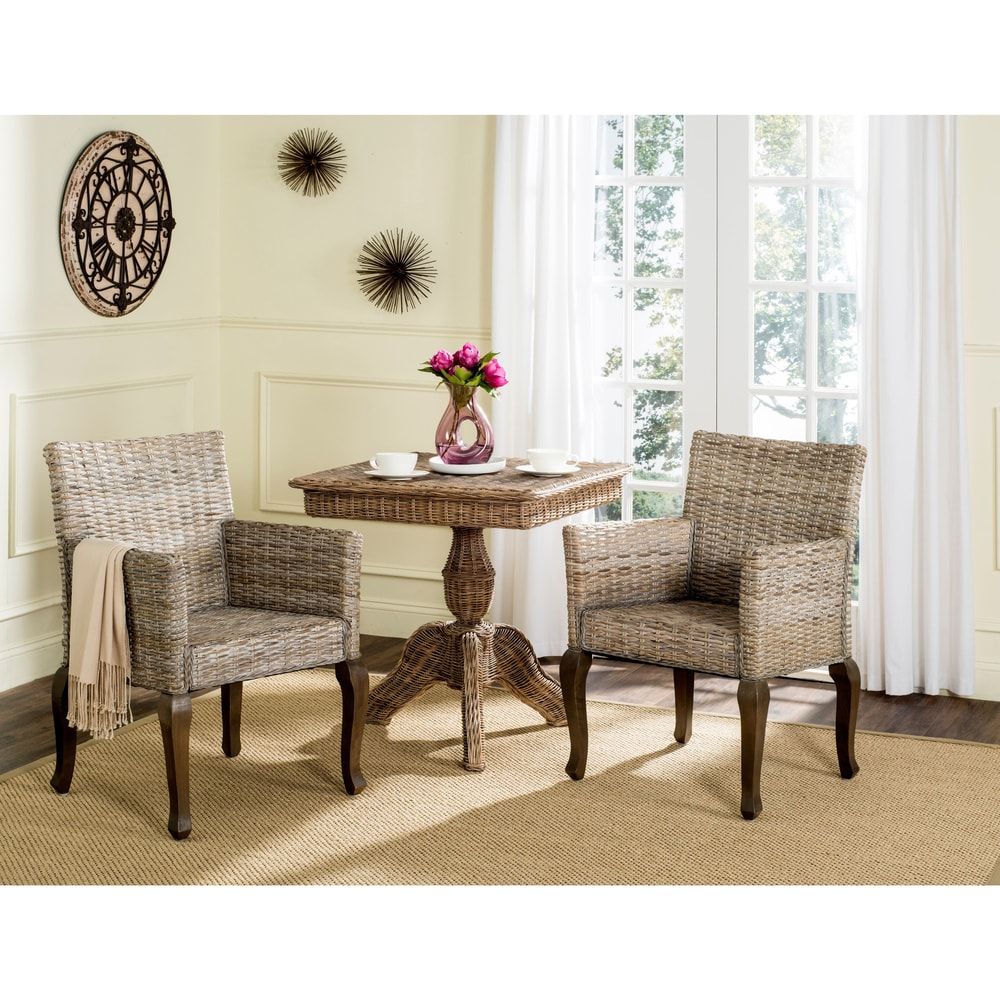
When you’re working with a muted palette, texture becomes even more important. It’s what adds depth and interest to a room that might otherwise feel flat. Consider adding woven textiles like a jute rug or a wool throw. Natural wood elements bring warmth and character. Even something as simple as a wooden dining table can anchor the space. Textures create visual interest without overwhelming the senses. They also provide comfort – the feel of a soft cushion or the weight of a wooden chair can make all the difference in how you experience a room. Don’t underestimate the impact of a few carefully chosen textured elements. A linen napkin, a knitted coaster, or a ceramic serving dish can add layers of richness to your design. These small touches tell a story about your personality and taste.
Lighting That Enhances the Color Palette
Proper lighting can make or break your color scheme. In a dining room with grey, brown, and white accents, you want lighting that enhances rather than competes with these colors. Warm ambient lighting creates a welcoming mood. Consider a statement chandelier or a cluster of pendant lights above your dining table. These should be soft enough to avoid harsh shadows but bright enough to illuminate the space properly. Table lamps or candles can add a personal touch. They create pockets of warmth that draw people in. Natural light during the day helps show off the subtle variations in your chosen colors. But in the evening, artificial lighting should complement rather than clash with your palette. Dimmer switches give you flexibility to change the atmosphere throughout the day. Sometimes you want bright, energizing light, and sometimes you want something softer and more intimate.
Furniture Selection for Balanced Design
Your furniture choices should support the overall feeling you want to create. For a warm dining space, look for pieces that incorporate natural materials. Wood tables with warm grains work beautifully with this color scheme. Upholstered chairs in soft textures can add comfort and visual weight. If you’re going for a more modern look, choose pieces with clean lines but still incorporate organic elements. The key is balance. Don’t let one piece dominate the space. Instead, think of your furniture as a conversation between different elements. A dark brown wooden table paired with grey chairs creates contrast that’s pleasing to the eye. White or cream accents in cushions or tablecloths can provide a clean counterpoint. Your dining set should feel like it belongs in the room, not like it was plucked from another space entirely. Consider how each piece contributes to the overall story you’re telling.
Accessories That Bring Life to Your Space
Small details make big impacts in a dining room. Plants are excellent additions – they bring life and movement to the space. A single large plant can anchor an entire corner. Smaller potted plants on the table add freshness and color. Artwork that incorporates your main colors can tie everything together. Even simple frames in grey or brown can make a difference. Lighting fixtures themselves can be decorative elements. Choose pieces that reflect your style – whether that’s rustic, modern, or somewhere in between. Table settings matter too. A simple cloth in a warm tone, a few mismatched plates, or a collection of interesting bowls can create visual interest. Don’t forget about seasonal changes – swapping out some accessories can keep your space feeling fresh and alive. What small changes could you make today to enhance your dining atmosphere?
Practical Tips for Implementation
Start with one element at a time. Don’t try to overhaul everything at once. Pick your dominant color first – maybe the walls or a large piece of furniture. Then build around it. Test paint swatches in your actual space at different times of day. This helps you see how the colors behave in real life. Layer textures gradually – add one new element, then wait a few days before adding another. This prevents overwhelming the senses. Remember that less can be more. Sometimes a few well-chosen items are better than many competing elements. Pay attention to proportions – a large grey sofa might overwhelm a small dining area. But a smaller grey accent chair can make a strong statement. Keep your space feeling open and airy while still maintaining warmth. These tips help ensure your final result feels intentional and balanced.
Avoiding Common Mistakes
One of the biggest errors is choosing colors that are too similar. This can make a space feel flat or monotonous. Another mistake is using too much white – it can make a room feel sterile or cold. Similarly, using too many dark browns can make a space feel heavy or oppressive. It’s about finding the right balance. Don’t ignore the importance of lighting when selecting colors. A color that looks great in daylight might look completely different in evening light. Also, don’t overlook the impact of flooring. The color and texture of your floor affects how the rest of your space looks. Finally, consider how the space will function. Will you entertain frequently? Does it need to be easy to clean? These practical concerns affect your color and material choices.
Real-Life Examples and Inspiration
Look at successful dining rooms that use grey, brown, and white effectively. Notice how they layer different textures and materials. Some feature a large grey sectional with a brown coffee table and white accessories. Others combine a wooden dining table with grey chairs and white linens. What makes these spaces work? They balance bold elements with softer ones. They use the neutral palette as a canvas for personal touches. They create a sense of calm while still feeling lively. Real examples show that this color scheme works across different styles – from minimalist to eclectic. The key is thoughtful application. Look for inspiration online, in magazines, or even in your own home. What elements do you admire? How might you incorporate those ideas into your own space?
Maintaining Your Design Over Time
A well-designed dining space should evolve with you. Regular cleaning keeps your colors looking fresh. Dust and dirt can make whites look dingy and grey look dull. Seasonal updates can keep your space feeling new. Swap out tablecloths, add fresh flowers, or change the arrangement of your accessories. As your lifestyle changes, so might your needs. Maybe you need more storage or different seating arrangements. Your color scheme should support these changes gracefully. Remember that some elements age better than others. Natural materials like wood and linen tend to hold up well over time. Choose pieces that will remain appealing long after trends pass. Your dining room should feel like a place you can live in, not just decorate for special occasions. It should support your daily life while still looking beautiful.
Creating a warm dining space with grey, brown, and white accents isn’t just about following rules – it’s about crafting a place that reflects your personality and supports your lifestyle. These three colors offer incredible versatility, allowing you to express both elegance and comfort. The key lies in thoughtful selection, proper proportion, and attention to detail. When you get it right, your dining room becomes more than just a place to eat – it becomes a gathering spot where memories are made. Whether you’re planning a complete redesign or simply looking to refresh your current setup, remember that the most important element isn’t the number of colors you use, but how well they work together. Let this color trio be your guide to creating a space that feels both sophisticated and welcoming. The next time you sit down for dinner, you’ll appreciate how every element, from the lighting to the texture of your tablecloth, contributes to the warmth of your home.