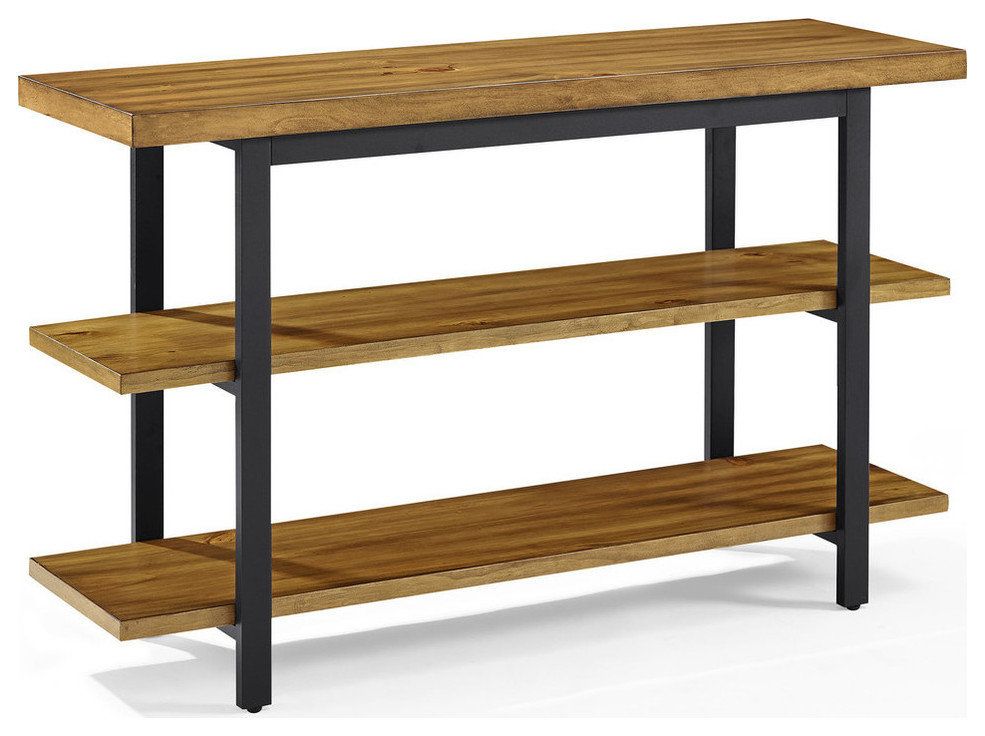
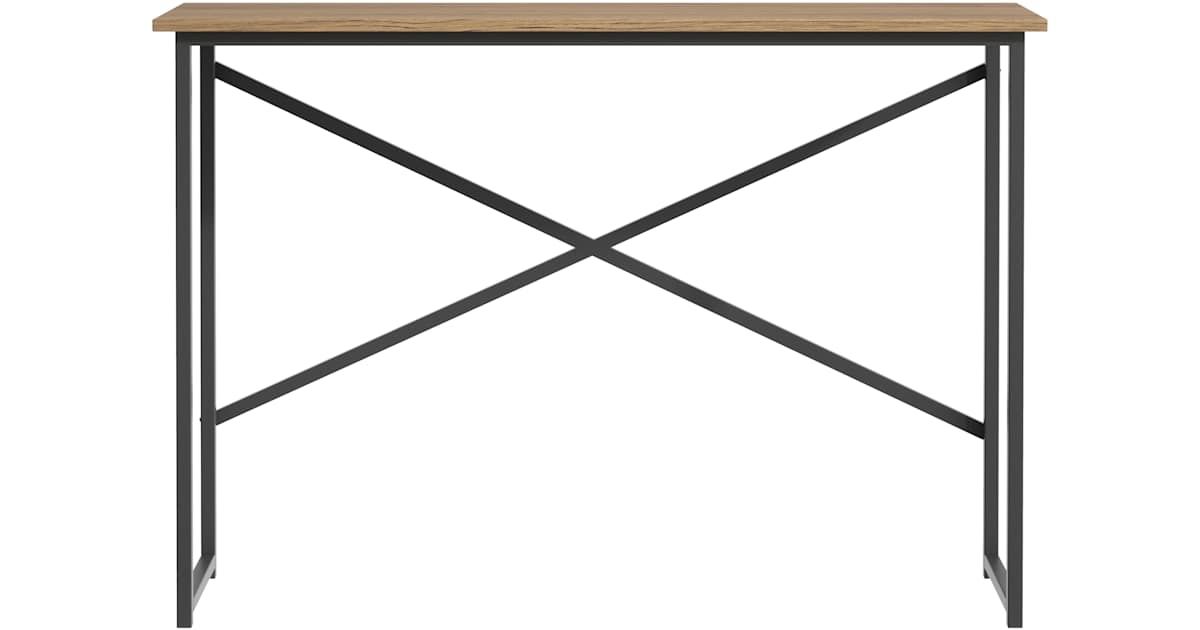
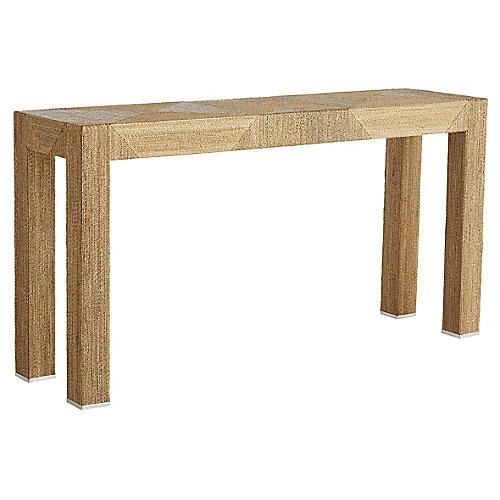
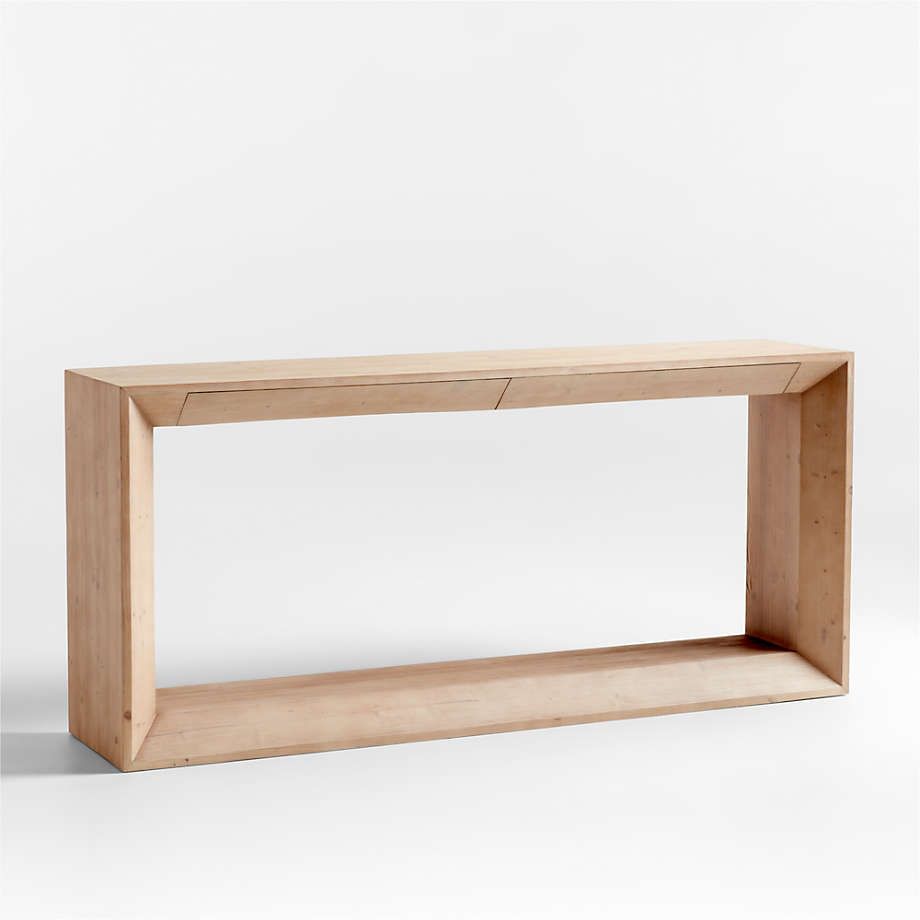
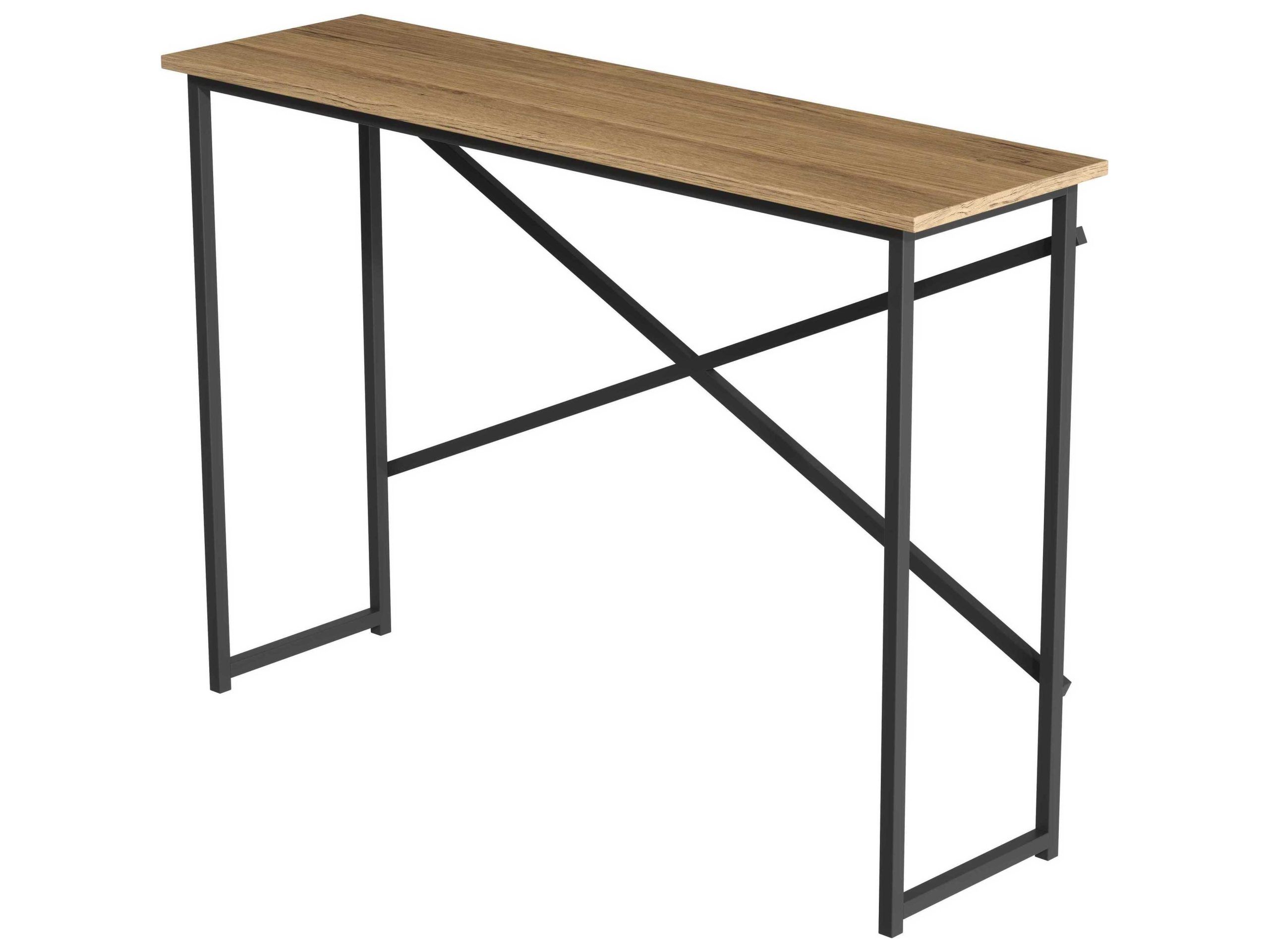
There’s something deeply satisfying about a well-crafted console table that balances warmth and strength. When wood veneer meets iron in just the right way, you get pieces that don’t just decorate your space—they become part of its character. This isn’t just about aesthetics though. It’s about understanding materials, craftsmanship, and the subtle dance between natural and industrial elements.
Imagine walking into a room where the focal point isn’t just visually striking but feels grounded in authenticity. That’s exactly what happens when wood veneer and iron come together in console design. These two materials might seem worlds apart—wood representing nature’s organic flow while iron embodies human ingenuity and strength. Yet when skillfully combined, they create something truly special. The marriage of these materials isn’t just trendy; it’s rooted in centuries of design wisdom and practical necessity. Whether you’re considering adding one to your home or simply appreciate good design, understanding how these elements work together can transform your perspective on furniture craftsmanship.
The Foundation of Timeless Design
What makes a console piece timeless? It’s not just about looking good today—it’s about maintaining relevance through changing trends. The combination of wood veneer and iron offers that rare balance of durability and beauty. Wood veneer brings texture, warmth, and visual depth that no synthetic material can fully replicate. Meanwhile, iron provides structural integrity and a sophisticated contrast that keeps designs feeling fresh. Think about classic pieces from the mid-century modern era—those iconic consoles that still grace homes decades later. They often feature this exact combination, proving that certain design principles never go out of style. The secret lies in choosing quality materials and allowing each element to shine without overwhelming the other.
Understanding Wood Veneer Characteristics
Wood veneer isn’t just thin slices of wood glued onto surfaces. It’s a carefully crafted material that can dramatically influence a piece’s character. Different woods offer distinct properties—oak provides strength and classic grain patterns, while cherry brings rich color development over time. The key is selecting veneers that complement rather than compete with the iron components. For instance, a light oak veneer might pair beautifully with brushed iron accents, creating a harmonious contrast. The surface treatment of veneer also matters. Some are finished with oils that enhance natural grain, while others receive protective coatings that make them more durable for high-traffic areas. Understanding these nuances helps designers create pieces that age gracefully rather than merely hold their appearance.
Iron’s Role in Structural and Aesthetic Harmony
Iron’s contribution goes far beyond simple support. When used thoughtfully, it becomes an artistic element itself. The way iron is shaped—whether through casting, welding, or forging—can create elegant curves or sharp geometric lines that frame the wooden elements. Consider how industrial designers have reinterpreted traditional console shapes using iron frameworks. These aren’t just functional pieces; they’re sculptural statements. The material’s inherent strength allows for bold overhangs and unique configurations that wood alone couldn’t achieve. Moreover, iron’s ability to be finished in various ways—from matte black to polished brass—opens up endless possibilities for matching or contrasting with wood tones.
Craftsmanship and Assembly Techniques
Creating a successful wood veneer and iron console requires mastering several techniques. The assembly process demands precision since any misalignment can compromise both structural integrity and visual appeal. One common approach involves building the iron framework first, then carefully attaching the veneered wood pieces. This ensures the metal structure supports the wood properly while allowing for the natural expansion and contraction of wood over time. Some artisans prefer to build the entire piece in reverse order—starting with the wood base and then integrating the iron elements. Both methods require careful attention to joints and fastening systems. The choice often depends on the desired aesthetic outcome and the specific characteristics of the materials being used.
Material Selection and Quality Considerations
Choosing quality materials sets the foundation for lasting beauty. For wood veneer, consider factors like thickness, grain consistency, and finish. Thicker veneers tend to be more durable and less prone to warping, especially in varying climates. Quality iron should show minimal imperfections and proper coating to prevent rusting. Some manufacturers offer specialized treatments for iron that enhance both appearance and longevity. The interaction between materials also matters—certain woods may react differently to iron’s weight or temperature changes. Testing small samples before committing to larger projects helps avoid surprises. Many successful designers keep detailed records of material combinations that work particularly well together.
Design Principles and Stylistic Approaches
Designers working with wood veneer and iron often draw from multiple traditions. Mid-century modern influences bring clean lines and functional elegance. Industrial design embraces rawness and exposed elements. Traditional approaches focus on symmetry and ornate detailing. The key is finding the right balance for your intended space and audience. For example, a minimalist living room might benefit from sleek iron frames with subtle wood accents. Conversely, a more eclectic space could handle bold geometric ironwork paired with rich wood textures. Some designers experiment with mixed materials, incorporating leather or stone alongside wood and iron. The most successful pieces often blend familiar design elements with unexpected twists that surprise and delight viewers.
The art of combining wood veneer and iron in console design represents more than just a trend—it’s a celebration of materials that have stood the test of time. When done right, these pieces become anchors for spaces, offering both functionality and emotional resonance. The key lies in respecting each material’s unique qualities while creating a cohesive whole. Whether you’re designing, buying, or simply appreciating these beautiful objects, understanding this relationship helps you better appreciate the craftsmanship involved. These console pieces don’t just sit in rooms; they tell stories about the people who made them and the lives they’re meant to enhance. In a world of fast fashion and temporary solutions, they remind us that great design can last forever.