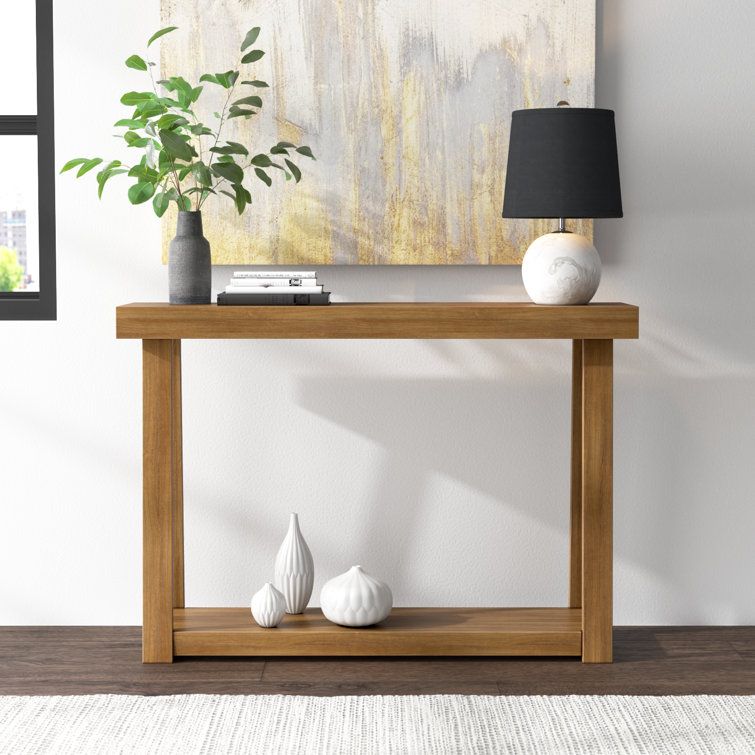
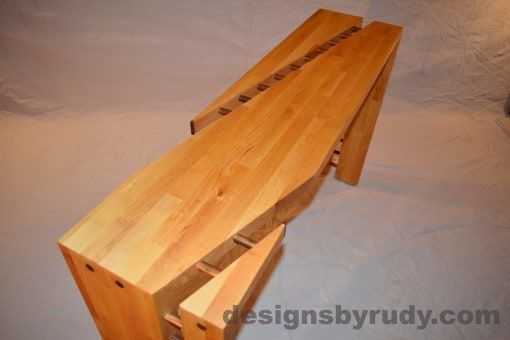
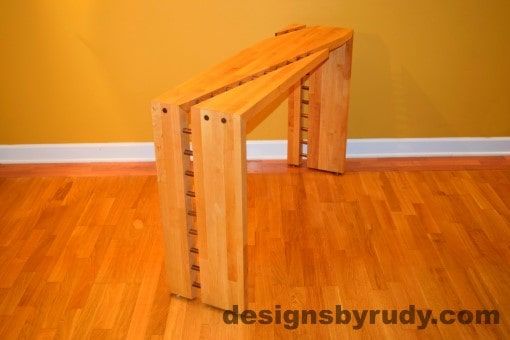
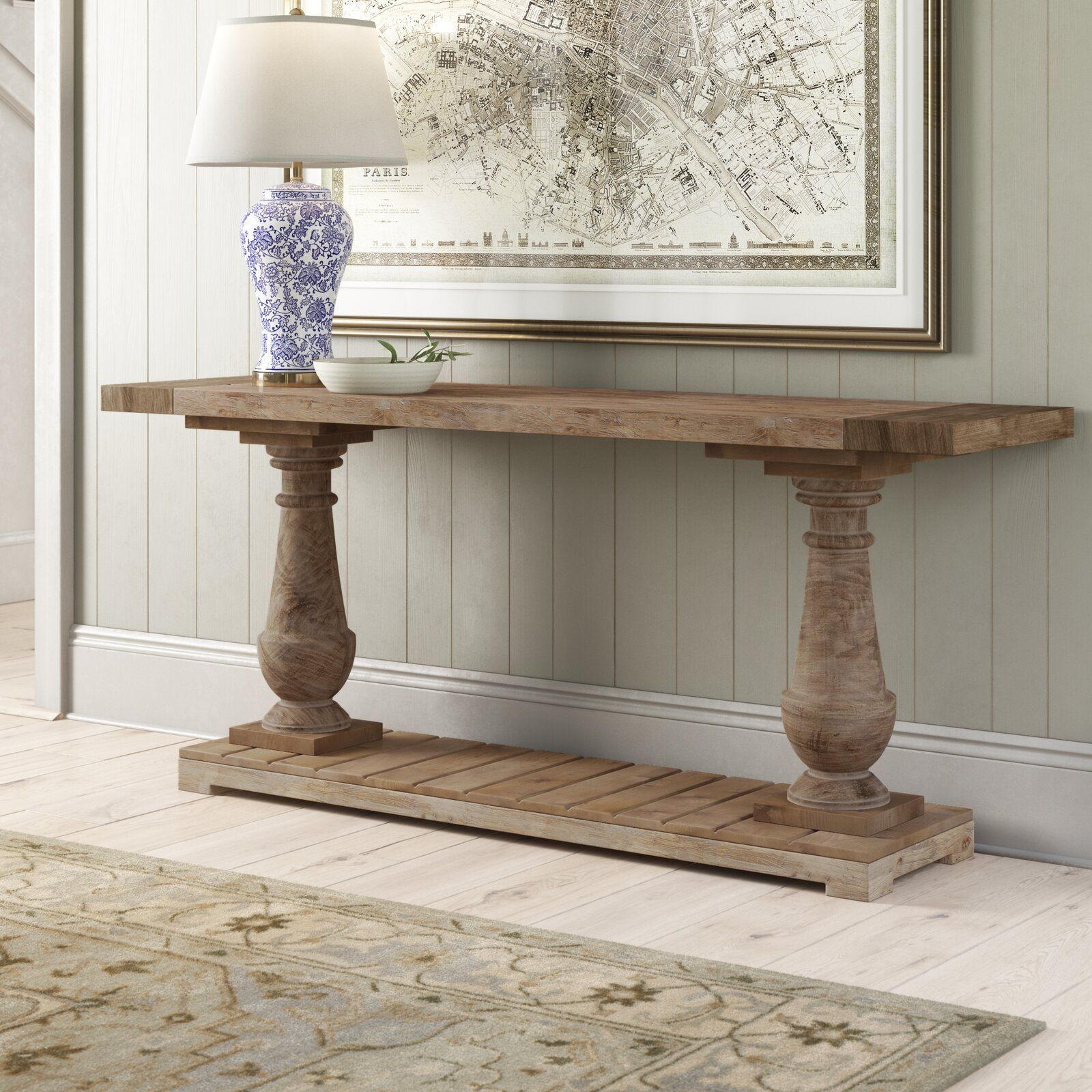
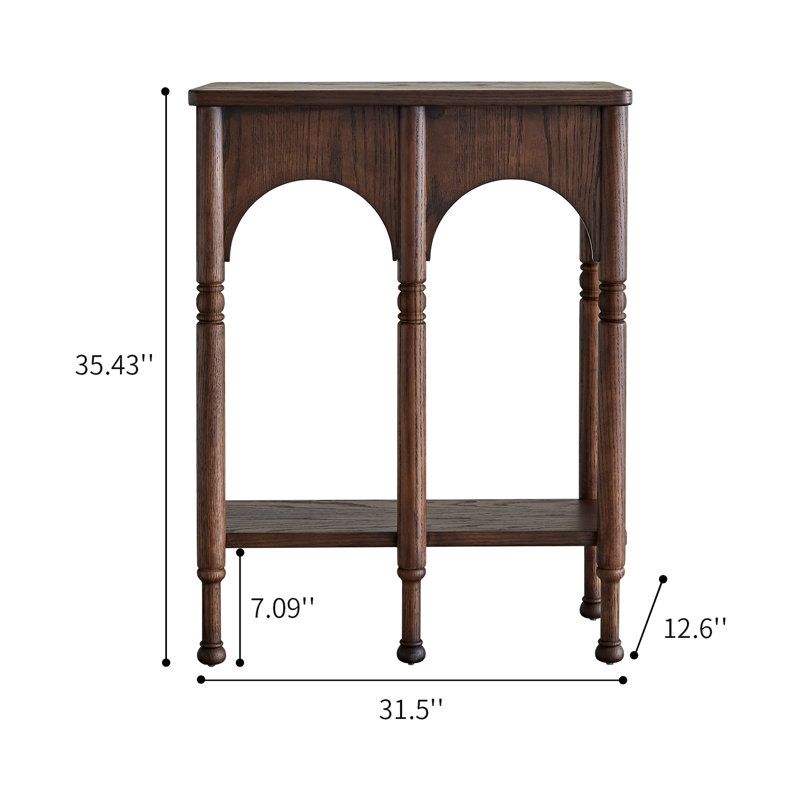
In a world full of sharp edges and straight lines, there’s something deeply comforting about furniture that flows like water. The gentle curves of solid wood pieces aren’t just decorative—they’re the result of centuries-old craftsmanship, patient hands, and an understanding that beauty comes from nature’s own shapes.
When you sit down at a dining table with softly rounded edges, or lean back into a chair that seems to cradle your body, you’re experiencing the magic of curved woodwork. These aren’t just pretty faces on furniture. They’re the product of skill, patience, and a deep respect for materials that have been honed over generations. The process involves more than just cutting and shaping—it’s about understanding wood’s natural tendencies, working with its grain, and coaxing it into forms that feel both elegant and familiar.
Understanding the Natural Flow of Wood
Solid wood isn’t like plastic or metal. It has character, memory, and personality. Every piece tells stories of seasons, growth patterns, and the unique journey from tree to table. When craftsmen work with curves, they must first understand how wood behaves under pressure and heat. Different species react differently to bending forces. Oak might hold its shape better than maple, while cherry wood develops beautiful patinas over time.
Consider the example of a curved dining chair. The backrest might need to bend gradually from the seat to the top, following the natural arc of the human spine. This requires careful selection of wood grain direction and precise application of heat or moisture to make the material pliable without breaking. The curve becomes more than just design—it becomes functional comfort.
Traditional Techniques Passed Down Through Generations
Many of the methods used today to create curved wood furniture were perfected centuries ago. The ancient practice of steam bending, for instance, involves heating wood in special chambers until it becomes soft enough to shape. This technique was essential for building boats and creating furniture before modern machinery existed.
Another method uses a technique called ‘scorching’ where craftsmen apply controlled heat directly to the wood surface to make it flexible. This is particularly useful for creating small-radius curves that might otherwise break under stress.
These traditional approaches require deep knowledge of wood science and experience that can’t be taught in books alone. A master craftsman learns by watching their mentor, then by making mistakes and learning from them. The process often takes weeks or months to get right, especially when working with thick pieces or large-scale furniture.
The Role of Tools and Equipment
Modern woodworkers still rely heavily on traditional hand tools, even as they incorporate some contemporary equipment. A well-made curved chair begins with a good hand plane, which helps smooth and shape surfaces with precision. The challenge comes when trying to create consistent curves across large areas.
Specialized jigs and templates play a crucial role. These are custom-made guides that help ensure each curve follows the same path, maintaining consistency across multiple pieces. Some craftsmen create these by hand, using scraps of wood and careful measurements. Others use computer-controlled machines to create repeatable patterns, though the final shaping is usually done by hand.
For large curved elements like table tops, some shops use hydraulic presses or steam boxes. These machines provide the necessary force and temperature control to bend wood into complex shapes without cracking or splitting.
Design Philosophy and Aesthetic Principles
Good curved furniture isn’t just about making things look pretty. It’s about creating harmony between form and function. Curves naturally draw the eye, guiding attention around the piece in pleasing ways. They also distribute weight more evenly than straight lines, making furniture more structurally sound.
Take the example of a curved sideboard. Its gentle curves help define the storage space while making the piece feel welcoming rather than imposing. The way light catches the rounded edges creates visual interest throughout the day. This is why many designers prefer curved details—they create a sense of movement and life within static objects.
The key is balance. Too much curvature can make furniture feel chaotic or impractical. Too little and the piece loses its appeal. Master craftsmen spend years learning to find that perfect middle ground where elegance meets usability.
Challenges and Common Pitfalls
Working with curved wood presents several difficulties that beginners often overlook. One major issue is wood splitting during the bending process. This happens when the wood dries too quickly after being shaped, causing stress fractures along the grain.
Another common problem occurs when craftsmen try to bend wood too aggressively. Sometimes, the material will snap or crack instead of gracefully adapting to the desired shape. This is especially true with hardwoods that are dense and rigid.
Moisture management is critical too. Wood needs to be properly dried before working with curves, but it also needs to maintain some flexibility during the shaping process. Finding that sweet spot between dryness and pliability requires experience and intuition.
Many new craftspeople also struggle with the patience required. Creating a single curved element can take days or weeks. The process involves multiple steps of heating, shaping, drying, and refinishing. Rushing through any stage leads to poor results.
Preserving Timeless Quality in Modern Times
Today’s consumers increasingly value handmade items that last for generations. Solid wood furniture with curved details represents a bridge between past and future. These pieces don’t go out of style because they’re rooted in timeless principles of design and construction.
The market for such furniture continues to grow, driven by people who appreciate quality over quantity. A handcrafted curved dining table costs more than mass-produced alternatives, but it offers something money cannot buy—the assurance that every joint, curve, and finish was carefully considered.
Craftsmen today face the challenge of balancing tradition with modern expectations. Customers want furniture that looks beautiful but also fits their lifestyle. This means incorporating curved elements into contemporary designs while maintaining the integrity of traditional methods. Many artisans now offer custom pieces that blend classic curves with modern functionality, ensuring these timeless techniques remain relevant.
The art of crafting curved solid wood furniture is more than just woodworking—it’s about respecting materials, honoring traditions, and creating objects that enhance our daily lives. Each curve tells a story of patience, skill, and devotion to craft. Whether it’s the gentle sweep of a chair back or the graceful arc of a dining table, these pieces remind us that true beauty comes from the careful marriage of human intention and natural materials. In a fast-paced world, they offer something rare—a moment of connection to something lasting and meaningful.