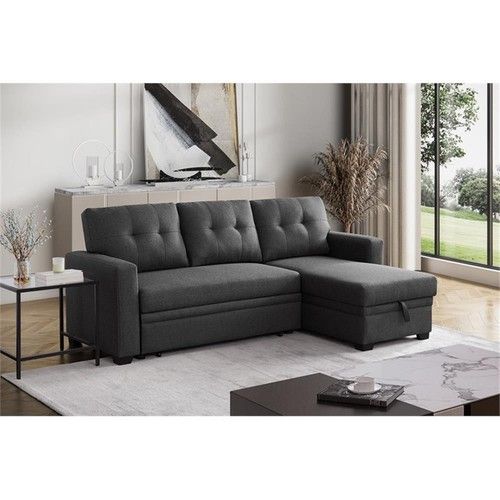
Picture this: you’re living in a studio apartment, a tiny house, or a home with limited square footage. You need a place to sleep, somewhere to relax, and maybe even a spot for guests. Enter the sleeper sectional – a game-changer that’s been quietly transforming how we think about furniture and space. These amazing pieces combine comfort, functionality, and smart design into one sleek solution that makes the most of every inch.
When you’re dealing with cramped quarters, every square foot matters. That’s where sleeper sectionals step in as unsung heroes of modern interior design. These versatile pieces aren’t just about sleeping – they’re about maximizing every aspect of your living situation. Think of them as furniture multitaskers, capable of handling everything from family movie nights to overnight guests, all while keeping your space feeling open and uncluttered. They’re like the Swiss Army knife of furniture – compact, efficient, and surprisingly capable.
What Makes Sleeper Sectionals Special
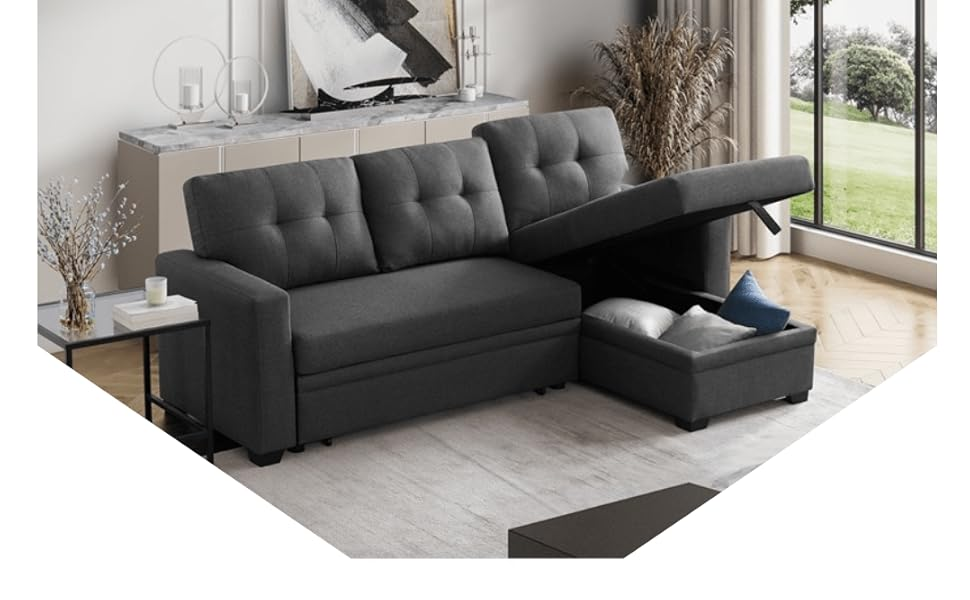
Sleeper sectionals are more than just couches with hidden beds. They’re carefully crafted solutions designed to address real-world space challenges. The key lies in their dual functionality – they serve as both seating areas and sleeping spaces when needed. This transformation happens through clever engineering that allows the back portion to fold out or flip up, creating a comfortable sleeping surface.
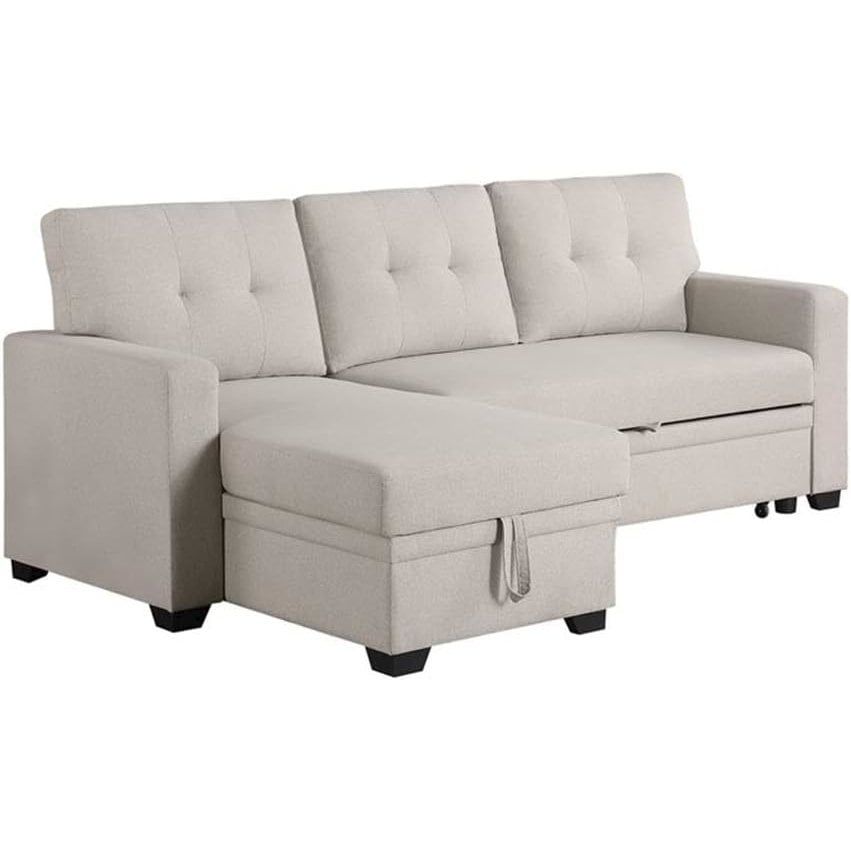
The magic isn’t just in the mechanics though. These pieces often feature built-in storage compartments, extra seating areas, and thoughtful design elements that make them work seamlessly in tight spaces. Many models include side tables, cup holders, and even entertainment centers built right into the structure.
Consider the difference between having a regular sofa that takes up 8 feet of wall space versus a sleeper sectional that might do the same job while also providing a full-size bed. It’s like getting two pieces of furniture for the price of one, but with better quality and more thoughtful design.
Space Planning and Layout Considerations
Before diving into sleeper sectionals, it’s crucial to evaluate your space carefully. Start by measuring everything – walls, doorways, and especially the area where you plan to place the furniture. Consider traffic flow, lighting, and how you currently use the room.
Here’s where things get interesting: a well-planned sleeper sectional can actually improve your room’s layout rather than hinder it. For example, placing a sectional against a wall creates a natural boundary that defines different zones in an open floor plan. The shape itself can help break up large, empty spaces and make them feel more intimate.
Key factors to consider:
• Room dimensions and ceiling height
• Natural light sources and how they affect the piece
• Traffic patterns around the furniture placement
• Current storage needs and future expansion plans
• Whether you entertain guests regularly
Think about how you move through your space daily. Does the sleeper sectional fit naturally into your routine? Will it block doorways? Can you still walk comfortably around it?
Many people find that their first sleeper sectional feels awkward because they didn’t fully consider these factors. The right piece should feel like it belongs in the space, not like an afterthought.
Choosing the Right Size and Configuration
Not all sleeper sectionals are created equal, and choosing the right size can make or break your space efficiency goals. The size depends heavily on your room’s dimensions and intended use.
For smaller spaces, look for:
• Compact designs that don’t overwhelm the room
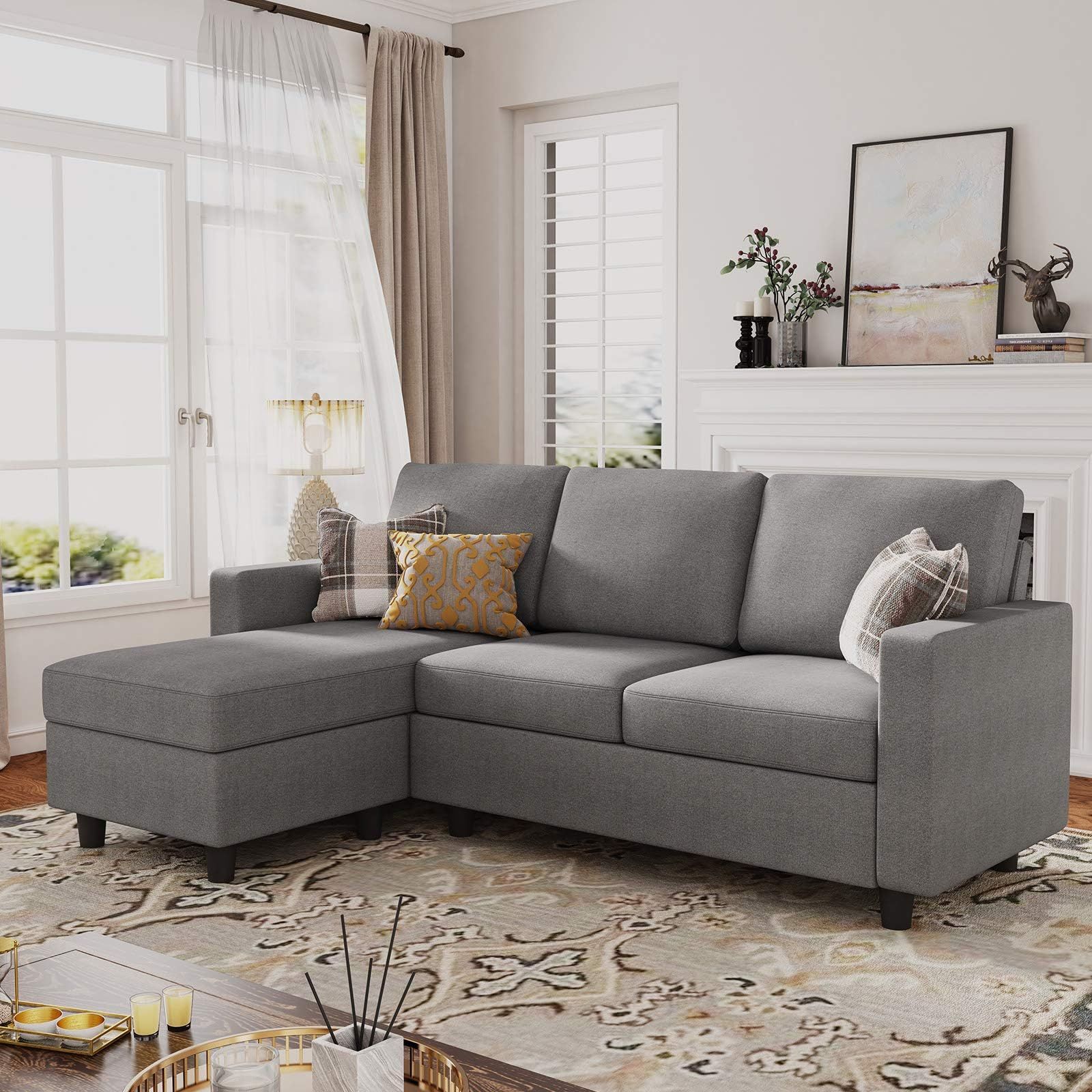
• L-shaped configurations that maximize corner space
• Modular options that can be reconfigured as needs change
• Built-in storage solutions that keep clutter at bay
Larger rooms offer more flexibility. You might consider:
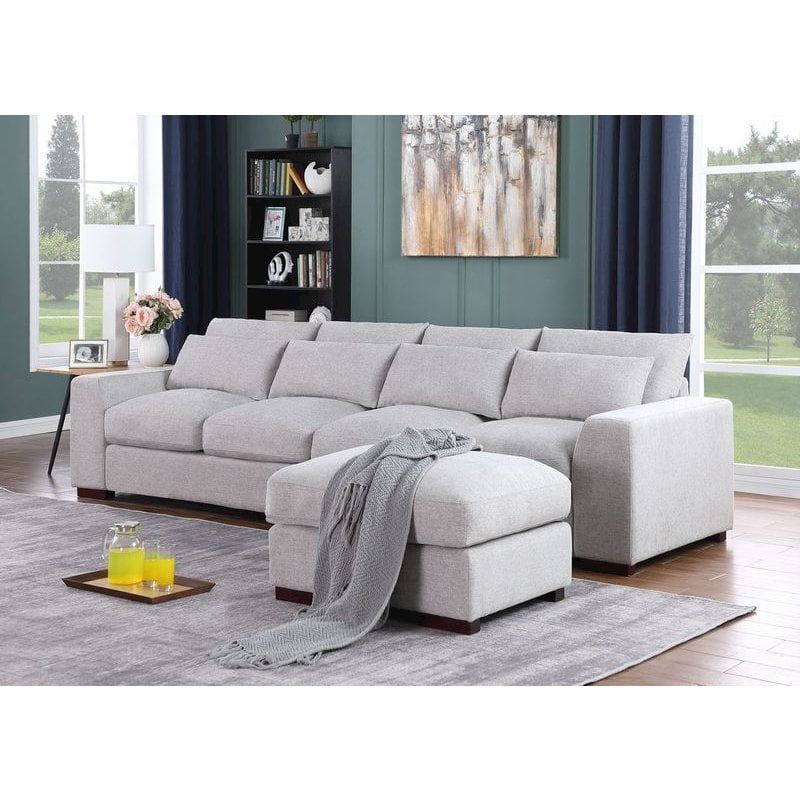
• Longer sections that provide multiple seating options
• U-shaped arrangements that create conversation areas
• Extra-wide models that accommodate more people
• Custom features like integrated desks or dining tables
One common mistake is assuming that bigger always means better. In reality, a 6-foot sleeper sectional in a 10×10 room might make the space feel cramped, while a 4-foot version could provide just enough seating and sleeping space without overwhelming the area.
The configuration also matters. A straight line works great for narrow spaces, while an L-shape maximizes corner areas. Some people prefer the U-shape for creating natural conversation circles. The important thing is matching the shape to your room’s geometry and your lifestyle habits.
Material and Construction Quality Matters
The materials used in sleeper sectionals directly impact their longevity, comfort, and performance. Quality construction ensures that the bed mechanism works smoothly over time and that the overall piece maintains its appearance.
Fabric options range from easy-care synthetics to premium natural fibers. Each has pros and cons:
• Microfiber offers durability and stain resistance
• Cotton blends provide breathability and comfort
• Leather gives a sophisticated look but requires more maintenance
• Performance fabrics balance aesthetics with practicality
The frame construction is equally important. Solid wood frames typically last longer than particle board or metal frames. Look for pieces with reinforced joints and sturdy mechanisms for the sleeping function.
Consider how much you’ll use the sleeper sectionals. If you have frequent overnight guests, you’ll want materials that handle regular use well. For occasional use, you might prioritize comfort and style over heavy-duty construction.
Many people overlook the importance of the mattress support system. A good sleeper sectional will have adequate support that keeps the mattress properly aligned and prevents sagging over time. This affects both comfort and the piece’s lifespan.
Storage Solutions and Smart Features
Modern sleeper sectionals go beyond simple seating and sleeping. They often incorporate innovative storage solutions that help manage clutter and organize daily essentials.
Common storage features include:
• Hidden compartments beneath the seating area
• Storage cubbies built into the arms or sides
• Under-bed storage that’s easily accessible
• Integrated charging stations for electronic devices
• Built-in bookshelves or shelving units
These additions don’t just look nice – they solve real problems. Imagine having a coffee table that doubles as storage for remote controls, books, and magazines. Or a section that provides secret storage for linens and blankets.
Smart features are becoming more common too. Some models include LED lighting built into the armrests, USB ports for charging devices, or even built-in speakers for music. These additions make the furniture more functional in our connected world.
The key is finding the right balance. Too many features can make the piece feel cluttered and overwhelming. The best sleeper sectionals integrate storage and smart features naturally, enhancing rather than distracting from the main purpose.
Real-Life Applications and Success Stories
Let’s talk about actual situations where sleeper sectionals have made a real difference. One couple living in a 700-square-foot apartment found their entire lifestyle changed when they replaced their old sofa with a sleeper sectional.
"We used to have to choose between having a proper living room or being able to host friends," says Sarah, a graphic designer. "Now we have both. The sectional is the centerpiece of our living area, and when guests come over, we simply pull out the bed."
Another example comes from a young professional who transformed her small studio into a functional workspace and guest room. Her 8-foot sleeper sectional became the foundation for everything from morning coffee to evening workouts to weekend visitors.
The key success factor in these stories isn’t just the furniture itself – it’s how the person thought about space usage. They considered their lifestyle, planned around the piece, and chose features that matched their actual needs.
Many people start with a basic sleeper sectional and gradually add accessories or make modifications based on how they actually use the space. This approach leads to better long-term satisfaction and more efficient use of the investment.
Real-world testing shows that people who take time to plan how they’ll use their sleeper sectional see better results than those who just pick the first one they like. It’s about matching form to function in a way that supports your daily life.
Maintenance and Longevity Tips
Like any significant furniture investment, sleeper sectionals require some care to maintain their beauty and function over time. Regular maintenance extends their useful life and keeps them looking fresh.
Basic care includes:
• Vacuuming fabric surfaces regularly to remove dust and debris
• Spot-cleaning stains immediately before they set in
• Rotating cushions periodically to ensure even wear
• Checking the mechanical components for smooth operation
• Lubricating moving parts according to manufacturer instructions
Some materials are more forgiving than others. Fabric sections may show wear more quickly but are easier to clean. Leather requires more attention but ages beautifully with proper care.
The mechanical parts deserve special attention. Regular checks of the bed mechanism ensure smooth operation. If you notice squeaks or stiffness, it might be time for lubrication or adjustment.
Consider how often you’ll use the sleeper function. Frequent use means more wear on the sleeping surface and mechanical components. Occasional use allows for longer periods between maintenance tasks.
Many people find that investing in quality bedding and protective covers pays off in the long run. A good mattress pad can extend the life of the sleeping surface significantly, while removable covers make cleaning much easier.
Budget Considerations and Value Assessment
Sleeper sectionals vary widely in price, from budget-friendly options to luxury pieces that cost thousands of dollars. Understanding what you’re paying for helps determine whether it’s a worthwhile investment.
Price points generally reflect:
• Materials used in construction and upholstery
• Brand reputation and warranty coverage
• Manufacturing location and labor costs
• Additional features and technological integrations
• Design complexity and customization options
A mid-range sleeper sectional typically offers the best balance of features and value for most people. These pieces usually provide solid construction, decent materials, and enough features to meet everyday needs.
When evaluating value, consider not just the purchase price but also:
• How long you expect to use the piece
• Whether it solves a specific problem in your space
• How much money you save on separate furniture purchases
• The potential for increased property value if you sell
Some people find that spending a bit more initially saves money later on. A well-built piece that lasts 10-15 years will likely cost less per year than buying cheaper replacements every few years.
Don’t forget about ongoing costs like cleaning supplies, protective covers, and maintenance. Factor these into your total cost of ownership when making decisions.
It’s also worth noting that many retailers offer financing options or trade-in programs that can make higher-end pieces more accessible. These can be particularly helpful if you’re upgrading from older furniture.
Sleeper sectionals represent more than just furniture – they’re intelligent solutions for modern living challenges. When chosen wisely and integrated thoughtfully into your space, they can transform cramped areas into functional, beautiful environments. The key lies in understanding your specific needs, measuring your space accurately, and selecting a piece that matches both your lifestyle and your aesthetic preferences.
Remember, the best sleeper sectional isn’t necessarily the most expensive one – it’s the one that fits your life perfectly. Whether you’re managing a small studio, hosting regular guests, or simply trying to make the most of every square foot, these versatile pieces offer genuine value.
The investment in a quality sleeper sectional often pays dividends in reduced stress about space management, improved daily routines, and enhanced comfort. It’s about creating furniture that adapts to your life rather than forcing you to adapt to your furniture. With careful consideration and planning, these pieces become essential elements of well-designed, efficient living spaces.