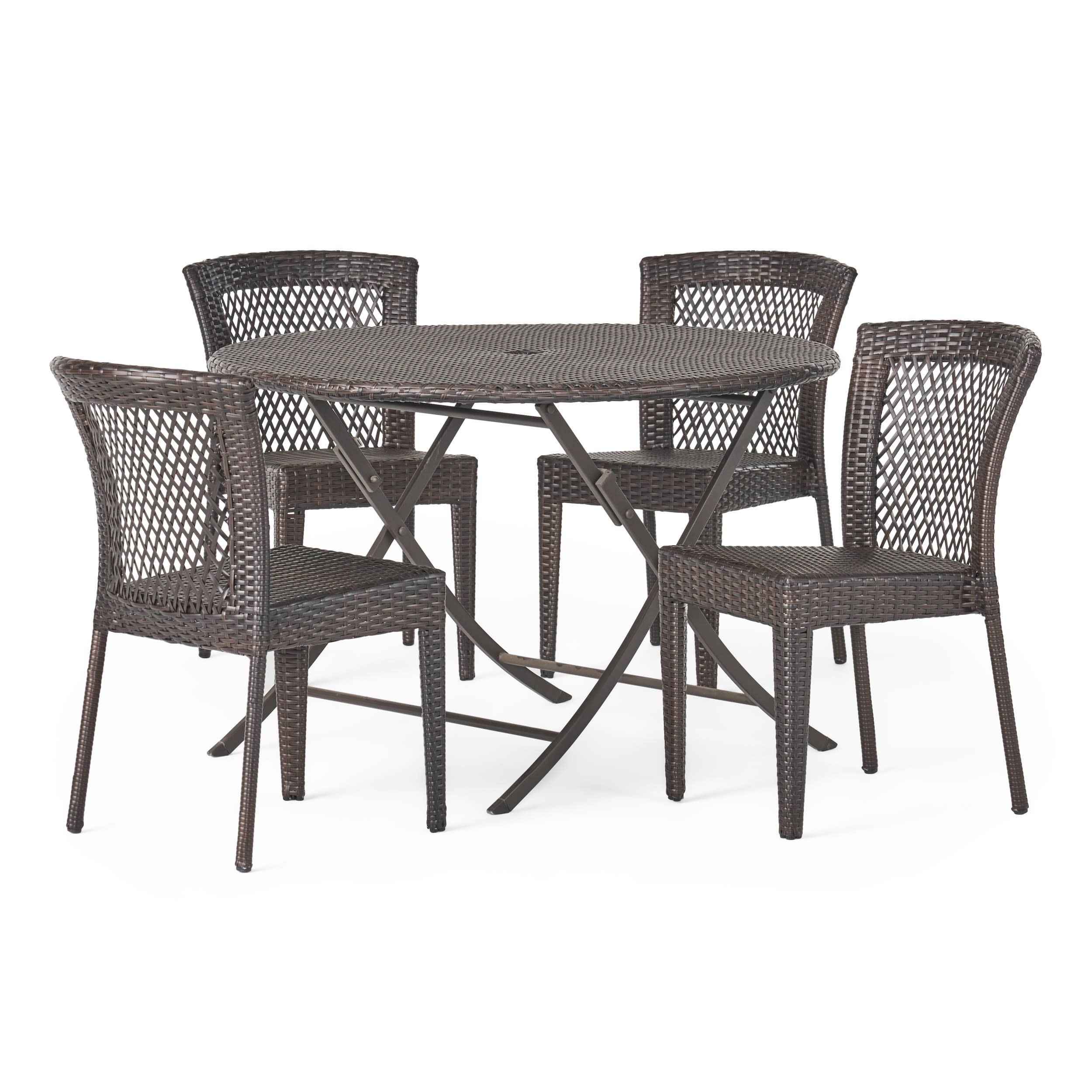
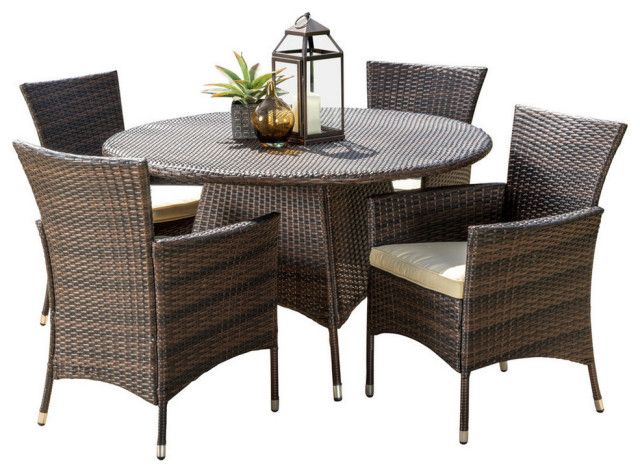
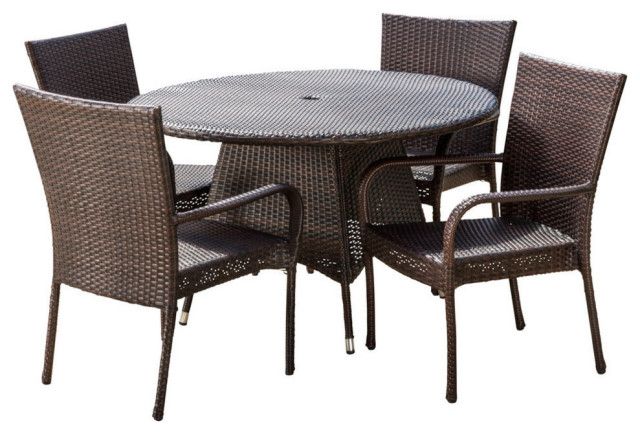
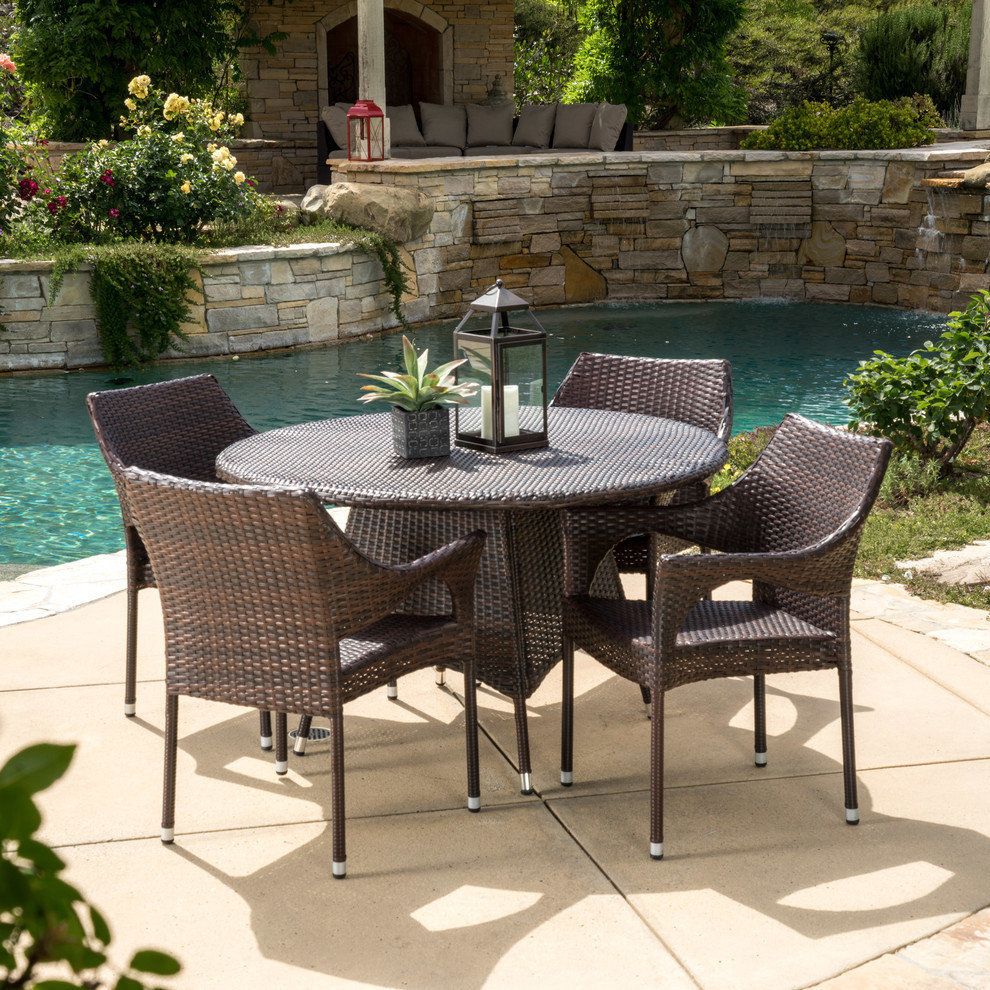
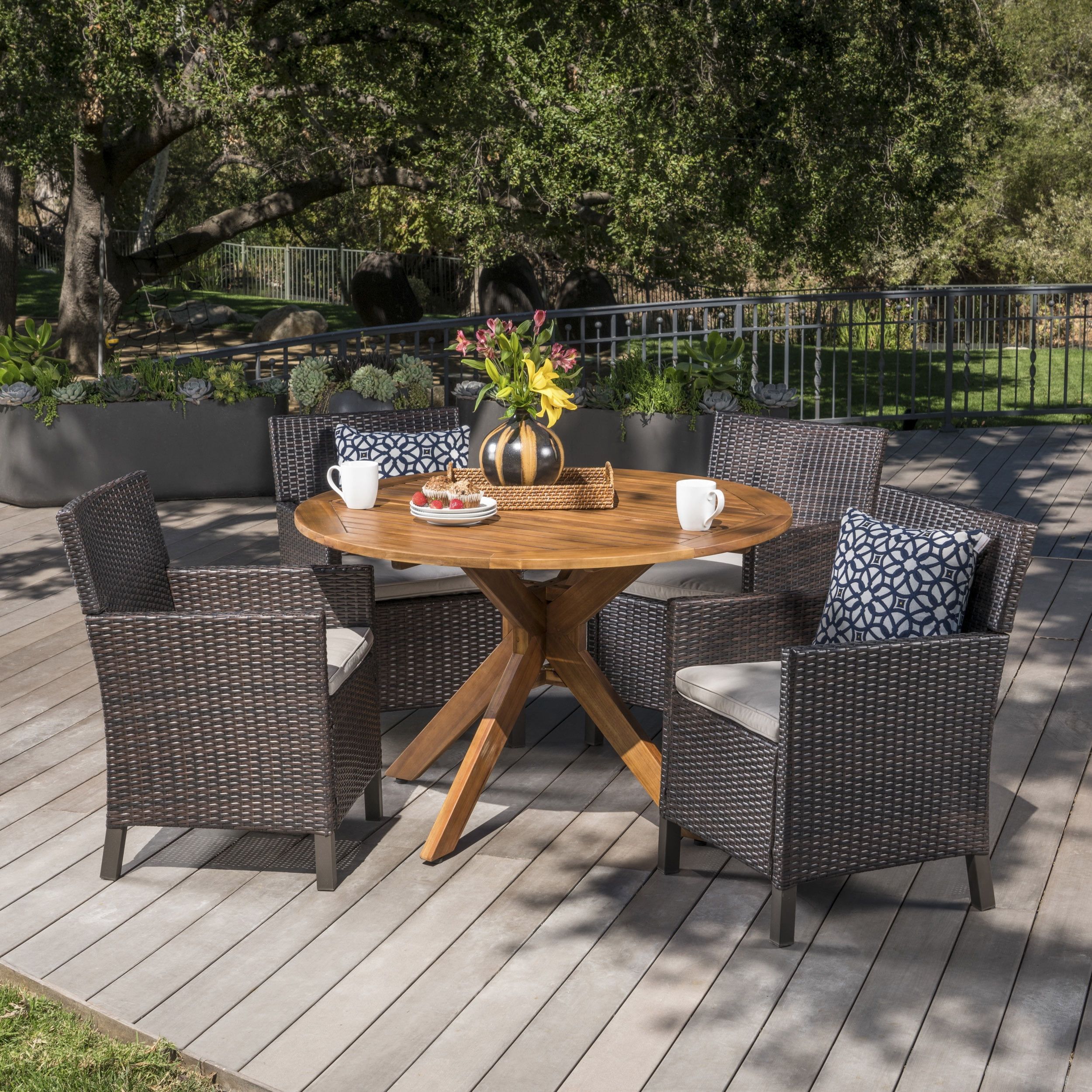
When you sit on a weathered wicker chair or lounge in a sun-drenched rattan sofa, you’re experiencing centuries of craftsmanship. These outdoor treasures aren’t just furniture – they’re stories woven in reed and rope, passed down through generations of skilled artisans.
Outdoor wicker sets have a special place in our hearts and homes. They bring a touch of rustic charm to patios, gardens, and porches while offering comfort that seems to come from another era. But beneath their simple appearance lies a complex world of traditional techniques and modern innovations that make these pieces last for decades. What exactly goes into creating one of these beautiful outdoor treasures? Let’s explore the fascinating journey from raw materials to your backyard sanctuary.
The Foundation: Choosing Quality Materials
The magic begins with selecting the right materials. Traditional wicker sets rely heavily on natural fibers like willow, rattan, and bamboo. Willow is prized for its flexibility and strength, making it ideal for the structural framework. Rattan, often called the ‘golden grass,’ offers excellent durability and a rich golden hue that deepens with age. Bamboo brings a sleek, modern look along with impressive resilience.
Artisans spend hours inspecting each material, looking for signs of quality and consistency. The fibers must be free from splits, knots, or discoloration. Some craftspeople even test the material’s flexibility by bending it slightly to ensure it will hold up under stress. This careful selection process can take several days for a single set.
The environmental conditions where these materials grow also matter enormously. Wicker made from bamboo grown in well-drained soil tends to be more resilient than that from waterlogged areas. Similarly, rattan harvested during specific seasons often provides better results than year-round harvests. It’s not just about finding the right material – it’s about finding the perfect material for the job.
The Time-Honored Techniques
Traditional wicker weaving involves techniques that have been refined over hundreds of years. The most common method is called "wicker weaving" or "rattan weaving," where artisans weave flexible materials around rigid frames. This process requires tremendous skill and patience.
The first step involves creating the base structure using strong, rigid materials like willow or metal rods. These provide the foundation that will support everything else. Then comes the delicate part – weaving the flexible elements around and through these supports. Each strand must be carefully placed to create uniform tension and proper spacing.
Many master craftsmen learn their skills through apprenticeships that can last several years. They start by learning basic patterns before advancing to complex designs. Some families have passed down specific weaving patterns through generations, creating unique regional styles. A craftsman might spend months perfecting a single pattern before moving on to more complex work.
The process demands steady hands and keen eyes. Even small mistakes can affect the entire piece’s stability and appearance. That’s why experienced artisans often work slowly, taking breaks to rest their hands and review their progress. Sometimes, a simple misalignment can cause the whole structure to weaken over time.
Weatherproofing: The Secret Ingredient
Outdoor furniture faces constant challenges from sun, rain, wind, and temperature changes. To combat these elements, manufacturers use various weatherproofing techniques that have evolved significantly over the past century. Modern treatments often involve protective coatings that prevent water absorption and UV damage.
One popular method uses polyethylene or vinyl coatings that create a barrier between the wicker and the elements. These treatments can extend a piece’s life by many years. However, some traditionalists prefer natural oils and waxes that allow the material to breathe while providing protection. Cedar oil and linseed oil are commonly used for this purpose.
The key is finding the right balance between protection and aesthetics. Too much coating can make the furniture look artificial, while too little leaves it vulnerable to damage. Professional craftspeople often apply multiple thin layers rather than one thick coat, allowing each layer to dry properly. This approach creates a more durable finish that won’t crack or peel easily.
Some high-end manufacturers also incorporate UV-stabilized materials that resist fading and deterioration. These specialized treatments can cost significantly more but offer superior longevity. The investment often pays off when you consider how much longer your furniture will last compared to untreated alternatives.
Design Evolution and Contemporary Trends
While traditional wicker sets still command admiration, contemporary designers are pushing boundaries with new forms and combinations. Modern outdoor wicker sets often blend classic weaving techniques with innovative materials and shapes.
Current trends show a growing preference for minimalist designs that emphasize clean lines and natural textures. Many contemporary pieces feature geometric patterns or abstract shapes that stand out against traditional organic forms. This evolution reflects changing lifestyle preferences and the desire for versatile furniture that fits different spaces and aesthetics.
Some designers experiment with mixed materials, combining wicker with metals, glass, or synthetic fabrics. These hybrid approaches can create striking visual contrasts while maintaining the comfort and durability associated with traditional wicker. The challenge lies in ensuring all components work together harmoniously.
Color trends have also shifted toward earth tones and muted palettes that complement natural surroundings. However, bold accent colors are becoming increasingly popular, especially in outdoor living spaces where people want to make a statement. Designers now offer customizable options that let customers choose their preferred color schemes.
The rise of sustainable design has influenced many contemporary wicker makers to focus on eco-friendly materials and production methods. Recycled materials and locally sourced components are becoming more common, reflecting broader environmental concerns among consumers.
Quality Control and Durability Standards
Creating long-lasting outdoor wicker sets requires rigorous quality control measures that go far beyond simple visual inspection. Manufacturers test their products under various conditions to ensure they meet durability standards.
Standard tests include simulated weather exposure, load-bearing capacity assessments, and resistance to common household chemicals. These evaluations help identify potential weak points before products reach consumers. Some companies even conduct field testing in extreme weather conditions to verify real-world performance.
Professional inspectors examine each piece for consistent weaving tension, proper alignment of materials, and overall structural integrity. They check that no loose strands exist and that all joints are secure. This attention to detail can mean the difference between a piece that lasts decades versus one that needs replacement after a few seasons.
Quality certifications from recognized organizations add credibility to manufacturers’ claims about their products’ durability. These certifications often require regular inspections and adherence to strict manufacturing standards. Consumers should look for such certifications when purchasing outdoor wicker sets, as they represent assurance of quality and craftsmanship.
The time invested in quality control directly impacts the final product’s lifespan. A set that undergoes thorough testing and inspection typically costs more upfront but saves money in replacement costs over time. This investment in quality pays dividends in customer satisfaction and brand reputation.
Maintenance and Longevity Tips
Proper care can extend the life of your outdoor wicker set by many years, sometimes decades. Regular maintenance isn’t just about keeping things looking good – it’s about preserving the structural integrity that makes these pieces so valuable.
Cleaning should be done regularly with mild soap and water. Harsh chemicals can damage the protective coatings and fade the natural colors of the wicker. Soft brushes or cloths work best for removing dirt and debris from crevices. Pay special attention to areas where moisture tends to collect, such as under cushions or in tight weave sections.
Covering your wicker set during harsh weather conditions provides significant protection. Even a simple outdoor cover can shield the furniture from rain, snow, and UV exposure. Some manufacturers recommend storing wicker sets indoors during winter months in colder climates.
Regular inspection helps catch small problems before they become major issues. Look for loose strands, worn spots, or areas where the coating has begun to chip. Addressing these issues early prevents further damage and maintains the piece’s structural soundness.
Seasonal maintenance routines can make a big difference in how long your furniture lasts. Applying fresh protective coatings annually helps maintain the warranty and extends the life of your investment. Many crafters recommend doing this in spring before heavy use begins.
Outdoor wicker sets represent more than just functional furniture – they embody centuries of accumulated wisdom and skill. Every strand tells a story of craftsmanship that connects us to both tradition and innovation. Whether you’re choosing your first wicker set or adding to an existing collection, understanding the artistry behind these pieces helps you appreciate their true value.
The investment in quality outdoor wicker furniture pays off not just in longevity but in the joy and comfort it brings to your outdoor spaces. These pieces become gathering places for family and friends, creating memories that last longer than the seasons themselves. When you invest in well-made wicker furniture, you’re investing in both beauty and durability – two qualities that rarely go hand-in-hand in today’s fast-paced world.
As we continue to value sustainable, handcrafted items, outdoor wicker sets remind us of the importance of traditional skills and careful attention to detail. They’re more than furniture – they’re heirlooms in the making, waiting to be passed down through generations of families who appreciate the simple pleasures of outdoor living.