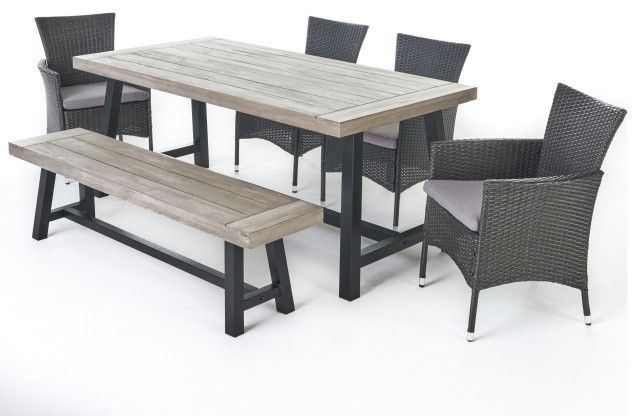
Picture this: you’re sitting on your patio, the sun is warming your face, and everything feels just right. What makes that perfect scene possible? Often, it’s the right furniture choices. When you think about maximizing your outdoor space, wicker furniture might just be your best friend. It’s not just about looking pretty though – it’s about creating a place where you actually want to spend time. From small balconies to sprawling backyards, the right wicker pieces can make all the difference.
Outdoor living spaces have become essential parts of our homes, offering a bridge between indoor comfort and nature’s embrace. But making these areas truly work for us requires smart planning and thoughtful choices. Wicker furniture stands out as one of the most versatile solutions for maximizing outdoor space. Whether you’re dealing with limited square footage or want to create distinct zones within a larger area, wicker offers flexibility that other materials simply can’t match. The secret lies in understanding how to choose, arrange, and maintain these pieces to get the most from your outdoor investment. Think of wicker as the chameleon of outdoor furniture – it adapts to different spaces, styles, and needs while maintaining its charm and durability.
The Versatility of Wicker Materials
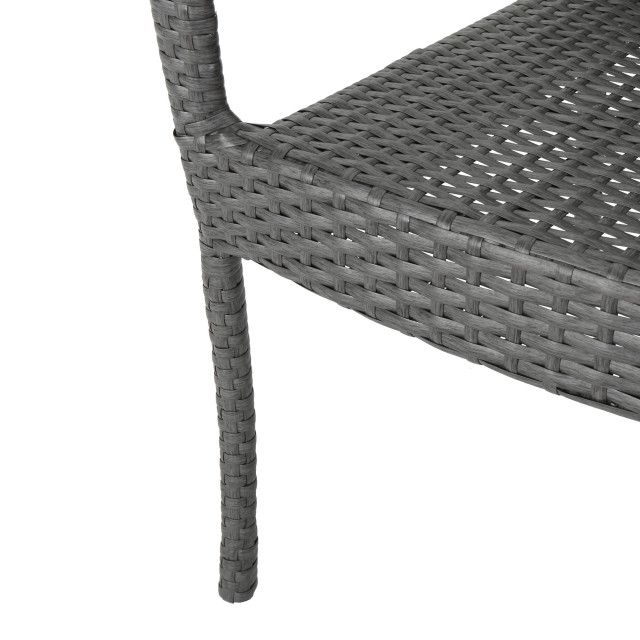
Wicker isn’t just about traditional rattan or willow weaving anymore. Today’s market offers an incredible variety of materials that can handle outdoor conditions beautifully. Natural wicker comes in many forms – from classic cane to synthetic alternatives that mimic the look while offering better weather resistance. Synthetic wicker, often made from polyethylene or polyvinyl chloride, provides excellent longevity and minimal maintenance requirements. These modern materials resist fading, water damage, and even insect infestations. The key is knowing which type suits your climate and lifestyle best. For instance, if you live in a humid environment, synthetic wicker might be your safest bet. If you prefer the authentic look and feel, natural wicker treated properly can last decades. The beauty of choosing wicker is that it can be used for everything from seating arrangements to storage solutions. A well-chosen wicker chair can serve as both a comfortable spot to relax and a stylish accent piece. You can even find wicker storage boxes that blend seamlessly with your outdoor decor while keeping everything organized. This adaptability means you’re not just buying furniture – you’re investing in a flexible solution that grows with your needs.
Space-Saving Design Strategies
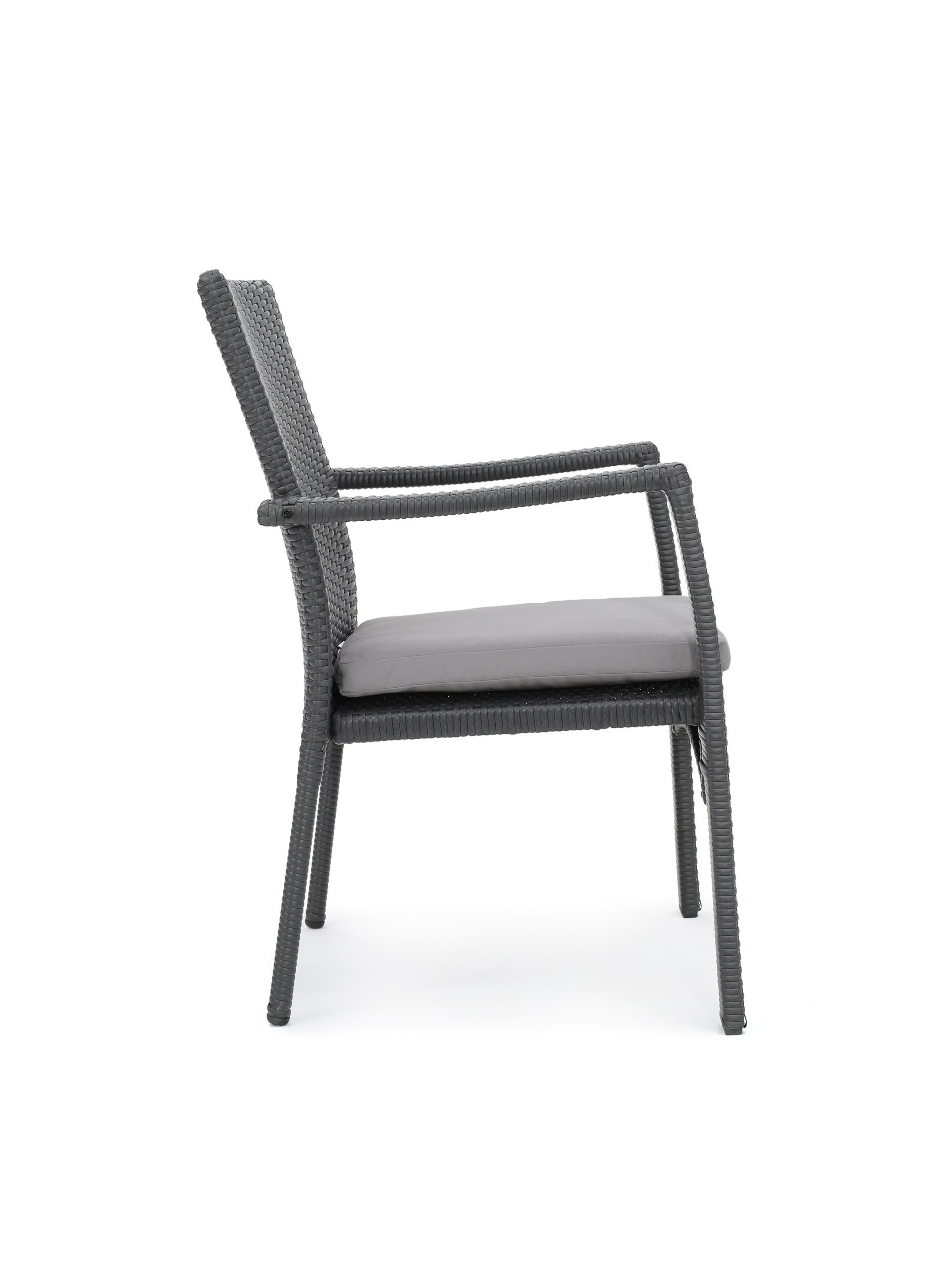
Small outdoor areas don’t mean small possibilities. Smart design choices with wicker furniture can make even the tiniest patios feel spacious and functional. Multi-functional pieces are absolute game-changers. Consider a wicker dining set that folds away when not in use, or a coffee table with built-in storage compartments. The trick is to choose pieces that serve multiple purposes without sacrificing comfort or style. Stackable chairs and ottomans allow you to maximize seating while minimizing footprint when needed. Think about vertical space too – wicker wall-mounted shelves can display plants, books, or decorative items without taking up precious floor area. For those with very limited space, consider wicker pieces that can be easily moved around. A lightweight wicker bench can be positioned differently depending on the day’s activities. Sometimes, the most effective way to maximize space is to avoid overcrowding. Leave some breathing room in your arrangement. You don’t need to fill every inch of your outdoor area. Sometimes, empty space can be just as important as filled space for creating a welcoming atmosphere. Creating defined zones within your space also helps make the most of limited square footage. A small wicker dining set can define one area, while a wicker lounge chair creates a separate relaxation zone. This zoning approach makes your space feel bigger and more organized than if everything were crammed together.
Creating Functional Zones
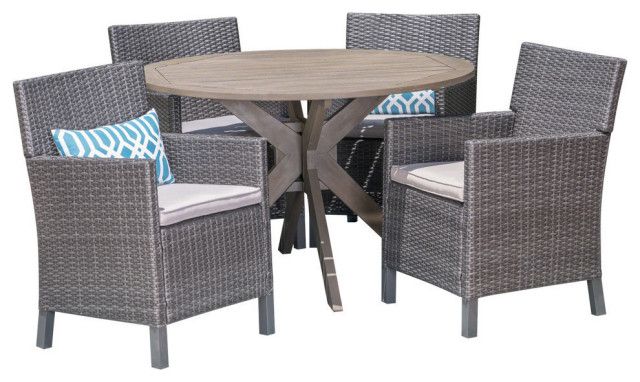
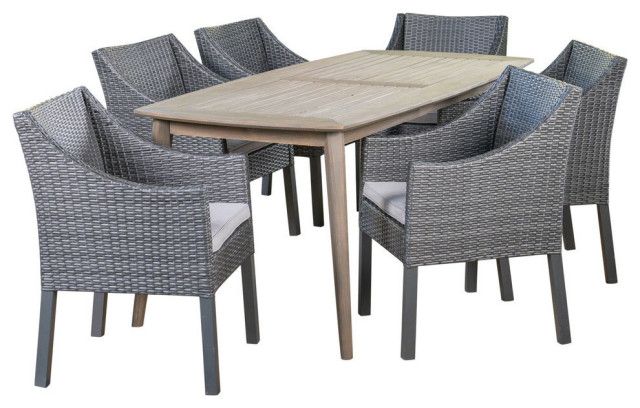
Transforming your outdoor area into a multi-use space requires careful planning and strategic placement of wicker furniture. Start by identifying what activities you want to accommodate in your space. Do you entertain guests regularly? Need a quiet reading nook? Want a place for children to play? Each activity requires different furniture arrangements. A dining zone might feature a wicker table with matching chairs, while a lounging area could include wicker armchairs and a wicker side table. The beauty of wicker is that it works well across different zones because of its adaptable nature. You can use similar wicker styles throughout your space to create visual continuity. For example, using the same wicker texture and color scheme for dining chairs and lounge chairs creates a cohesive look that ties everything together. Consider how traffic flows through your space when arranging furniture. Make sure pathways remain clear for easy movement. A wicker dining table might be positioned to allow for walking around it, while a wicker sofa arrangement should provide enough space for people to move freely. Don’t forget about practical elements like shade and shelter. A wicker pergola or awning can create a covered area that allows for year-round enjoyment. These additions not only extend your usable space but also protect your furniture from harsh weather conditions.
Weather Resistance and Longevity
One common concern with outdoor furniture is how it handles the elements. Wicker, when properly selected and maintained, can handle various weather conditions remarkably well. Natural wicker requires more care but can last for generations with proper treatment. Many manufacturers now offer wicker furniture specifically designed for outdoor use. These pieces often come with UV protection to prevent fading and weather-resistant treatments to handle moisture. Synthetic wicker has become particularly popular because of its low maintenance requirements. It typically doesn’t require special treatments and can handle rain, sun, and temperature changes without significant damage. The key to maximizing the life of your wicker furniture lies in understanding its specific needs. Regular cleaning with mild soap and water helps remove dirt and debris that can cause deterioration over time. For synthetic wicker, simply rinsing with water and letting it air dry usually suffices. Some wicker pieces benefit from periodic applications of protective coatings or sealants. These treatments help maintain the material’s appearance and prevent weather-related damage. Proper storage during extreme weather conditions can also extend furniture life. Covering furniture during winter months or storing it indoors when possible helps preserve its condition. The investment in quality wicker furniture pays off in longevity, especially when compared to cheaper alternatives that may need frequent replacement.
Styling and Aesthetic Integration
How you style your wicker furniture can make or break the overall look of your outdoor space. The key is finding the right balance between functionality and visual appeal. Wicker’s natural texture and organic feel make it incredibly versatile for different design aesthetics. Whether you prefer a rustic countryside look or a sleek modern design, there’s likely a wicker style that fits your vision. Color plays a crucial role in achieving the desired aesthetic. Neutral tones like beige, brown, and gray tend to blend well with most outdoor settings. However, bolder colors can create striking focal points if used strategically. Consider how your wicker pieces interact with other materials in your space. Wood accents, stone elements, or metal fixtures can complement wicker beautifully. The contrast between textures adds depth and visual interest to your outdoor area. Don’t overlook the power of accessories in enhancing wicker’s appeal. Pillows, throws, and outdoor rugs can add color and comfort while protecting the furniture from wear. Plants are perhaps the most important accessory for wicker furniture. They bring life and color to your space while providing natural privacy screening. Hanging planters can add height and dimension to your wicker arrangements. The combination of wicker furniture and greenery creates a natural, inviting atmosphere that draws people into your outdoor space. Lighting also enhances the styling potential of wicker pieces. String lights, lanterns, or candles can create a warm ambiance that makes evening outdoor gatherings more enjoyable. These elements help transform your wicker furniture from functional pieces into statement elements that define your outdoor personality.
Maintenance Tips for Longevity
Proper care ensures that your wicker furniture remains beautiful and functional for years to come. Regular maintenance doesn’t have to be time-consuming or complicated. Simple weekly checks can prevent bigger problems later. Clean your wicker furniture monthly with a soft brush or cloth to remove dust and debris. Pay special attention to crevices where dirt tends to accumulate. For deeper cleaning, use mild soap and water, then rinse thoroughly and allow to air dry completely. Avoid using harsh chemicals or abrasive cleaners that might damage the wicker fibers. Protect your furniture from extreme weather conditions when possible. Covering pieces during storms or heavy rain helps prevent water damage and fading. During winter months, consider storing lighter wicker pieces indoors or using heavy-duty covers. Some wicker furniture benefits from periodic reapplication of protective treatments. These treatments help maintain the material’s appearance and resistance to environmental factors. Check for loose or damaged components regularly and address them promptly. Small repairs can prevent bigger issues down the road. If you notice fading or discoloration, it might be time to apply a fresh coat of protective finish. Professional cleaning services are available for heavily used or delicate wicker pieces. These services can restore the furniture’s appearance and extend its useful life significantly. Keeping a maintenance schedule helps you stay ahead of potential problems. Having a simple system for checking and caring for your wicker furniture makes the process routine rather than overwhelming. Remember that prevention is always easier and less expensive than repair after damage occurs.
Maximizing your outdoor living area with versatile wicker furniture is about more than just filling space – it’s about creating a functional, beautiful environment that enhances your daily life. The right selection of wicker pieces can transform even the smallest patio into a comfortable retreat. By understanding the different types of wicker materials, thinking creatively about space usage, and implementing proper maintenance practices, you can enjoy your outdoor furniture for many years. The key is to approach your outdoor space with intention and creativity. Don’t just scatter furniture around – plan how each piece contributes to your overall vision. Whether you’re entertaining guests or simply relaxing alone, wicker furniture provides the foundation for memorable outdoor experiences. Remember that your outdoor space is an extension of your home, so treat it with the same care and thoughtfulness you’d give any interior room. With proper planning and the right wicker pieces, your outdoor living area can become the most cherished part of your home.