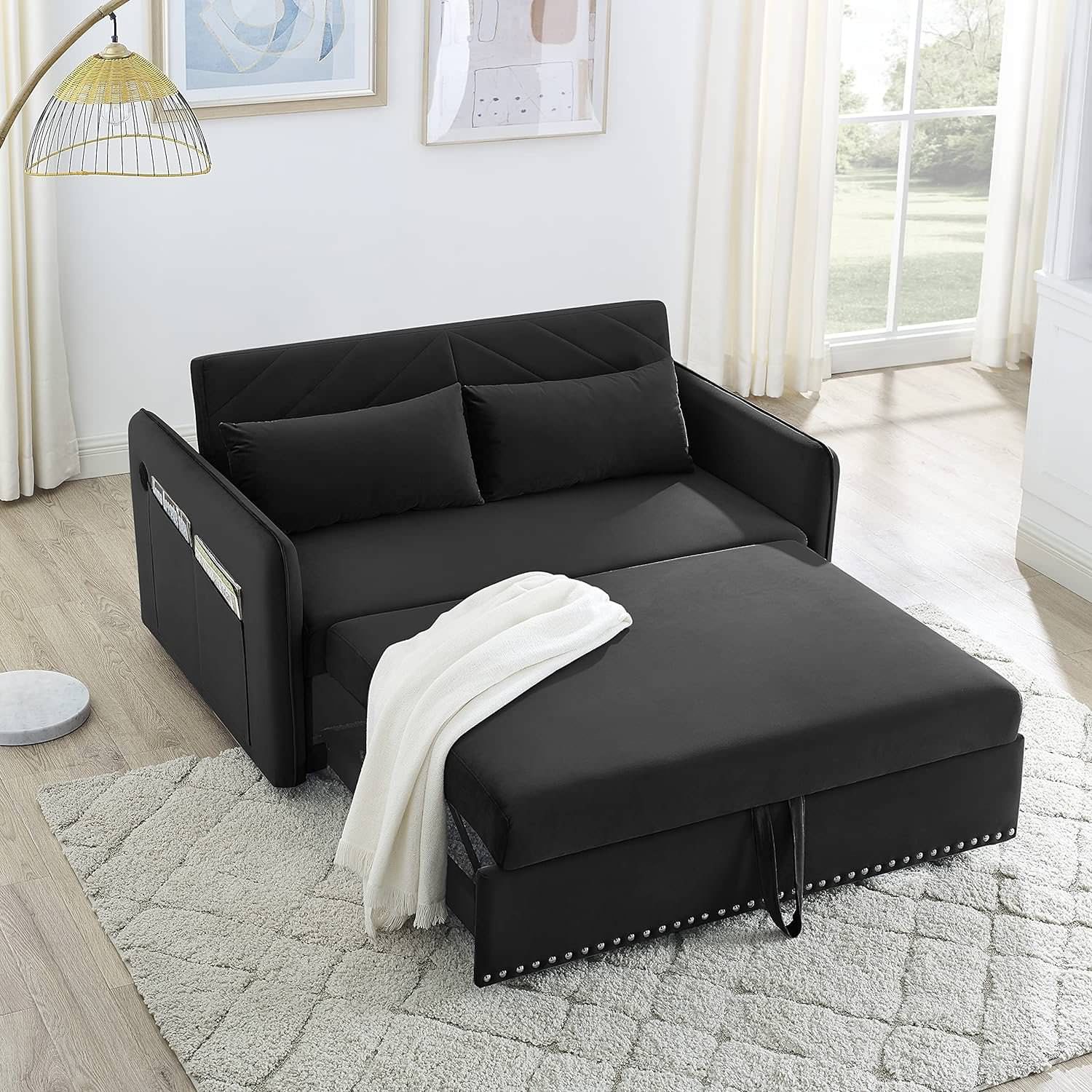
In today’s world, where urbanization and smaller living spaces are becoming the norm, the ability to maximize both space and functionality in our homes has never been more crucial. Whether you’re dealing with a cramped studio apartment or a modest family home, understanding how to cleverly arrange and utilize every inch of your living area can transform your daily experience. This isn’t just about making things fit; it’s about creating environments that support your lifestyle while feeling spacious and organized.
Picture this: You walk into your living room and feel instantly relaxed, yet everything has its place and purpose. The space feels open despite being small, and there’s no clutter overwhelming your senses. This isn’t magic – it’s the result of thoughtful design and smart planning. Every square foot matters in modern living, especially when we’re facing increasing housing costs and limited space options. The challenge lies not in having more room, but in making the most of what we already have. From innovative storage solutions to multi-functional furniture, the right approach can completely change how you experience your home.
Understanding Modern Living Space Constraints
The contemporary lifestyle presents unique challenges that previous generations rarely faced. Urban living has become the dominant trend, with more people moving to cities where space is at a premium. According to recent housing data, over 60% of Americans now live in metropolitan areas where average apartment sizes have decreased significantly compared to decades ago. This shift means that traditional approaches to interior design no longer suffice. We’re forced to think differently about how we use space, often requiring us to consider multiple functions for single areas. For instance, a dining table might also serve as a work desk, or a hallway could double as a storage corridor. These constraints aren’t necessarily negative – they’ve pushed creativity and innovation in design forward.
Essential Design Principles for Compact Spaces
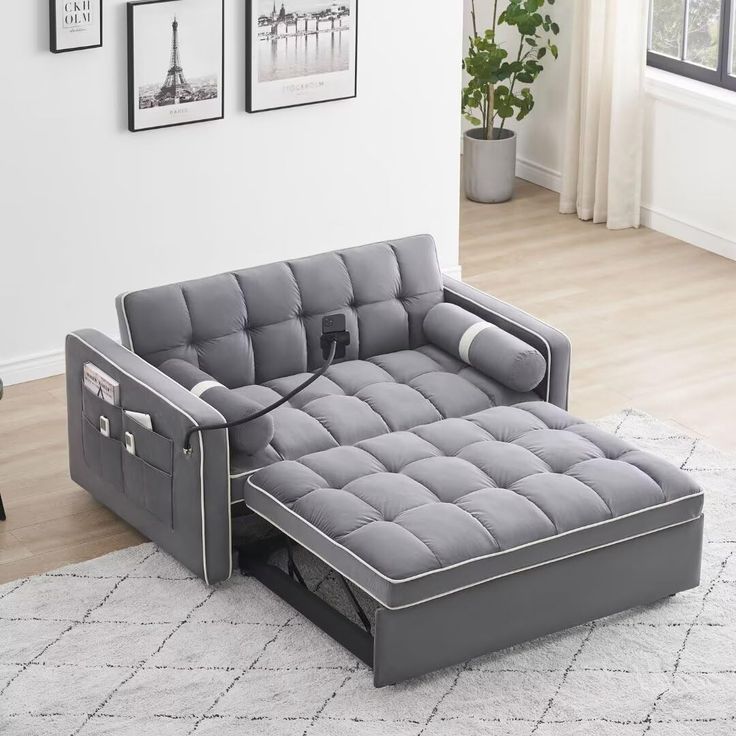
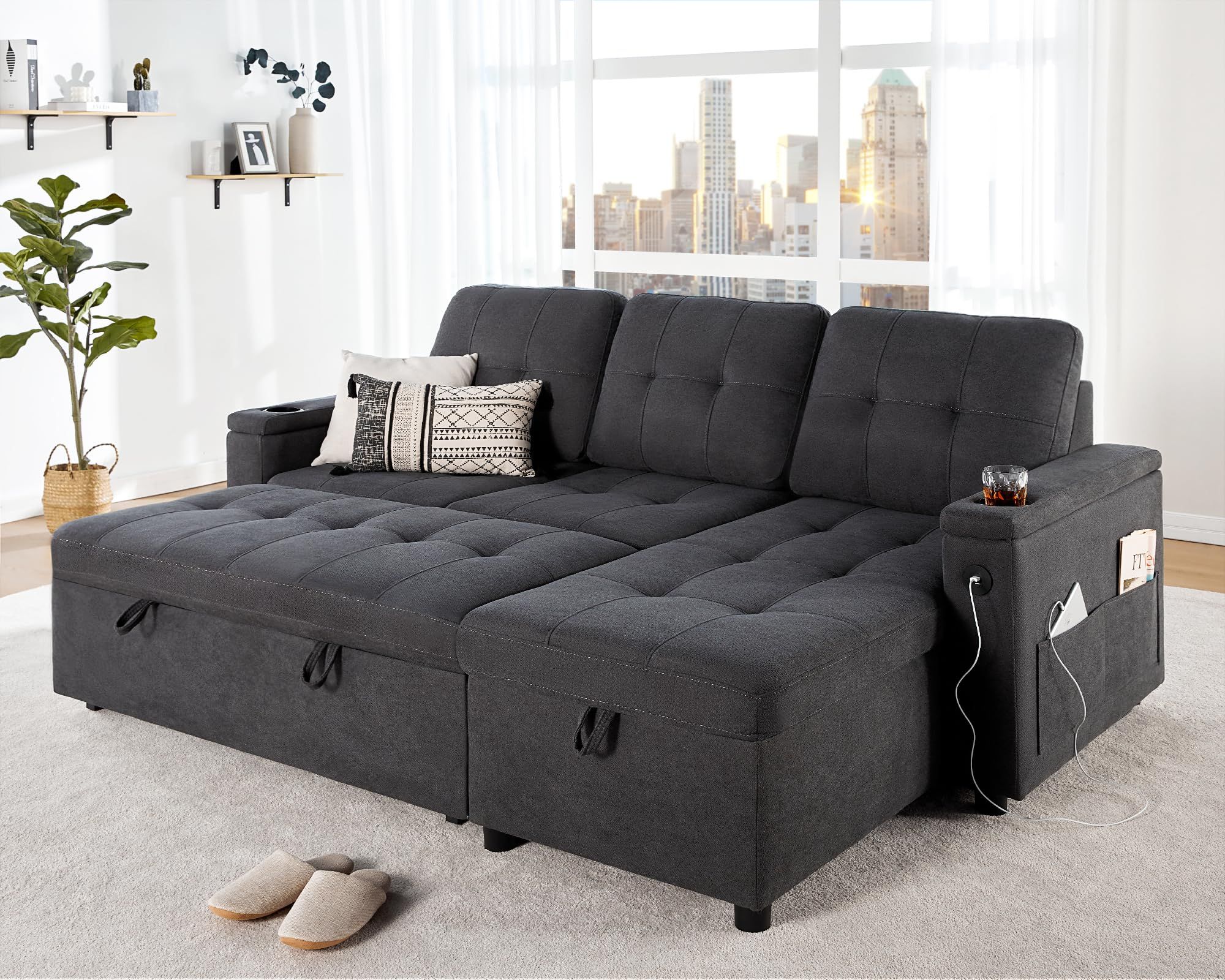
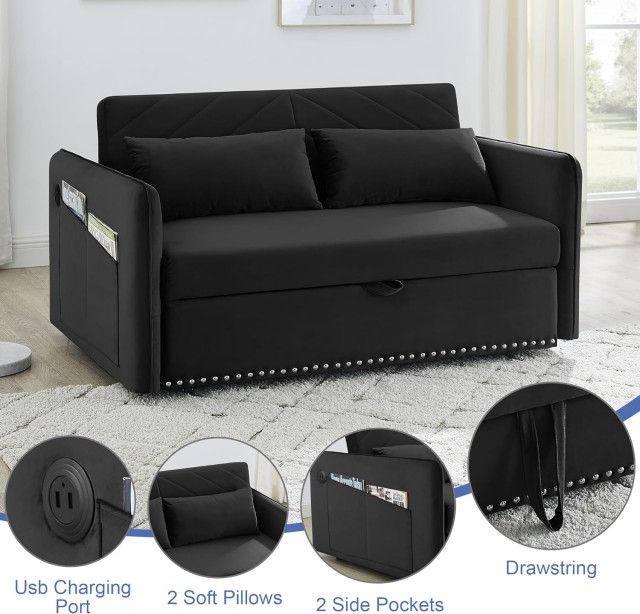
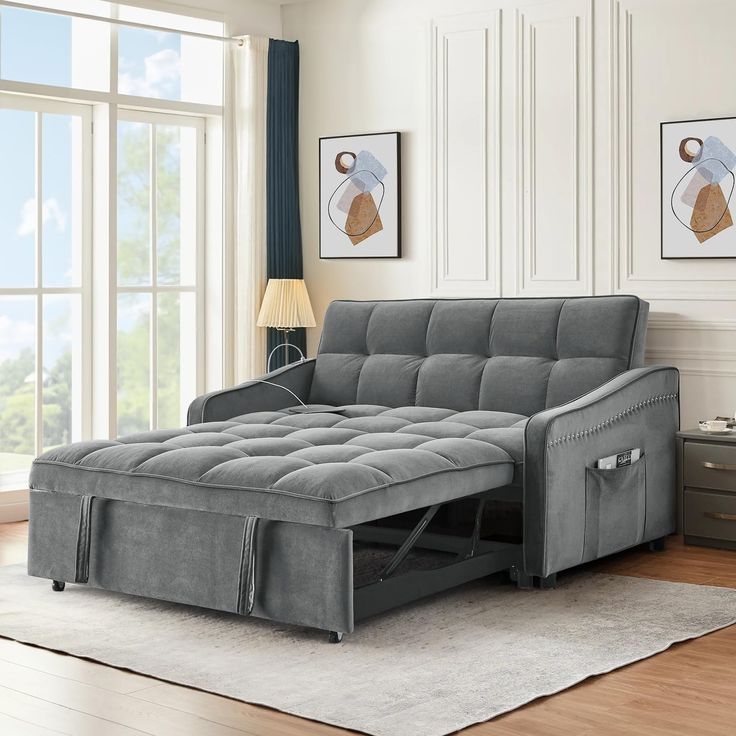
When working with limited square footage, certain fundamental principles become essential. First, embrace the concept of visual lightness. Light colors on walls and ceilings can make a room appear larger than it actually is. Consider using white or very pale shades for your main walls, and add pops of color through accessories or artwork rather than large furniture pieces. Second, prioritize vertical space. Install shelving that reaches toward the ceiling, utilize wall-mounted storage solutions, and think about how you can use the full height of your rooms. Third, choose furniture carefully. Look for pieces that serve dual purposes – a coffee table with hidden storage, a sofa bed that can accommodate guests, or ottomans that double as extra seating and storage units. These choices directly impact how much usable space you have available.
Smart Storage Solutions That Work
Storage solutions in compact living spaces require creativity and strategic thinking. One effective approach is to utilize every available surface. Floating shelves can hold books and decorative items without taking up floor space, while corner units can maximize those often-wasted angles. Under-bed storage containers are excellent for seasonal clothing or extra bedding, and they’re easily accessible when needed. Another powerful strategy involves using furniture with built-in storage. Many modern sofas come with storage compartments, and storage benches can provide seating while keeping blankets and pillows organized. Consider also installing custom cabinetry that matches your room’s aesthetic rather than opting for generic storage units. The key is to keep storage solutions integrated into the overall design rather than appearing like afterthoughts.
Multi-Functional Furniture: The Game Changer
Perhaps no single element has revolutionized compact living more than multi-functional furniture. These pieces can completely transform how you use your space by serving several purposes simultaneously. A dining table that folds down from a wall during the day can create a dedicated workspace in the evening. Coffee tables with built-in drawers or compartments can store remote controls, magazines, and other essentials. Ottomans that convert to additional seating or even beds provide flexibility that was unimaginable in older housing designs. Even simple items like nesting tables can be stacked when not in use, saving significant space. When selecting such furniture, focus on quality over quantity – investing in well-made pieces that truly serve multiple functions will pay dividends over time.
Lighting Strategies for Visual Expansion
Lighting plays a crucial role in how we perceive space. Proper lighting can make a small room feel airy and expansive, while poor lighting can make even a large space feel cramped and dark. Natural light should always be maximized – keep windows unobstructed and use sheer curtains that allow sunlight to filter through. Artificial lighting needs careful consideration too. Layer different types of lights throughout your space – ambient lighting for general illumination, task lighting for specific activities, and accent lighting to highlight features or create atmosphere. Dimmer switches are particularly valuable because they allow you to adjust the mood and perceived size of a room. Table lamps and floor lamps can create focal points while providing necessary illumination without overwhelming the space.
Practical Tips for Daily Organization
Beyond the initial design decisions, maintaining an organized space requires ongoing attention and practical systems. Start by establishing clear zones within your living area – designate specific areas for dining, working, relaxing, and entertaining. This helps prevent items from being scattered throughout the space. Use drawer organizers, shelf dividers, and storage bins to keep similar items together and easily accessible. Implement the ‘one in, one out’ rule – whenever you bring something new into your space, remove something old that you no longer need. Regular decluttering sessions, perhaps monthly or quarterly, help maintain the feeling of openness and reduce stress. Consider digital organization systems too – apps for managing household tasks, recipes, and documents can reduce physical clutter while maintaining access to information.
Maximizing space and functionality in modern living areas isn’t about sacrificing comfort for efficiency – it’s about finding harmony between the two. The key is recognizing that constraints can be opportunities for innovation. By embracing smart design principles, choosing versatile furniture, and implementing effective storage solutions, anyone can create a living space that feels both spacious and functional. The journey toward optimizing your home environment is ongoing, but each small change contributes to a larger transformation. Whether you’re renovating a small apartment or simply reorganizing a bedroom, remember that the goal isn’t to have everything in its place, but to have everything in its proper place. The result? A home that supports your lifestyle while making every moment feel more comfortable and enjoyable.