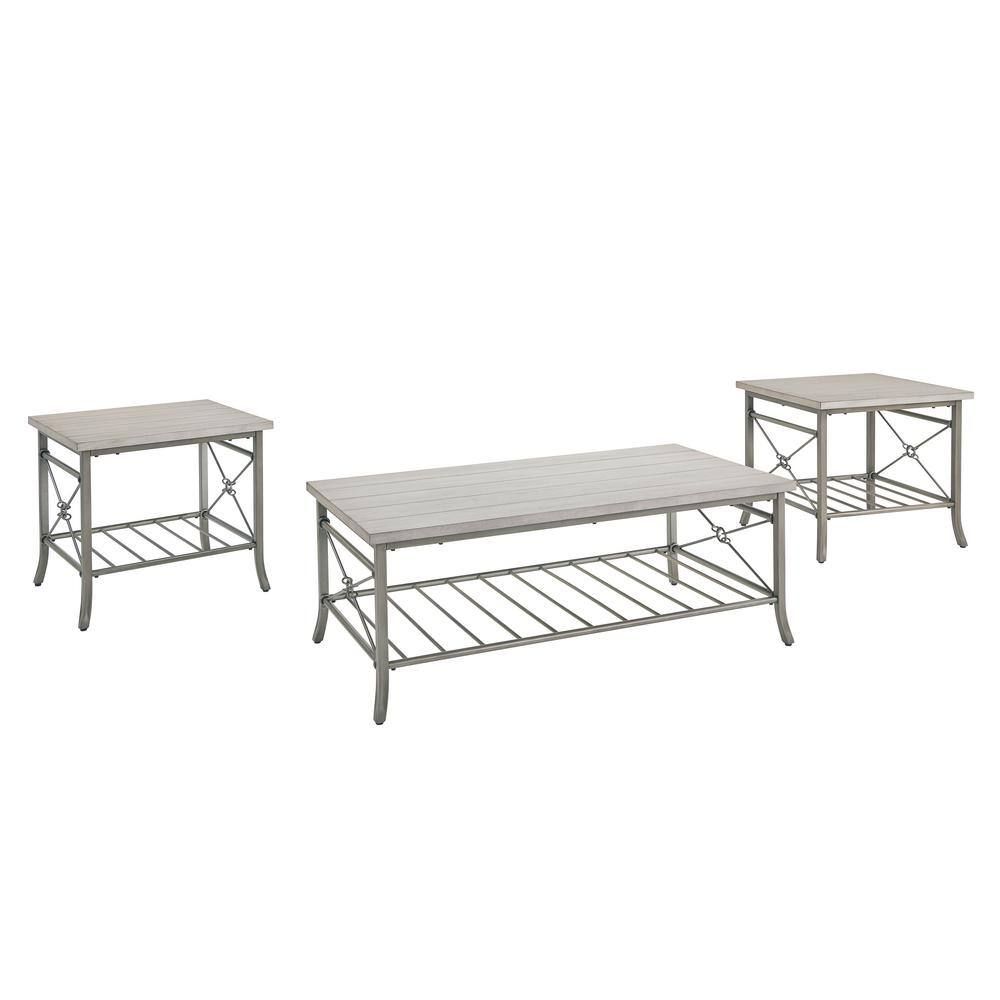
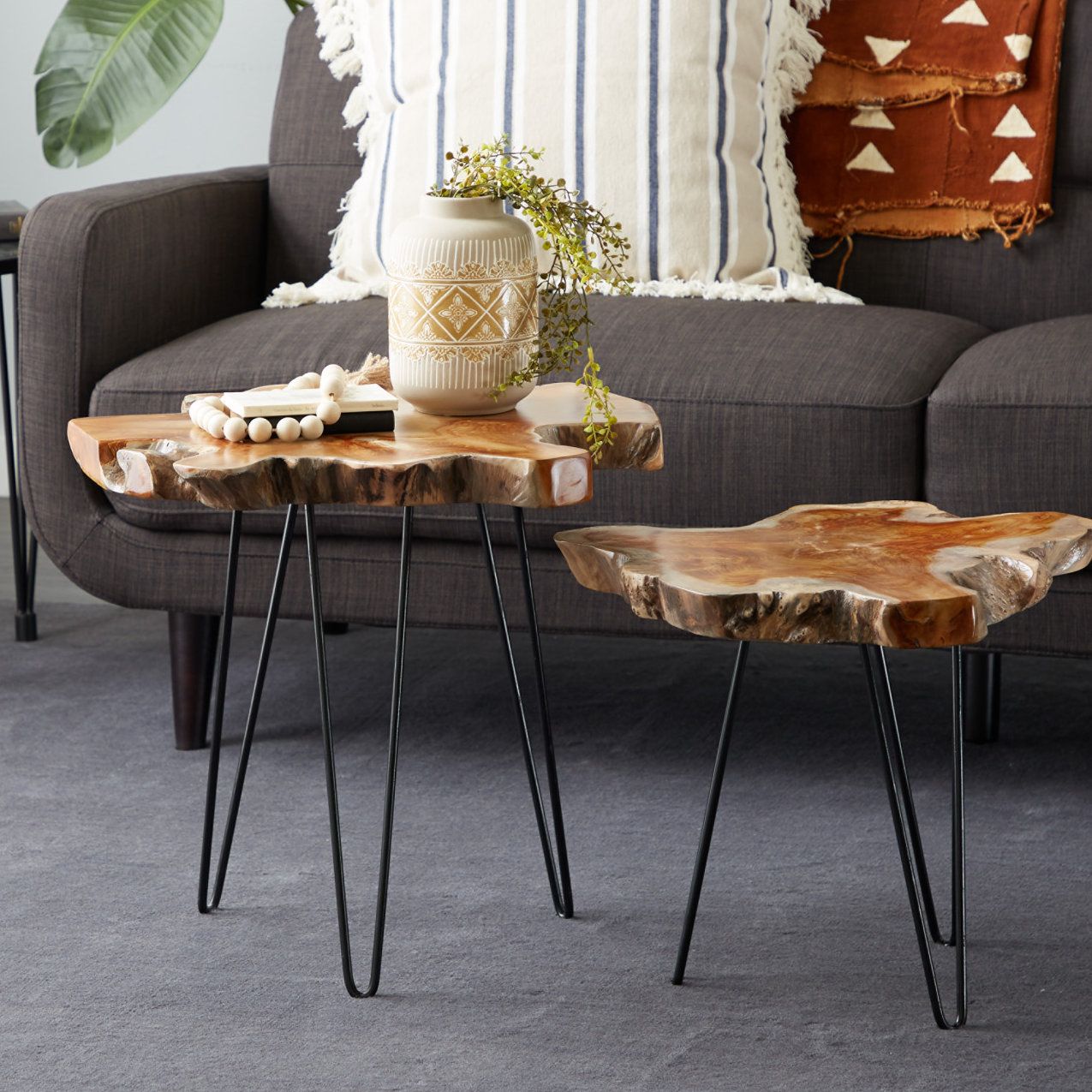
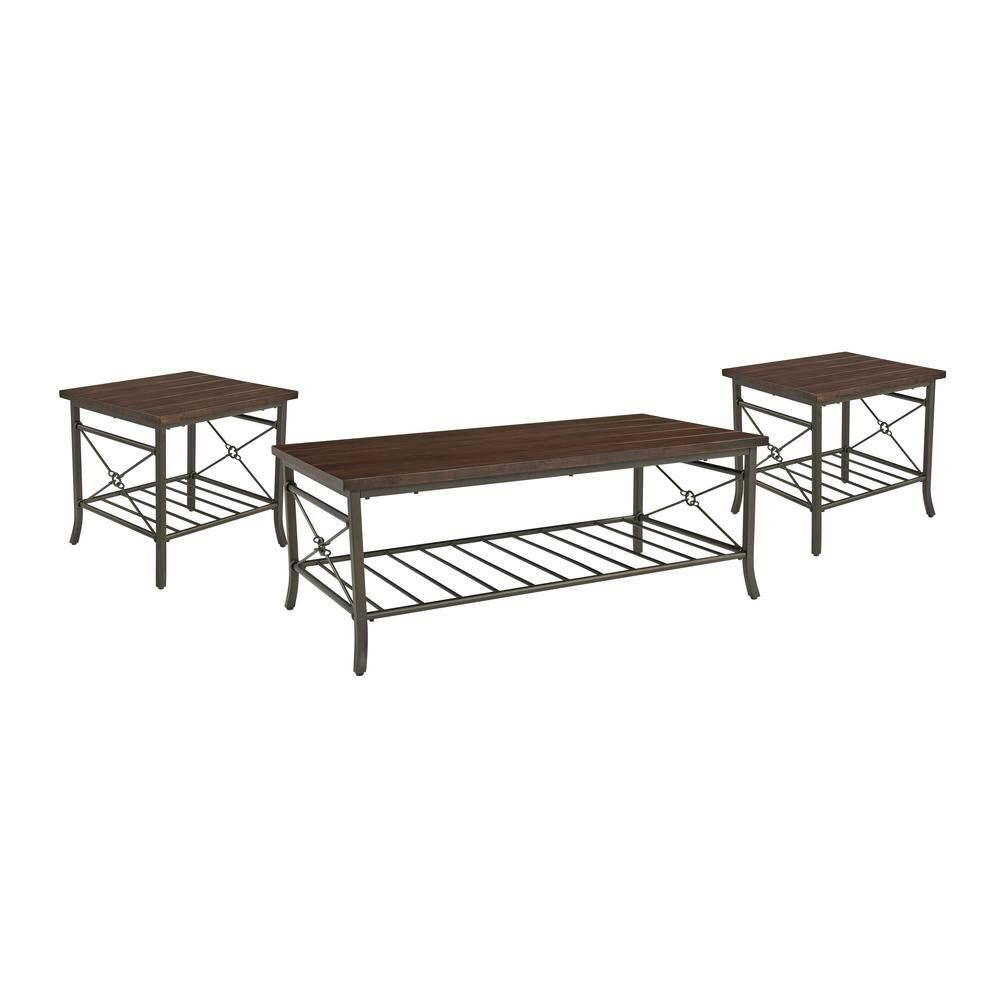
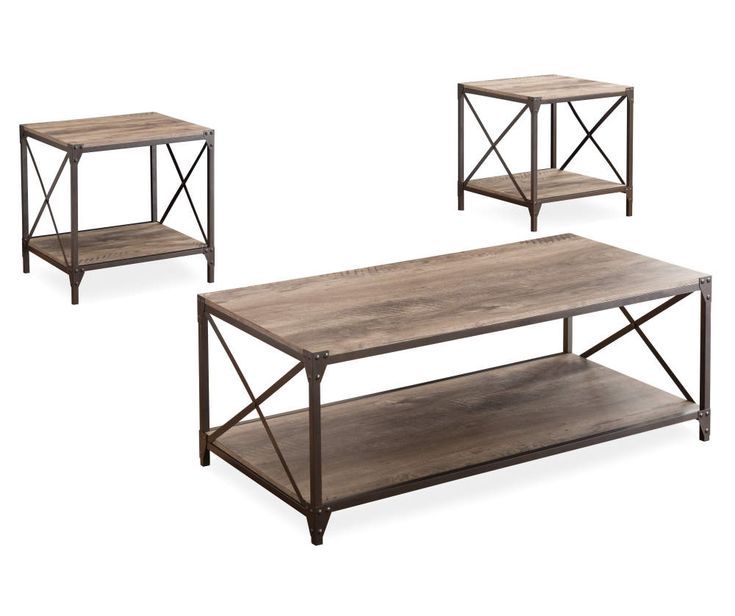
In a world filled with mass-produced furniture, there’s something deeply satisfying about pieces that tell a story of careful attention to detail. The Linon Anders 3 Piece table collection stands as a testament to this philosophy. What makes these tables special isn’t just their appearance, but the intricate journey they take from raw materials to finished masterpieces.
When you first encounter the Linon Anders 3 Piece table collection, you’re struck by its clean lines and natural beauty. But beneath that polished surface lies a fascinating narrative of traditional woodworking techniques combined with contemporary design sensibilities. These aren’t just tables; they’re heirlooms-in-the-making. Every piece represents countless hours of dedication from craftspeople who understand that true quality comes from patience and precision. The collection speaks to those who appreciate furniture that doesn’t just sit in a room, but becomes part of its character and history.
The Foundation: Material Selection and Preparation
The journey begins long before any saw cuts are made. Linon Anders artisans source their wood with the same care one might reserve for choosing ingredients for a fine meal. They seek out timber that tells a story – whether it’s oak with distinctive grain patterns or maple with subtle color variations. The wood must be properly seasoned, often taking months or even years to dry naturally. This preparation phase is crucial because moisture content directly affects how the final piece will age and behave over time. A table that’s built with improperly dried wood might warp, crack, or change shape within just a few years. The craftsmen inspect each piece carefully, looking for defects, checking grain direction, and ensuring consistency across all components.
Traditional Techniques Meet Modern Precision
What sets these tables apart is how they blend ancient woodworking wisdom with modern tools. Hand carving and traditional joinery methods still form the backbone of construction, but computer-aided design ensures precise measurements and consistent results. The mortise and tenon joints, a technique used for centuries, provide strength that rivets or screws simply cannot match. These joints are cut by hand using specialized tools, then fitted together with such precision that no glue is necessary. The craftsmen work with their hands, feeling the resistance and adjusting their approach accordingly. It’s a skill passed down through generations, requiring not just technical knowledge but an intuitive understanding of wood’s natural properties.
The Art of Surface Finishing
Once the structure is complete, comes perhaps the most delicate phase – finishing. The Linon Anders team uses natural oils and waxes rather than synthetic alternatives, allowing the wood to breathe while providing protection. Each table receives multiple coats, with sanding between each layer to ensure smoothness. The finish process can take several days for a single piece, as artisans apply thin layers and let them cure fully. Some tables receive a hand-rubbed treatment that brings out the wood’s natural luster. The result is a surface that feels smooth to touch but maintains its organic character. You can actually see the wood’s grain pattern emerge as the finish settles, creating a unique visual experience with every angle.
Attention to Detail That Makes the Difference
The magic happens in the details. Consider the feet of these tables – they’re not just functional elements but artistic statements. Each leg is individually shaped and sanded to complement the overall design. Some feature subtle curves that catch light beautifully, while others maintain clean geometric lines. The tabletop edges receive special treatment too, with rounded corners that are both safe and elegant. Even the hardware, when present, is chosen specifically to enhance rather than compete with the natural beauty of the wood. The table’s weight distribution is carefully considered, ensuring stability without sacrificing visual lightness. These considerations show that the makers aren’t just building furniture – they’re creating experiences.
Quality Control and Final Inspection
Before any table leaves the workshop, it undergoes rigorous testing. Craftsmen check for structural integrity, examine the finish for imperfections, and verify that dimensions match specifications exactly. Tables are placed under load tests to ensure they can handle daily use without flexing or creaking. The inspection process involves multiple people, each bringing their own perspective and expertise. Someone might spot a slight misalignment in the joint, another notice a tiny imperfection in the finish, and a third ensure the table sits perfectly level. This multi-person review system catches issues that might otherwise go unnoticed, guaranteeing that customers receive only the finest products.
The Human Element: Stories Behind Each Piece
Every table carries the story of its maker. The Linon Anders collection reflects not just technical skills but personal investment in quality. When you purchase one of these tables, you’re not just buying a product; you’re supporting artisans who view their work as a form of art. The craftsmen often name their favorite pieces or note interesting characteristics they discovered during construction. Some tables have small imperfections that add character rather than detract from beauty. These marks of humanity remind us that perfection isn’t always the goal – sometimes the most beautiful things come from embracing natural variation and the honest expression of human effort.
The Linon Anders 3 Piece table collection represents more than furniture; it embodies a philosophy that quality matters. Every stage of creation, from selecting the right wood to applying the final finish, reflects deep respect for materials and craftsmanship. These tables don’t just occupy space in your home – they contribute to the atmosphere, telling stories through their design and construction. For those who appreciate the intersection of tradition and innovation, these pieces offer something rare: a tangible connection to skilled craftsmanship that’s becoming increasingly rare in our fast-paced world. When you look at one of these tables, you’re seeing the result of someone’s dedication to doing things right, even when nobody’s watching.