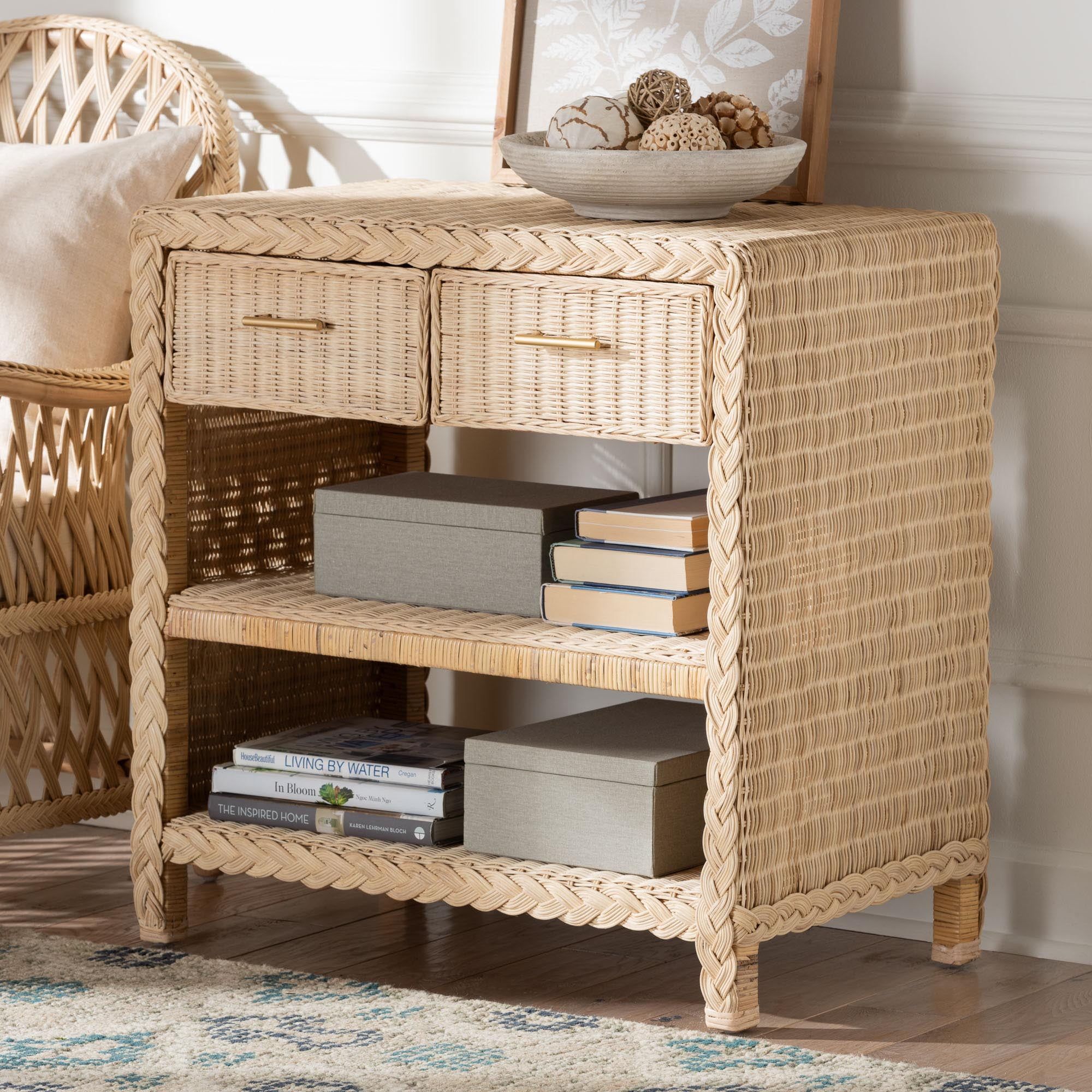
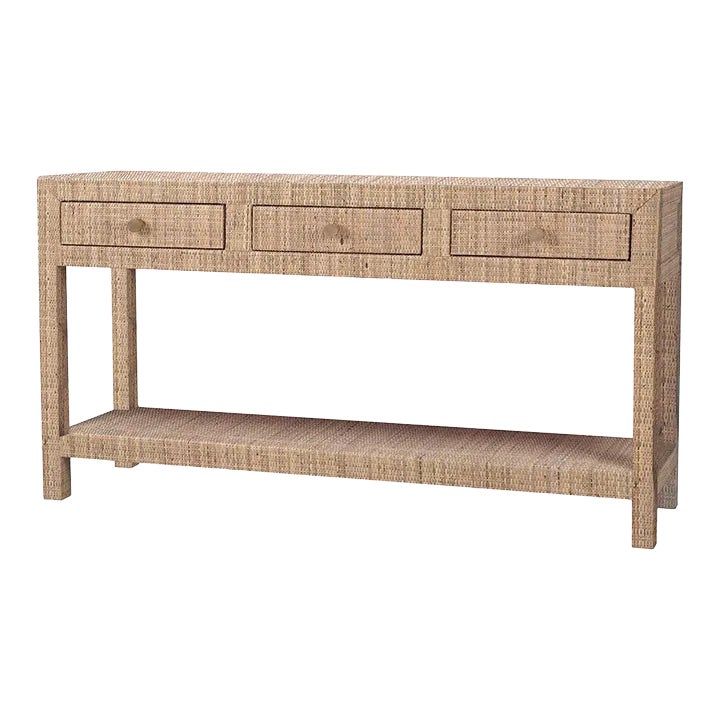
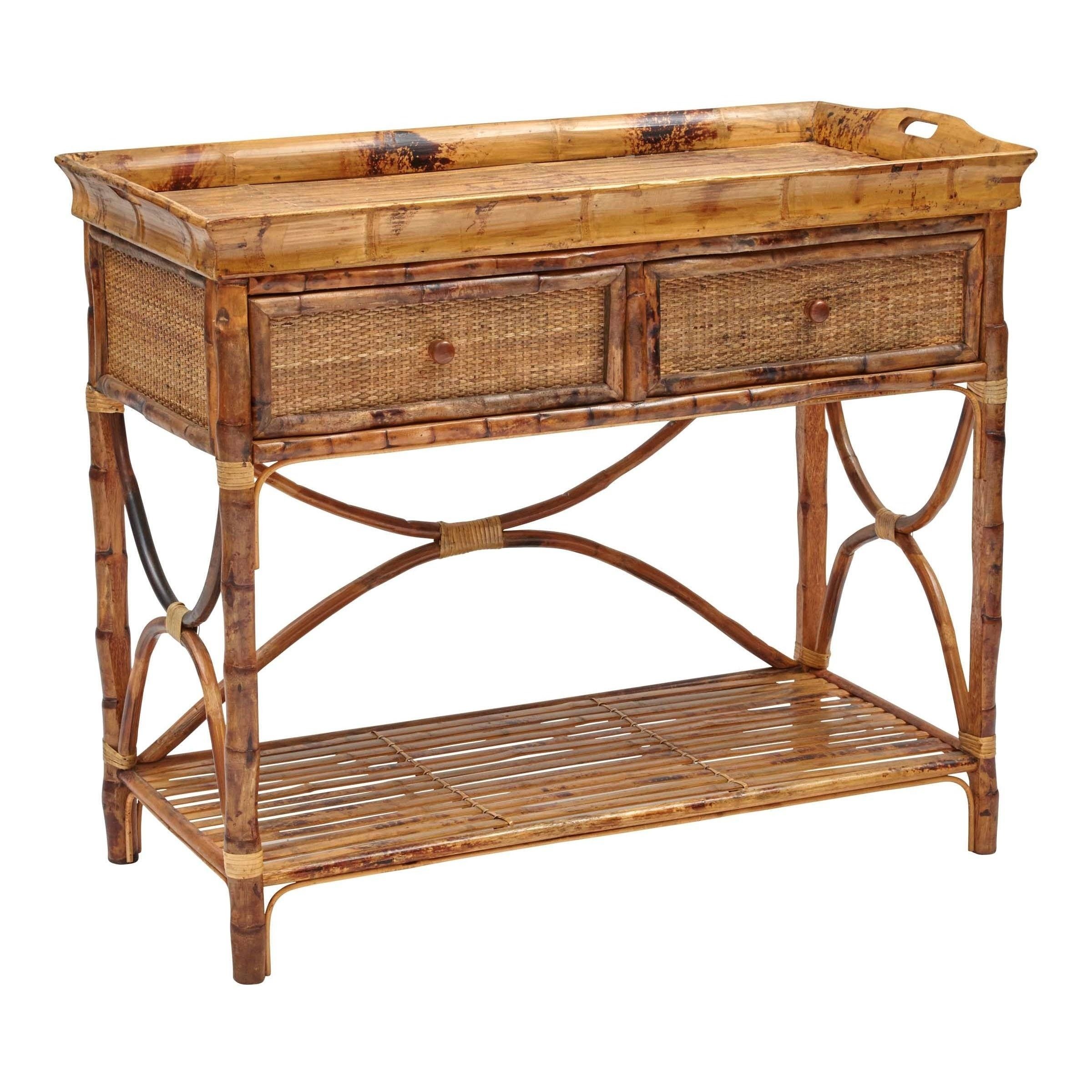
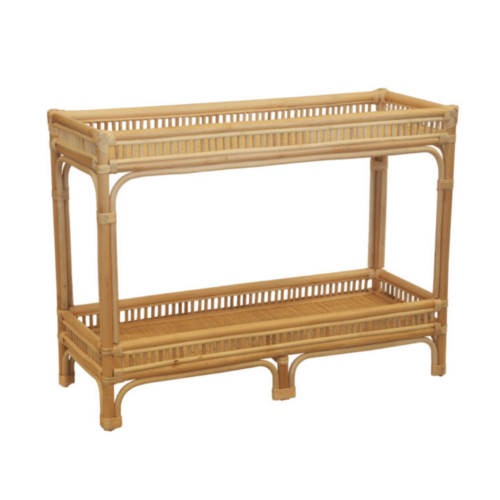
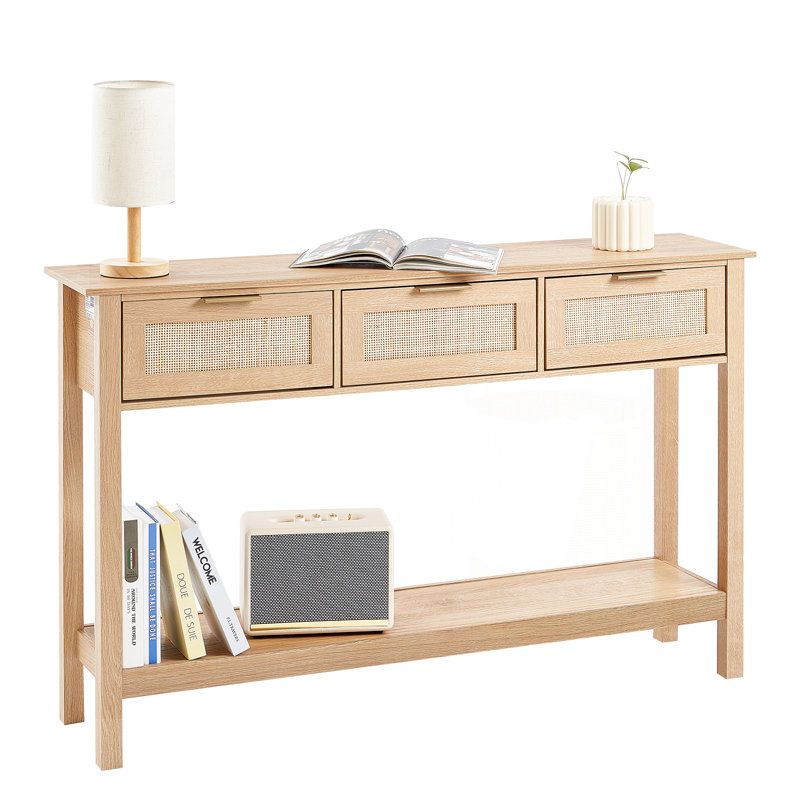
Imagine walking into a room and seeing a piece of furniture that seems to whisper stories from distant lands. That’s exactly what happens when you encounter Natalia’s Natural Rattan Console Table. It’s not just a piece of furniture – it’s a bridge between cultures, traditions, and the quiet moments that make life beautiful.
In a world filled with mass-produced items that feel interchangeable, one particular piece stands out with its authenticity and soul. The Natural Rattan Console Table designed by Natalia isn’t just about aesthetics – it’s about connection. This isn’t merely a table that sits in your entryway. It’s a conversation starter, a nod to craftsmanship, and a reminder that some things are worth slowing down for. When we talk about this table, we’re really talking about a movement, a philosophy, and a way of seeing beauty in simplicity.
The Origins of Rattan in Home Design
Rattan, the plant that gives our table its foundation, has been around for millennia. Originally from Southeast Asia, this versatile vine has been used for everything from baskets to furniture. What makes rattan so special isn’t just its strength – it’s its ability to adapt and transform. When you look closely at the natural fibers, you see evidence of countless generations of artisans who have perfected their craft. The texture tells stories of sun-drenched plantations and hands that have shaped raw materials into functional art.
In many cultures, rattan represents sustainability and connection to nature. It grows quickly, requires minimal resources, and can be harvested without harming the plant itself. This makes it an environmentally friendly choice that resonates with modern consumers who want their homes to reflect their values.
The journey from jungle to living room is long and involves many hands. From the moment the rattan is harvested, every step carries cultural significance. The way it’s processed, dried, and woven reflects centuries-old techniques passed down through families. These traditions are more than just methods – they’re ways of life that connect us to something much larger than ourselves.
Natalia’s Vision and Design Philosophy
Natalia didn’t just create another table – she created a statement. Her approach was rooted in understanding that good design should enhance rather than dominate a space. The Natural Rattan Console Table emerged from her desire to bring warmth and authenticity to modern homes.
What sets Natalia apart is her commitment to honoring traditional techniques while embracing contemporary needs. She studied with master craftsmen in Indonesia and Thailand, learning not just how to work with rattan, but how to respect the materials and the people who create them. Her design philosophy centers on three core principles:
• Respect for materials and their origins
• Emphasis on natural textures and organic forms
• Integration of function with aesthetic appeal
The result is a piece that feels both timeless and fresh. You’ll notice how the natural variations in the rattan create unique patterns – no two tables are exactly alike. This imperfection is actually what makes each piece special, reflecting the individuality of the person who will own it.
Cultural Impact Beyond the Home
The influence of Natalia’s table extends far beyond the confines of individual homes. It has become a symbol of cultural appreciation in interior design circles. When designers and homeowners choose this piece, they’re making a conscious decision to support traditional craftspeople and sustainable practices.
Many luxury hotels and restaurants have incorporated similar rattan elements into their spaces, recognizing the calming effect these natural materials have on guests. The table’s presence creates a sense of groundedness in environments that might otherwise feel sterile or overly modern.
Social media has amplified this cultural shift. Instagram posts featuring the table often spark conversations about heritage, craftsmanship, and the importance of choosing quality over quantity. People are sharing stories about how the table has brought families together, how it’s become a focal point for gatherings, and how it represents their values in a fast-paced world.
This ripple effect shows how one well-designed object can inspire broader changes in how we think about consumption and beauty.
Craftsmanship and Sustainability
The process behind creating a single table involves dozens of steps and multiple skilled artisans. Each rattan strand must be carefully selected, dried, and prepared before weaving begins. The craftsmen who work with this material often have generations of experience, with knowledge passed down through family lines.
What makes this sustainable is not just the material itself, but the entire production process. Traditional methods use minimal chemicals and energy, and many artisans live in rural communities where the rattan industry provides crucial income. This creates a positive cycle where economic development supports environmental conservation.
Modern sustainability challenges often focus on reducing waste, but the rattan industry demonstrates something different – it shows how traditional methods can be inherently sustainable. The plant regrows quickly, and the harvesting process doesn’t destroy the ecosystem. Even the waste materials are repurposed – leftover rattan becomes smaller items like baskets or decorative elements.
When you purchase one of these tables, you’re investing in a system that works for everyone involved – the craftspeople, the environment, and future generations.
The Emotional Connection to Natural Materials
There’s something deeply satisfying about touching a piece made from natural materials. The texture of rattan under your fingers offers a tactile experience that digital screens simply cannot replicate. This physical connection matters more than we realize.
Research in environmental psychology suggests that natural materials in our homes contribute to reduced stress and increased feelings of wellbeing. The irregularities in the rattan – the slight twists and turns – create visual interest without being overwhelming. They invite the eye to wander, to discover new details with each glance.
People often describe feeling more grounded when surrounded by natural materials. The table becomes more than a piece of furniture – it becomes part of the rhythm of daily life. It’s where keys are dropped, coffee cups are placed, and small moments of joy are created.
The emotional impact extends to how people relate to their surroundings. A rattan table can make a room feel more welcoming, more lived-in, more like a true home rather than just a space to inhabit.
Modern Applications and Versatility
While the table was designed with traditional aesthetics in mind, its versatility has surprised even its creator. Today, it appears in various settings – from minimalist apartments to rustic country homes, from commercial spaces to personal studios.
The natural proportions and organic curves of the design make it adaptable to different interior styles. It works equally well with contemporary furniture that features clean lines and neutral colors, as it does with more eclectic arrangements that celebrate bold patterns and rich textures.
One particularly interesting aspect is how the table has become a centerpiece for small spaces. In urban environments where square footage is limited, this table manages to be both functional and visually striking without overwhelming the area. It serves as a gentle anchor for the room, drawing attention without demanding it.
The table’s practical applications go beyond just holding items. Many owners use it as a display surface for books, plants, and personal mementos. The natural texture provides a lovely contrast to polished surfaces and helps create visual balance in any setting.
What’s remarkable is how the table has evolved from a simple functional item into a symbol of mindful living – a reminder that beauty doesn’t have to be complicated to be meaningful.
The story of Natalia’s Natural Rattan Console Table is ultimately about more than just furniture – it’s about intentionality, heritage, and the power of thoughtful design. Every time someone places a cup on this table or arranges a collection of objects upon it, they’re participating in a tradition that spans continents and centuries.
This isn’t just about having a pretty table in your living room. It’s about choosing quality over quantity, sustainability over convenience, and connection over impersonal mass production. The table serves as a daily reminder that there’s still beauty to be found in the simple things when we take the time to appreciate them.
As we continue to navigate a world that often feels disconnected and rushed, pieces like this table offer a path back to what truly matters – the human touch, the natural world, and the quiet satisfaction that comes from owning something that’s both beautiful and meaningful. The rattan table may seem like a small thing, but it represents a big idea: that our homes should reflect our values, not just our preferences. And in that simple truth lies its greatest significance.