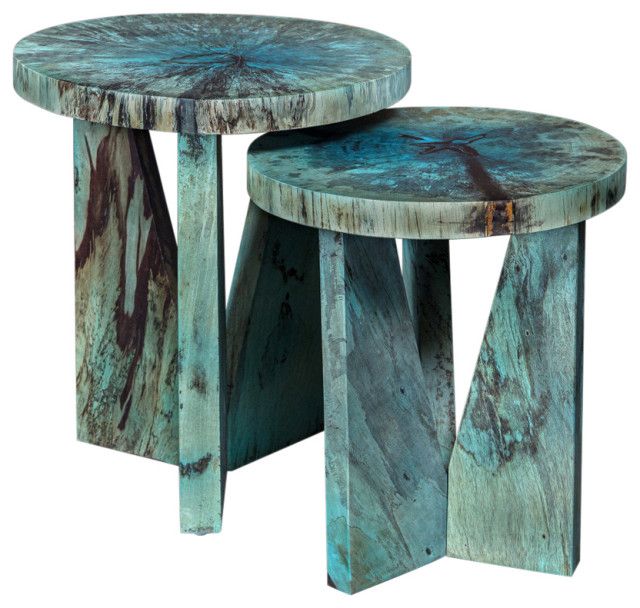
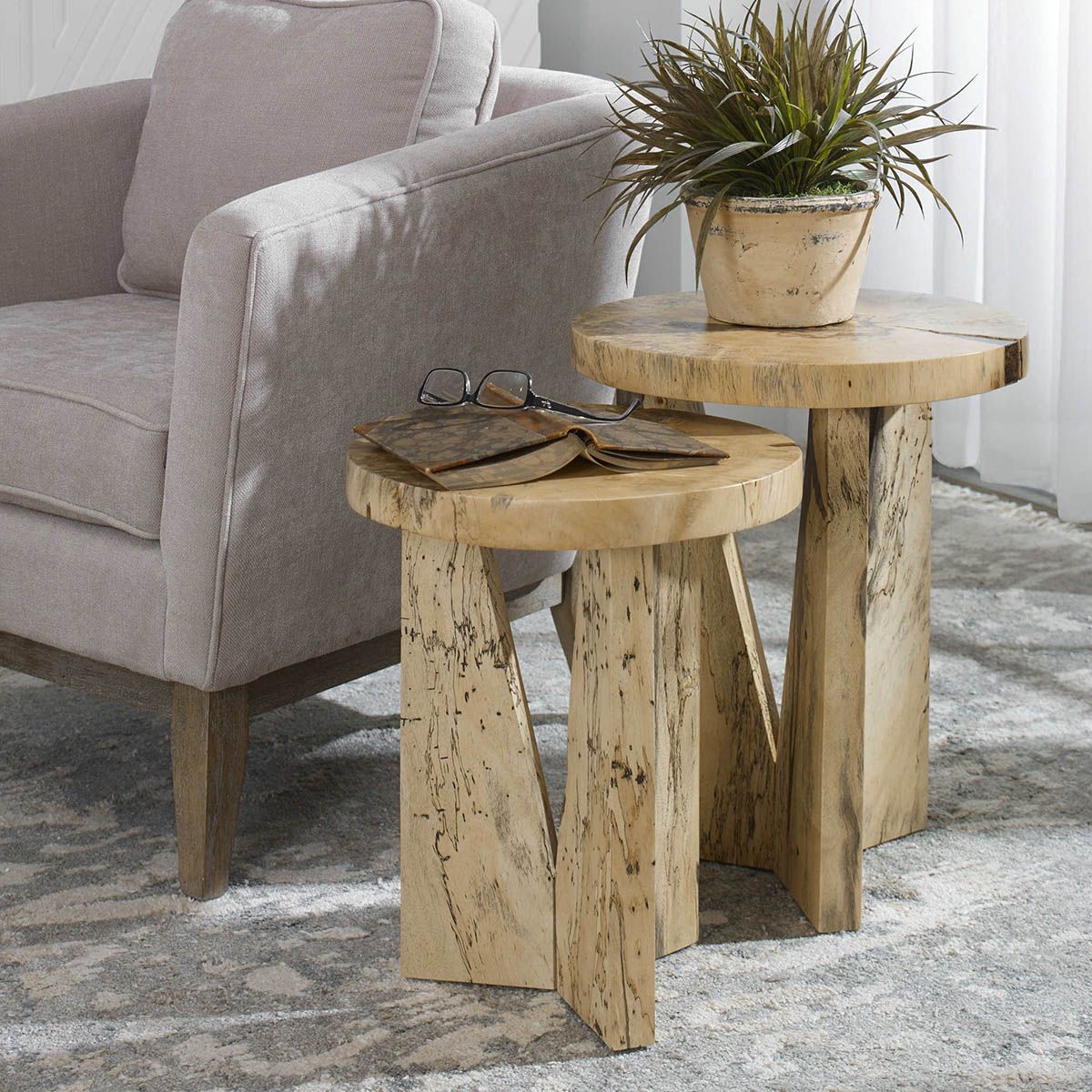
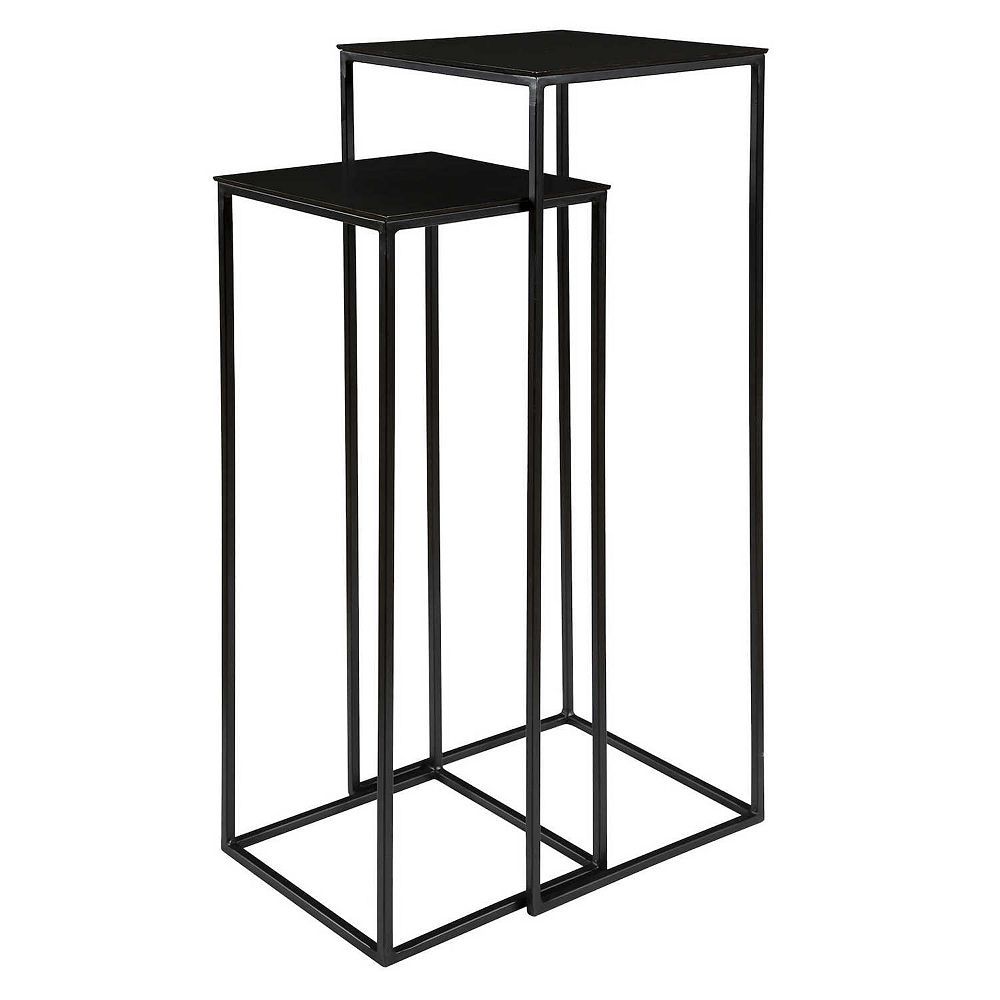
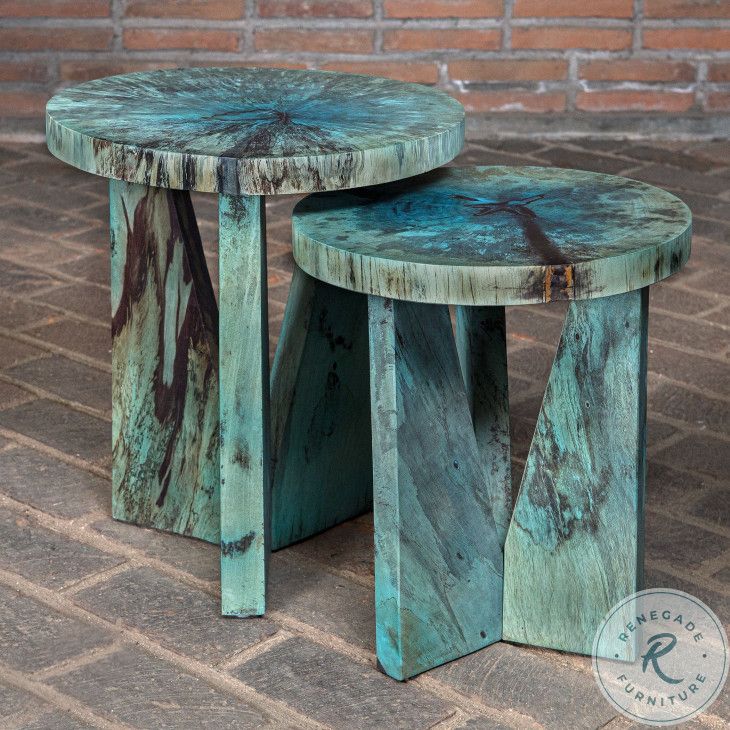
Imagine walking into a room where every piece of furniture seems to dance together in perfect harmony. That’s exactly what happens when nesting tables become part of your small space design. These clever pieces don’t just take up less room – they create a sense of flow and sophistication that makes even the tiniest corners feel like they belong in a magazine spread.
Small spaces have their own special charm, don’t they? They demand creativity, smart choices, and furniture that can do double duty. Nesting tables have emerged as one of the most elegant solutions for people living in compact homes, studios, or apartments. These versatile pieces offer something special – they’re not just functional, but they also add visual interest and maintain that feeling of openness that makes small spaces so appealing. Think about it: how many times have you seen a tiny apartment where everything looks cramped and cluttered? Now picture the same space with carefully chosen nesting tables. The difference isn’t just visual – it changes the entire vibe of the room.
What Makes Nesting Tables Special
Nesting tables aren’t just fancy names for regular tables stacked on top of each other. These designs have been crafted with purpose, especially for those who live in smaller quarters. They’re designed to be flexible, stackable, and adaptable. Picture this: you have a small living room with limited space. Instead of one large coffee table that takes over the entire area, you have a set of nesting tables that can be arranged in different configurations. Sometimes you want one big table for guests, other times you prefer two smaller ones that allow more legroom. This flexibility is what makes nesting tables so special.
There’s also something inherently pleasing about the way these tables work together. When they’re stacked, they create a visual rhythm that’s pleasing to the eye. The varying sizes and shapes can add dimension to a space. It’s like having multiple personalities in one piece of furniture. And let’s face it, who doesn’t love a good multitasking piece of furniture?
Space-Saving Benefits
Let’s talk numbers for a moment. A standard nesting table set can save up to 60% of the space compared to using separate full-sized tables. That’s significant when you’re working with a room that’s only twelve feet wide. When you stack them, they become almost invisible, yet still functional. For example, imagine a 7-foot by 8-foot studio apartment. If you used traditional tables, you’d probably need at least three separate pieces, taking up valuable floor space and creating visual clutter. But with nesting tables, you can have multiple surfaces with minimal footprint.
Here are some specific advantages:
• Compact storage when not in use
• Multiple surface options without bulk
• Easy reconfiguration as needs change
• Reduced furniture purchase costs
• Better traffic flow in tight spaces
The real magic happens when you consider how much more usable your space becomes. You’re not just saving square footage – you’re creating more opportunities for movement, comfort, and function.
Design Versatility Across Styles
One of the best things about nesting tables is how they adapt to different design aesthetics. Whether you prefer modern minimalist, rustic farmhouse, or classic Victorian styles, there’s a nesting table set that fits. They’re available in various materials including wood, metal, glass, and composite materials. Each material brings its own personality to a space.
Consider a contemporary setting with clean lines and neutral tones. Here, a set of sleek black metal nesting tables would complement the overall aesthetic perfectly. On the other hand, if you’re going for a warm, cozy atmosphere, wooden nesting tables with natural finishes can bring that earthy feel into your space. The beauty lies in the fact that you can choose pieces that match your existing decor while adding that extra touch of elegance.
For those who love mixing styles, nesting tables offer a wonderful opportunity to experiment. You might have a vintage side table that works perfectly for one level, paired with a modern geometric piece for another. This kind of creative mixing allows you to express your personal style while maintaining functionality. The key is choosing pieces that work well together, whether through color, shape, or material.
Practical Applications in Daily Life
The real test of any furniture piece is how it performs in daily life. Nesting tables excel in this department because they address common challenges faced in small spaces. Let’s think about a typical day in a small apartment.
In the morning, you might need a table for breakfast. A single nesting table works great for this. Later, you could use it for your laptop and coffee while relaxing. In the evening, you might want to rearrange things to accommodate guests or a dinner party. The beauty of nesting tables is that they can easily be adjusted to meet these changing needs.
They’re particularly useful in multifunctional spaces. For instance, a bedroom that doubles as a home office can benefit tremendously from nesting tables. You might have a tall table for your workspace during the day, then lower it for reading or casual dining in the evening. Or perhaps you have a dining area that needs to be flexible for different occasions. Having a set that can be adjusted or stacked helps you make the most of every moment.
These tables also handle everyday tasks beautifully. They’re easy to move around, which means you can rearrange your space whenever inspiration strikes. You might decide to move them closer to the window for more natural light, or shift them to create better pathways through your room.
Choosing the Right Size and Style
Selecting nesting tables that work well in your space requires careful consideration of several factors. First, measure your room thoroughly. Consider the actual dimensions of your space, not just the square footage. Do you have enough clearance for the tables to be moved around easily? What about traffic patterns? Will people walk around them or sit near them?
Next, think about the intended use. Are you looking for tables primarily for dining? For casual coffee and conversation? For work or study? This determines the size and configuration you’ll need. A dining set might require larger tables, while a living room setup might work better with smaller, more intimate pieces.
Material selection matters too. Wood offers warmth and durability, making it excellent for high-use areas. Glass creates an airy feel but requires more careful maintenance. Metal provides strength and modern appeal, though it can feel cold unless paired with softer elements. Composite materials offer a balance between all these qualities.
Consider also the height difference between your tables. The ideal nesting system should have a clear height progression that feels natural to use. You wouldn’t want a table that’s too tall to sit comfortably next to a low one. A good rule of thumb is that the height difference should be noticeable but not jarring.
Maintenance and Longevity Tips
Like all furniture, nesting tables need care to last. The good news is that they’re generally easy to maintain, especially if you choose quality pieces. Regular cleaning is essential, but the key is understanding how to care for different materials properly.
Wooden tables often need periodic conditioning to prevent drying out and cracking. Wipe them down regularly with a soft cloth and appropriate cleaners. Avoid placing them directly in sunlight for extended periods, as this can cause fading or warping. If you have pets or children, consider protective measures like coasters or placemats.
Glass tables require gentle cleaning with appropriate products to avoid streaks or scratches. Always use coasters and trivets to protect the surface. Remember that glass can be more fragile than other materials, so handle with care.
Metal tables usually need protection against rust, especially if they’re exposed to moisture. Keep them dry and consider using felt pads under legs to prevent scratches on floors. Some metal nesting tables come with protective coatings that make them more durable.
Storage is also important. When not in use, keep your nesting tables in a dry place away from direct sunlight. If possible, store them in their original packaging or use protective covers. This helps maintain their appearance and prevents damage during storage periods.
Nesting tables represent more than just clever design – they’re a practical solution that transforms small spaces into beautiful, functional environments. They prove that you don’t need to sacrifice style for space. In fact, they often enhance both. When you choose the right nesting tables for your needs, you’re investing in furniture that adapts to your lifestyle rather than fighting against it. The flexibility, space-saving benefits, and design versatility make them an excellent choice for anyone working with limited square footage.
Whether you’re furnishing your first apartment, redesigning a studio, or simply trying to make the most of every inch in your home, nesting tables offer a sophisticated approach to small-space living. They’re not just furniture – they’re a statement about how thoughtful design can solve real problems in our daily lives. So next time you’re planning a small space renovation, consider how nesting tables might breathe new life into your room. You might be surprised at how much more elegant and functional your space becomes with just a few well-chosen pieces.