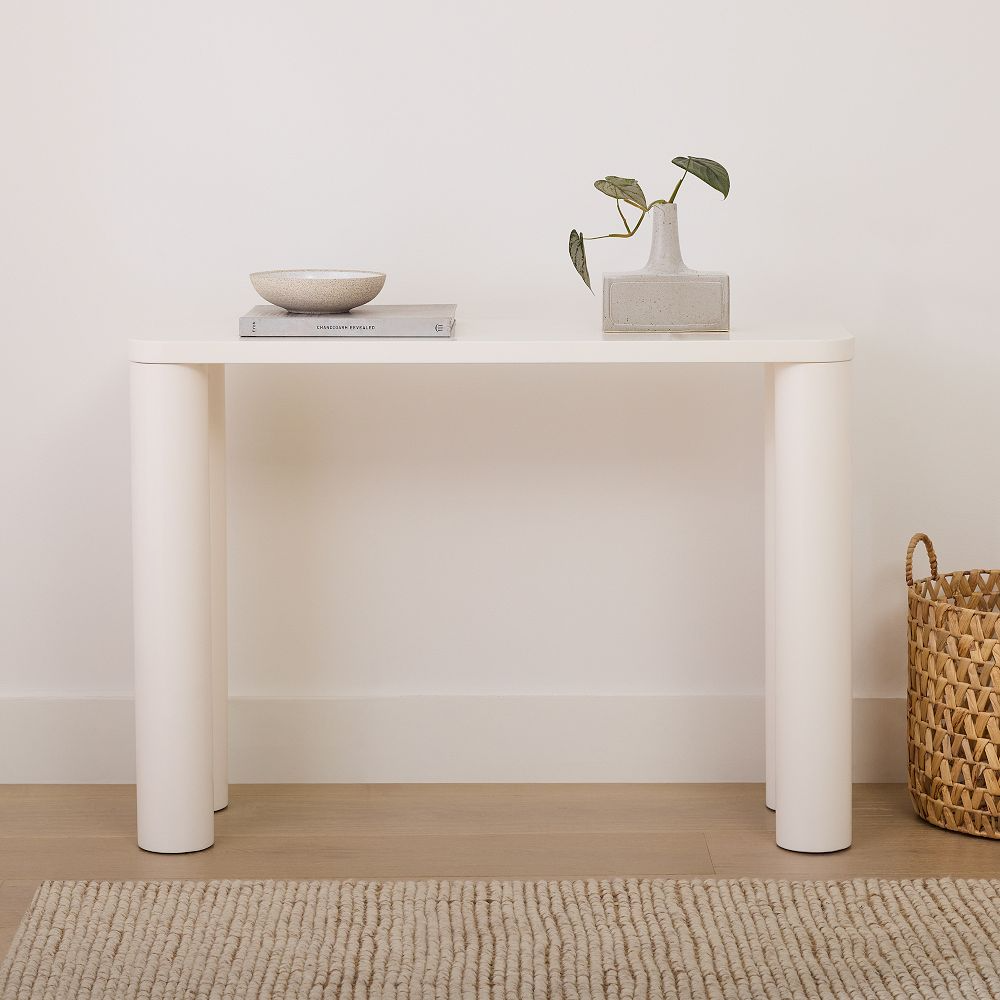
In the world of interior design, few pieces capture attention quite like a well-crafted console table with a triangular base. These striking pieces have moved from the realm of experimental design to mainstream appeal, offering homeowners a unique way to blend artistry with practicality. What makes these tables so captivating? It’s not just their shape, but the careful balance they strike between visual impact and usability.
Console tables have always been more than mere furniture—they’re statements of style and personality. But when you throw a triangular base into the mix, something magical happens. The geometry itself creates an instant focal point that draws the eye and adds architectural interest to any room. These aren’t just functional pieces; they’re sculptural elements that transform spaces. Whether you’re a seasoned designer or someone looking to add a touch of modern flair to your home, understanding the artistry behind triangular console tables opens up a whole new world of possibilities. The interplay of angles, proportions, and materials tells a story about contemporary design philosophy that’s both bold and refined.
The Geometry of Visual Impact
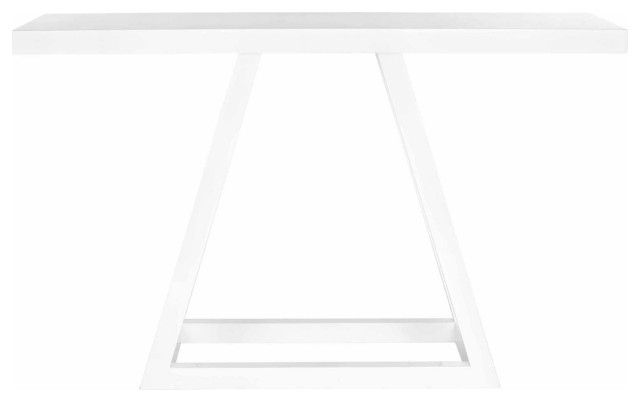
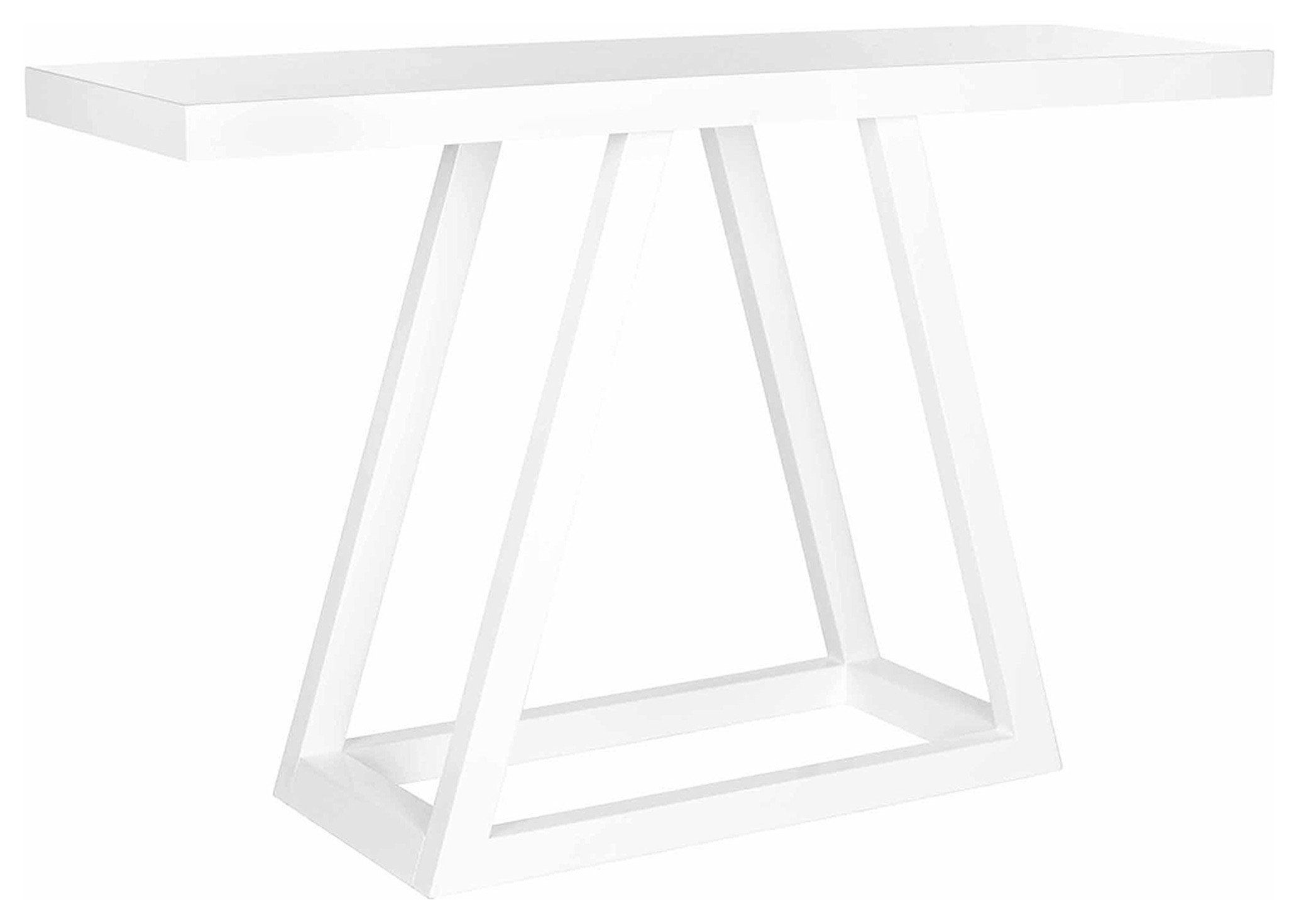
What makes triangular bases so visually compelling? The answer lies in how our brains process geometric shapes. Triangles naturally command attention because they’re inherently dynamic. Unlike rectangles or circles, triangles suggest movement and energy. In a console table context, this translates to a piece that feels alive rather than static. The three-sided structure creates natural focal points, especially when the table is positioned against a wall. The acute angles can make a small space feel more open, while the stability of the triangle provides reassurance that the piece won’t tip over easily. Many designers find that triangular bases work particularly well in modern living rooms where clean lines and geometric forms dominate the aesthetic landscape. The shape also allows for interesting shadow play and light reflection that changes throughout the day.
Material Selection and Craftsmanship
The choice of materials significantly affects how a triangular console table expresses its artistry. Solid wood offers warmth and organic texture, creating a sense of timeless elegance. Metal frames bring industrial sophistication, while glass elements add transparency and lightness. Many contemporary makers experiment with mixed materials, combining wood with steel or incorporating stone elements. The craftsmanship involved in creating these tables is remarkable. Precision is essential because any imperfection in the triangular form becomes immediately apparent. The joints must be flawless, and the weight distribution needs careful consideration. Some artisans spend weeks perfecting the proportions of a single table, ensuring that each angle contributes to the overall harmony rather than disrupting it. The finishing touches—whether it’s a hand-rubbed oil or a polished metal edge—can completely change how the piece is perceived.
Design Philosophy and Aesthetic Principles
Contemporary triangular console tables embody several core design principles. First, there’s the concept of minimalism done right. The triangle represents the simplest polygon, yet it can create complex visual experiences. This aligns with modern design trends favoring clean, uncluttered spaces. Second, these tables often embrace asymmetry as a positive quality rather than a flaw. The human eye finds asymmetrical compositions more interesting than perfectly balanced ones. Third, the triangular base demonstrates how form follows function in a beautiful way. The shape isn’t just decorative—it actually serves practical purposes like providing stability and maximizing floor space. Many designers see these tables as extensions of architectural elements, bringing the same geometric thinking used in building design into interior spaces. The result is furniture that feels both innovative and grounded.
Practical Considerations and Room Placement
While beauty is certainly important, these tables must also serve their purpose effectively. Space planning plays a crucial role in determining whether a triangular console works well in a particular setting. The table’s width and depth need to accommodate whatever items will sit on top—whether that’s a lamp, books, or decorative objects. Placement matters too; a triangular table works best when one side faces the main seating area. The base shape can actually help define zones within a room, creating a natural gathering point. In smaller spaces, a triangular console can serve as a room divider without feeling bulky. However, the sharp angles might pose challenges in homes with children or pets. Careful consideration of the table’s placement and the room’s traffic patterns ensures both beauty and functionality. Some designers recommend choosing a slightly rounded corner on the triangle for safety reasons.
Popular Design Trends and Variations
The market for triangular console tables shows exciting diversity in approaches. Some designs feature sleek, minimalist profiles with clean lines and neutral tones. Others embrace bold colors or unexpected textures like brushed brass or reclaimed wood. The size variations are equally impressive—some tables are designed to be intimate conversation pieces, while others can anchor large living areas. Curved triangular bases have gained popularity, offering the visual interest of the triangle while reducing sharp edges. Some manufacturers create modular versions that allow owners to adjust the table’s dimensions or even reconfigure the shape entirely. The trend toward sustainable materials has also influenced these designs, with many tables constructed from recycled metals or reclaimed wood. These variations show how the basic triangular concept can adapt to different tastes and lifestyles.
Caring for and Maintaining Your Triangular Console
Like any fine piece of furniture, triangular console tables require proper care to maintain their appearance and longevity. Regular cleaning involves using appropriate products for the specific materials used. Wood surfaces benefit from periodic conditioning to prevent cracking or warping. Metal components need protection from moisture and corrosion. For glass elements, gentle cleaning solutions and soft cloths are essential to avoid scratches. The unique shape means that dust accumulation can occur in the corners, so regular attention to all surfaces is necessary. When moving these tables, extra care is required due to their angular profile and potential instability if not properly supported. Many collectors appreciate that these tables age beautifully, developing patinas that enhance their character over time. Proper placement away from direct sunlight helps preserve the integrity of finishes and materials.
Triangular console tables represent more than just a passing design fad—they embody a thoughtful approach to furniture making that balances artistic vision with practical needs. Their enduring appeal comes from how they challenge conventional thinking about what furniture should look like and how it should function. Whether you’re drawn to their geometric beauty, their ability to transform a space, or simply their unique presence, these tables offer something special in today’s world of mass-produced furnishings. They remind us that good design doesn’t have to follow the crowd—it can lead the way. As you consider adding one to your home, remember that the true artistry lies not just in the final product, but in the careful thought and skill that went into every angle, joint, and finish. The investment in a quality triangular console table often pays dividends in both aesthetic satisfaction and lasting value.