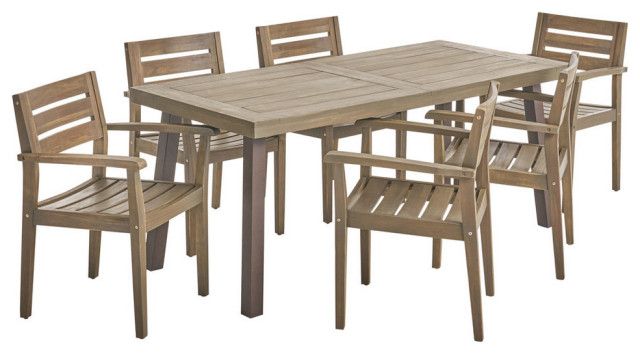
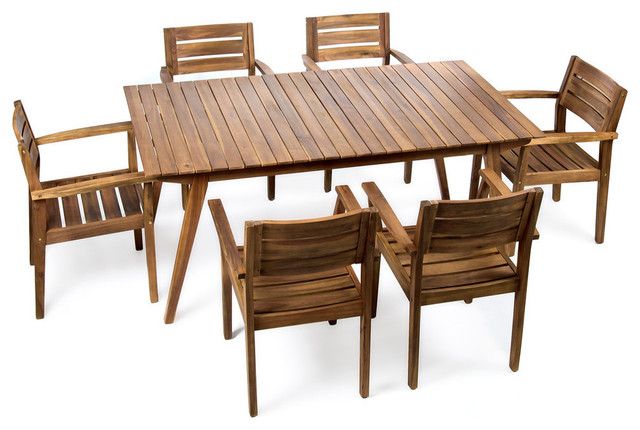
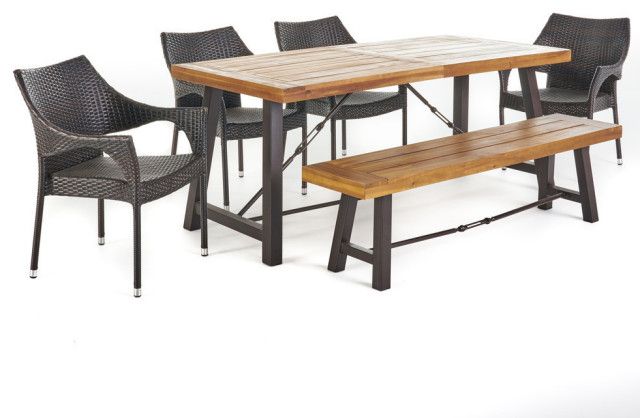
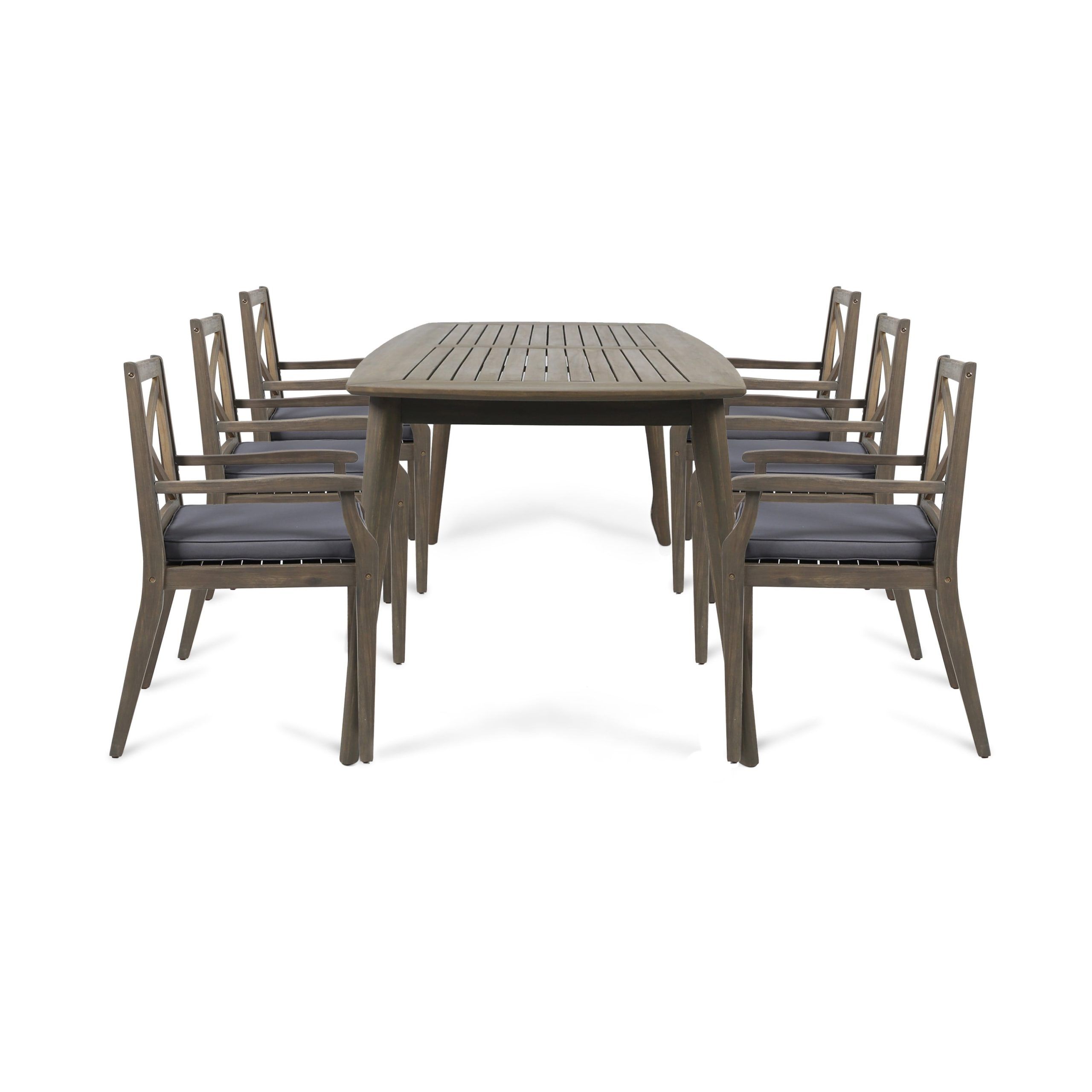
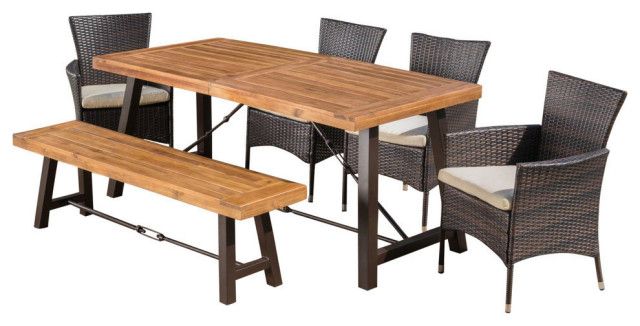
When you’re shopping for outdoor dining sets, the material matters more than you might think. Two woods stand out above the rest: teak and acacia. These natural materials have been trusted for decades because of their exceptional ability to handle everything Mother Nature throws at them. But what makes them so special? Let’s explore the science behind their durability and why they remain the gold standard for outdoor furniture.
Picture this: You’ve just bought a beautiful outdoor dining set to enjoy al fresco meals with family and friends. The sun is shining, the breeze is gentle, and you’re ready to create memories. But then the rain starts pouring, or the temperature drops unexpectedly. What happens to your furniture? This is where the real test begins. Some woods will warp, crack, or rot within months. Others, like teak and acacia, can withstand the elements for decades. It’s not just about looks – it’s about longevity, quality, and smart investment decisions.
Natural Properties That Make Teak Exceptional
Teak has earned its reputation as one of the world’s finest woods for outdoor use. This tropical hardwood contains high levels of silica and oils that act as natural preservatives. These compounds work together to protect the wood from moisture, insects, and decay. When you look closely at teak furniture, you’ll notice it develops a beautiful silver-gray patina over time. This isn’t a flaw – it’s actually a sign of the wood’s health and resilience.
The grain structure of teak is incredibly tight and dense, which means water can’t penetrate easily. Think about it: if you’ve ever tried to soak a teak board in water, it barely absorbs anything. This characteristic makes teak nearly waterproof when properly maintained. Many homeowners report that their teak dining sets have lasted over 50 years with minimal upkeep.
What’s interesting is that teak’s natural oils actually increase with age. The more it’s exposed to the elements, the more protective layer forms. This self-repairing quality means that small scratches or dents often disappear over time. It’s almost like the wood is learning to protect itself better.
Acacia’s Unique Strengths in Harsh Conditions
Acacia wood brings its own set of advantages to outdoor dining furniture. Unlike teak, which comes from Southeast Asia, acacia grows primarily in Africa and Australia. This different origin gives it unique characteristics that make it particularly suitable for certain climates. Acacia is extremely hard and dense, making it resistant to dents and scratches. In fact, it’s often used in high-traffic areas like commercial outdoor spaces because of its toughness.
One of acacia’s standout features is its resistance to termites and other wood-boring insects. Many people worry about insect damage when choosing outdoor furniture, but acacia’s natural chemical composition makes it virtually impervious to these pests. This is especially important in tropical regions where insect problems are common.
Acacia also handles temperature changes remarkably well. While some woods expand and contract dramatically with seasonal shifts, acacia maintains its shape and integrity much better. This stability prevents the cracking and splitting that can occur with less resilient woods. When you buy acacia furniture, you’re getting a material that won’t warp even during extreme weather events.
Comparing Weather Resistance
Both teak and acacia excel in different weather scenarios. Teak truly shines in humid environments and coastal areas where salt spray is common. Its natural oils prevent corrosion and discoloration from salt exposure. Many beachfront restaurants use teak tables because they can handle daily saltwater splashes without deteriorating.
Acacia performs exceptionally well in dry climates and areas with intense UV exposure. The wood’s density helps it resist fading from prolonged sunlight. Some acacia furniture can maintain its rich brown color for years, while other woods may fade to gray or brown within months.
Let’s talk about rain and moisture. Both woods handle wet conditions well, but teak’s oil content gives it a slight edge in preventing water absorption. However, acacia’s tight grain structure also provides excellent protection. The key is proper maintenance for both types – regular cleaning and occasional treatment with appropriate wood products.
The real difference becomes apparent when comparing their performance over decades. Teak furniture from the 1960s still looks great today, while acacia pieces from the same era are equally impressive. Both represent smart investments for anyone serious about outdoor living spaces.
Maintenance Requirements and Care Tips
Neither teak nor acacia requires constant attention, but both benefit from simple care routines. Teak’s natural oils mean it needs less frequent treatment than many other woods. Every few years, you can apply a light coat of teak oil or wax to maintain its appearance and provide extra protection. This process is straightforward and can be done by most homeowners.
Acacia wood typically requires even less maintenance. Because of its natural hardness and resistance properties, it often only needs occasional cleaning with mild soap and water. Some people choose to apply a light coating of mineral oil every few years to enhance its natural beauty.
A common misconception is that these woods need expensive treatments. In reality, basic maintenance is all that’s required. For both woods, avoid using harsh chemicals or abrasive cleaners that could damage the surface. Regular sweeping and wiping with a damp cloth usually keeps them looking fresh.
It’s worth noting that both woods respond well to sanding if they develop a rough texture over time. This simple process can restore smoothness and extend the life of your furniture significantly.
Cost Considerations and Value Over Time
When comparing prices, teak and acacia are both premium materials that cost more than standard lumber. However, their longevity makes them excellent value propositions. A high-quality teak dining set might cost $2,000 to $5,000 initially, while acacia furniture typically ranges from $1,500 to $4,000. These are significant investments, but consider how many times you’d need to replace cheaper alternatives to match their lifespan.
The true value lies in the reduced replacement costs over time. Most mid-range outdoor furniture needs replacement every 5 to 10 years. With proper care, teak and acacia furniture can last 30 to 50 years or more. That’s a massive difference in terms of total cost of ownership.
Many homeowners find that after the initial investment, the ongoing costs are minimal. Unlike treated lumber that needs regular reapplication of protective coatings, these natural woods require only occasional maintenance. Think about the savings from not having to buy new furniture every few years.
Additionally, the resale value of teak and acacia furniture remains strong. People recognize the quality and durability, which means you can often recover a significant portion of your original investment when selling.
Practical Applications and Design Considerations
Both teak and acacia offer versatility in design and application. Teak’s golden-brown color creates a classic, warm feel that works well in traditional and rustic settings. Many designers appreciate how teak ages gracefully, developing character rather than losing it. This makes it popular for heritage-style outdoor dining areas.
Acacia brings a more contemporary appeal with its distinctive grain patterns and rich chocolate-brown hues. The wood’s natural variations create visual interest that many find appealing. It pairs well with modern architectural styles and minimalist designs.
When designing outdoor dining spaces, both woods accommodate various finishes and treatments. Teak can be left to develop its natural patina or polished to maintain its original appearance. Acacia can be stained to match specific design schemes or kept in its natural state to showcase its beautiful grain.
Size and scale considerations are also important. Both woods handle large furniture pieces very well, making them ideal for substantial dining sets. The strength of these materials means they can support heavy use without compromising structural integrity. Whether you’re planning a small bistro table or a large family dining set, these woods provide reliable performance.
Choosing between teak and acacia for your outdoor dining furniture is ultimately a personal decision based on your specific needs and preferences. Both materials offer exceptional durability and performance that justify their higher upfront costs. Teak excels in humid environments and coastal areas, while acacia shines in dry climates and high-traffic situations.
The key takeaway is that investing in quality outdoor furniture pays dividends over time. These woods don’t just last longer – they become more beautiful with age. They represent a commitment to craftsmanship and longevity that you can feel in every piece.
Whether you’re building a new outdoor kitchen or upgrading existing furniture, consider these natural materials. Their proven track record speaks for itself. They’ve stood the test of time for good reason, and they’ll likely continue doing so for generations to come. The question isn’t whether they’ll last – it’s how long you’ll enjoy them before wanting to pass them down to the next generation.