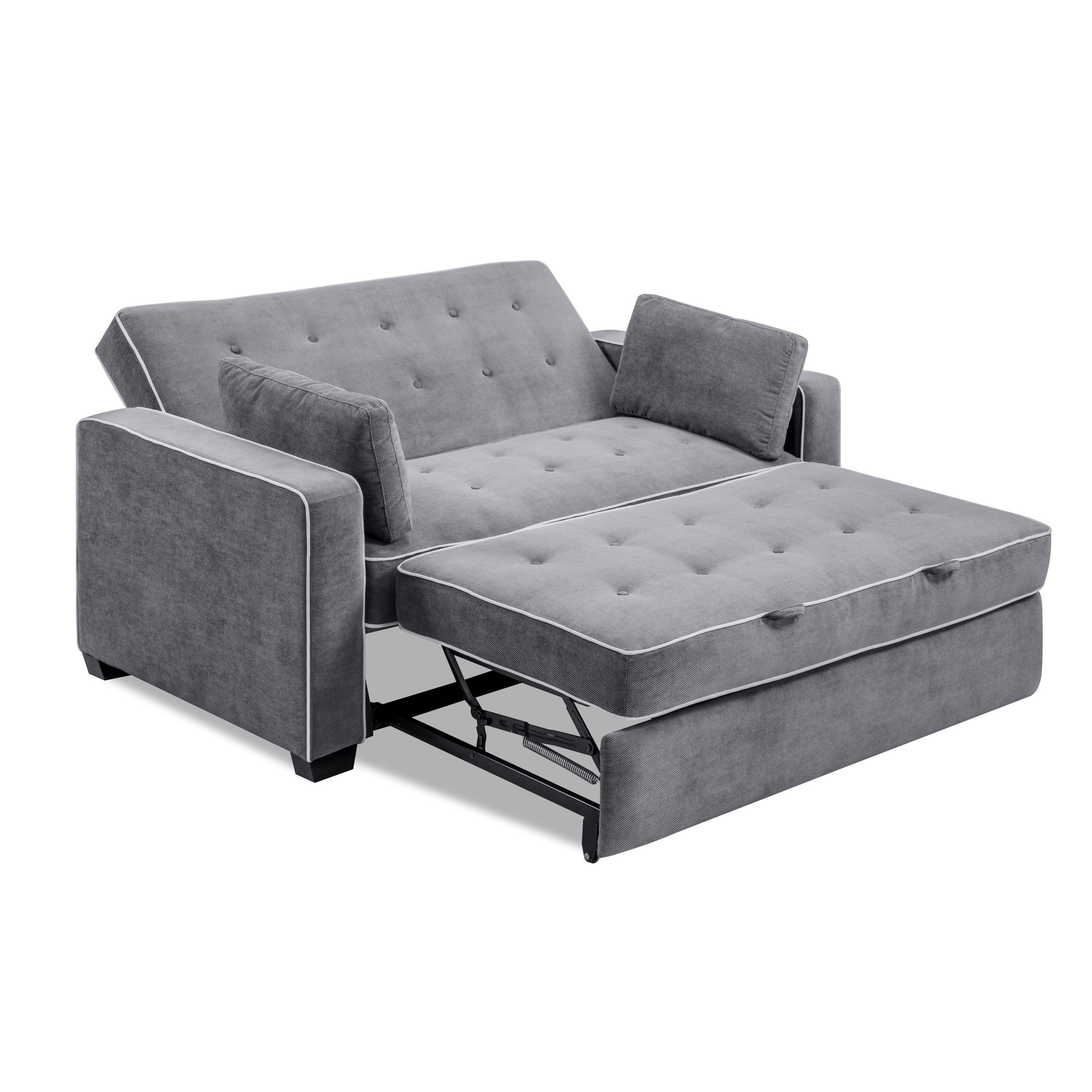
When you think about cozy fabrics, chenille might not immediately come to mind. But this versatile material has been quietly revolutionizing how we think about comfort in our daily lives. From soft throws to elegant upholstery, chenille offers something special that’s often overlooked. What makes this fabric so unique? Why does it seem to work so well in both casual and formal settings? Let’s explore the fascinating world of chenille and how it can transform your everyday comfort.
Picture this: you’re settling into your favorite chair after a long day, feeling that familiar warmth and softness enveloping you. That’s the magic of chenille fabric. It’s not just another textile choice—it’s a gateway to daily comfort. This fabric has quietly become a favorite among interior designers, homeowners, and anyone who values quality in their living spaces. But choosing the right chenille fabric isn’t as simple as picking whatever looks pretty. There’s a whole science behind it. What exactly makes one chenille fabric better than another? How do you know which one will last and feel great? We’ll dive deep into these questions and more, helping you make informed decisions that will enhance your daily life.
Understanding Chenille Fabric Basics
At its core, chenille fabric is characterized by its distinctive pile structure. Think of it like a gentle carpet of tiny fibers that stand upright, creating that signature soft texture. The word itself comes from French, meaning ‘chinchilla,’ which gives you a hint of its luxurious feel. What makes chenille particularly special is how it’s made. Unlike regular woven fabrics, chenille uses a technique where extra yarns are inserted into the weave and then cut to create those plush loops. This process creates a fabric that’s incredibly soft to touch and has excellent insulating properties. The texture can vary significantly depending on how the fabric is constructed. Some chenilles are thick and substantial, while others are more delicate and drape beautifully. Understanding these basics helps you appreciate why different chenille fabrics work better for different purposes. For instance, a thick chenille might be perfect for a cozy throw, while a lighter version could work beautifully for curtains. The possibilities are almost endless when you understand what you’re looking for.
Key Factors in Fabric Selection
Choosing the right chenille fabric involves several important considerations. First, consider the intended use. Is this going to be a high-traffic area like a living room, or a more intimate space like a bedroom? The answer will guide your decision about durability and maintenance requirements. Next, think about the fiber content. Chenille can be made from various materials including cotton, polyester, wool, and blends. Cotton chenille tends to be more breathable and comfortable against skin, making it ideal for bedding and soft furnishings. Polyester chenille is often more durable and easier to care for, perfect for families with children or pets. Wool chenille offers excellent insulation and natural fire resistance, though it may require more careful maintenance. The pile height also matters significantly. A taller pile creates more volume and a softer feel, but it may also show wear more easily. Shorter piles tend to be more practical for everyday use. Finally, consider the color and pattern options. While solid colors offer timeless appeal, printed chenilles can add visual interest to any space. The key is matching these factors to your specific needs and lifestyle.
Durability and Longevity Considerations
One of the most common concerns people have about chenille fabric is whether it will hold up over time. The good news is that properly chosen and maintained chenille can last for many years. The secret lies in understanding what affects its longevity. High-quality chenille is typically made with stronger yarns and better construction techniques. Look for fabrics with tighter weaves and reinforced edges, as these tend to resist fraying and wear better. Regular maintenance plays a huge role too. Chenille should be cleaned according to manufacturer’s instructions, and using appropriate cleaning methods prevents damage to the pile. Some chenilles can handle machine washing, while others require professional dry cleaning. The frequency of use also impacts longevity. Heavy use in high-traffic areas will naturally cause more wear than occasional use. However, even with frequent use, quality chenille maintains its appearance and comfort much better than lower-grade alternatives. When shopping, pay attention to customer reviews and warranty information. These details often reveal how well a particular fabric holds up in real-world conditions. Remember, investing in higher-quality chenille upfront often saves money and frustration in the long run.
Comfort and Texture Preferences
Comfort is perhaps the most important factor when selecting chenille fabric. Different textures suit different preferences and needs. Some people love the plush, luxurious feel of high-pile chenille, while others prefer the smoother, more refined texture of low-pile versions. The tactile experience varies dramatically between types. High-pile chenille feels like wrapping yourself in a cloud, providing excellent insulation and a sumptuous touch. Low-pile versions offer a more streamlined feel that still provides comfort without the bulk. Consider your personal comfort preferences, but also think about who will be using the fabric. Children might prefer the softer, more forgiving texture of a plush chenille, while adults might appreciate the more structured feel of a medium-pile option. Temperature regulation is another aspect to consider. Chenille naturally traps air within its fibers, making it excellent for cooler weather. In warmer climates, lighter weight chenille options might be more suitable. The texture also affects how the fabric drapes and moves. Some chenilles drape beautifully and flow gracefully, while others maintain their shape better. Matching the texture to your specific needs ensures maximum comfort in daily use.
Practical Applications and Uses
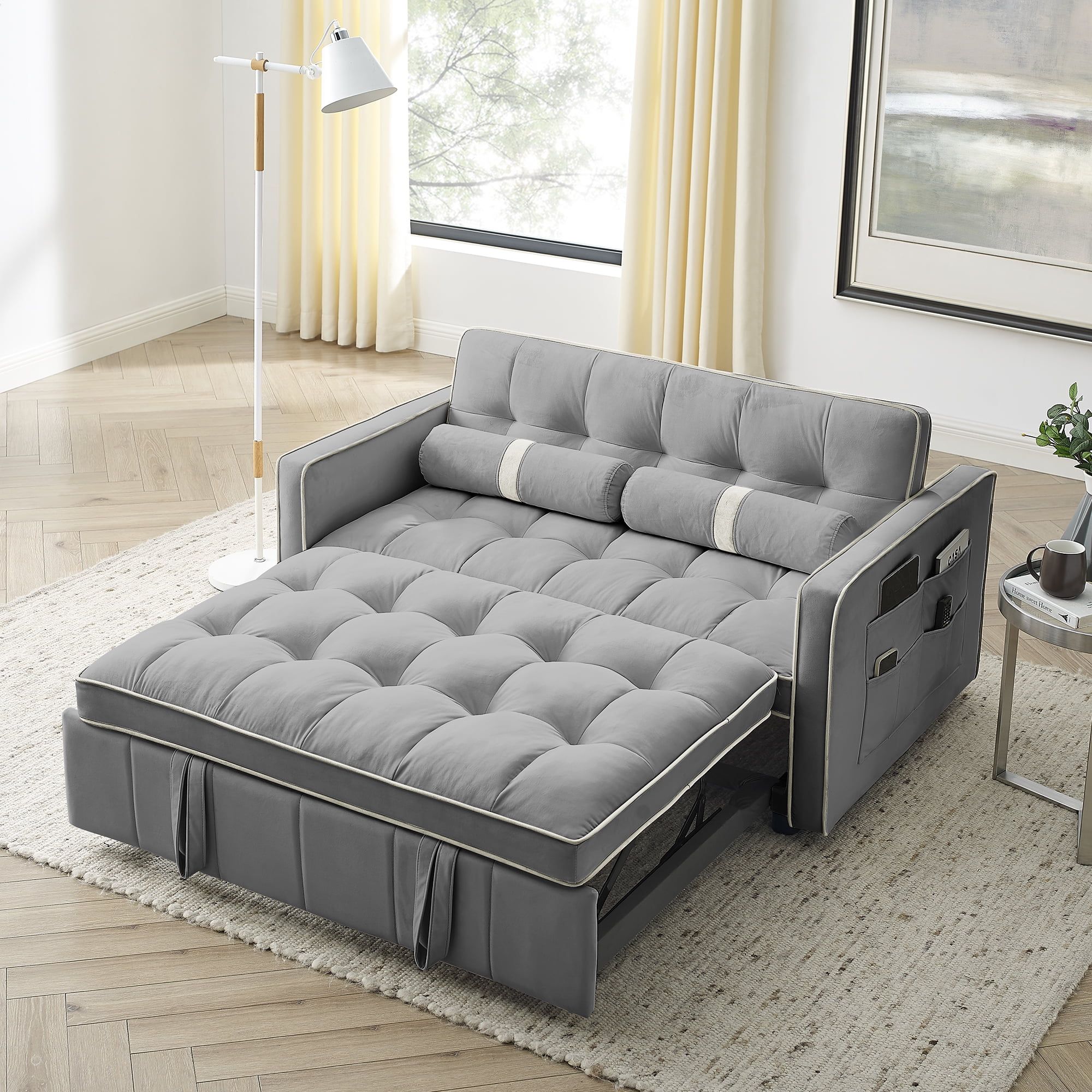
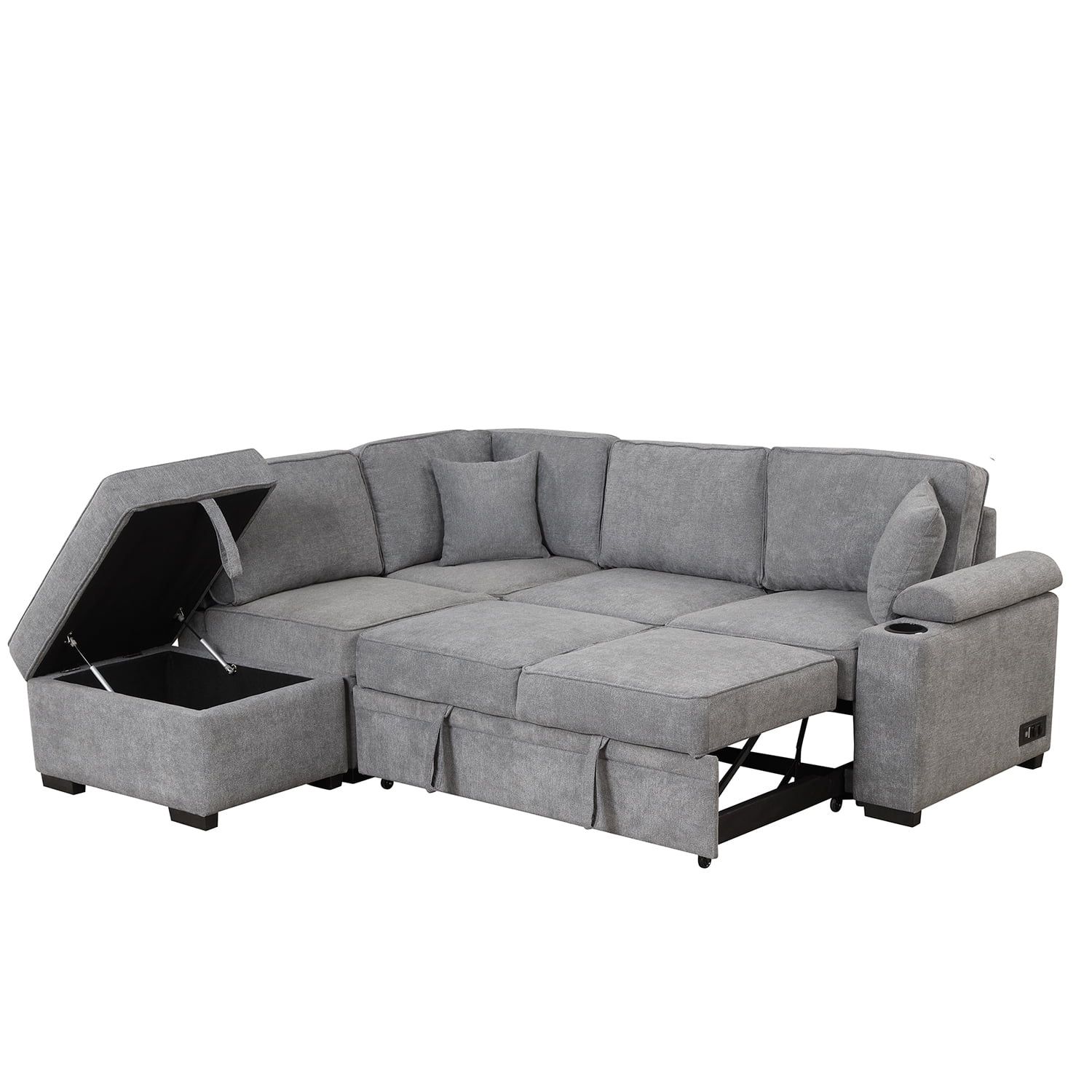
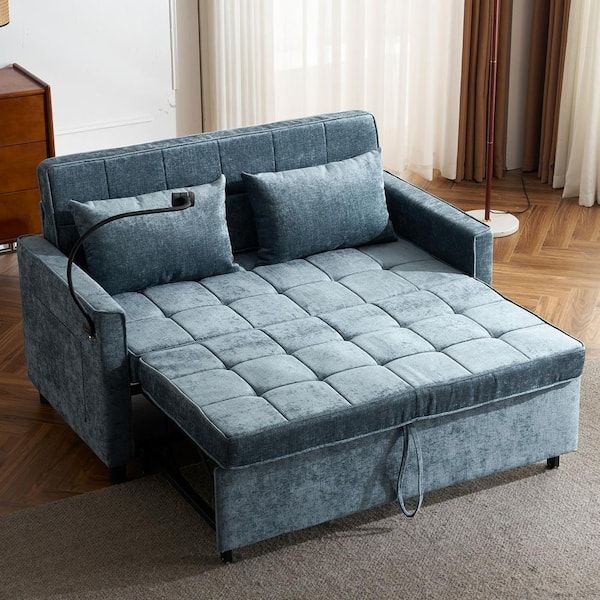
Chenille fabric finds its way into numerous applications throughout the home, each requiring slightly different considerations. For bedding, chenille sheets and comforters offer exceptional softness and warmth. They’re particularly popular in colder climates where extra insulation is valued. The fabric’s ability to retain heat makes it ideal for winter bedding. In living rooms, chenille throws and blankets provide the perfect combination of comfort and style. They’re also excellent for accent pieces that bring both texture and warmth to a space. Upholstery is another major application area. Quality chenille upholstery can transform a plain sofa into a cozy retreat. The fabric’s durability makes it suitable for family rooms and entertainment areas. For window treatments, chenille curtains offer both privacy and light control while adding a touch of elegance. The fabric’s natural ability to block light and provide insulation makes it practical as well as beautiful. Even smaller items like pillow covers, table runners, and decorative cushions benefit from chenille’s soft texture and rich appearance. Each application brings unique challenges and opportunities, so understanding the specific requirements helps in making better choices.
Maintenance and Care Guidelines
Proper care is essential for maintaining the beauty and functionality of chenille fabric. Different types require different approaches, so understanding your specific fabric is crucial. Always check the manufacturer’s care label first. Many chenilles can be machine washed, but some require special handling. When washing, use cold water and a gentle cycle to prevent damage to the pile. Avoid bleach or harsh detergents, as these can break down the fibers over time. For drying, air drying is usually best to preserve the fabric’s shape and texture. If using a dryer, select a low heat setting. Ironing should be done carefully, preferably with a pressing cloth between the iron and fabric. Direct contact with the iron can flatten the pile or cause damage. Stains require immediate attention and proper treatment. Blot rather than rub when dealing with spills, and use appropriate cleaners for the fabric type. Professional cleaning may be necessary for heavily soiled items or expensive pieces. Regular vacuuming helps remove surface dirt and prevents buildup that could damage the fabric over time. Keeping a rotation schedule for frequently used items helps distribute wear evenly and extends the life of your chenille pieces.
Cost Considerations and Value Assessment
The price range for chenille fabric varies widely, reflecting differences in quality, materials, and manufacturing processes. Budget-conscious shoppers might find affordable options that meet basic needs, but understanding what you’re paying for helps ensure good value. Higher-priced chenille often features superior yarn quality, more precise construction, and better finishing. These factors translate to longer-lasting products that maintain their appearance and comfort over time. Consider the total cost of ownership rather than just the initial purchase price. A more expensive piece that lasts twice as long may actually save money in the long run. Look for sales, seasonal discounts, and brand loyalty programs to maximize value. Quality indicators include consistent coloration, even pile height, and secure construction. Cheaper alternatives might have irregularities that affect both appearance and durability. Remember that chenille is a premium fabric, so expect to pay more for genuine quality. However, there are also mid-range options that offer excellent value for everyday use. The key is identifying which features matter most to your specific situation and prioritizing accordingly. Sometimes a slight investment in quality pays dividends in comfort and longevity.
Color and Pattern Selection Tips
Choosing the right colors and patterns for chenille fabric can make or break a space’s overall aesthetic. The soft texture of chenille tends to amplify both color intensity and pattern definition. Solid colors provide a clean, sophisticated look that works well in most settings. They’re also easier to coordinate with other elements in your space. Bold patterns can make a strong statement, especially with the rich texture that chenille provides. However, they require more careful planning to avoid overwhelming a room. When selecting colors, consider the lighting in your space. Natural light can make colors appear brighter and more vibrant, while artificial lighting might alter how colors look. Darker chenille colors can make a small space feel cozier, while lighter tones can make larger areas feel more open. Patterns should complement rather than compete with existing decor. Geometric patterns work well with modern interiors, while floral designs might suit traditional settings better. Textured patterns can add visual interest without being too busy. Consider how the fabric will age over time. Some colors and patterns fade faster than others, so choose based on your long-term plans for the piece. Testing samples in your actual space before purchasing can help ensure you make the right choice.
Making Your Final Selection
The final step in choosing chenille fabric is bringing all these factors together for a well-informed decision. Start by listing your specific needs and priorities. What will the fabric be used for? How much wear will it receive? What’s your budget range? Once you’ve established these parameters, narrow down your options based on the key factors we’ve discussed. Visit stores or view online samples to get a true sense of texture and quality. Touching the fabric is crucial because you can’t fully assess its feel from photos alone. Ask questions about care instructions, warranty information, and return policies. Don’t hesitate to request samples if possible. Testing the fabric in your own environment helps confirm whether it meets your expectations. Consider the long-term commitment you’re making. A chenille piece that costs more upfront but lasts decades is often a better investment than a cheaper alternative that needs replacing frequently. Trust your instincts, but also rely on the knowledge you’ve gained about chenille characteristics. Remember that this is a fabric meant to enhance your daily comfort, so choose wisely. The right chenille fabric can transform your home and elevate your everyday experiences. Making this choice thoughtfully means you’re investing in both comfort and quality for years to come.
Final Thoughts on Chenille Excellence
Choosing the right chenille fabric is ultimately about finding that perfect balance between comfort, durability, and aesthetics. It’s a fabric that deserves thoughtful consideration because it touches your life every day. Whether you’re looking for a cozy throw, a beautiful bedspread, or stylish upholstery, the right chenille can make all the difference. The key is understanding what makes each fabric unique and matching that with your specific needs. Don’t rush the decision-making process. Take time to evaluate your options carefully. Remember that quality chenille is an investment in your comfort and home’s character. The fabric’s ability to combine luxury with practicality makes it a standout choice for everyday living. As you move forward with your selection, keep in mind that this is more than just a fabric choice—it’s about creating a more comfortable, beautiful space for your daily life. The right chenille fabric can truly transform how you experience your home every single day.
The journey of selecting the perfect chenille fabric is one that combines practical wisdom with personal preference. You now have a comprehensive understanding of what makes chenille special and how to choose the best one for your needs. From understanding the fundamental characteristics to considering practical applications and long-term care, we’ve covered the essential aspects of this remarkable fabric. Remember, the goal isn’t just to buy a fabric—it’s to enhance your everyday comfort and create lasting memories in your home. Whether you’re drawn to the plush luxury of high-pile chenille or the refined elegance of a lighter weight version, the right choice will serve you well. Take your time, trust your instincts, and enjoy the process of finding that perfect fabric that will bring joy and comfort to your daily routine. After all, the best chenille fabric is the one that makes your everyday moments feel a little bit more special.