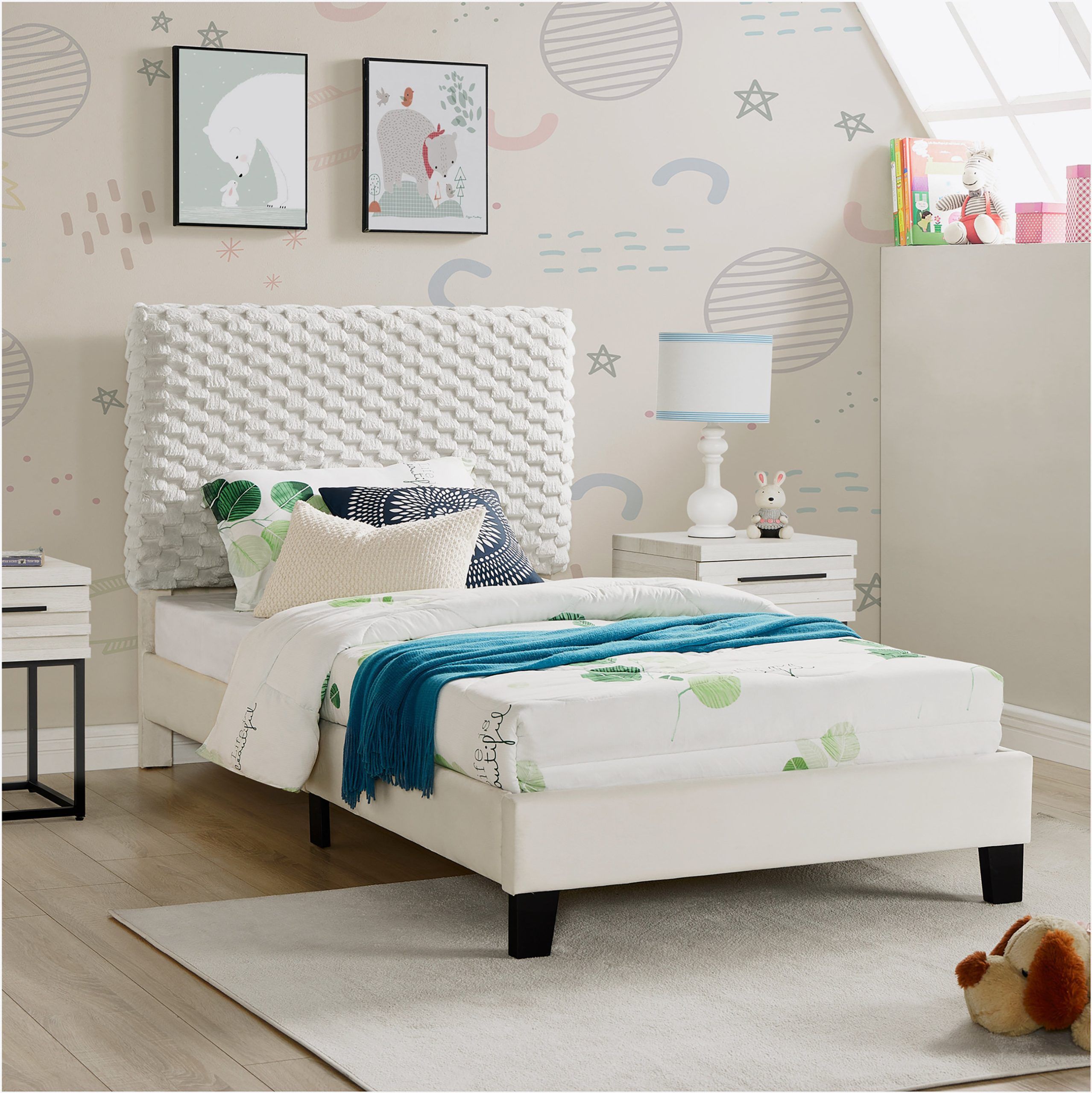
Think about it — you spend roughly one-third of your life in bed. That’s a lot of time interacting with your bed frame. Yet most people never give much thought to choosing the right one. What if we told you that your bed frame could make or break your sleep experience? It’s true. The right frame isn’t just about looks. It affects how well you sleep, how long your mattress lasts, and even your overall bedroom vibe.
When you think about your bedroom, what comes to mind first? Is it the softness of your sheets? The way sunlight filters through the curtains? Or perhaps the quiet peace that fills the room when you finally settle in for the night? Your bed frame plays a crucial role in all of those things. But too often, people treat it like an afterthought. They pick something cheap, or something that matches their existing decor without considering how it actually feels against their body or how it impacts their sleep quality. This isn’t just about style — it’s about making smart decisions that affect your daily life. Let’s dive into everything you need to know to choose a bed frame that feels good and looks great.
Understanding Bed Frame Types
There are many types of bed frames out there, each with its own set of advantages and disadvantages. You might have heard of platform beds, sleigh beds, canopy beds, and four-poster beds. But there are also simpler options like metal frames and wooden trundle frames. Let’s take a closer look at what makes each type special.
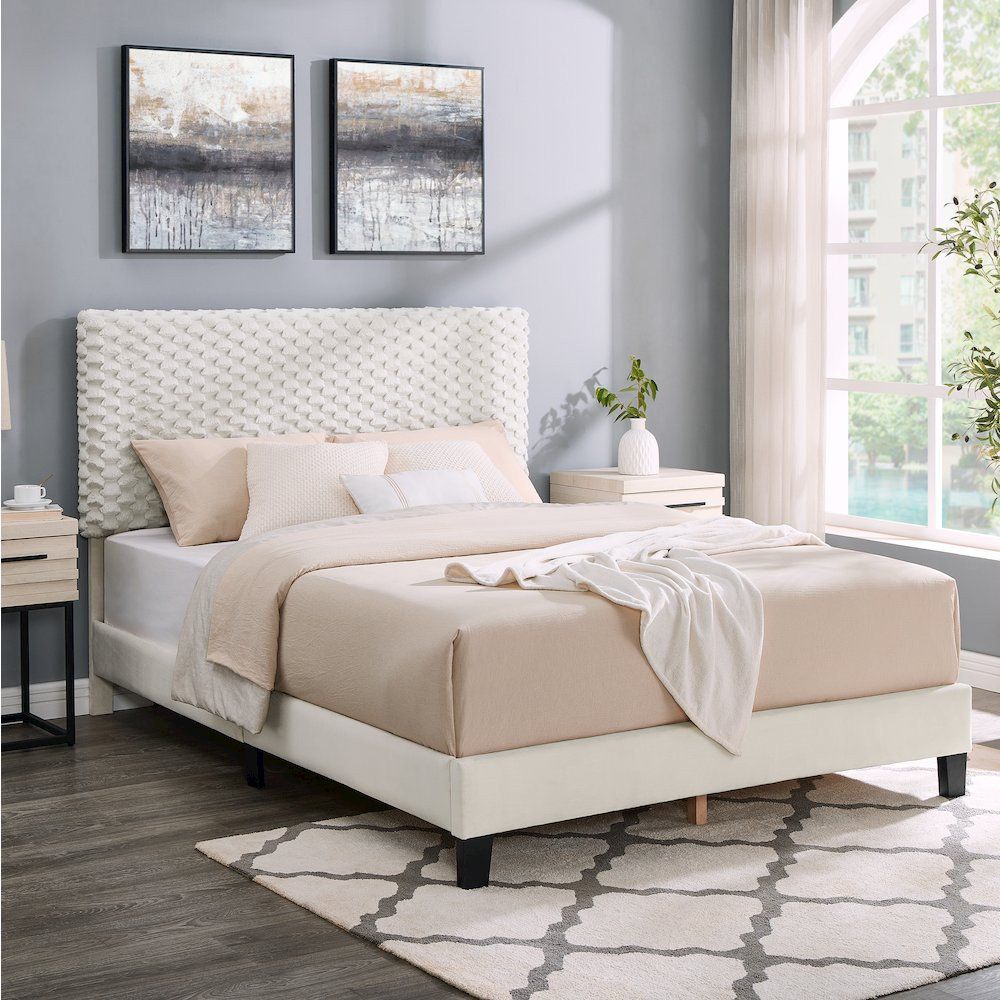
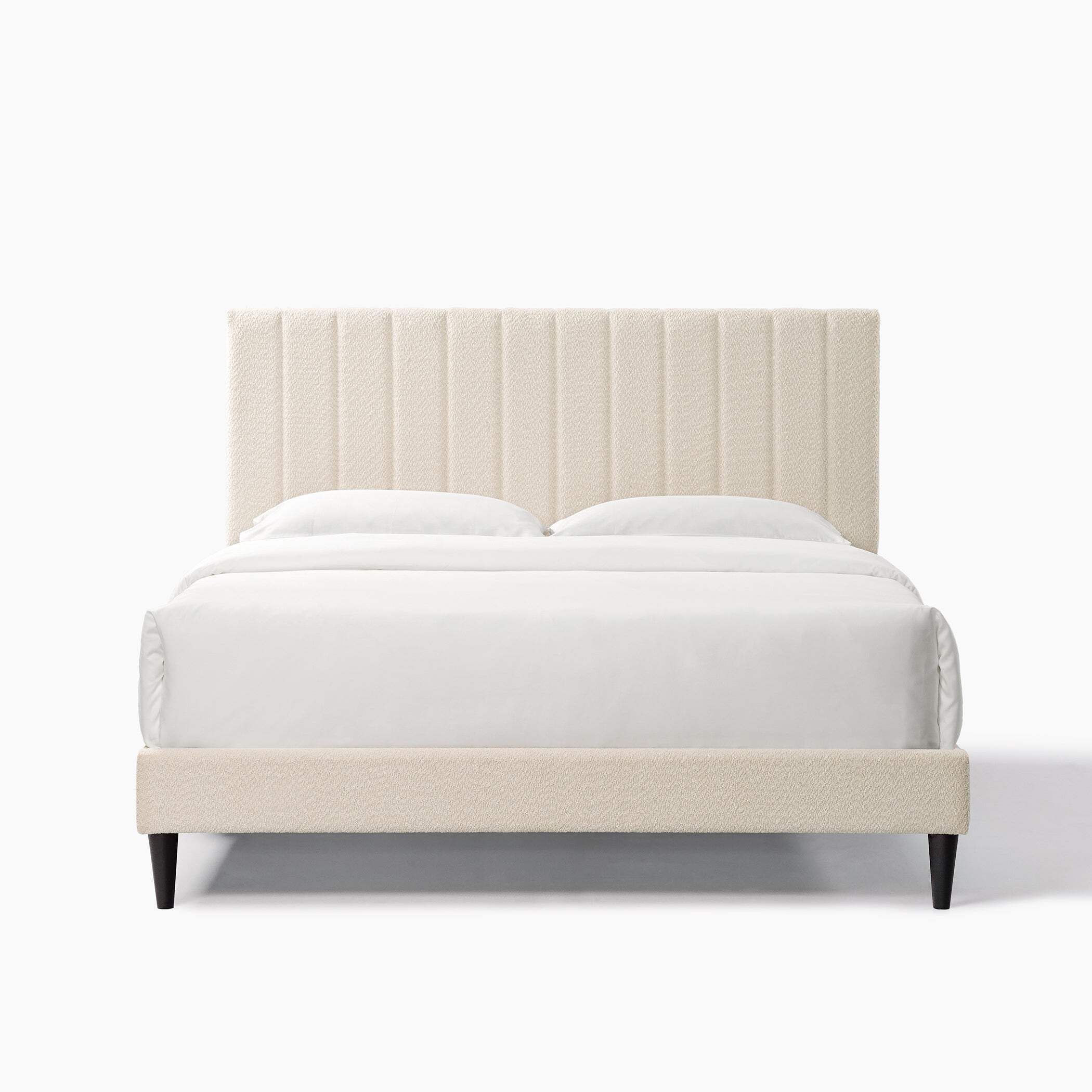
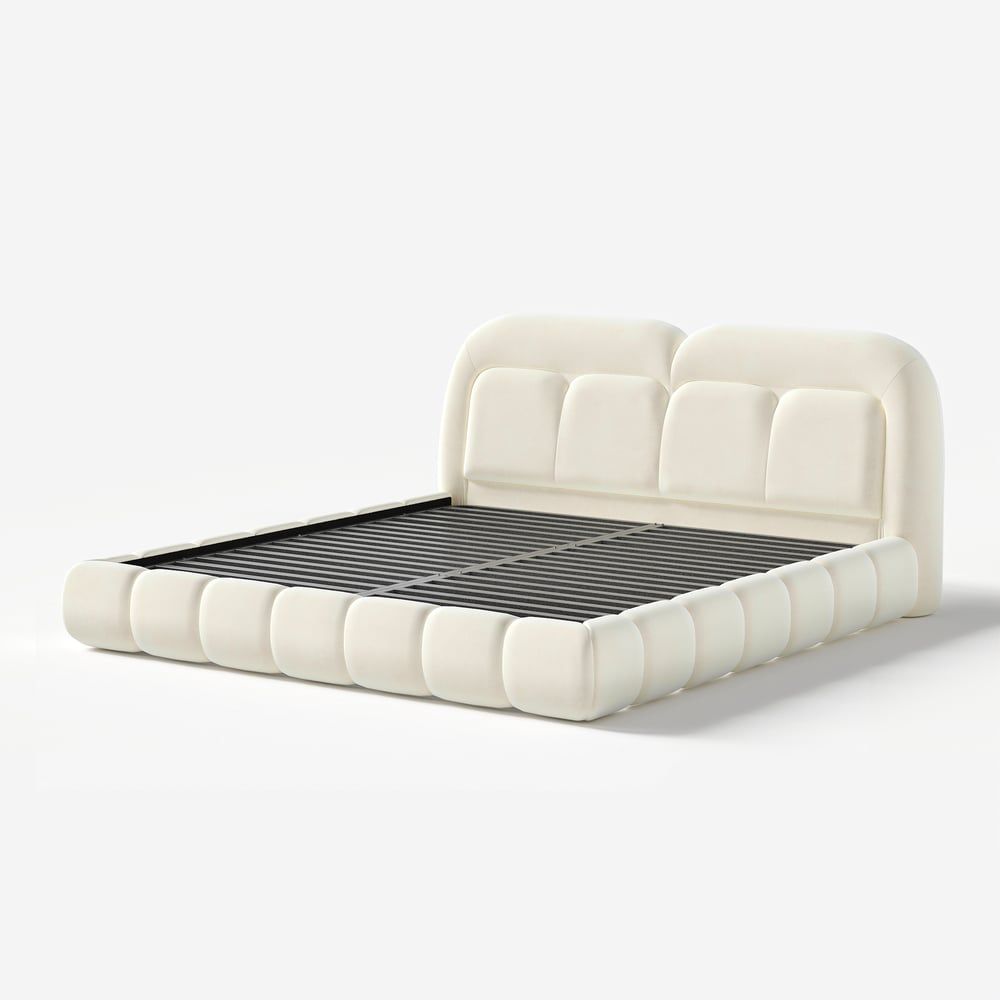
Platform beds are popular because they offer a clean, minimalist look. They often sit low to the ground, which can make them feel cozy and grounded. These beds typically don’t require a box spring, which means less clutter and potentially more space beneath the bed. They’re great for people who want a simple setup that still feels luxurious.
Sleigh beds have curved headboards and footboards, giving them an elegant, classic appearance. They’re often made from wood and can add a touch of sophistication to any bedroom. However, they tend to be more expensive than other options.
Canopy beds are dramatic and romantic. They feature tall side posts that can be draped with fabric or left open. These are ideal for those who love a grand, theatrical look in their bedroom. But they do require a bit more maintenance and may not suit smaller rooms.
Four-poster beds are similar to canopy beds but usually have more substantial posts and often include additional features like curtains or ropes. They’re perfect for creating a regal atmosphere, especially in larger bedrooms.
Metal frames are durable and affordable. They come in various styles, from sleek modern designs to rustic industrial looks. These frames work well with contemporary interiors but might not offer the same warmth as wooden options.
Trundle frames allow you to maximize space in small bedrooms. One bed slides underneath another, providing extra sleeping space when needed. This is particularly useful for guest rooms or family bedrooms.
Material Matters: Wood vs. Metal vs. Other Options
The material of your bed frame greatly influences both its durability and aesthetic appeal. Different materials bring different benefits to the table.
Wood frames are timeless and versatile. They offer a natural warmth that can make any bedroom feel inviting. Hardwoods like oak and maple are strong and long-lasting, while softer woods such as pine are more budget-friendly. Wood frames can be stained or painted to match any color scheme, making them highly adaptable. However, they can be heavier and may require some maintenance over time.
Metal frames are known for their strength and longevity. They resist warping and don’t attract pests like wood can. They’re also generally lighter and easier to move around. Many metal frames have a modern, industrial look that appeals to contemporary tastes. But they can sometimes creak or make noise if not properly constructed.
Plastic and composite materials are becoming more common in modern furniture. These are lightweight, easy to clean, and often very affordable. However, they might not last as long as wood or metal options and can sometimes feel less substantial.
Some newer options include bamboo and recycled materials. These are eco-friendly choices that offer both sustainability and style. Bamboo, in particular, combines the natural beauty of wood with the durability of metal, making it a popular choice for environmentally conscious consumers.
Size and Scale: Matching Your Room Dimensions
Before you even start looking at styles or colors, consider the size of your bedroom. A bed frame that works perfectly in a large master suite might overwhelm a small guest room. Measuring your space carefully is crucial.
Standard twin beds measure 39 inches wide by 75 inches long. A full bed is 54 inches wide by 75 inches long. Queen beds are 60 inches wide by 80 inches long, and king beds are 76 inches wide by 80 inches long. California king beds are 72 inches wide by 84 inches long.
If you’re sharing the bed with a partner, consider going up a size. A queen or king frame gives everyone more room to move without feeling cramped. For couples who like to snuggle closely, a king might be better than a queen.
Also, think about how much clearance you need around the bed. You’ll want enough space to walk around easily and access the sides of the bed for getting in and out. Most experts suggest leaving at least 30 inches of clearance on either side of the bed.
Another important factor is ceiling height. If your room has high ceilings, you might be able to go for a taller bed frame. But in a room with lower ceilings, a low-profile platform bed could make the space feel more balanced and cozy.
Comfort Factors: Height, Support, and Ergonomics
Comfort isn’t just about the mattress — it starts with the frame itself. How high is the bed? Does it feel stable when you get in and out? Is it easy to maintain?
The height of a bed frame matters more than you might expect. Standard bed heights range from 10 to 20 inches off the ground. Lower frames (around 10-12 inches) are great for people with mobility issues or those who prefer to keep their feet close to the floor. Higher frames (16-20 inches) can give a more elegant look and make it easier to slide under the covers.
Support is another key consideration. Some frames are designed to provide extra support for mattresses, especially memory foam or hybrid models. These frames often feature reinforced slats or adjustable components that can accommodate different mattress types.
Ergonomic design is becoming increasingly important in modern bedding. Look for frames that allow easy access to both sides of the bed. Some models come with built-in storage, which can be handy for keeping blankets and pillows within reach.
Also, think about how the frame interacts with your sleeping habits. Do you tend to toss and turn? A sturdy frame will hold up better during restless nights. Do you prefer a firm surface? Some frames are specifically designed to provide that kind of support.
Visual Appeal: Style, Color, and Design Elements
A bed frame should reflect your personal style and complement your existing bedroom decor. But it’s not just about matching your walls or furniture — it’s about creating a cohesive look that brings the whole space together.
When choosing a style, think about what kind of mood you want to create. Rustic farmhouse styles bring warmth and charm, while modern minimalist designs offer clean lines and simplicity. Industrial chic frames can add edge to a contemporary room, and traditional styles often evoke elegance and classic beauty.
Color plays a big role in setting the tone. Dark woods like walnut or espresso can create a rich, sophisticated atmosphere. Light woods such as birch or oak offer a fresh, airy feel. White or painted frames can brighten a dark room and make it feel more open.
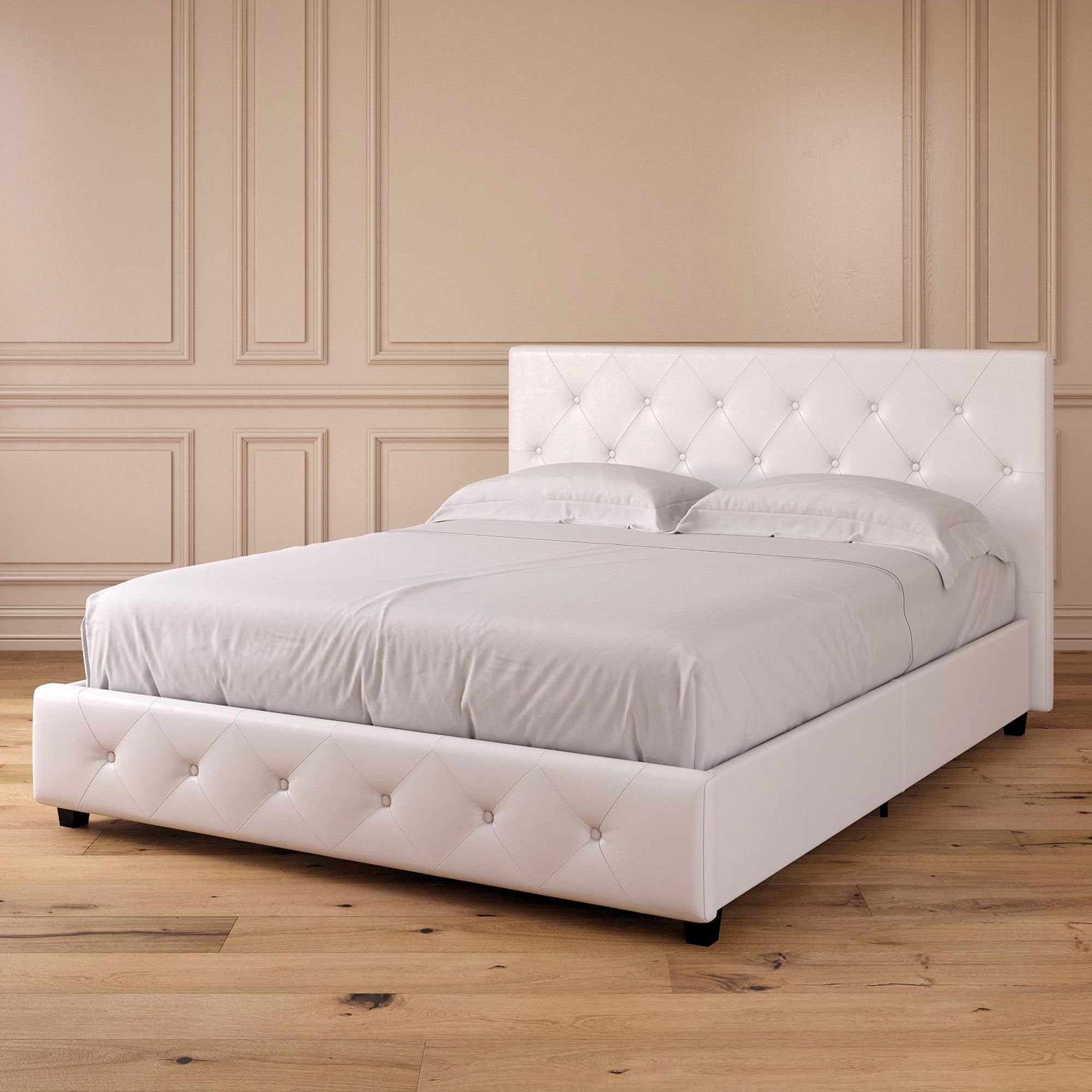
Design elements matter too. Headboards, for example, can transform a basic bed into a statement piece. Curved headboards soften the look of a room, while straight-lined ones create a sharp contrast. Decorative hardware, like brushed brass or matte black accents, can elevate the overall appearance.
Don’t forget about texture. Wooden frames often have a natural grain that adds character, while metal frames might feature brushed finishes or powder-coated surfaces that feel smooth to the touch.
Consider how the frame will look with your bedding and accessories. Will the colors and textures blend harmoniously? Will it make your bed look like the centerpiece of the room?
Budget Considerations and Value-Driven Choices
Money talks, and when it comes to bed frames, it can make a big difference in how long you’ll enjoy your purchase. Setting a realistic budget upfront helps narrow down options and avoid buyer’s remorse.
Budget ranges vary widely. Basic wooden frames can cost anywhere from $100 to $500, depending on size and craftsmanship. Mid-range options, including upholstered or carved designs, typically fall between $500 and $1,500. Luxury frames, often featuring premium woods or intricate details, can cost $2,000 or more.
It’s worth noting that price doesn’t always equal quality. Sometimes, a mid-tier option offers better value than an expensive one that lacks durability or practicality. Read reviews carefully and look for warranties that cover structural damage.
Consider what you’re willing to invest in. If you plan to keep the bed for many years, spending a bit more upfront might save you money later on. On the flip side, if you’re renting or moving frequently, a cheaper option might be more practical.
Also, keep an eye out for sales, especially during major holidays like Black Friday or Memorial Day. Many retailers offer significant discounts on bed frames, making high-end pieces more accessible.
Finally, remember that buying a quality frame can extend the life of your mattress. A good frame provides proper support and prevents sagging, which means fewer replacements down the road. So, while it might seem like an extra expense, investing in a solid frame can actually save you money over time.
Choosing the right bed frame isn’t just about finding something that looks pretty. It’s about creating a foundation for better sleep, a more comfortable lifestyle, and a bedroom that truly reflects who you are. Whether you’re drawn to the classic charm of a wooden sleigh bed or the clean lines of a modern metal frame, the key is to match form with function. Take your time. Measure twice. Think about how the frame will impact your daily routine and your long-term comfort. A little research now can lead to a lot of restful nights ahead. After all, your bed is more than just furniture — it’s your sanctuary. And the right frame makes all the difference.