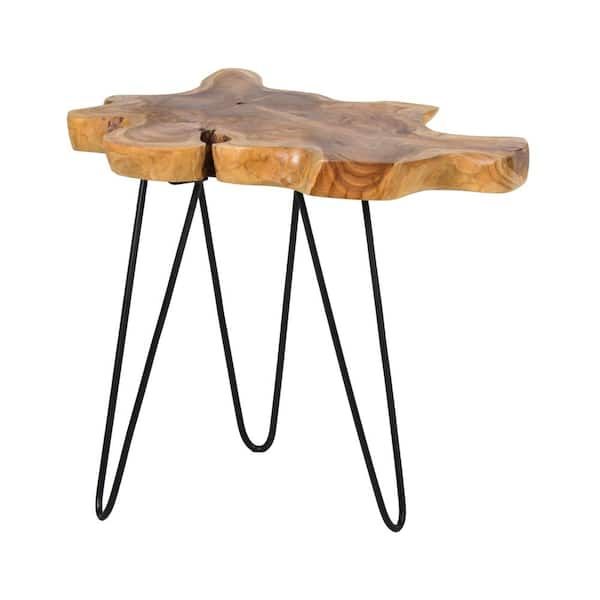
Imagine walking into a room where every inch matters. Where furniture doesn’t just sit there, but actually works for you. This isn’t fantasy – it’s the reality of smart design. When you’re working with limited square footage, the right furniture choices become your secret weapon. Think of it like having a Swiss Army knife for your living space – everything has its place and purpose.
We’ve all been there – standing in a cramped apartment, wondering how to fit everything we need into such a tiny area. The walls seem to close in, the ceiling feels low, and every corner feels like a wasted opportunity. But what if I told you that the solution might already be hiding in plain sight? That’s right, the answer lies in something we often overlook: compact accent furniture. These aren’t just decorative pieces – they’re the unsung heroes of small-space living. They serve double duty, offering both style and function in ways that traditional furniture simply cannot match. Whether you’re navigating a studio apartment, a cozy bedroom, or a minimalist office, these clever solutions can completely change your relationship with your environment. It’s not about sacrificing beauty for practicality – it’s about finding harmony between both.
The Magic of Multi-Functional Design
Here’s what makes compact accent furniture truly special – it doesn’t just take up space, it creates it. Picture this: a coffee table that doubles as storage, or a side table that transforms into a workspace. The best part? You don’t have to choose between form and function. These pieces are designed with intention. They’re not just pretty to look at – they solve real problems. Take a console table with built-in shelving, for instance. It becomes a display area for your favorite books, a spot for your morning coffee, and even a place to organize your keys and mail. It’s the kind of furniture that asks, ‘What do you need me to do today?’ rather than simply sitting there looking nice. The magic happens when you realize that every piece you add to your small space should be doing multiple jobs. This means less clutter, more style, and a room that feels bigger than it actually is. Think about it – instead of having a separate bookshelf, a console table with shelves can serve that purpose while also acting as a focal point. Instead of a standalone desk, a console table with a built-in drawer can work as both workspace and storage unit. It’s like having a personal assistant that never complains about being busy.
Smart Storage Solutions for Every Corner
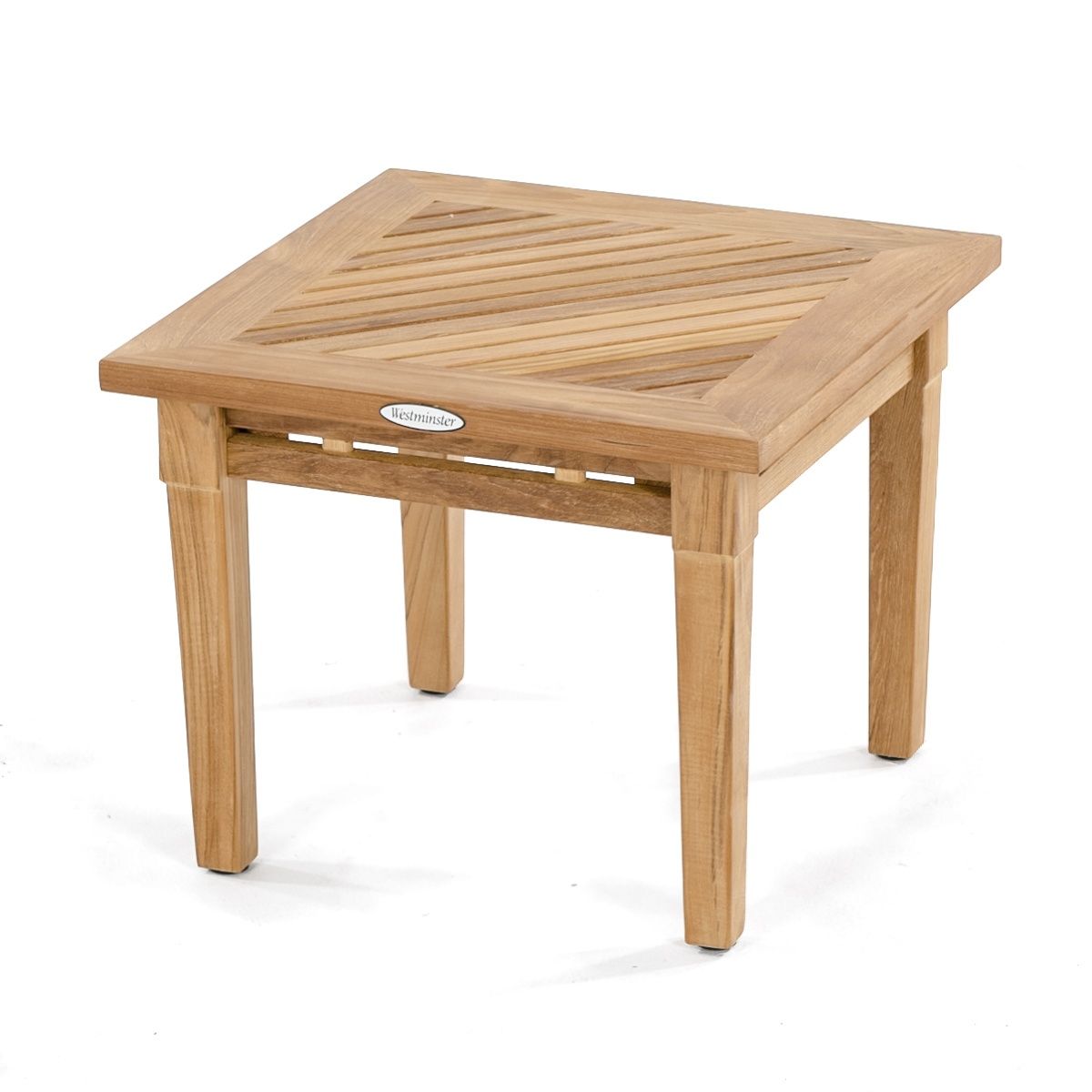
Let’s talk about those hard-to-reach spaces that drive us crazy. The corner behind your couch, the space under your bed, the narrow gap beside your window – these spots are begging to be useful. Compact accent furniture excels at making the most of these forgotten areas. Vertical storage solutions are particularly powerful. Tall, narrow bookcases or shelving units can reach toward the ceiling, using every inch of height. They’re perfect for displaying your collection of books, plants, or decorative items. And here’s the thing – they don’t just hold things, they also define the space. A well-placed shelf can make a room feel more organized and put together than a room full of random furniture. Another great example is the use of furniture with hidden compartments. Think about a side table that looks like a regular piece of furniture but has secret drawers for storing remote controls, magazines, or other small items. These solutions are especially helpful in bedrooms, where you might want to hide away clothing, accessories, or electronics without making the space feel cluttered. The key is choosing pieces that serve multiple purposes. For example, a bench with storage underneath can double as seating and a place to store seasonal items. Or a storage ottoman that provides both seating and hidden storage for blankets and pillows. It’s about maximizing every available inch while maintaining visual appeal.
Visual Tricks That Make Rooms Appear Larger
One of the biggest challenges with small spaces is that they can feel cramped and confining. But clever furniture choices can dramatically alter how a room appears. Light colors play a huge role in this transformation. White, cream, or light wood tones reflect light, creating an airy feeling that makes walls appear farther apart. You’ll find that a light-colored console table can make a small entryway feel much more spacious than a dark wooden one. The contrast is striking. Another effective strategy is using furniture with open designs. Think of a shelving unit with gaps between the shelves, or a coffee table with a glass top. These elements allow light to pass through and create visual airiness. Mirror surfaces also work wonders. A console table with a mirrored surface acts like a small window, reflecting light and giving the illusion of depth. The same principle applies to furniture with transparent elements – glass tops on tables, or metal frames that don’t block the view. These choices might seem small, but they create a significant impact on the overall perception of space. It’s almost like having a magic wand that makes everything look bigger. The trick is to avoid heavy, solid furniture that blocks light and creates visual weight. Instead, opt for pieces that seem to float rather than sit heavily on the floor. This creates a sense of movement and openness that’s essential in small spaces.
Creating Zones Without Walls
In a small space, you often need to create different areas for different activities – sleeping, working, relaxing, entertaining. But you don’t have the luxury of building walls or using doors. Here’s where compact accent furniture becomes incredibly valuable. It’s like having invisible boundaries that define space without taking up valuable square footage. A console table placed strategically can create a separation between your living area and dining area, even in a studio apartment. It doesn’t need to be a full room divider – sometimes a simple piece of furniture with a certain height can provide enough visual separation. The same goes for using furniture to create a reading nook or a workspace. A tall bookcase can act as a screen, separating your work area from the rest of the room. It’s not just about physical barriers – it’s about defining how you use the space. This approach works because it allows you to maintain the feeling of openness while still having distinct areas. Consider a side table positioned near your sofa to create a designated conversation area. Or a small desk tucked into a corner to establish a working zone. These solutions don’t require any construction or permanent changes – they’re flexible and can be moved around as your needs change. The furniture itself becomes the architecture of your space, defining zones through placement and design rather than walls.
Material Choices That Last Long
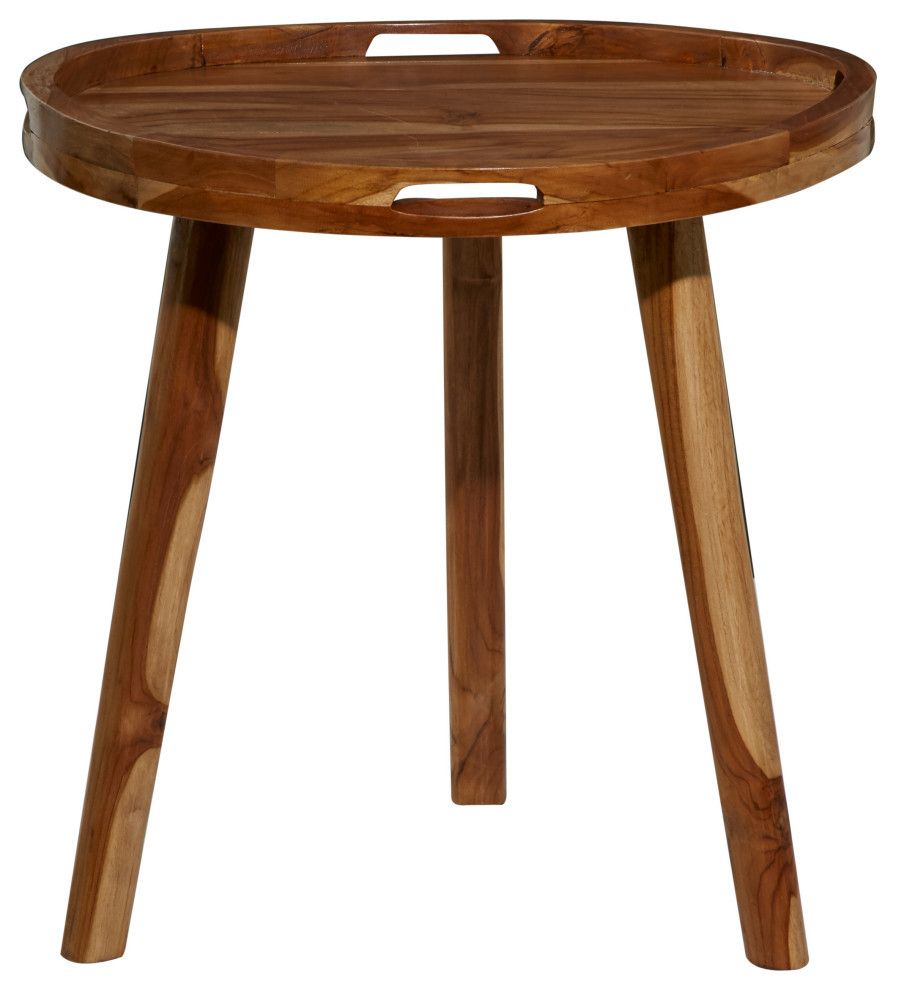
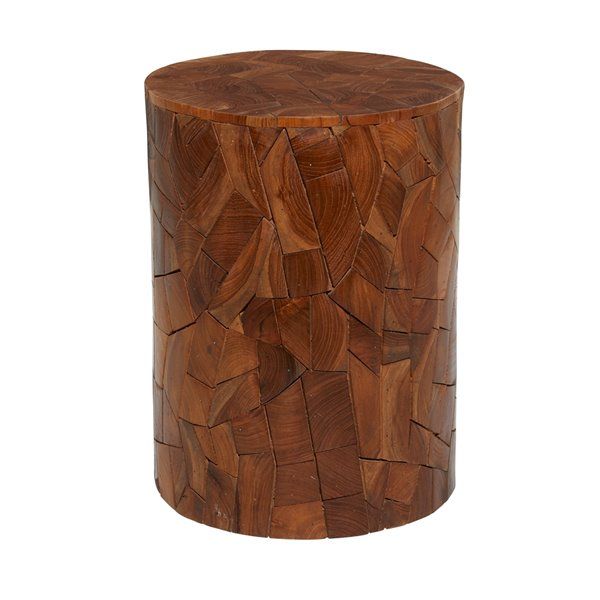
When you’re investing in furniture for a small space, you want pieces that will stand the test of time. The materials matter more than you might think. Solid wood furniture, for instance, tends to be more durable and will age gracefully. It might show signs of wear, but those marks often add character rather than detract from the piece. On the other hand, lighter materials like bamboo or reclaimed wood can give you that airy feeling we talked about earlier while still providing sturdiness. Metal frames, especially when combined with wood or fabric, offer a modern look that works well in small spaces. They’re often lightweight, which makes them easy to move around when you want to rearrange your space. The key is balancing durability with the aesthetic you’re going for. You might want to consider pieces that are easy to clean, especially if you live in a high-traffic area or have pets. Textiles like linen or cotton are practical choices because they’re breathable and don’t trap heat. Fabric that’s easy to spot-clean or removable for washing can save you from major cleaning headaches later. Don’t forget about finishes – a matte finish can hide fingerprints better than glossy surfaces, while a satin finish might be easier to maintain than a high-gloss one. The goal is finding materials that will look good for years to come, not just today. Remember, the furniture you choose today will be with you tomorrow, so it’s worth spending a bit more on quality pieces that will serve you well.
Budget-Friendly Options That Still Work
You don’t need to empty your wallet to make your small space feel larger and more functional. There are plenty of affordable options that deliver excellent results. Thrift stores, estate sales, and online marketplaces are treasure troves for unique finds. Sometimes, the most interesting pieces come from unexpected sources. A vintage console table from a flea market might be exactly what your space needs. The key is to look for pieces with good proportions – not too wide, not too deep, but just right for your space. DIY projects can also be incredibly rewarding and budget-conscious. You might find a basic piece of furniture and give it a fresh coat of paint or new hardware. Simple updates like replacing old knobs with sleek modern ones can completely transform a piece. Another cost-effective strategy is shopping during sale seasons or clearance events. Many retailers offer significant discounts on end-of-season inventory. You can also consider buying pieces in phases – start with the essentials and add more over time. This way, you’re not overwhelmed by costs upfront. Look for furniture that’s modular or can be easily reconfigured. This flexibility means you can adapt to changing needs without having to buy entirely new pieces. Sometimes, the best investment isn’t the most expensive one – it’s the one that fits perfectly with your lifestyle and space. The goal is creating a cohesive look that feels intentional rather than assembled from random purchases.
Real-Life Examples That Inspire
Let’s look at some actual situations where compact accent furniture made a real difference. One client had a studio apartment that felt like a closet with a kitchen. By adding a console table with drawers, they created a functional workspace and storage solution in one piece. The table was positioned near the window, making it feel like a proper desk area while keeping the space open. Another example involved a small bedroom where a storage ottoman served as both seating and hidden storage for seasonal clothing. The client could easily switch between different looks throughout the year without cluttering the room. In a shared apartment, a console table with shelves helped separate the living area from the kitchen without any permanent changes. The table became a visual boundary that defined each zone while still allowing light to flow between spaces. These stories show how thoughtful furniture choices can completely transform a space. They’re not just about solving immediate problems – they’re about creating a space that feels lived-in and intentional. The pieces chosen weren’t necessarily expensive, but they were chosen thoughtfully. They addressed specific needs while enhancing the overall aesthetic. These examples prove that small changes can lead to big improvements in how you experience your home.
So there you have it – the art and science of making the most of limited space. It’s not about living with less, but rather about living with more intention. The right compact accent furniture doesn’t just fill a room; it defines it. It becomes part of the story of your space, telling others about your personality and lifestyle. Whether you’re dealing with a studio apartment, a tiny bedroom, or a cramped office, these principles apply. The key is to think about how each piece will serve you now and in the future. Ask yourself what you really need, then find furniture that delivers on that need while also adding to the visual appeal. Remember, it’s not about having the most expensive furniture – it’s about having the right furniture. The pieces that work well in small spaces tend to be simple, functional, and well-proportioned. They don’t try to compete with the room’s size – they complement it. As you begin your journey toward optimizing your small space, keep these principles in mind. Start with the basics, pay attention to proportions, and don’t be afraid to experiment. Your small space deserves to be beautiful, functional, and uniquely yours. The possibilities are endless, and the transformation starts with just one carefully chosen piece of furniture.