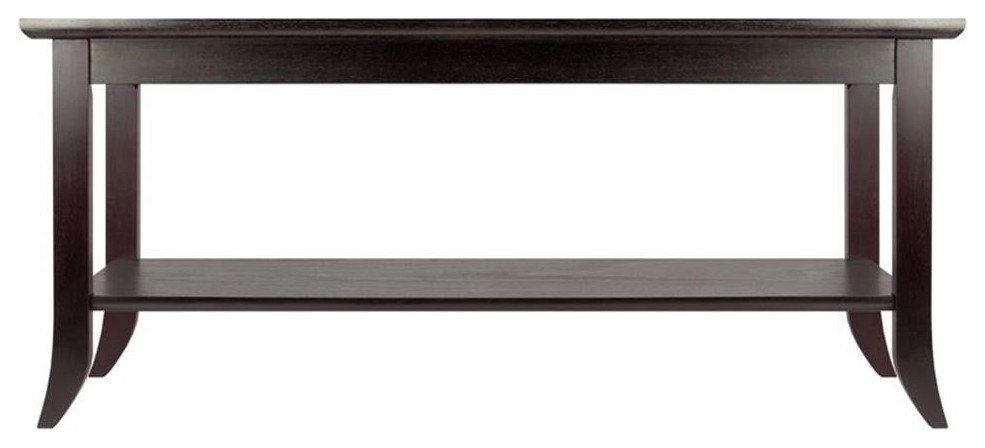
Console tables have undergone quite the transformation over the decades. What started as simple, formal pieces in entryways has evolved into versatile design statements that define entire room aesthetics. These tables aren’t just functional anymore – they’re artistic expressions that reflect our changing lifestyles and design sensibilities.
Picture this: you walk into a home, and immediately your eye is drawn to a stunning console table that sits elegantly in the entryway. It’s not just a piece of furniture – it’s a conversation starter, a visual anchor, and sometimes even the room’s centerpiece. Console tables have been around for centuries, but their role in contemporary interiors has shifted dramatically. Gone are the days when these tables were purely functional. Today, they’re sophisticated design elements that blend form and function in ways we never imagined. Whether you’re decorating a small apartment or a sprawling mansion, understanding how console tables have evolved helps you make better choices for your space.
Historical Roots and Traditional Forms
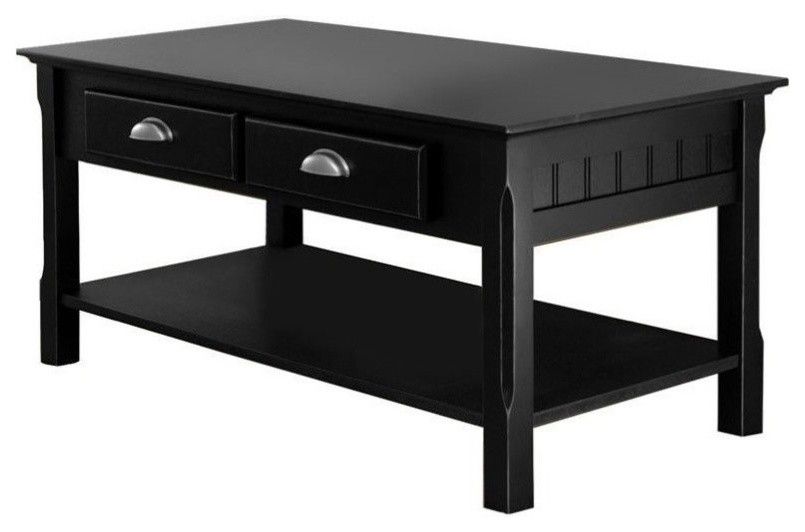
The history of console tables goes back hundreds of years, rooted in European grandeur and formal dining traditions. Originally designed to hold candles, books, and decorative objects, early console tables were heavy, ornate, and built for permanence. Think of the elaborate carved wood pieces with intricate details that graced the homes of wealthy families in the 18th century. These were not meant to be moved around; they were fixtures of the home. Traditional console tables featured symmetrical designs, often with marble tops and ornate metalwork. The proportions were deliberate – they needed to fill the space appropriately and complement the architecture of the room. Many of these pieces had drawers and cabinets, serving both aesthetic and practical purposes. The emphasis was always on craftsmanship and durability rather than versatility.
Mid-Century Modern Influence
The mid-century modern movement brought a revolutionary change to console table design. This era introduced clean lines, organic shapes, and a focus on functionality that resonated with post-war optimism. Designers like Charles Eames and George Nelson created pieces that were both beautiful and practical. The new console tables featured sleek wood tones, minimalist silhouettes, and innovative materials like molded plastic and fiberglass. These pieces broke away from the heavy, formal designs of the past. They became more approachable, inviting, and suitable for casual living spaces. The mid-century influence emphasized the concept of ‘less is more,’ which helped console tables become more adaptable to various interior styles. This period also saw the rise of console tables with integrated storage solutions, making them more practical for everyday use. The tables became less about displaying wealth and more about creating comfortable, livable spaces.
Contemporary Minimalist Aesthetic
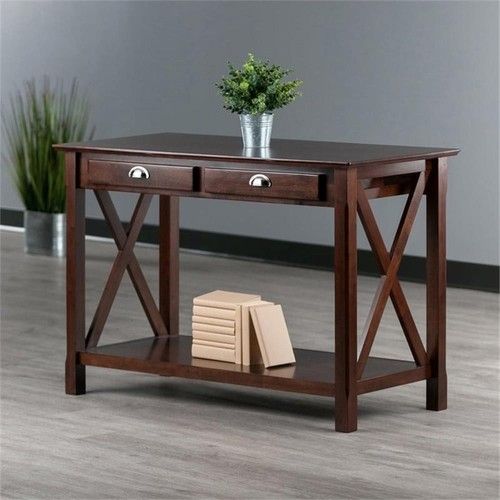
Today’s console tables reflect a strong minimalist philosophy that emphasizes simplicity and purpose. Modern designers strip away unnecessary elements to create clean, uncluttered pieces that serve their function without overwhelming the space. This approach focuses on quality materials and thoughtful construction rather than decorative excess. Contemporary console tables often feature neutral color palettes, natural wood finishes, and geometric forms. They’re designed to be versatile – working well in both traditional and modern settings. The trend toward minimalism has also led to innovative storage solutions within console tables. Hidden compartments, sliding drawers, and clever organizational features help keep spaces tidy while maintaining visual simplicity. These tables often incorporate sustainable materials and eco-friendly manufacturing processes, reflecting our growing environmental consciousness. The emphasis on functionality means that every element serves a purpose, from the shape of the table to the placement of any storage compartments.
Materials and Technological Integration
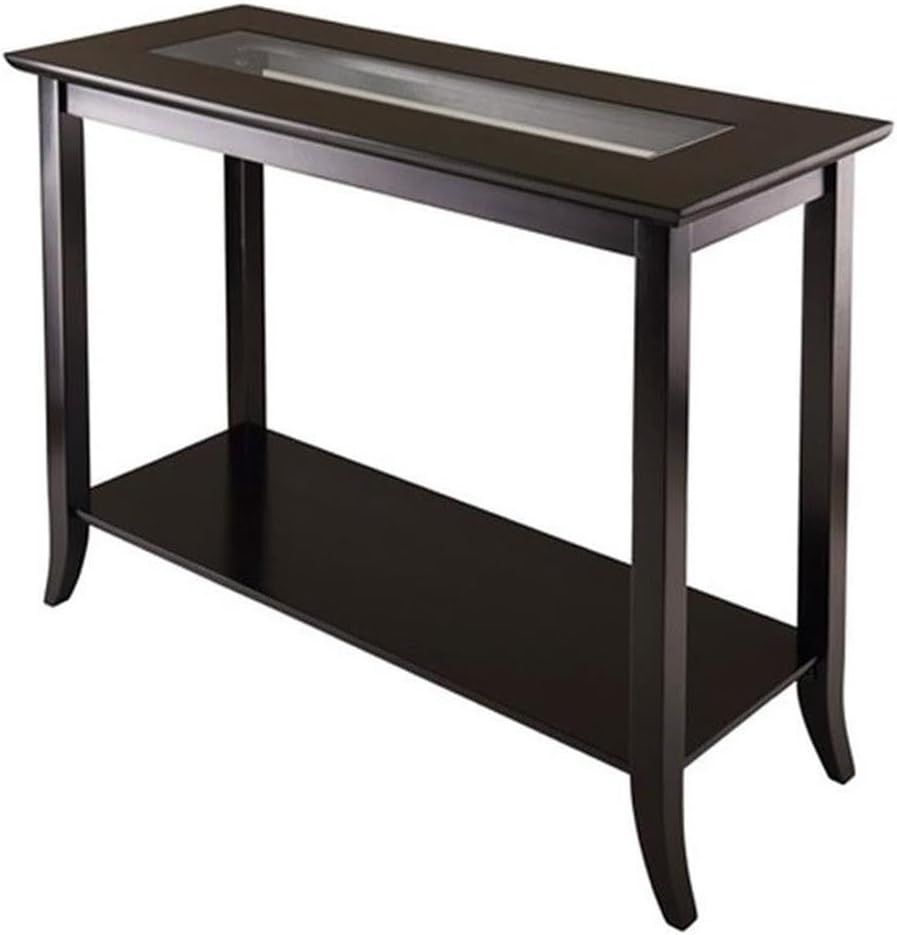
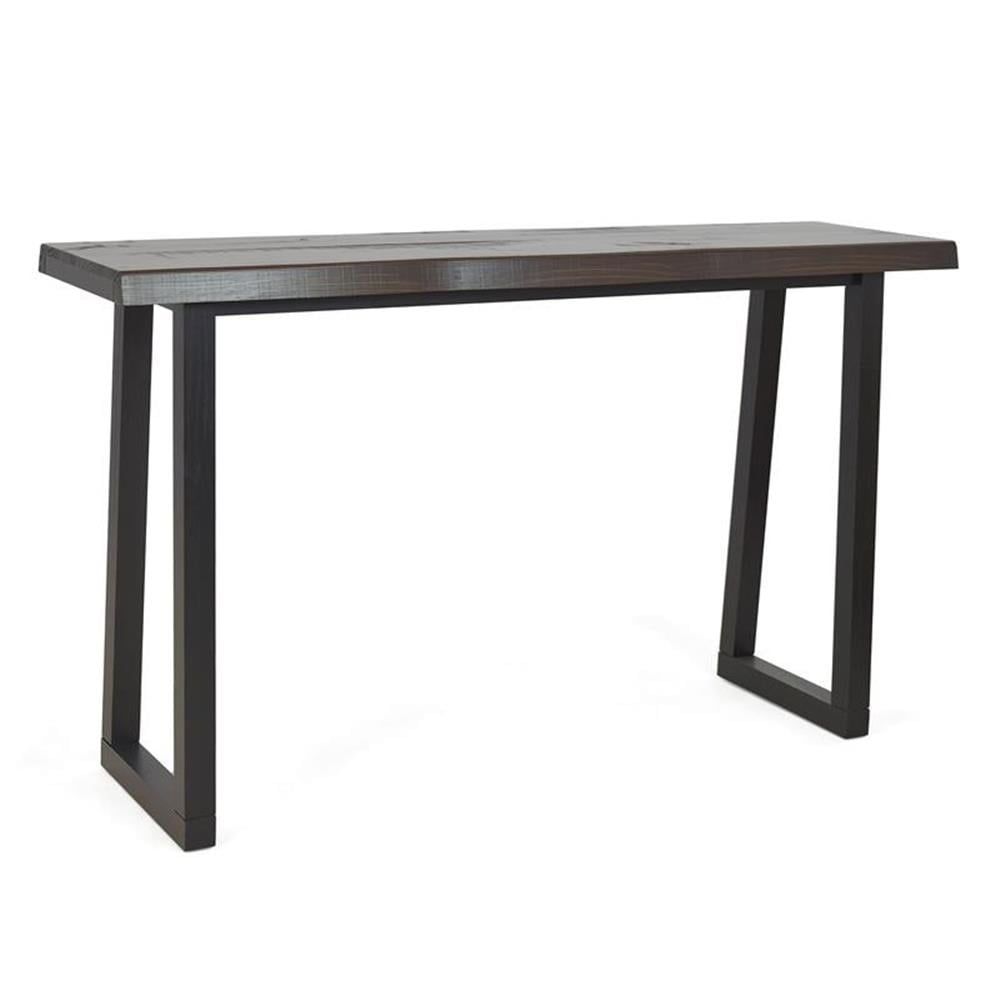
Modern console table design embraces a wide range of materials that weren’t available in earlier eras. Glass, steel, concrete, and reclaimed wood are now common choices that bring different textures and visual interest to spaces. The integration of technology has also changed how these tables function. Some contemporary pieces include built-in charging stations, wireless charging pads, and even smart lighting systems. The use of sustainable materials like bamboo and recycled metals reflects our growing awareness of environmental impact. These materials often offer unique aesthetic qualities – the natural grain of wood, the transparency of glass, or the industrial look of steel. The combination of traditional craftsmanship with modern materials creates pieces that feel both timeless and contemporary. Some designers experiment with unusual combinations, like mixing wood and metal or incorporating natural stone elements into sleek modern designs.
Versatility in Modern Living Spaces
One of the most significant changes in console table evolution is their adaptability to different room functions. These tables no longer just belong in entryways – they’re found in living rooms, bedrooms, and even kitchens. Their versatility comes from flexible design options and multiple uses. A console table might serve as a coffee table in the living room, a desk in a home office, or a display area in a bedroom. The variety of sizes allows them to fit into small spaces or make a bold statement in larger rooms. Modern console tables often feature modular designs that can be reconfigured based on changing needs. Some pieces come with removable components, allowing owners to customize the table according to their current lifestyle. This adaptability makes console tables particularly valuable for people who move frequently or live in smaller spaces.
Personalization and Customization Trends
Current console table design shows a strong trend toward personalization and customization. Homeowners want pieces that reflect their individual style and preferences. This has led to increased demand for custom-made tables and modular options that can be tailored to specific spaces. Many manufacturers now offer choice of materials, finishes, and dimensions to create truly unique pieces. The rise of online platforms has made it easier for customers to visualize and order personalized furniture. Custom console tables allow people to incorporate their favorite colors, textures, and design elements. Some designers work directly with clients to create one-of-a-kind pieces that perfectly match their vision. This trend toward personalization also includes considerations like accessibility – ensuring that console tables work well for people of all ages and abilities. The customization aspect has made console tables more democratic, allowing people with different budgets to find pieces that suit their needs.
The journey of console table design from formal, ornate pieces to modern, multifunctional elements tells us a lot about how our lives and homes have evolved. These tables have adapted to our changing lifestyles, our growing appreciation for sustainability, and our desire for personal expression. Today’s console tables represent more than just furniture – they’re reflections of our values, our aesthetic preferences, and our practical needs. Whether you prefer the clean lines of contemporary minimalist design or the warmth of traditional craftsmanship, there’s a console table that fits your space and style. The key is understanding how these pieces have transformed over time and choosing one that speaks to both your functional requirements and your personal taste. As we continue to evolve as a society, console tables will undoubtedly continue to adapt, proving that good design is always about meeting people where they are, not where they were.