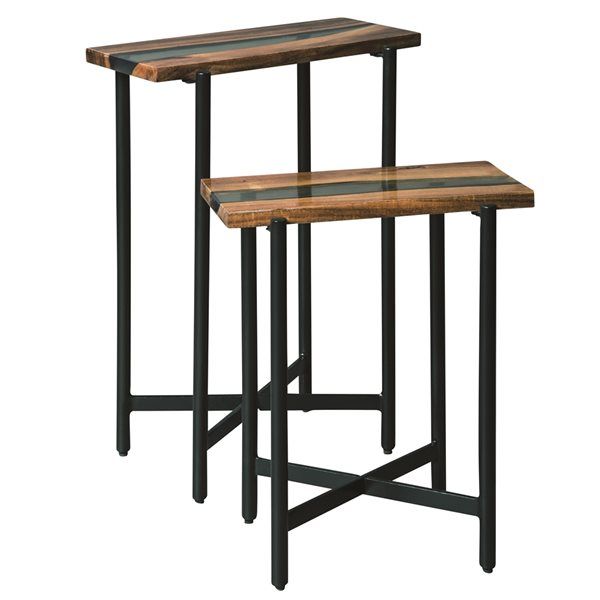
In today’s fast-paced world, we crave spaces that offer calm and connection. Contemporary furniture designers have found the perfect solution: using natural materials to create balance between the organic and the modern. These elements don’t just look good – they actually make us feel better.
Think about the last time you sat in a space that felt truly comfortable. Maybe it was a cozy reading nook with warm wood tones, or perhaps a sleek modern dining table made from reclaimed timber. What made these spaces special wasn’t just their appearance, but something deeper. They created a sense of equilibrium – a perfect blend of form and function that spoke to our fundamental need for harmony.
This balance becomes even more important when we consider how furniture impacts our daily lives. We spend countless hours sitting, lying, working, and relaxing on pieces that surround us constantly. When these pieces incorporate natural materials, they don’t just fill a room – they transform it into something that feels alive and connected to the world around us.
The Foundation of Natural Materials
Natural materials form the backbone of balanced contemporary furniture design. These aren’t just fancy additions – they’re essential components that ground modern aesthetics in something familiar and comforting.
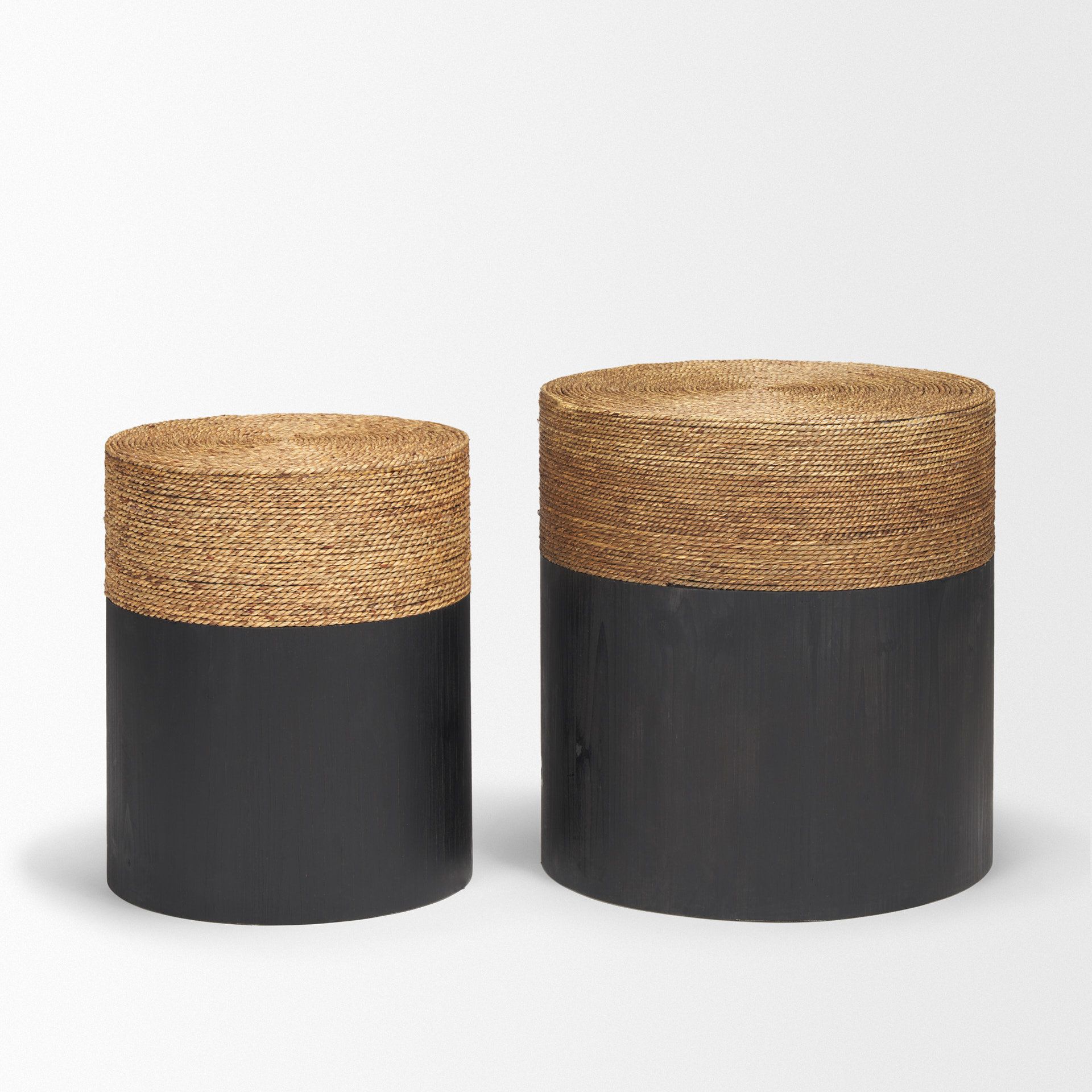
Wood stands out as the most versatile and widely used material. From oak and maple to bamboo and rattan, each type brings its own unique characteristics. Oak provides strength and classic beauty, while bamboo offers sustainability and a fresh, modern look. The grain patterns in wood create visual interest that keeps our eyes engaged without overwhelming us.
Stone and metal also play crucial roles. Natural stone like marble or granite adds weight and permanence to designs. It’s not just decorative – it creates a sense of stability that balances lighter, more airy elements. Metal, when used thoughtfully, can add industrial sophistication while maintaining the overall natural feel when combined with wood or stone.
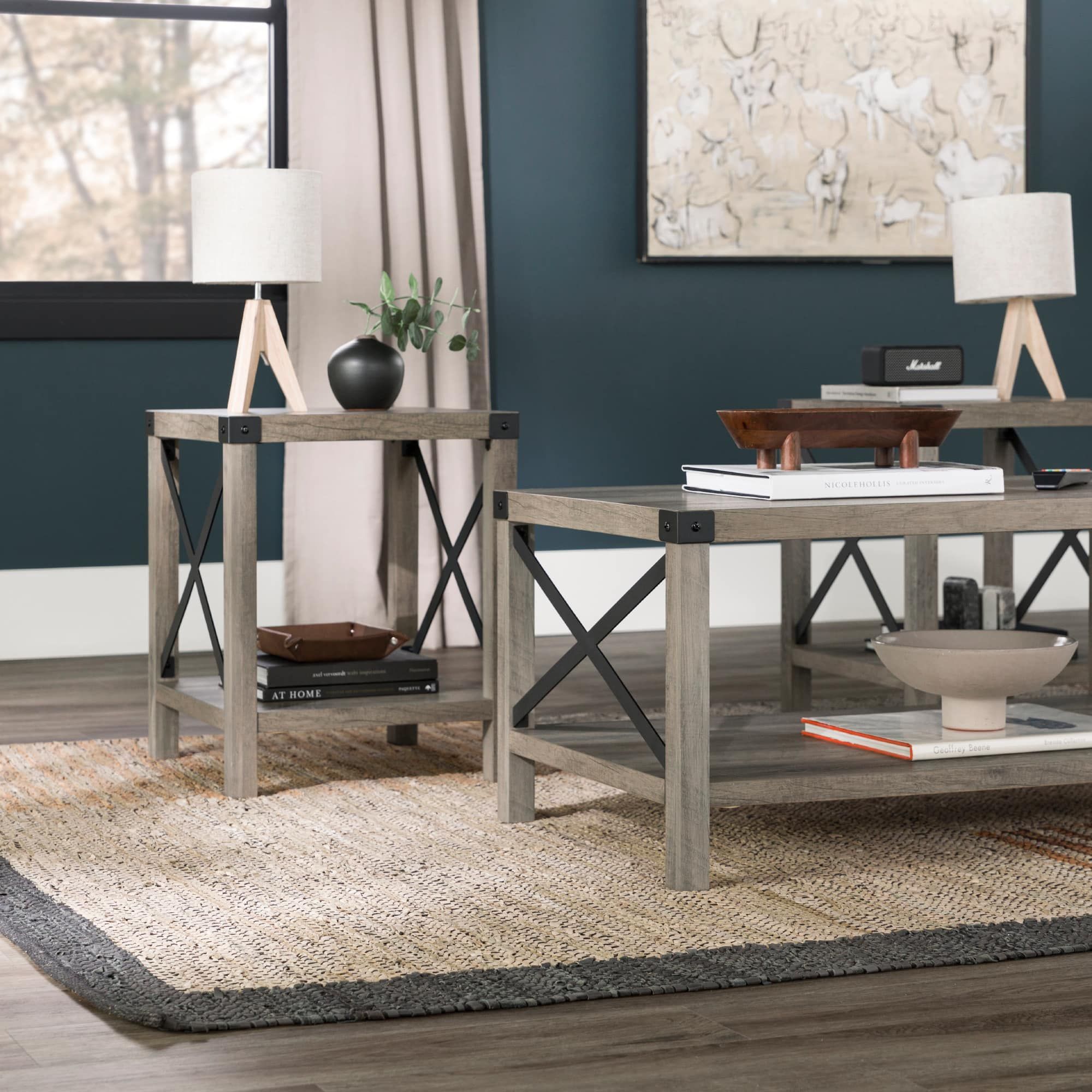
The key insight here is that these materials work best not as isolated elements, but as parts of a larger conversation. When you see a coffee table with a stone top and wooden legs, you’re witnessing this dialogue happening visually and tactilely. The different textures speak to different senses, creating a richer experience than any single material could provide alone.
Color Harmony in Natural Materials
Colors matter deeply in how we perceive balance. Natural materials offer an incredible palette that feels both sophisticated and grounded.
Earth tones dominate natural furniture design. Warm browns, soft beiges, and muted greens create spaces that feel inviting and restful. These colors aren’t harsh or jarring – they’re the kind of hues that make you want to stay in a room longer. Think of a dining chair with a natural wood finish – the color seems to breathe with life.
But it’s not just about matching colors. The way natural materials interact with light creates subtle variations that keep spaces feeling fresh and dynamic. A piece of furniture might appear one color in morning light, shift subtly during the day, and then take on a completely different character in evening glow. This natural evolution makes the space feel alive rather than static.
Consider how a white oak dining table might look different under various lighting conditions. In bright daylight, it shows off its rich grain pattern. At dusk, the same table might appear almost golden, creating a different mood entirely. This flexibility is one of nature’s gifts to furniture designers.
Texture and Sensory Experience
When we think about furniture, we often focus on what we see. But the true magic happens when we engage all our senses. Natural materials excel in this area because they offer a full sensory experience.
Wood has a unique texture that changes with age and use. A well-used wooden chair develops a smooth surface through years of sitting, while the wood itself maintains its natural character. This evolution tells a story that’s both personal and universal. The gentle roughness of unfinished wood contrasts beautifully with the polished smoothness of finished surfaces.
Stone brings a cool, solid presence that’s both grounding and refreshing. The slight variations in natural stone create tiny differences that our fingers can feel even when we’re not looking at them directly. These textures invite touch, encouraging us to connect with the furniture on a physical level.
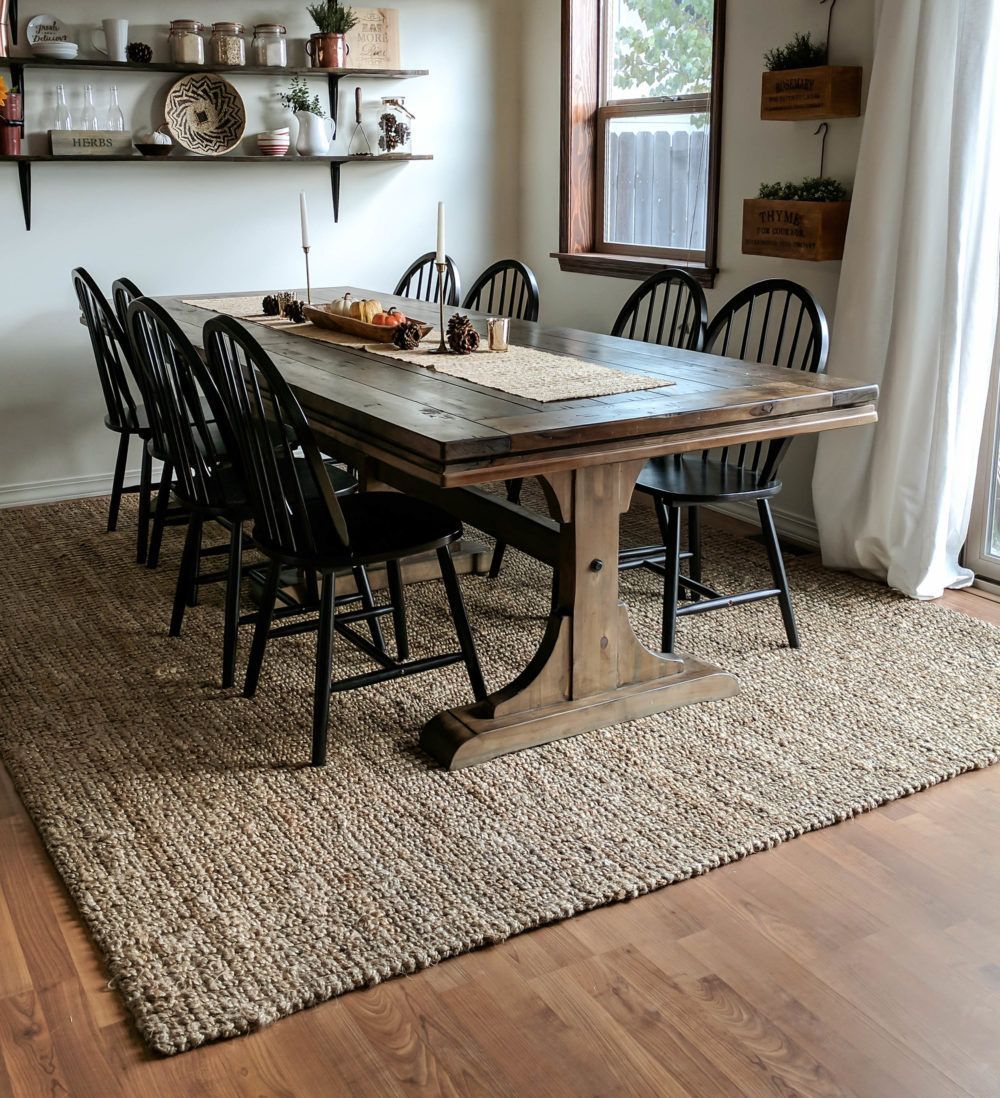
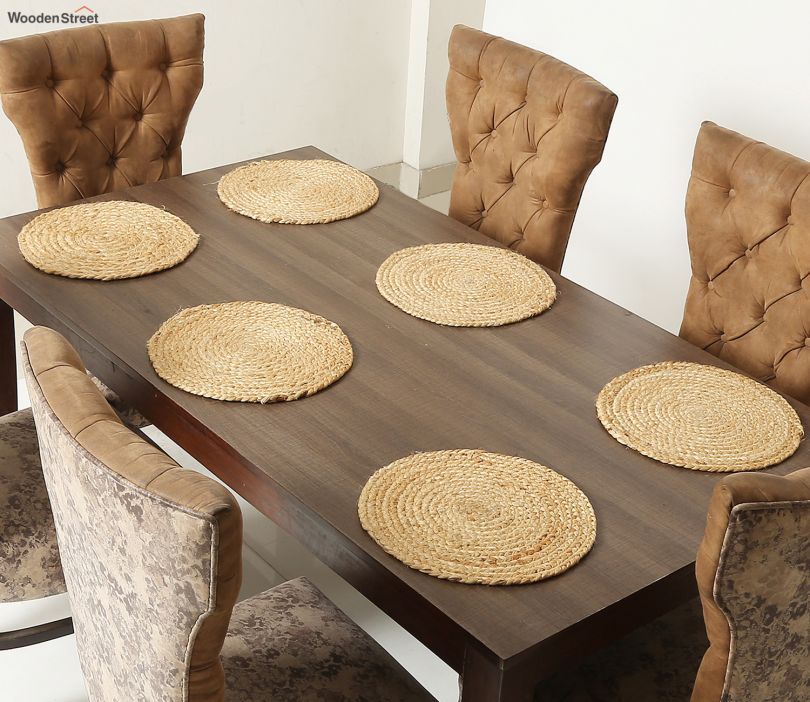
Rugs made from natural fibers like sisal or jute add another layer of sensory engagement. The way these materials feel underfoot creates an immediate sense of comfort and connection to the earth. They’re not just decorative – they’re part of the furniture ecosystem that surrounds us.
The combination of these textures creates what designers call "tactile rhythm" – a pleasing progression that guides our hands and minds through the space naturally.
Sustainability and Ethical Considerations
Contemporary furniture design increasingly focuses on environmental responsibility, and natural materials often provide the path forward. When we choose materials that come from sustainable sources, we’re not just making better furniture – we’re making better choices for the future.
Reclaimed wood tells powerful stories. Each piece carries memories of previous uses, whether it’s an old barn beam or salvaged floorboards. Using these materials means giving new life to existing resources rather than consuming fresh timber. The result is furniture that’s both beautiful and ethical.
Bamboo grows incredibly fast, making it one of the most sustainable options available. It’s strong enough for furniture construction while being renewable within just a few years. This rapid growth cycle means we can enjoy beautiful natural materials without depleting forests or disrupting ecosystems.
The ethical dimension goes beyond just sourcing. When designers consider how materials will age and change over time, they’re thinking about long-term impact. Natural materials often age gracefully, developing character rather than deteriorating quickly. This longevity reduces waste and supports more responsible consumption patterns.
Many consumers today actively seek out furniture that reflects their values. They want pieces that tell stories of sustainability and care, not just aesthetic appeal. This growing awareness is changing how designers approach material selection.
Practical Applications in Daily Life
The real test of natural materials comes in how they perform in everyday situations. How do they handle daily wear? Do they create lasting comfort? Let’s explore some common scenarios where natural materials shine.
Kitchen islands often benefit from natural stone tops paired with wood bases. The stone handles heat and spills gracefully, while the wood adds warmth and personality. This combination works perfectly for busy households where functionality meets style.
Bedroom furniture made with natural materials tends to create better sleep environments. The wood grain in a nightstand or dresser provides visual calm, while natural fabrics in bedding create a soft, inviting atmosphere. These materials simply feel better against our skin and in our living spaces.
Living rooms often showcase the versatility of natural materials. A sofa with natural leather upholstery combines luxury with durability. The wood frame provides structural support, while the natural material ages beautifully over time. It’s a piece that improves with use rather than deteriorates.
These practical applications show that natural materials aren’t just pretty decorations – they’re functional solutions that enhance our daily experiences.
Design Principles for Natural Material Balance
Creating harmony with natural materials requires understanding basic design principles. These aren’t rigid rules, but guidelines that help ensure balance.
Proportion and Scale: Natural materials work best when they’re appropriately scaled to their environment. A large stone accent wall might overwhelm a small room, while a small wooden side table can easily dominate a vast space. Understanding scale helps maintain visual balance.
Variation and Repetition: Using natural materials in varying degrees of repetition creates interesting patterns. For example, using natural wood in multiple pieces throughout a room – a table, chairs, and shelving – creates unity while still allowing individual elements to stand out.
Contrast and Complement: Natural materials naturally create contrast. The coolness of stone versus the warmth of wood, or the smoothness of metal versus the texture of wood, can be powerful. But it’s important to ensure this contrast enhances rather than disrupts the overall design.
Seasonal Considerations: Natural materials often respond to seasonal changes in light and temperature. A piece that looks perfect in summer might feel too heavy in winter. Designers must consider how materials will behave throughout the year.
These principles help create furniture that not only looks good but also feels right in any given moment.
The Psychology Behind Natural Materials
There’s science behind why natural materials make us feel better. Our brains are wired to respond positively to organic textures and forms, a concept called biophilic design.
Research shows that exposure to natural materials reduces stress and increases feelings of well-being. The irregular patterns found in wood grain or stone surfaces seem to resonate with our brain’s preference for natural order. This isn’t random – it’s evolutionary. Our ancestors spent most of their time surrounded by natural materials, so our brains are wired to find them comforting.
Natural materials also create what psychologists call ‘sensory richness.’ When we encounter multiple textures, colors, and forms in one space, our brains stay engaged without becoming overwhelmed. This balance of stimulation and calm is exactly what we need in our increasingly digital world.
The psychological benefits extend beyond just comfort. Natural materials in furniture can improve focus and creativity. Many people report feeling more productive when working near natural materials, whether it’s a wooden desk or a stone accent wall. This effect isn’t just anecdotal – studies support the idea that natural elements boost cognitive performance.
Understanding these psychological effects helps explain why natural materials have become so popular in contemporary design. They’re not just fashionable – they’re fundamentally beneficial to our mental and emotional health.
Future Trends in Natural Material Integration
The furniture industry continues evolving, and natural materials are leading this transformation. New technologies and approaches are expanding what’s possible while maintaining the core principles of balance and harmony.
New Processing Techniques: Advances in how we process natural materials mean we can create stronger, more consistent products while still preserving their natural character. Modern treatments can make wood more resistant to moisture while keeping its organic appeal.
Hybrid Materials: Designers are creating new combinations that blend natural and synthetic elements. These hybrid materials maintain the benefits of natural materials while offering improved durability or cost-effectiveness.
Smart Natural Materials: Some companies are exploring ways to incorporate technology into natural materials without losing their essence. Imagine a wooden table that can monitor temperature or a stone surface that responds to touch.
Circular Design: The movement toward circular economy principles means more furniture will be designed with end-of-life considerations in mind. Natural materials fit perfectly into this model because they can be recycled or composted more easily than synthetic alternatives.
These trends suggest that natural materials won’t just remain popular – they’ll become even more sophisticated and integrated into our daily lives. The future looks bright for those who appreciate the balance between modernity and nature.
Creating balance with natural materials in contemporary furniture isn’t just about aesthetics – it’s about crafting spaces that support our well-being and reflect our values. These materials offer something that synthetic alternatives simply cannot match: authenticity. They connect us to the earth, to history, and to each other in ways that feel both ancient and modern.
Whether you’re designing a new home, updating an existing space, or simply looking to make better choices about the furniture in your life, remember that natural materials provide a foundation for balance that’s both practical and profound. They don’t demand attention – instead, they create a gentle presence that makes everything else feel more centered and harmonious.
The beauty of natural materials lies in their ability to evolve with us. As we grow and change, so do the pieces that surround us. They age gracefully, develop character, and continue to support our lives in meaningful ways. This is the true power of integrating natural elements into contemporary design – not just creating beautiful objects, but building relationships with the materials that shape our daily experiences.