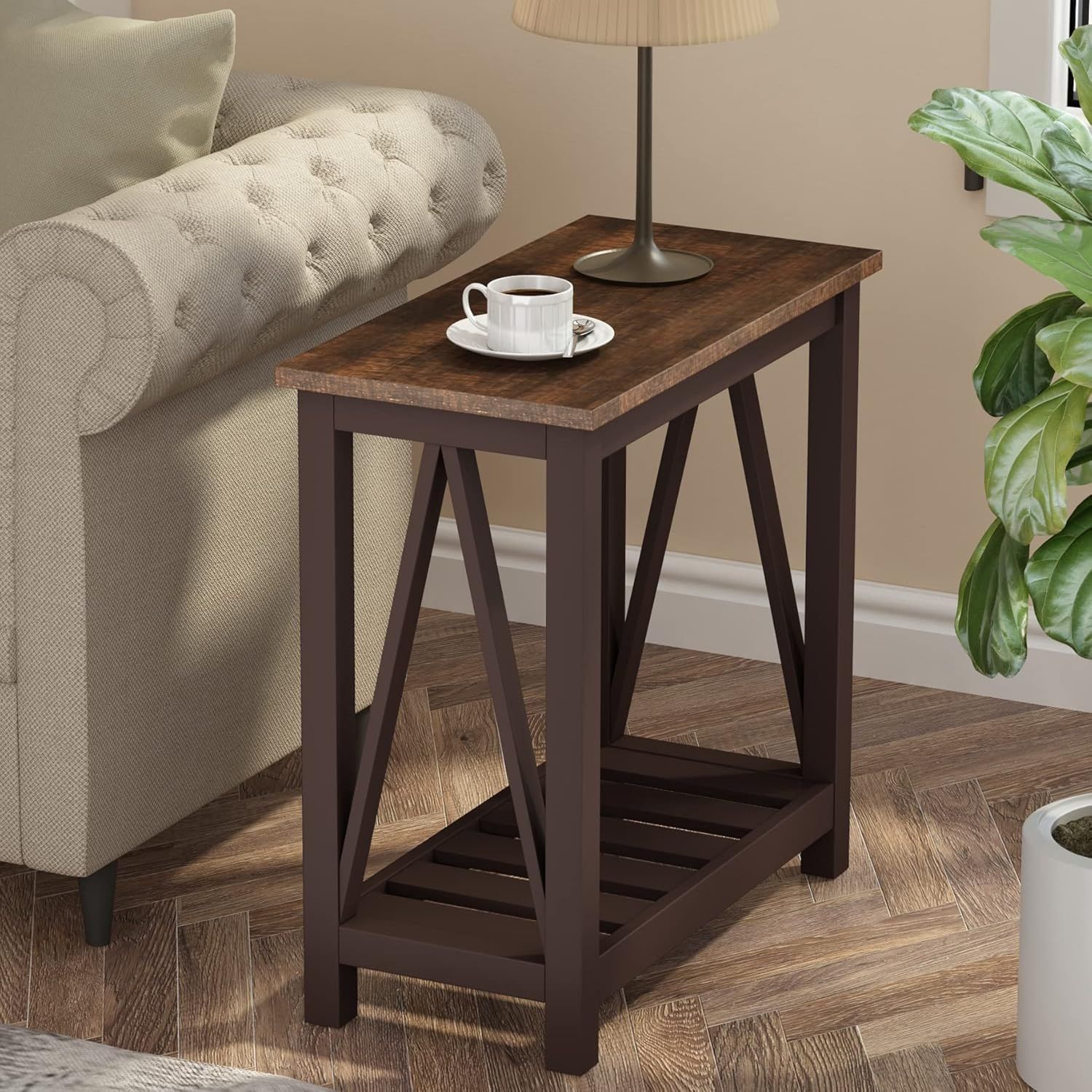
In the world of home decor, some pieces just have a way of standing out, don’t they? They possess a certain je ne sais quoi that transcends mere function. Vintage narrow side tables are precisely that kind of item. Often overlooked in favor of grander furniture, these petite powerhouses pack a serious punch when it comes to both style and utility. Let’s dive deep and uncover why these charming pieces are such enduringly popular and incredibly adaptable additions to any home.
You’ve probably seen them – those slender, often intricately designed tables that seem to fit perfectly into the tightest of spots. They might be tucked beside a sofa, nestled in a hallway, or even standing proudly on their own in a cozy corner. These are vintage narrow side tables, and while their name suggests a singular purpose, their actual capabilities are far more extensive. They whisper tales of bygone eras, bringing with them a unique character that mass-produced furniture simply can’t replicate. But beyond their aesthetic charm, what makes them so special and so useful? Let’s explore the world of these often-underestimated gems.
A Glimpse into History: Where Did They Come From?
The concept of small, accent tables isn’t new. Historically, various cultures have utilized small surfaces for convenience and display. However, the narrow side table as we recognize it today really gained traction with evolving interior design trends, particularly in the Victorian and Edwardian eras. As homes became more furnished and elaborate, smaller tables were developed to hold lamps, books, and decorative items without overwhelming a room. Their ‘narrow’ design was often a practical response to the need for space-saving solutions in increasingly crowded urban dwellings. Many were crafted with meticulous detail, reflecting the craftsmanship of their time – think ornate carvings, beautiful wood grains, and elegant leg designs. These weren’t just functional items; they were often considered decorative pieces in their own right, contributing to the overall ambiance of a room.
The Anatomy of a Narrow Side Table: What to Look For
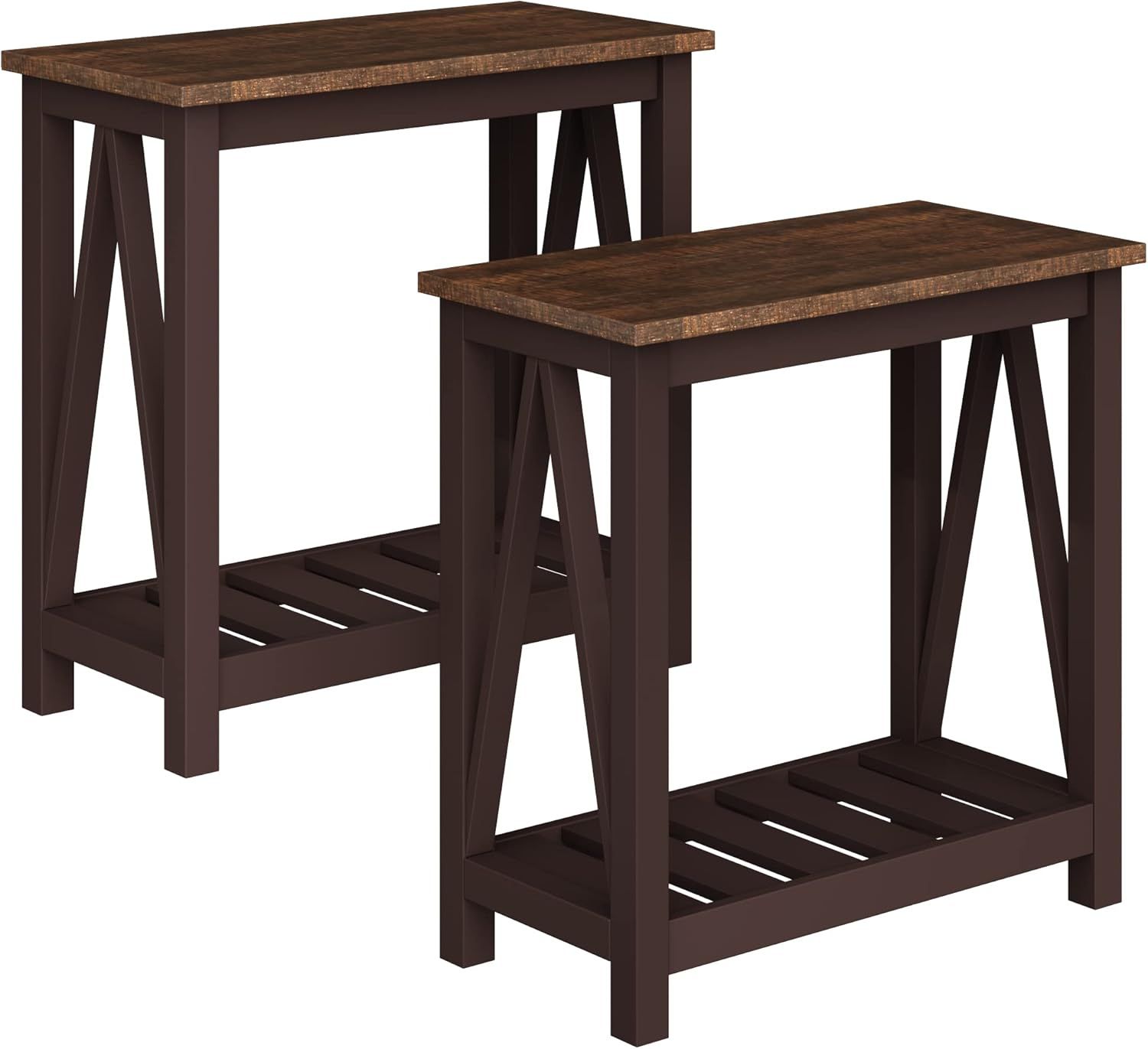
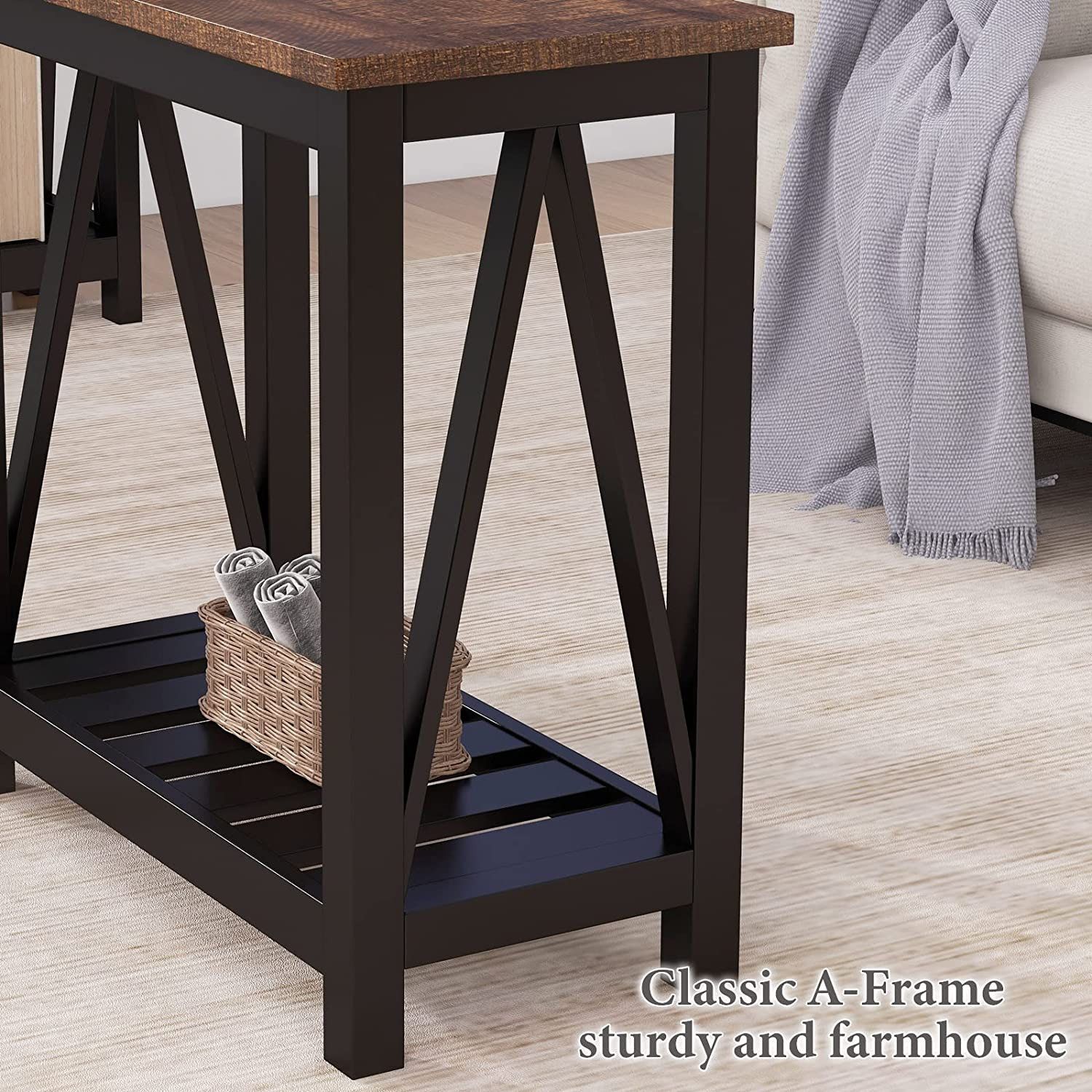
When we talk about vintage narrow side tables, there’s a wide spectrum of styles and materials. You might find them made from rich hardwoods like mahogany, walnut, or oak, often showcasing beautiful natural patterns. Some possess a more delicate, perhaps even painted, finish, reflecting French provincial or cottage styles. The legs can vary dramatically – from sturdy, square posts to slender, turned spindles, or even gracefully curved cabriole legs. The tabletops might be simple and flat, or they could feature a gallery edge to prevent items from sliding off. Some even have a small drawer or shelf for added storage. What unites them is their compact footprint and their ability to add a touch of curated history to your decor. Don’t shy away from pieces that show a bit of wear; that’s part of their story and their charm. A little patina can add a lot of character, truly.
The Unbeatable Versatility: Beyond the Sofa’s Side
This is where the magic truly happens. The ‘narrow’ aspect is key to their adaptability. They’re not just for holding your teacup and remote. Think about these possibilities:
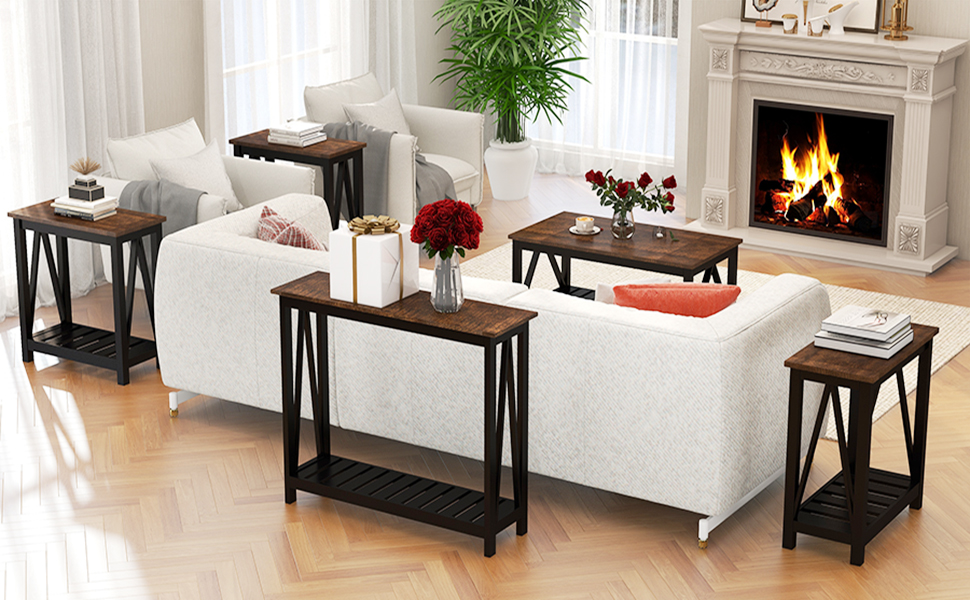
- Entryway Accent: A narrow table in your foyer offers a spot to drop keys, sort mail, or display a vase of flowers, creating a welcoming first impression.
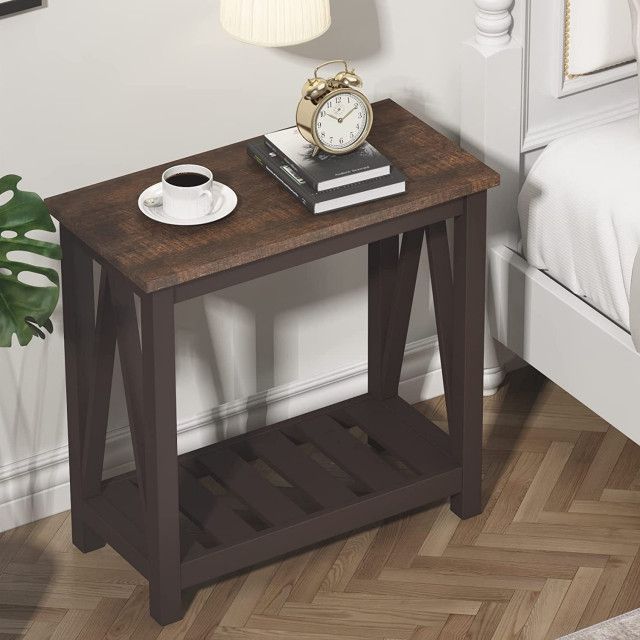
- Bedside Companion: Perfect for smaller bedrooms where a full-sized nightstand would feel bulky. It holds your book, alarm clock, and a glass of water without dominating the space.
- Living Room Powerhouse: Beside an armchair, it’s the ideal spot for a reading lamp, your current novel, and perhaps a coaster. It can also serve as a stylish surface for a small decorative lamp or a framed photo.
- Hallway Hero: In a narrow hallway, it can break up the monotony and provide a place for decorative items, like a small sculpture or a potted plant.
- Kitchen Corner: A slim table can tuck into a kitchen nook, offering extra prep space, a spot for a cookbook, or a place to stash your phone while you cook.
- Bathroom Butler: In a larger bathroom, a narrow table can hold toiletries, towels, or decorative elements, adding a touch of elegance.
- Display Stand: Use it to showcase a treasured collectible, a small piece of art, or a beautiful plant. Its slender profile ensures the focus remains on the displayed item.
Styling Your Vintage Find: Integrating with Modern Decor
Worried about a vintage piece clashing with your contemporary style? Don’t be. The beauty of vintage narrow side tables is their ability to bridge different design aesthetics. Here are a few tips for seamless integration:
- Juxtaposition is Key: Place a classic wooden table next to a modern, minimalist sofa. The contrast can be striking and sophisticated.
- Color Coordination: If your table has painted elements, tie it into your room’s color scheme with accessories. Even a natural wood tone can be complemented by accent colors in pillows or artwork.
- Keep it Balanced: Avoid overcrowding. A narrow table is meant to be a subtle addition. Let it breathe and don’t pile too many items on it.
- Mix and Match Materials: Combine the wood of your table with metal accents in your room, or complement a painted table with upholstered furniture.
- Focus on Function: Sometimes, the most stylish approach is to let the table serve its purpose. A well-placed lamp on a vintage table is a timeless look.
Caring for Your Treasure: Maintaining Its Charm
Vintage furniture often requires a little extra love, but it’s usually quite straightforward. For wooden tables, regular dusting with a soft cloth is usually sufficient. If you need to clean it more thoroughly, use a wood cleaner specifically designed for your type of wood, and always test in an inconspicuous area first. Avoid harsh chemicals or excessive moisture, as these can damage the finish. For painted surfaces, a gentle wipe-down is best. If you notice any minor scratches or wear, consider using a furniture polish or wax that can help to blend them in and protect the surface. Remember, the goal is to preserve its character, not to make it look brand new. A little bit of age only adds to its appeal, after all.
Where to Find Your Perfect Piece
The thrill of the hunt is part of the joy of acquiring vintage furniture. You can discover these treasures in a variety of places:
- Antique Shops and Flea Markets: These are classic hunting grounds. Be prepared to browse and perhaps negotiate.
- Online Marketplaces: Websites like Etsy, eBay, and even local classifieds often have a wide selection. You can often filter by size and style.
- Estate Sales: These can be fantastic for finding unique pieces at good prices, as they often offer a wide variety of household items.
- Vintage Furniture Stores: Dedicated stores often curate a selection of well-maintained vintage pieces.
When you’re looking, don’t be afraid to envision the piece in your space. Measure your intended spot to ensure it will fit. And most importantly, choose a table that speaks to you – one whose character and history you’ll enjoy for years to come.
So, there you have it. Vintage narrow side tables are far more than just furniture with a small footprint. They are versatile, functional, and brimming with character. They offer stylish solutions for even the most challenging spaces and bring a unique sense of history and warmth into our homes. Whether you’re looking to add a touch of elegance to your entryway, a practical bedside companion, or a charming display surface, these petite tables deliver. They prove that sometimes, the most impactful additions to a room are the ones that are thoughtfully chosen and possess a story to tell. Don’t underestimate the power of the narrow; it might just be the perfect fit for your decor needs.