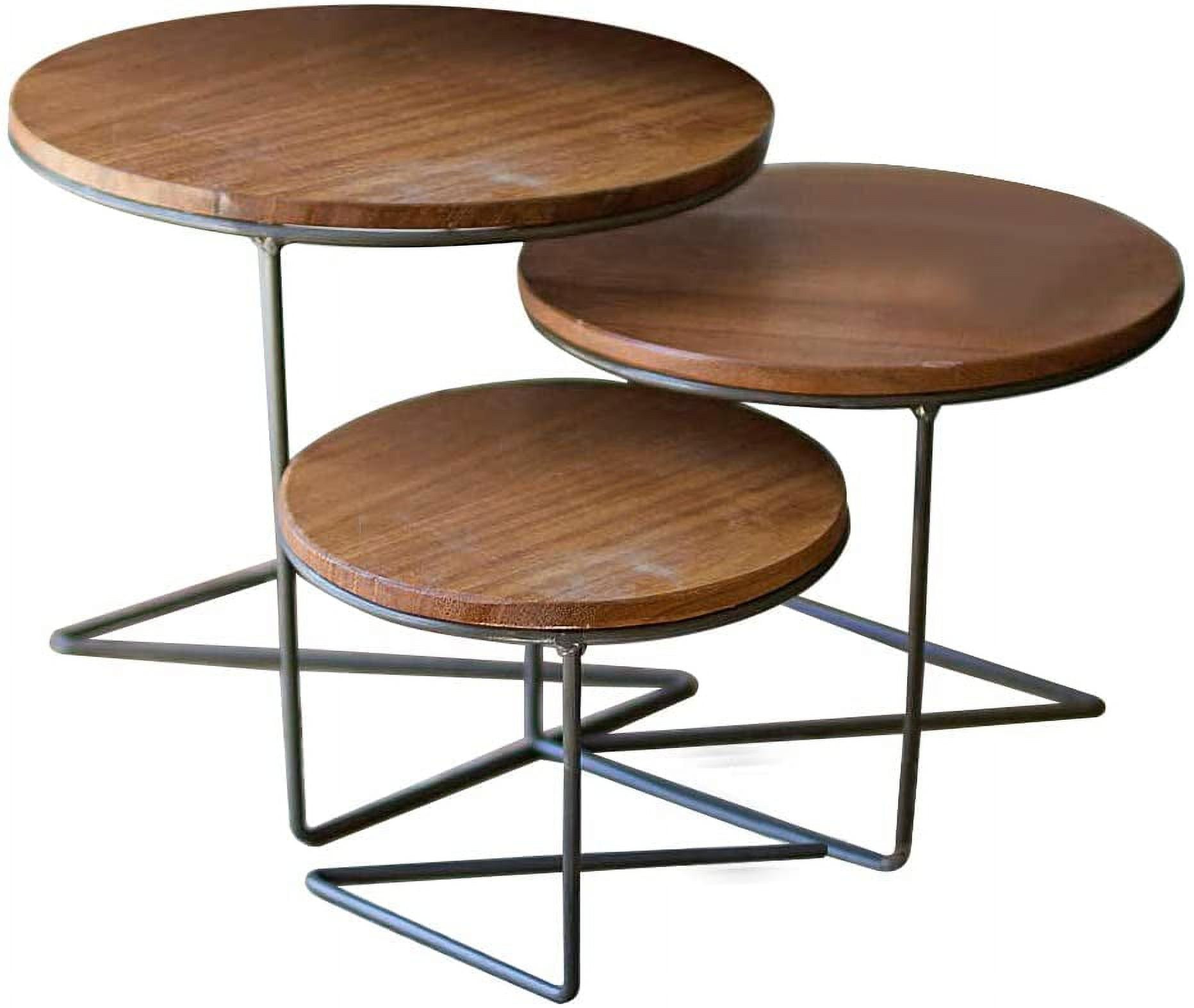
Ever walk into a store or a beautifully decorated room and feel an immediate sense of visual harmony? Often, that captivating aesthetic isn’t just about the items themselves, but how they’re presented. One of the most effective, yet often overlooked, techniques is layering. And at the heart of successful layering? You guessed it: display risers. These simple tools are the unsung heroes of visual appeal, allowing you to break free from flat, uninspired arrangements and build dynamic, eye-catching displays. Let’s delve into how they work their magic.
Think about a perfectly arranged bookshelf or a vibrant market stall. What makes them so appealing? It’s the sense of depth, the way your eyes are guided through the arrangement, and the feeling that there’s more to discover. This is the power of layering. Without it, displays can feel static, boring, and frankly, a little flat. Layering introduces visual interest, creates focal points, and makes it easier for people to engage with what you’re showcasing. But how do you achieve this without making a mess? That’s where display risers come in, providing structure and elevation to your layered vision.
The Foundation of Visual Interest: What are Display Risers?
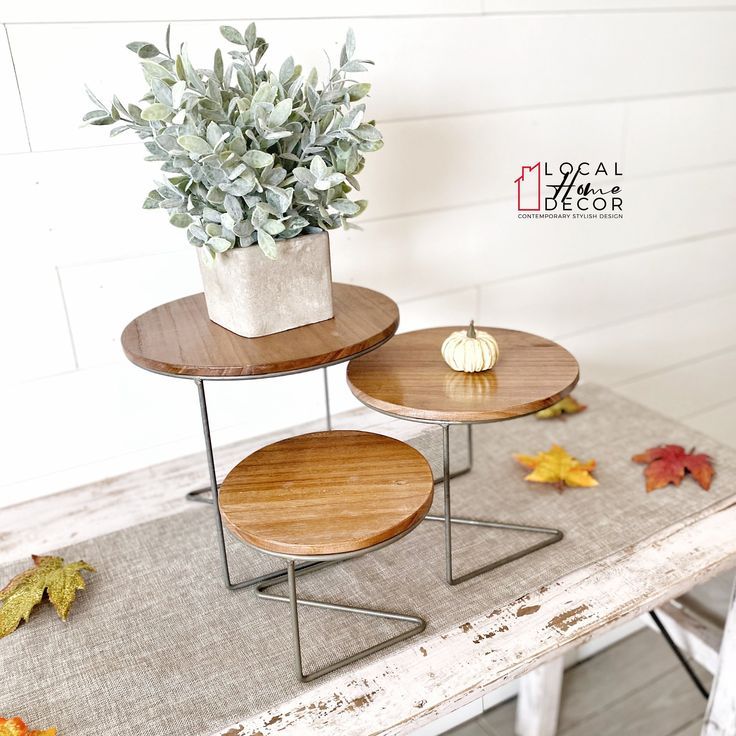
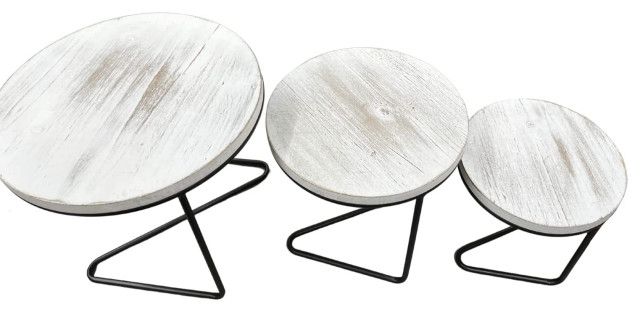
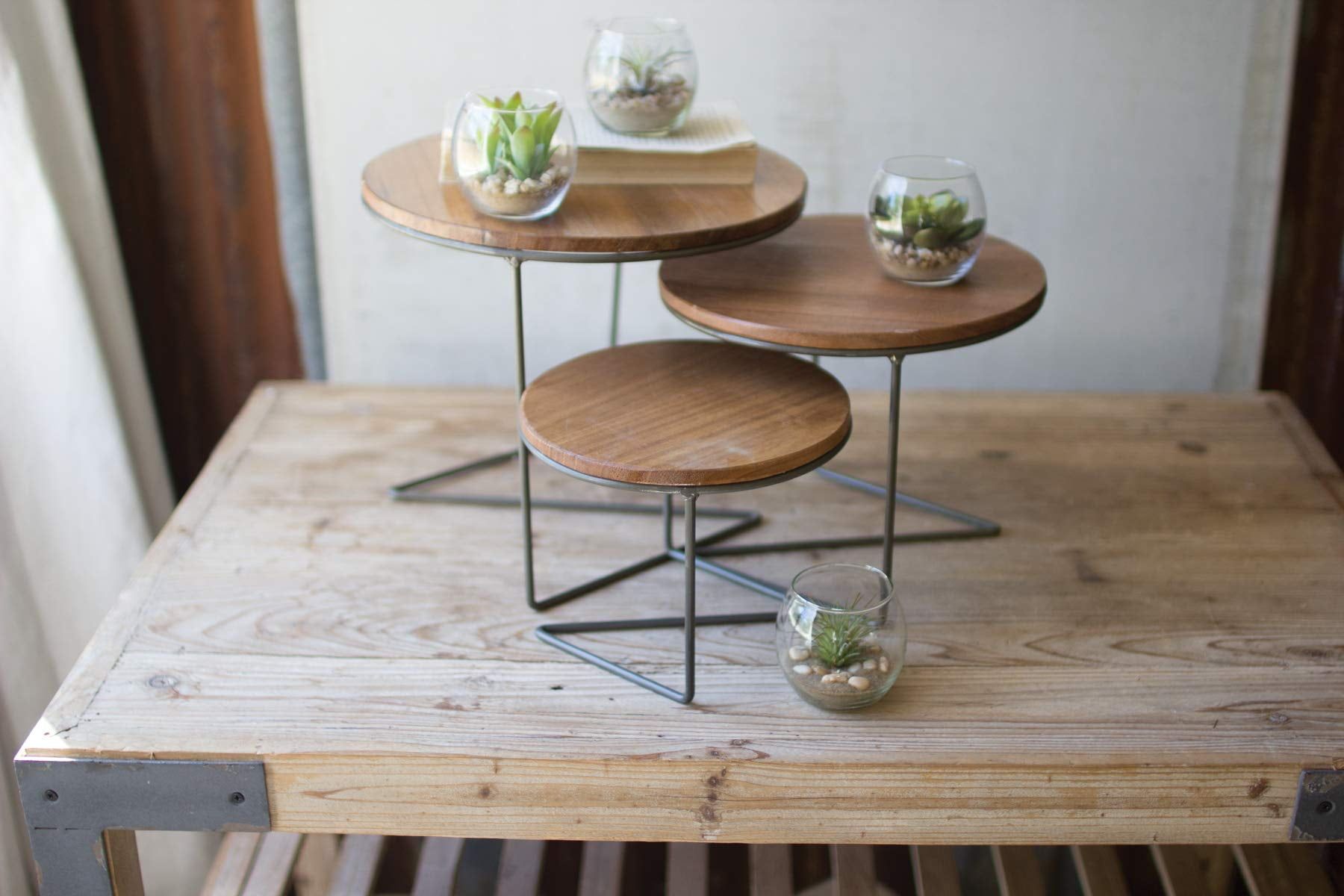
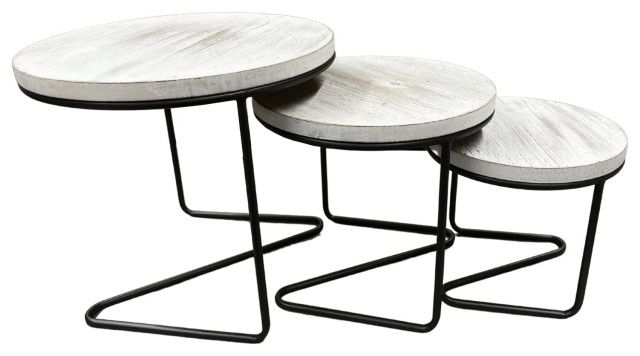
At their core, display risers are simply objects designed to lift other items. They come in an astonishing variety of shapes, sizes, and materials – think clear acrylic cubes, rustic wooden blocks, sleek metal stands, and even repurposed vintage crates. Their primary purpose is to elevate merchandise or decorative pieces, breaking up a monotonous plane and creating different levels within a display. This elevation is key to unlocking visual appeal because it immediately adds dimension. Instead of everything sitting side-by-side, you get a sense of foreground, middle ground, and background, much like in a painting. This makes your display more dynamic and engaging. It’s like giving your items a stage to perform on, rather than just letting them lie around.
Creating Depth and Dimension: The Layering Effect
Imagine arranging a collection of pottery. If you place them all on a single shelf, it’s… fine. But if you use risers to elevate some pieces, suddenly you have a visually rich composition. A shorter vase in front, a taller one behind it on a riser, perhaps a small decorative object on an even higher platform – this creates layers. Your eyes naturally move up and down, exploring the arrangement. This technique is invaluable in retail for showcasing products. It allows you to highlight key items, create a sense of abundance without clutter, and guide the customer’s gaze. For home decorators, it transforms a simple shelf into an artful vignette. The key is to think about how different heights interact and guide the viewer’s eye through the arrangement, creating a narrative or a flow.
Beyond Height: Strategic Placement and Variety
It’s not just about stacking things up. The real art lies in the strategic placement and the variety of risers you use. Consider the materials: mixing clear acrylic with wood can add texture and contrast. Think about the shapes: a cube riser might work for one item, while a tiered stand could be perfect for a grouping. Placement is also crucial. Don’t just put a riser in the back; experiment with placing them at different depths within your display. For instance, on a retail shelf, you might have a key product at the front, a riser with a complementary item slightly behind it, and then another riser with a supporting product further back. This creates a sense of intrigue and encourages customers to look closer. Remember, the goal is to create a visually pleasing composition, not just a collection of elevated objects. It’s about thoughtful curation and deliberate design choices.
Practical Applications: Retail, Home Decor, and More
The versatility of display risers is truly remarkable. In a retail environment, they’re essential for visual merchandising. Think about how jewelry stores use tiered stands to display necklaces and earrings, or how boutiques elevate handbags to make them pop. Even in a grocery store, you’ll see risers used to create appealing arrangements of produce or packaged goods. For home decorators, risers are fantastic for creating dynamic shelf displays, elevating plants to catch more light, or organizing countertops with style. They can be used for art installations, trade show booths, and even for organizing craft supplies. Wherever you need to add visual interest and structure to a collection of items, risers are your secret weapon. They transform the mundane into the memorable.
Choosing the Right Risers for Your Needs
With so many options, how do you pick the right risers? Start by considering what you’re displaying and the overall aesthetic you’re aiming for. Are you showcasing delicate items that need a subtle, clear riser? Or are you going for a rustic look that calls for wooden crates? Think about the size and weight of your items; you’ll need risers sturdy enough to support them. For a clean, modern look, acrylic or metal risers often work best. If you’re going for a more organic or vintage feel, wood, stone, or even repurposed materials can be excellent choices. Don’t be afraid to mix and match, but do so with intention. The goal is to complement your items, not to overpower them. Consider the environment too – will the risers be exposed to a lot of handling? Durability becomes more important then. It’s about finding that sweet spot between functionality and form.
Common Pitfalls to Avoid
While risers are powerful tools, there are a few common mistakes people make. One is overdoing it – too many risers, or risers that are too tall, can make a display look cluttered and chaotic rather than organized and appealing. Another is using risers that clash with the items being displayed or the overall decor. A bright, plastic riser might not be the best choice for showcasing antique books. Also, ensure your risers are stable and securely placed. An unstable display is not only unsightly but can also be dangerous. Finally, remember that risers are there to support your items, not be the main attraction themselves unless that’s the specific artistic intent. They should enhance, not distract. Keep it balanced, keep it intentional, and you’ll be well on your way to visually stunning displays.
So there you have it. Display risers are far more than just simple stands; they are instruments for crafting visual narratives. By embracing the power of layering, you can transform ordinary arrangements into captivating experiences. Whether you’re a shop owner looking to boost sales, a decorator aiming for that perfect vignette, or simply someone who appreciates a well-presented item, risers offer an accessible and incredibly effective way to inject life, depth, and undeniable appeal into your displays. Start experimenting, have fun with it, and watch your visuals come alive. It’s amazing what a little elevation can do.