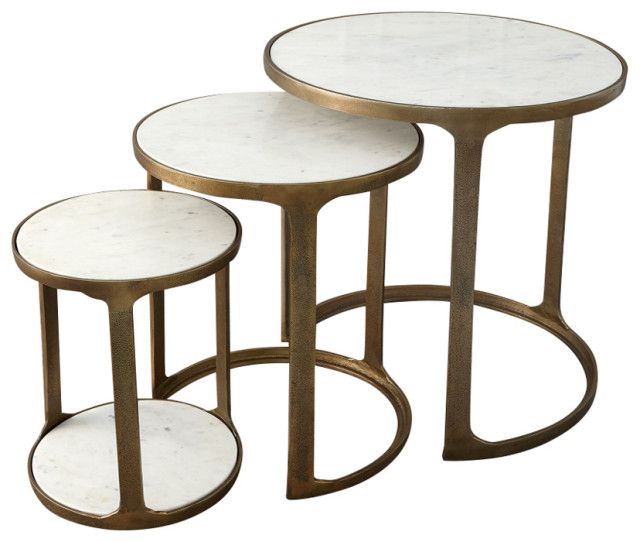
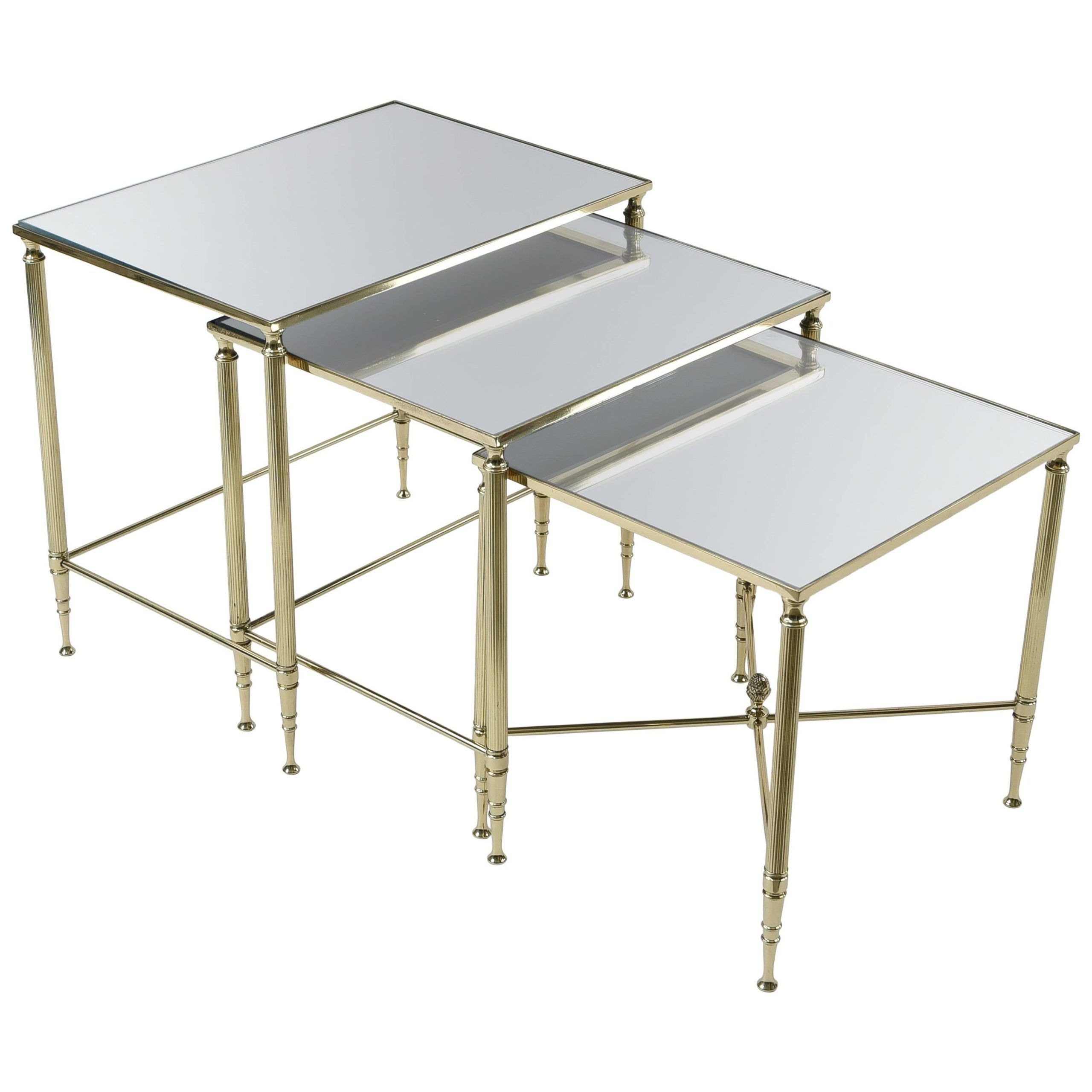
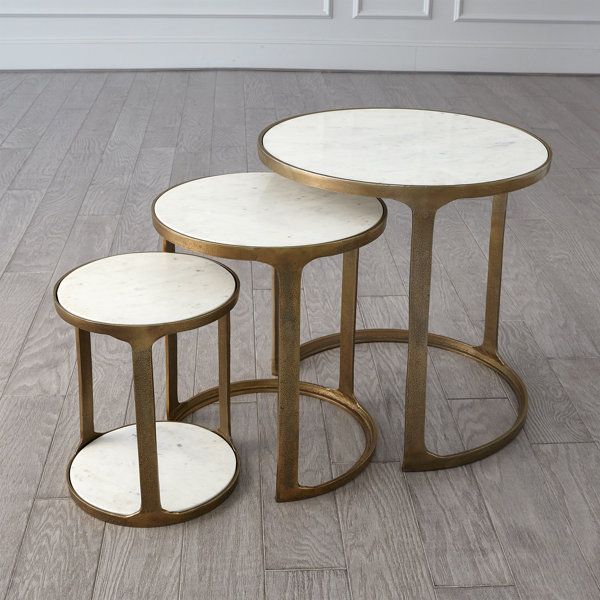
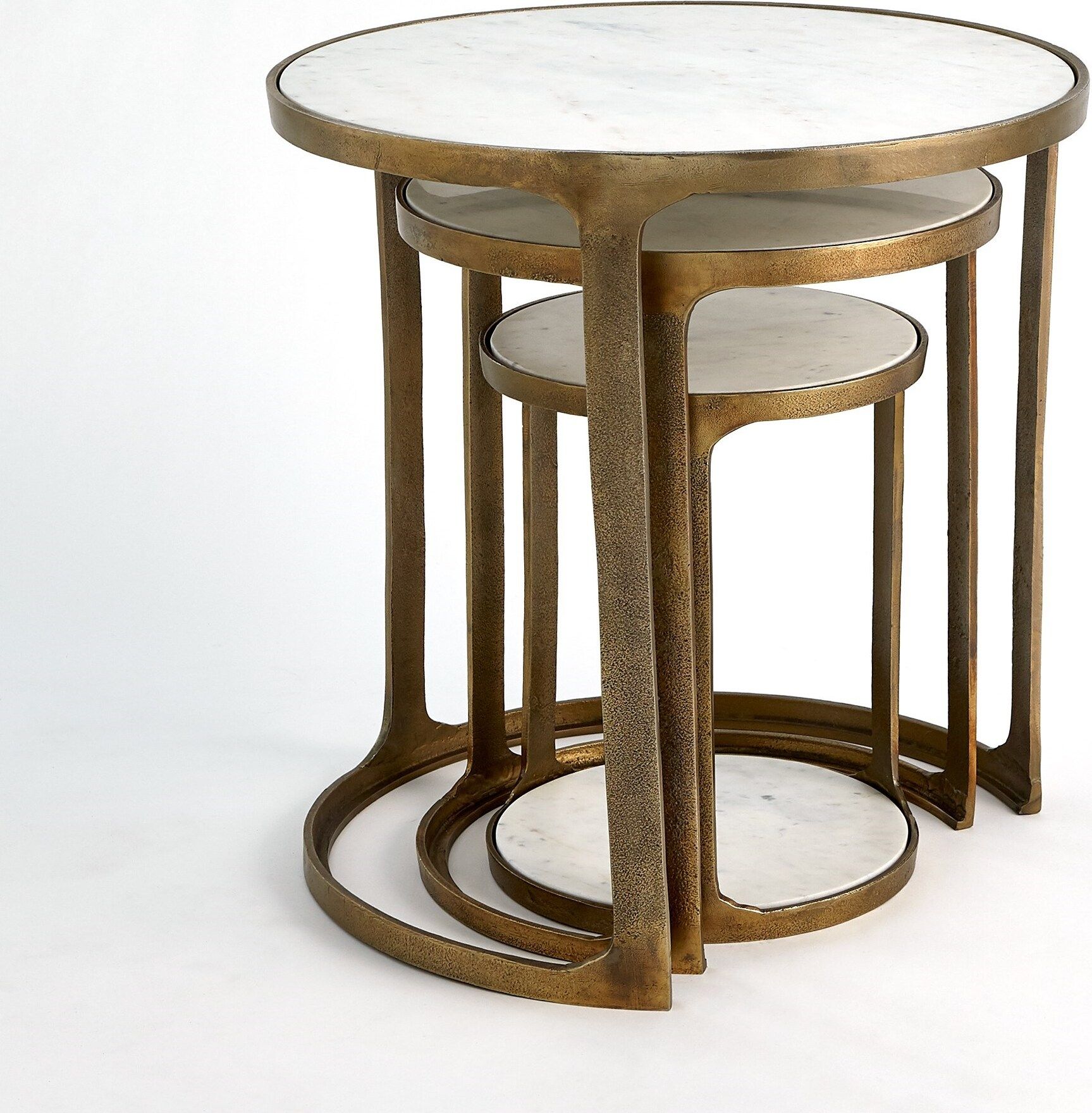
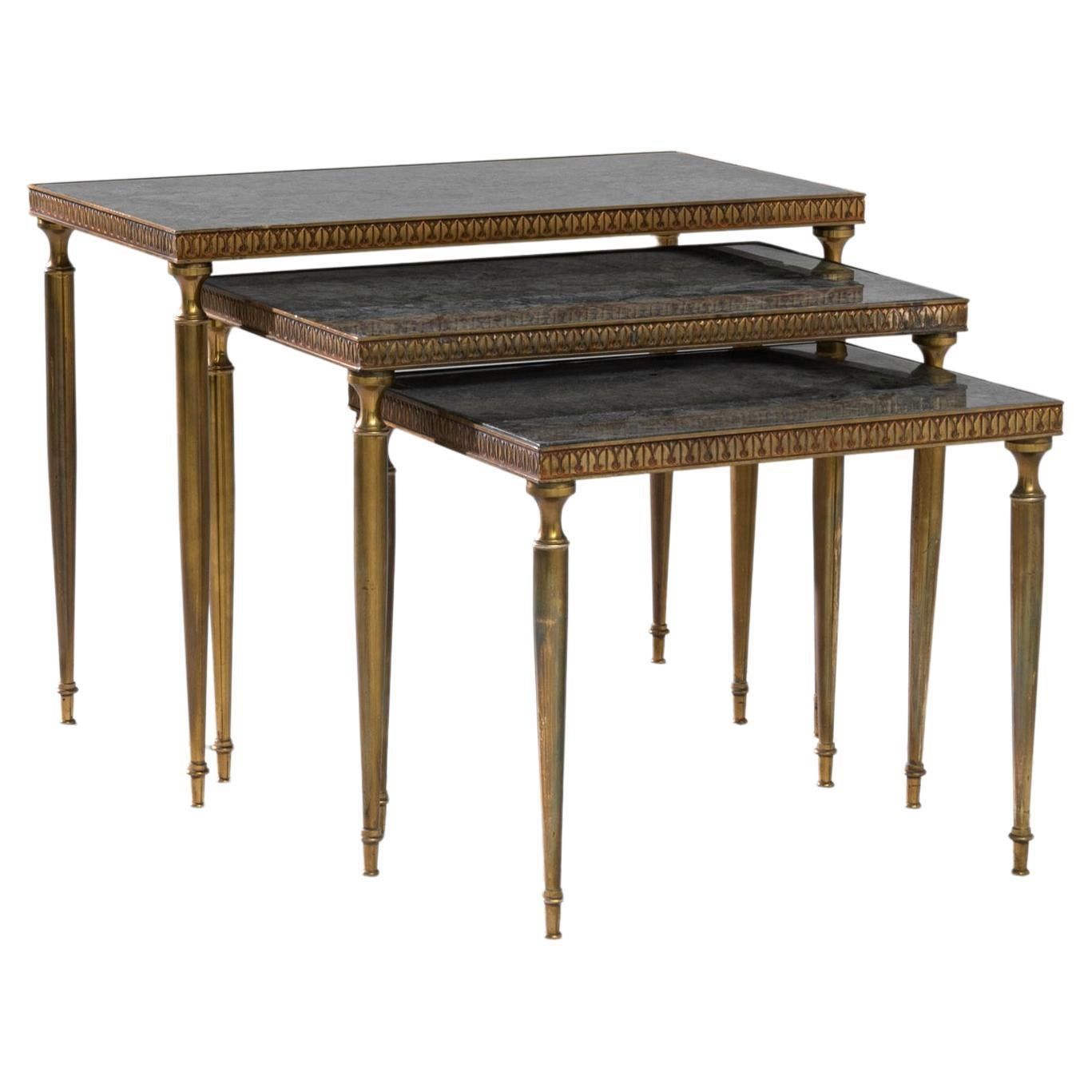
Marble and brass tables have graced homes for generations, embodying a classic style that never truly fades. Their inherent beauty, coupled with a certain gravitas, makes them statement pieces in any room. But like any treasured item, understanding their unique characteristics is key to ensuring they remain as stunning as the day you brought them home. This isn’t just about furniture; it’s about preserving a piece of art and history. Let’s dive into what makes these materials so special and how to keep them that way.
There’s something undeniably captivating about the combination of marble and brass. Marble, with its veining and natural patterns, offers a unique, organic beauty. Each slab tells a different story, a geological masterpiece formed over millennia. Brass, on the other hand, brings a warm, metallic luster that can range from a soft glow to a brilliant shine. Together, they create a sophisticated and inviting aesthetic. But beyond the looks, these materials are also known for their robustness, capable of withstanding the test of time if treated with the right care. So, what exactly contributes to their durability, and what are the best practices for maintaining their pristine condition. We’ll explore just that.
Understanding Marble’s Strengths and Vulnerabilities
Marble is a natural stone, and like all natural materials, it has its own set of properties. Its primary strength lies in its inherent beauty and the incredible range of colors and patterns available. Think of a Carrara marble with its subtle grey veins or a Calacatta with bolder, more dramatic markings. It’s also quite hard, making it suitable for surfaces that see regular use. However, marble is also porous, which means it can absorb liquids. This is where its main vulnerability lies. Spills, especially acidic ones like wine, citrus juice, or vinegar, can cause etching – a dulling of the surface – rather than a stain. It’s also relatively soft compared to granite, so it can be scratched by sharp objects. Being aware of these traits is the first step to proper care.
Brass: The Warm Glow of Durability
Brass, an alloy of copper and zinc, is prized for its warm, golden hue and its resistance to corrosion. This makes it an excellent choice for table bases, legs, and decorative accents. Unlike some metals that can rust or tarnish quickly, brass develops a patina over time – a natural darkening or dulling that many find adds to its character and vintage appeal. However, brass can also react to certain chemicals and prolonged exposure to moisture, which can lead to discoloration or accelerated patination. Knowing how to manage this natural aging process is crucial to maintaining the look you desire, whether you prefer a bright, polished finish or a deeper, aged patina.
Everyday Care for Your Marble and Brass Tables
Maintaining these beautiful pieces doesn’t have to be a chore. For marble surfaces, the golden rule is to wipe up spills immediately. Use a soft, damp cloth and a mild, pH-neutral cleaner. Avoid abrasive pads or harsh chemicals, as these can scratch or damage the sealant. For daily dusting, a dry microfiber cloth works wonders. When it comes to brass, regular dusting is also important to prevent the buildup of grime that can dull its shine. If you’re aiming for a polished look, use a brass-specific cleaner and a soft cloth, buffing gently. For those who appreciate the patina, a light dusting is often all that’s needed. Think of it as a gentle maintenance routine rather than a deep clean. It’s also a good idea to use coasters and placemats to protect both materials from potential damage. This simple step can save a lot of heartache and effort down the line.
Deep Cleaning and Stain Removal
Sometimes, despite our best efforts, a stain or mark might appear. For marble, if you encounter a stubborn spill, you can try a poultice. This is a paste made from an absorbent material (like baking soda or diatomaceous earth) and a cleaning agent (like hydrogen peroxide for organic stains or ammonia for oil-based ones). Apply the poultice to the stain, cover it with plastic wrap, and let it sit for 24-48 hours. Once dry, gently scrape it off and clean the area. For brass, if you want to remove tarnish and restore its shine, a commercial brass polish is effective. Alternatively, a paste of lemon juice and baking soda, or even ketchup, can help lift tarnish due to its mild acidity. Always test any cleaning solution in an inconspicuous area first. Remember, patience is key, and gentle methods are usually the most effective.
Protecting Your Investment: Sealants and Prevention
Sealing your marble is a vital step in protecting it from stains and etching. High-quality sealants penetrate the stone’s pores, creating a barrier that repels liquids. The frequency of sealing depends on the type of marble and how much it’s used, but generally, resealing every 6-12 months is a good practice. You can test if your marble needs sealing by dripping a small amount of water onto the surface; if it beads up, the sealant is still effective. If it soaks in and darkens the stone, it’s time to reseal. For brass, while it’s durable, consider applying a clear lacquer or wax if you want to maintain a high-gloss finish and prevent significant patination. This creates a protective shield against environmental factors. Prevention really is better than cure when it comes to preserving the beauty of these materials.
When to Call the Professionals
While most care can be handled at home, there are instances when professional help is advisable. Deep scratches on marble, significant chips, or extensive etching that you can’t remedy with home methods are good indicators to consult a stone restoration specialist. They have the tools and expertise to polish, repair, and reseal marble to its former glory. Similarly, for brass, if you have a very valuable antique piece or if a cleaning attempt has gone awry, a metal restoration expert can provide specialized care. Don’t hesitate to seek professional advice if you’re unsure about how to tackle a particular issue. Sometimes, a little expert intervention can make all the difference in preserving your cherished table.
Marble and brass tables are more than just furniture; they are investments in style and enduring quality. By understanding their unique properties and adopting a consistent, gentle care routine, you can ensure they remain beautiful focal points in your home for years, even decades, to come. Embrace the natural evolution of brass and protect the elegance of marble. With a little attention and the right approach, your marble and brass tables will continue to tell their story, adding warmth and sophistication to your living space. Enjoy the timeless charm they bring.