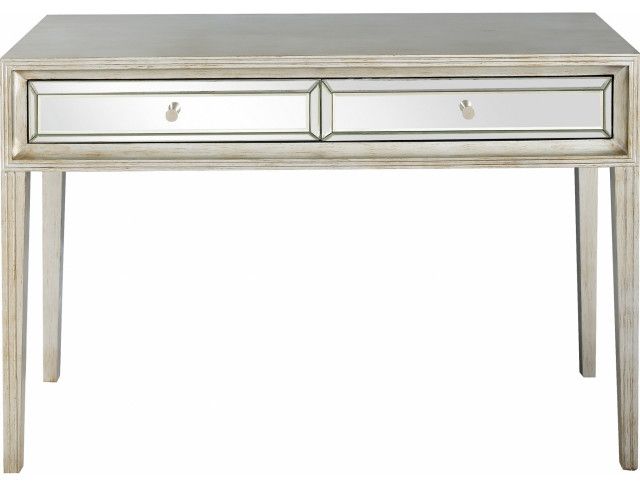
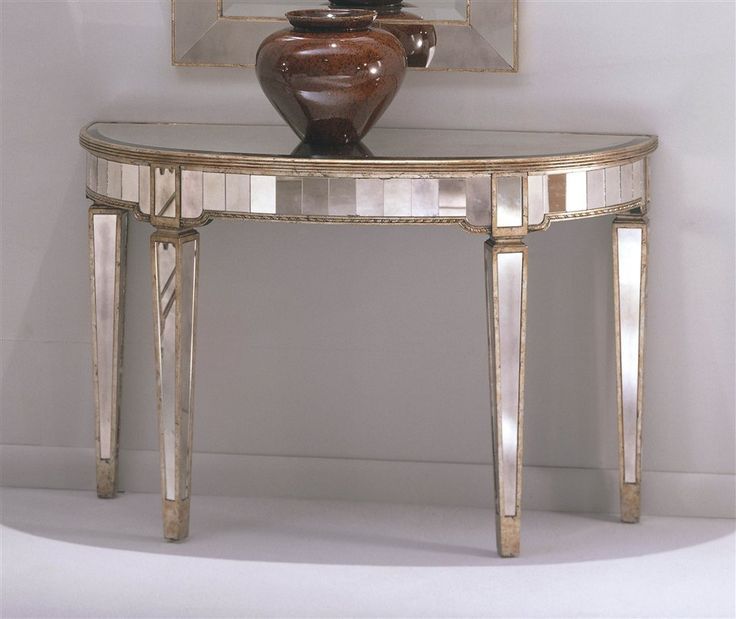
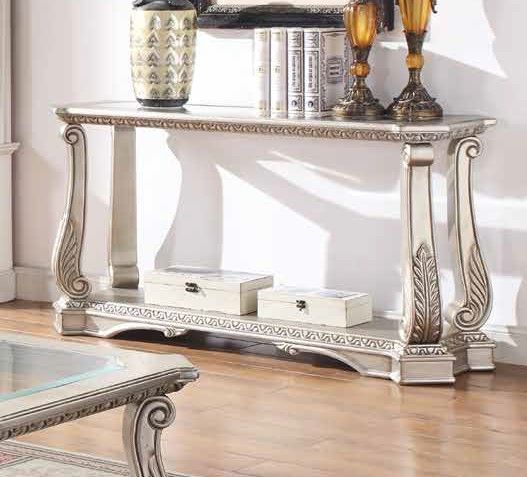
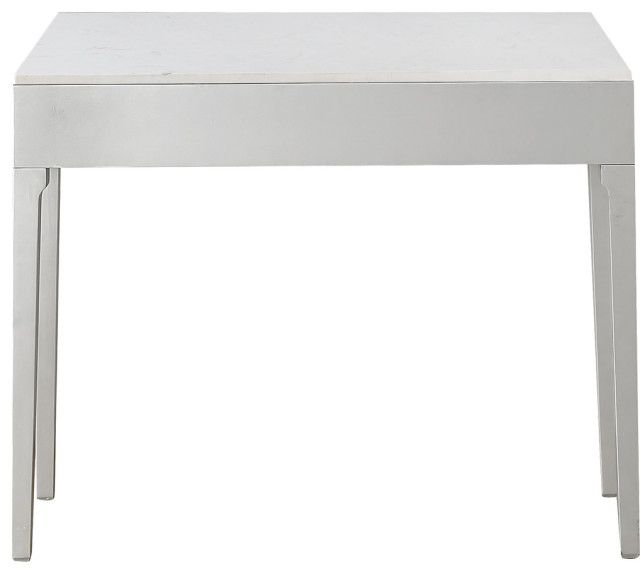
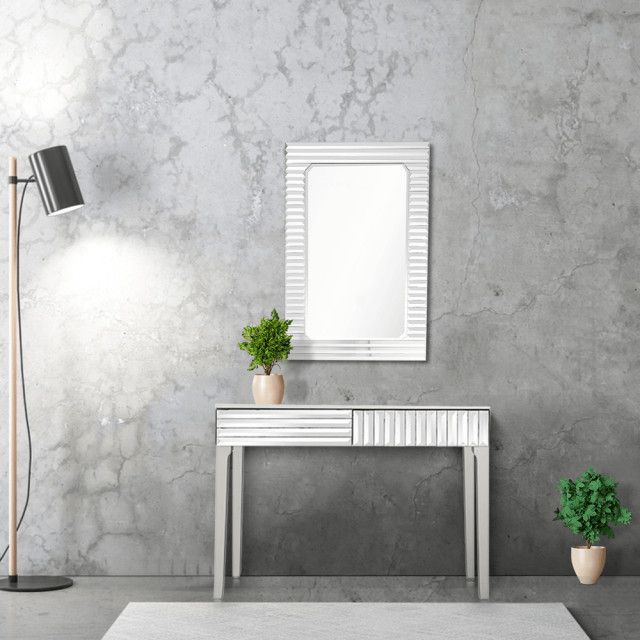
Ever admired a piece of furniture that seems to whisper tales of yesteryear? Those console tables with that gorgeous, time-worn silver sheen? They aren’t just made; they’re crafted with intention and skill. Let’s pull back the curtain on what makes these pieces so special and enduring.
Console tables. They’re often the first impression a home makes, gracing entryways with elegance or providing a stylish perch in a living room. But when you add an antiqued silver finish, something magical happens. It’s not just a shiny surface; it’s a depth, a character that speaks of history and refined taste. So, how do we get that captivating look? It’s a dance of materials, techniques, and a good dose of artistry. We’re going to explore the fascinating journey from raw metal to that stunning, aged silver patina.
Choosing the Right Foundation: Materials Matter
It all starts with the base. For antiqued silver finishes, you’re not typically looking at solid sterling silver for the entire table frame – that would be incredibly expensive and impractical. Instead, skilled artisans often use materials like sturdy hardwoods or even iron for the table’s structure. Then, this foundation is prepared for its metallic transformation. Sometimes, a base layer of a less precious metal, like brass or even aluminum, is applied first. This provides a smooth and receptive surface for the subsequent silvering and antiquing processes. The choice of base material impacts the final weight, durability, and even the subtle undertones of the finish. Think of it as the canvas for the artist’s masterpiece; a good foundation is crucial for a lasting and beautiful result.
The Art of Silvering: More Than Just a Coat
Now for the silver! Applying the silver finish is where the real magic begins. This isn’t usually done by simply painting on a silver color. Instead, electroplating is a very common and effective method. In this electrochemical process, a thin layer of pure silver is deposited onto the prepared base metal using an electric current. It’s a precise technique that ensures an even and durable coating. Another method, though less common for large furniture pieces, is a chemical deposition process. Regardless of the exact technique, the goal is to achieve a lustrous, genuine silver surface that can then be manipulated to achieve that desired aged look. It’s a delicate balance, ensuring enough silver is applied for that authentic feel without compromising the table’s structural integrity.
Creating Character: The Patina Process
This is arguably the most crucial step in achieving an ‘antiqued’ look. A true patina isn’t just about making something look old; it’s about mimicking the natural aging process that precious metals undergo over time. Artisans achieve this through various chemical treatments and handwork. They might use patinating solutions – often sulfur-based compounds – that react with the silver, creating darker tones in recesses and around details. This darkens the silver, making it look like it’s been exposed to air and elements for years. The beauty is in the variation; no two pieces will age exactly the same. Skilled craftspeople carefully control this process, sometimes layering different solutions or using specific application techniques to create subtle highlights and lowlights, adding depth and a sense of history. It’s quite amazing to see how a chemical reaction can mimic centuries of time.
Hand-Finishing Touches: The Human Element
After the patination, the real artistry comes into play with hand-finishing. This is where the piece truly comes alive. Artisans will meticulously work over the surface, often using fine steel wool, specialized cloths, or even very fine sandpaper. They gently rub away some of the darker patina from the raised areas and edges. This process is what creates that beautiful contrast – the dark in the crevices and the brighter, polished silver on the prominent surfaces, just like genuine antique silver would have. This careful abrasion reveals the underlying silver, giving it a soft sheen and a tactile quality. It’s this human touch, this patient and skilled manipulation, that prevents the finish from looking flat or artificial. It’s careful work, demanding a keen eye and a steady hand.
Seal of Protection: Preserving the Beauty
Once the desired aged appearance is achieved, it’s vital to protect it. A clear protective lacquer or sealant is typically applied. This isn’t just to prevent further tarnishing, but also to safeguard the delicate patina and the silver finish from scratches and everyday wear and tear. The type of sealant used is important; it needs to be durable yet not overly glossy, as that can detract from the antique aesthetic. Some high-end pieces might use a specialized wax finish for a softer, more natural sheen. This final layer ensures that the hard-won beauty of the antiqued silver finish will last for years to come, allowing you to enjoy its timeless appeal.
Caring for Your Antiqued Silver Treasure
So, you’ve invested in one of these beautiful pieces. How do you keep it looking its best? Generally, a gentle dusting with a soft, dry cloth is all that’s needed for regular upkeep. Avoid harsh chemical cleaners or abrasive materials, as these can damage the patina and the protective sealant. If you notice a bit of dust accumulating in the intricate details, a soft brush, like a makeup brush or a very fine paintbrush, can be used carefully. For occasional deeper cleaning, a slightly damp cloth (very lightly dampened with water only) followed immediately by a dry cloth is usually sufficient. The key is to be gentle and avoid anything that could strip away that carefully crafted finish. It’s about preserving the story that the table tells.
The next time you see a console table with that exquisite antiqued silver finish, you’ll know it’s more than just a piece of furniture. It’s a testament to the skill and dedication of artisans who understand how to manipulate materials and mimic the passage of time. From the careful selection of the base to the intricate patination and delicate hand-finishing, each step contributes to a unique and beautiful object. These tables don’t just decorate a space; they add a touch of history, a whisper of elegance, and a whole lot of character. They are, in essence, functional art, designed to be cherished for generations. Isn’t that a wonderful thought?