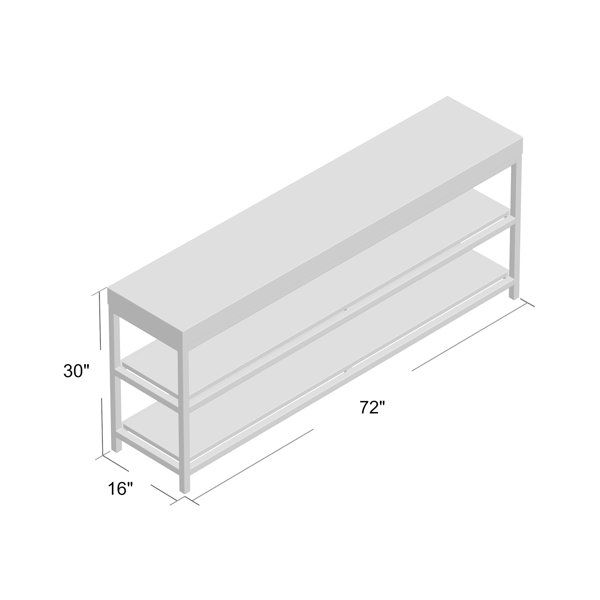
When you see a piece of furniture that just feels right, it’s often the result of thoughtful design and skilled execution. A 72-inch cream wooden console table is a prime example. It’s not just a surface to place things on; it’s a statement, a functional sculpture that can anchor a room. But what goes into making such a piece truly special? Let’s dive into the world behind its creation.
You know those pieces of furniture that just… sing. They have a presence, a certain je ne sais quoi that elevates the entire space. A 72-inch cream wooden console table often falls into that category. It’s substantial, elegant, and surprisingly versatile. But have you ever stopped to wonder what makes one stand out from another? It’s all in the details, the materials, and the hands that shaped it. We’re going to pull back the curtain and explore the nitty-gritty of how these beautiful pieces come to life.
The Foundation: Selecting the Right Wood
The journey of any fine wooden furniture begins with the wood itself. For a piece as significant as a 72-inch console table, the choice of timber is crucial. You’ll often find these tables crafted from hardwoods like oak, maple, or ash. Why? Because they’re durable, resistant to wear and tear, and offer a beautiful grain pattern that adds character. Sometimes, you might see pine or poplar used, especially if a more rustic or budget-friendly option is desired, though these woods are softer and more prone to dings. The way the wood is seasoned, or dried, is also a huge factor. Properly dried wood is less likely to warp or crack down the line, ensuring your table remains stable for years. Think of it like building a house – the foundation has to be solid, and for a table, that starts with the wood.
Design: Where Form Meets Function
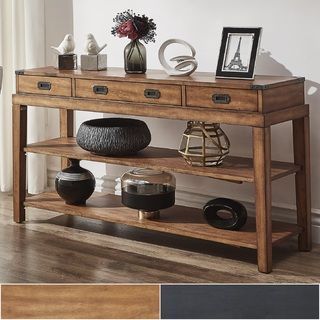
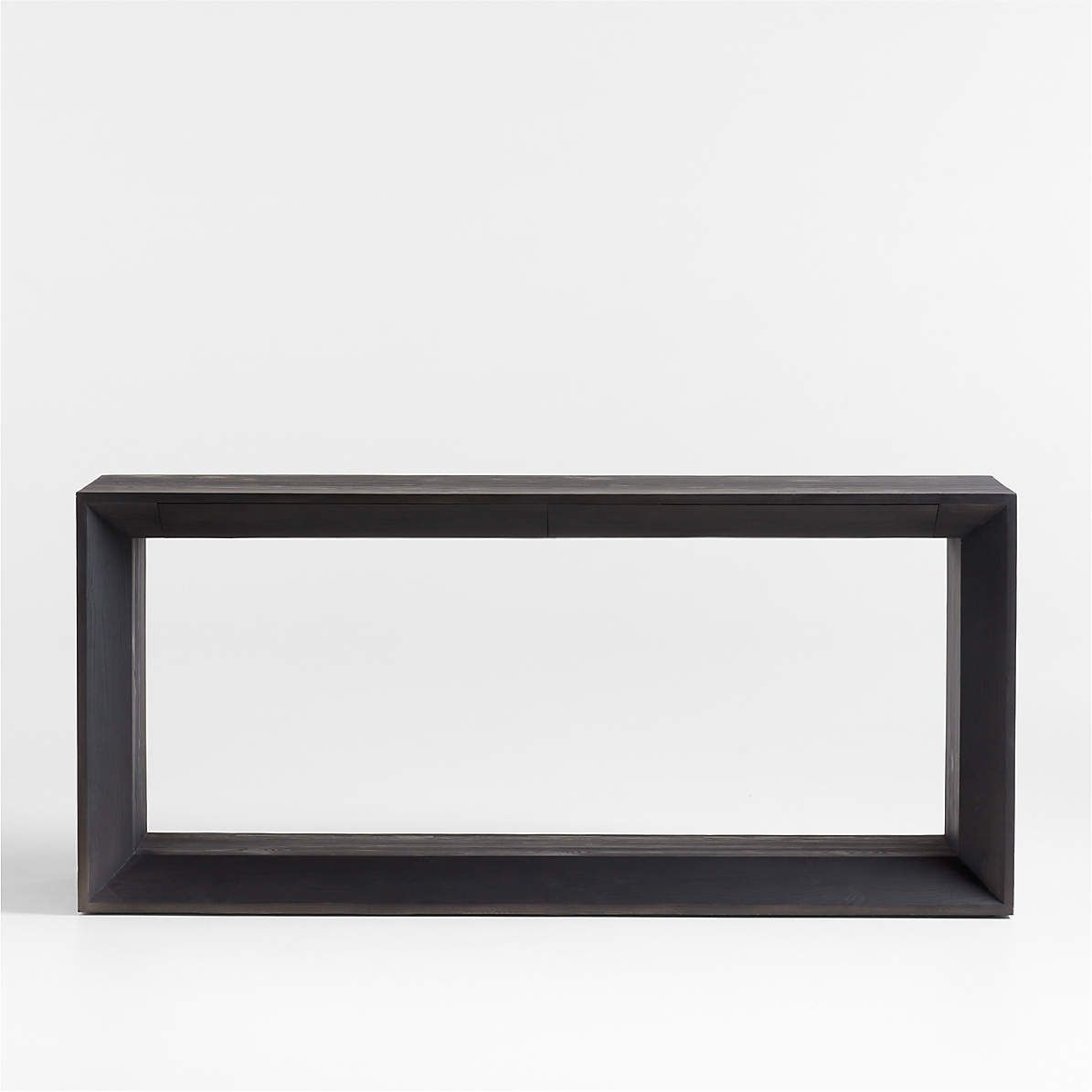
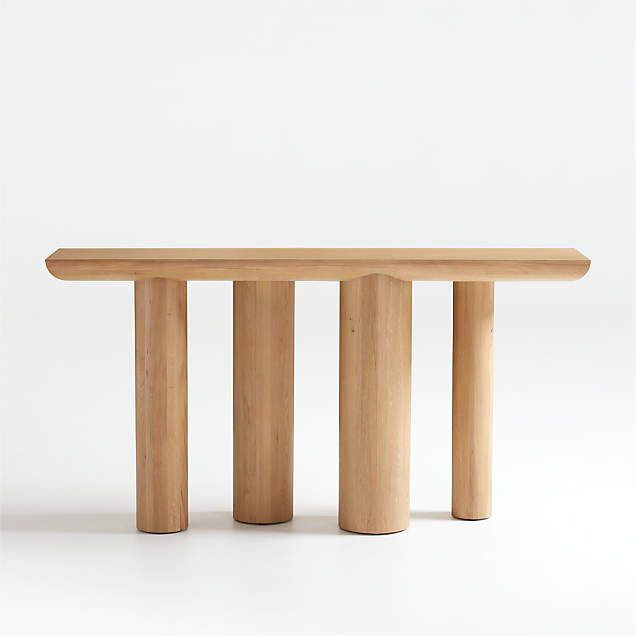
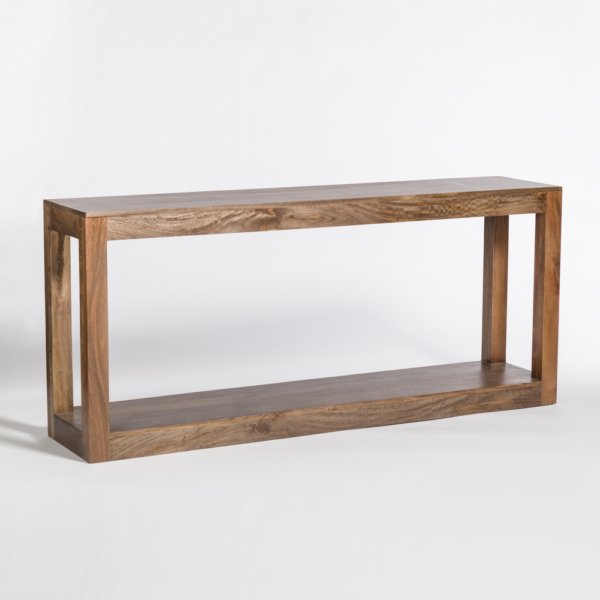
A console table, especially one of this size, isn’t just about storage; it’s about visual appeal. Designers consider several things. The silhouette, for instance. Is it sleek and modern with clean lines, or does it have more traditional, perhaps cabriole legs? The proportions are key too. A 72-inch length needs to be balanced. Too chunky, and it overwhelms; too delicate, and it looks lost. Then there are the functional elements: drawers for hiding clutter, shelves for displaying decor, or a simple, unadorned top. The overall aesthetic—whether it leans farmhouse, contemporary, or transitional—guides every curve and joint. It’s a careful dance between making it look good and making it work for you.
The Art of the Finish: That Creamy Hue
Achieving that perfect cream finish is an art form. It’s not usually a single coat of paint. Often, it starts with a base coat, perhaps a subtle primer to ensure even color. Then comes the cream. Is it a solid, opaque finish, or is there a hint of the wood grain peeking through, known as a ‘distressed’ or ‘rubbed’ finish? This might involve multiple layers, with sanding between coats to create depth and a smooth feel. Sometimes, an additional glaze is applied to add warmth or subtle variations in tone. The final step is a protective topcoat – a varnish or lacquer – to shield the paint from spills and scratches. This multi-step process gives the cream color its richness and longevity, ensuring it doesn’t just look good initially but holds up over time.
Joinery and Construction: The Hidden Strength
This is where the real magic happens, and often, where you can’t see the work unless you look closely. How are the legs attached to the apron? How do the drawers slide? For a sturdy table, especially one 72 inches long, strong joinery is paramount. You might see traditional methods like mortise and tenon joints, where one piece of wood fits snugly into a hole in another. Dovetail joints are common for drawers, creating incredibly strong connections. Even modern techniques, like biscuit joints or dowels, when done well, contribute to the table’s integrity. The screws and glue used also matter; quality materials prevent the piece from loosening up over time. This hidden strength is what separates a well-made table from one that feels flimsy.
Hardware and Details: The Finishing Touches
Don’t underestimate the impact of the small things! The hardware on a console table – the drawer pulls, knobs, or hinges – plays a significant role in its overall style. Are they brushed nickel for a contemporary look, antique brass for a vintage vibe, or simple wooden pulls for a more natural feel? The choice of hardware can completely change the character of the piece. Beyond hardware, other details might include decorative carvings, bevelled edges on the tabletop, or even a subtle curve on the apron. These elements are the designer’s and craftsman’s way of adding personality and a touch of finesse.
Why Choose a 72" Cream Wooden Console Table?
So, why this particular size and color? A 72-inch table offers a generous surface area, perfect for larger entryways, living rooms, or even dining areas where it can double as a buffet. It makes a statement without dominating the space, providing ample room for lamps, decorative objects, and everyday necessities. The cream color is wonderfully neutral and adaptable. It brightens a room, complements a wide range of decor styles, and offers a softer alternative to stark white or dark wood. It’s a piece that feels both substantial and inviting, a true workhorse that also happens to be beautiful.
The next time you encounter a 72-inch cream wooden console table, take a moment to appreciate the journey it took to get there. From the careful selection of wood and the thoughtful design to the skilled application of the finish and the robust joinery, each step contributes to its beauty and durability. It’s a testament to the enduring appeal of well-crafted furniture, a piece that’s not just functional but a genuine enhancement to your home. It’s a blend of artistry and practicality, designed to be enjoyed for years to come.