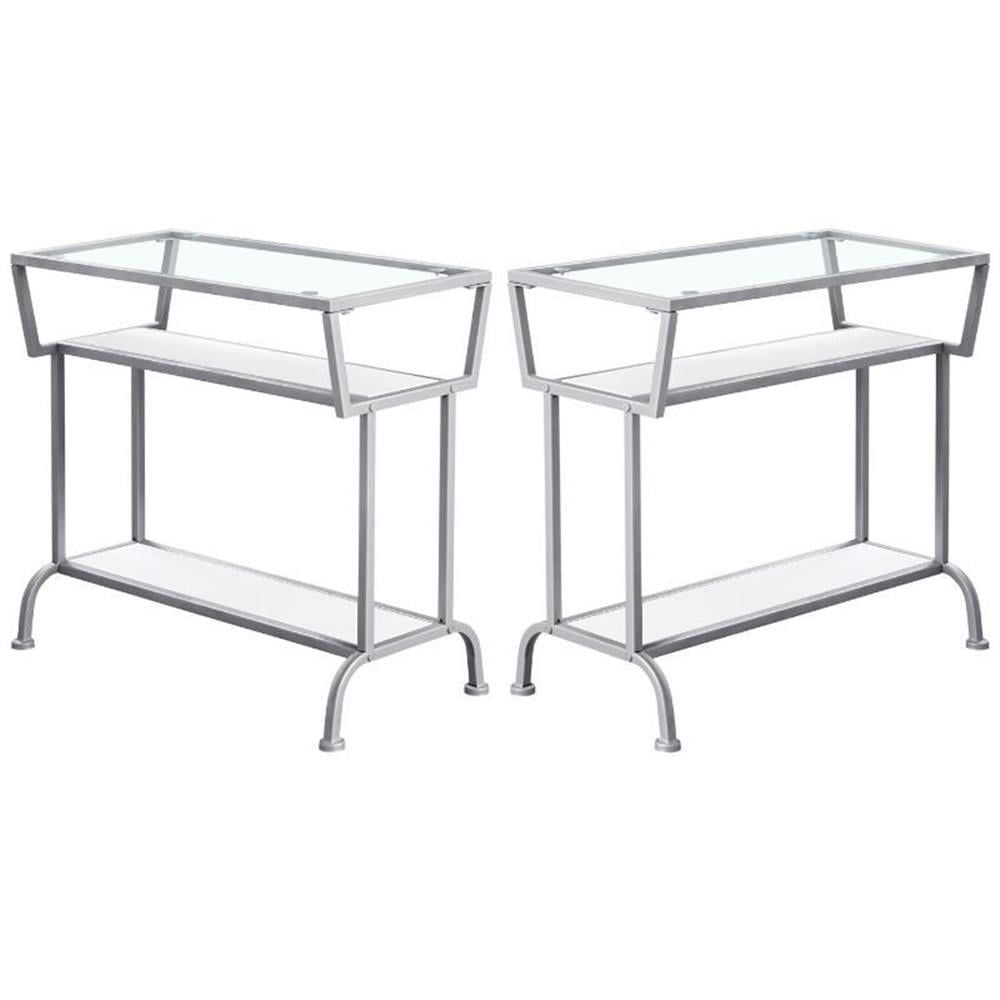
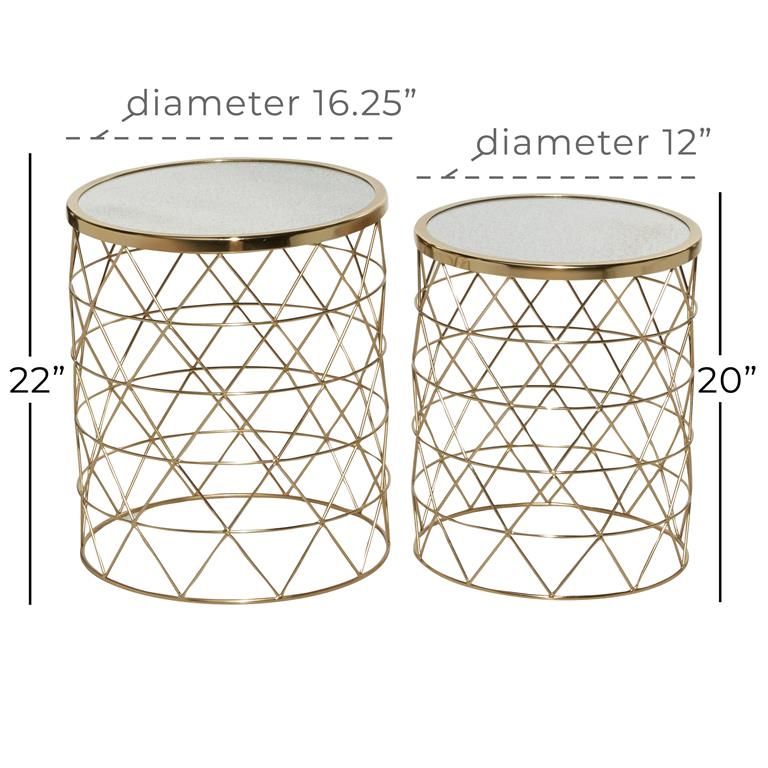
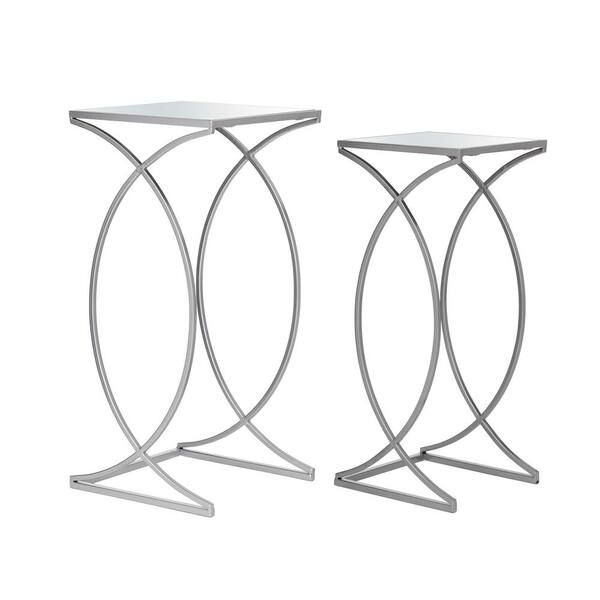
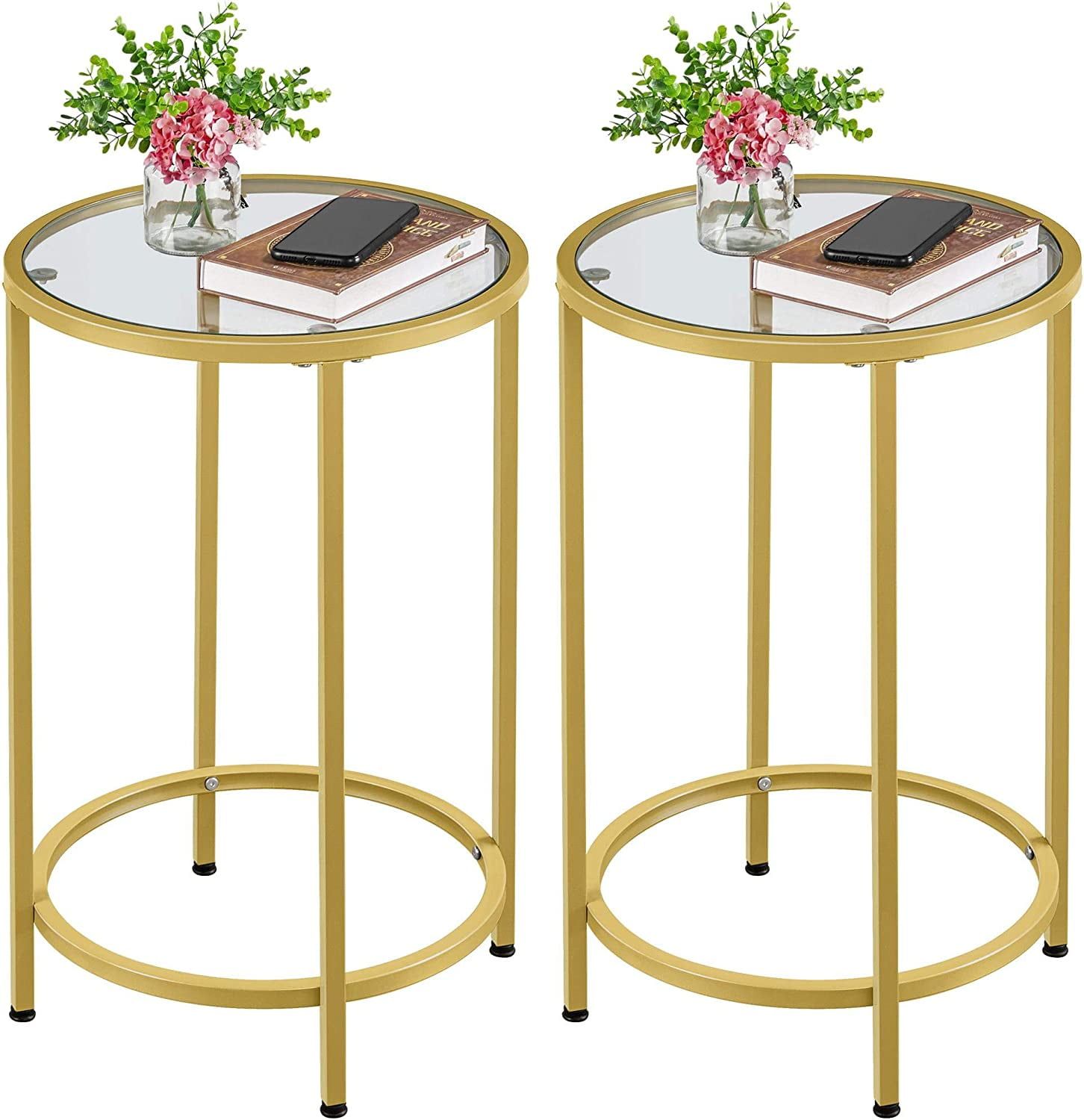
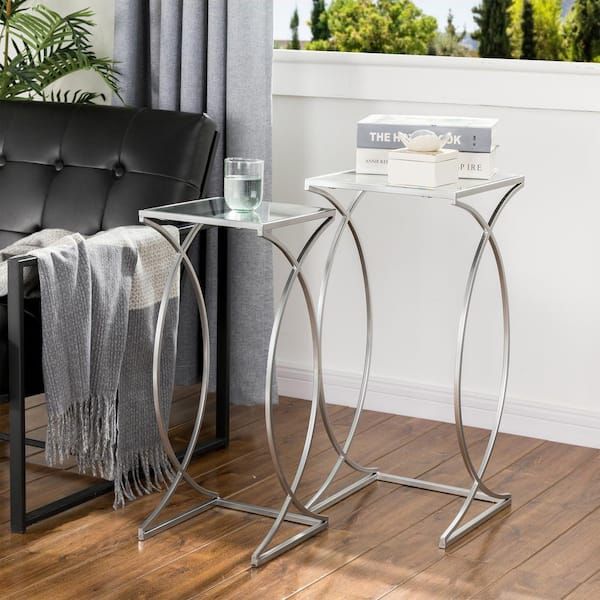
Have you ever admired a small, gleaming table, perhaps nestled beside a sofa or holding a cherished lamp, and wondered how it came to be? These aren’t just pieces of furniture; they’re often miniature works of art. The elegance of silver accent tables lies not just in their shine, but in the careful hands and thoughtful minds that shape them. Let’s pull back the curtain and explore the fascinating craft that brings these beautiful objects to life.
Silver accent tables, with their inherent luster and sophisticated appeal, have a way of elevating any living space. They’re the quiet charmers, the pieces that add a touch of glamour without shouting for attention. But what makes them so special. It’s the fusion of design vision and meticulous execution. From the initial sketches to the final polish, a journey of skill and dedication unfolds. We’re going to take a closer look at the real magic happening behind the scenes, understanding what goes into creating these refined furnishings.
Selecting the Right Materials
It all starts with the core ingredient: silver. But not all silver is created equal, especially when it comes to furniture. Often, what appears as solid silver might be a meticulously crafted metal frame covered in a thin, high-quality silver plating. This technique, known as silver plating, offers the brilliant sheen of silver at a more accessible price point and can be incredibly durable if done correctly. Solid sterling silver, while rarer and more costly for larger pieces, is also used, lending a substantial and luxurious feel. Other materials, like glass or marble for tabletops, are carefully chosen to complement the silver’s gleam, ensuring a harmonious and visually pleasing outcome. The weight, texture, and color of each material are considered to create a cohesive and elegant end product. Sometimes, designers might even incorporate other metals like brass or copper for intricate details, adding layers of visual interest.
The Art of Metalworking
Once the materials are selected, the real work begins for the craftspeople. Metalworkers employ a variety of techniques. For frames and structures, methods like welding and brazing are used to join pieces of metal securely. These aren’t just functional joins; skilled artisans ensure these connections are as seamless and aesthetically pleasing as possible. Then comes the shaping. Metal can be hammered, bent, and molded to achieve intricate curves and decorative elements. Think of the delicate scrollwork or the sturdy, yet graceful, legs. Each curve and angle is a testament to the metalworker’s dexterity and artistic vision. It requires a deep understanding of how metal behaves under different pressures and temperatures. It’s a dance between brute force and delicate precision.
The Magic of Plating and Finishing
This is where the table truly begins to shine. Silver plating, often done through electroplating, involves immersing the base metal object into a solution containing silver ions. An electric current then causes the silver to deposit evenly onto the surface. This process requires immense control to ensure a uniform thickness and a flawless finish. After plating, the real artistry of finishing comes into play. This can involve polishing the surface to an incredibly smooth, mirror-like sheen, or applying a patina to create an antique or distressed look. Some tables feature hand-engraved patterns, adding a unique, tactile dimension. The final protective coating is crucial, safeguarding the silver from tarnishing and everyday wear and tear. This stage is all about bringing out the inherent beauty of the metal and ensuring its longevity.
Design and Aesthetics: Beyond the Shine
Elegant silver accent tables aren’t just about the material; they’re about the design. Designers draw inspiration from various eras and styles – from the clean lines of modernism to the ornate details of Victorian furniture. They consider how the table will integrate into a room, its proportions, and its overall silhouette. Will it be a statement piece with bold geometric shapes, or a subtle addition with delicate, flowing forms. The play of light on the silver is a key consideration; designers might incorporate textures or openwork to catch and reflect light in interesting ways. The functionality is also paramount – ensuring the table is stable, at the right height, and practical for its intended use. It’s a thoughtful balance of beauty and purpose.
The Human Touch: Skill and Dedication
What truly sets apart a beautifully crafted silver accent table is the human touch. Each piece is often the result of countless hours of dedication from skilled artisans. From the initial metalworker who shapes the frame to the plater who ensures a perfect finish, and the polisher who brings out the final gleam, there’s a chain of expertise. These aren’t mass-produced items churned out by machines. They carry the subtle variations and imperfections that speak of their handmade origin. This human element imbues the table with character and a sense of history. It’s this dedication to craft that transforms raw materials into something truly special and enduring.
Caring for Your Silver Accent Table
Understanding the craftsmanship also helps in caring for your treasured piece. Regular dusting with a soft, dry cloth is a good start. For minor fingerprints or smudges, a gentle wipe with a slightly damp cloth, followed by immediate drying, usually suffices. If your table is plated and starts to show signs of tarnish, use a silver polish specifically designed for plated items, applying it sparingly with a soft cloth. Always test any polish in an inconspicuous area first. Avoid harsh chemicals or abrasive cleaners, as these can damage the finish. If your table has a glass or stone top, clean it according to the material’s specific needs. Proper care ensures your elegant silver accent table remains a beautiful focal point for years to come.
So, the next time you encounter an elegant silver accent table, take a moment to appreciate the journey it took to reach you. It’s a testament to materials science, metalworking prowess, meticulous finishing, and thoughtful design. It’s the culmination of skill, patience, and a deep-seated passion for creating beautiful and functional objects. These tables are more than just decorative pieces; they are embodiments of craftsmanship, adding a touch of timeless elegance and a story of human ingenuity to your home. They truly are little treasures, born from a blend of art and skilled labor.