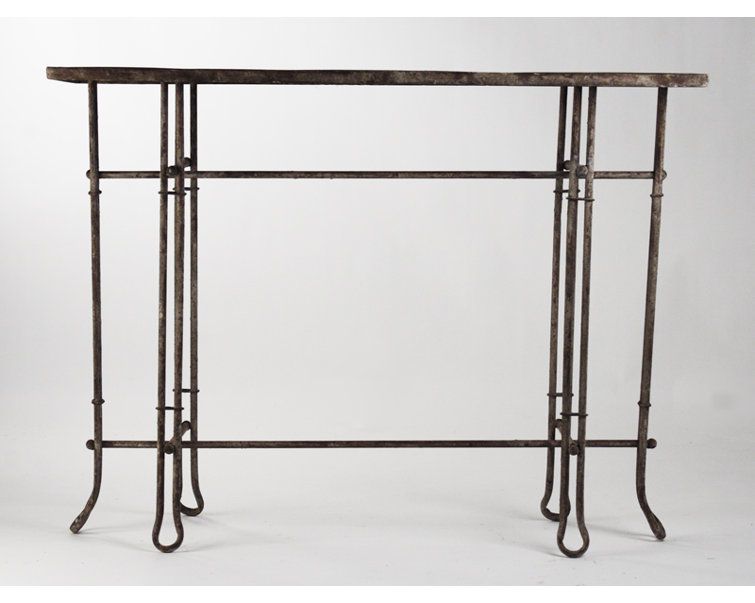
Walk into many stylish homes today, and you’ll likely spot one. It’s that elegant piece of furniture that seems to tie the room together, offering both form and function. We’re talking about the Nathaniel console table, a design that has gracefully navigated the ever-changing tides of interior design trends. But what is it about this particular style that keeps it so relevant, so sought-after in our contemporary spaces?
You know the one. It’s often the first piece of furniture guests encounter, setting the tone for your entire home. Yet, it’s also a workhorse in living rooms, hallways, and even bedrooms. The Nathaniel console table, with its distinctive silhouette and thoughtful design, has a remarkable ability to harmonize with a wide array of decor styles. It’s not just a table; it’s a statement piece that whispers sophistication and practicality. Let’s dive into what makes this furniture staple continue to captivate designers and homeowners alike.
A Symphony of Style: The Nathaniel Aesthetic
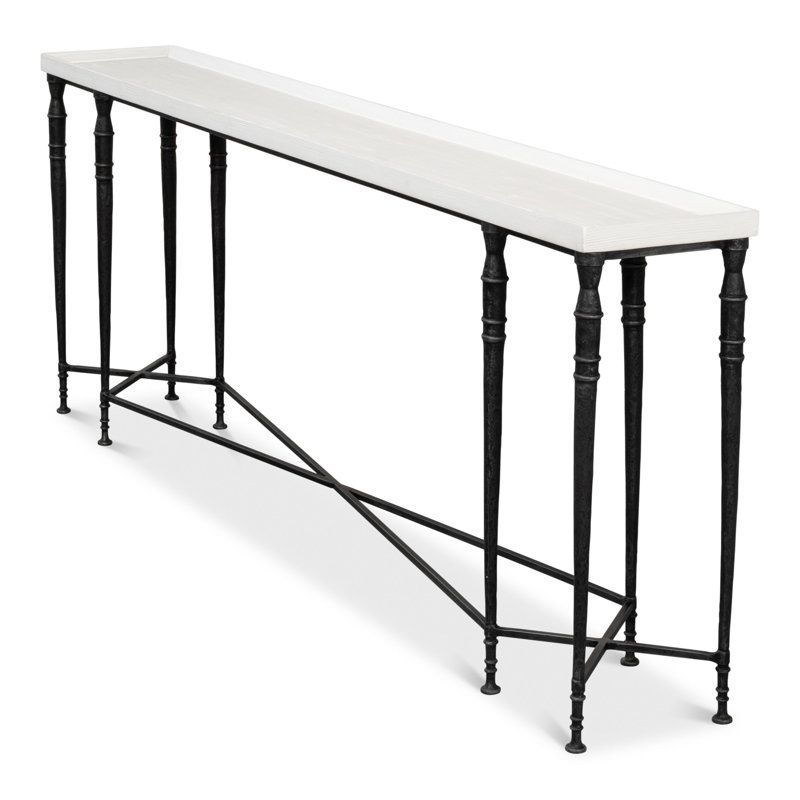
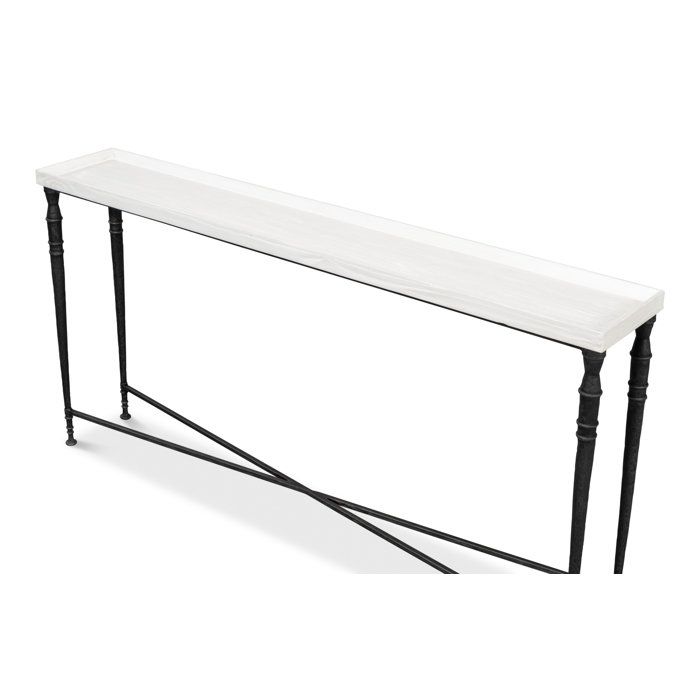
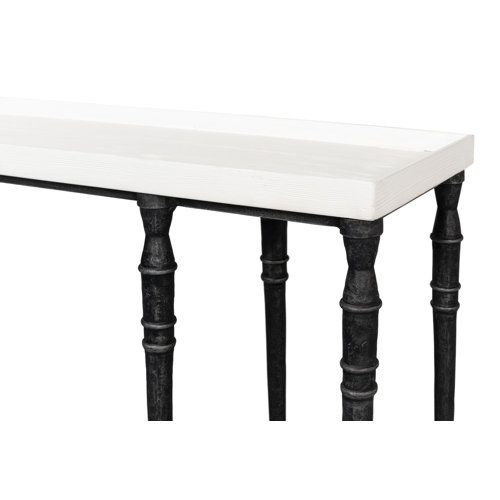
What exactly defines a Nathaniel console table? While variations exist, the core appeal often lies in its clean lines and balanced proportions. Think of a piece that feels both substantial and airy. Often crafted from rich woods like walnut or oak, or sometimes featuring sleek metal accents, the Nathaniel strikes a beautiful middle ground. It’s not overly ornate, nor is it starkly minimalist. This inherent versatility means it complements everything from mid-century modern to more traditional settings. It’s like the perfect neutral accessory – it elevates whatever it’s paired with. Imagine a warm, polished wood top supported by subtly tapered legs. It’s a look that feels both grounded and refined, offering a sense of understated elegance that never goes out of fashion.
Functionality Meets Finesse: More Than Just a Pretty Face
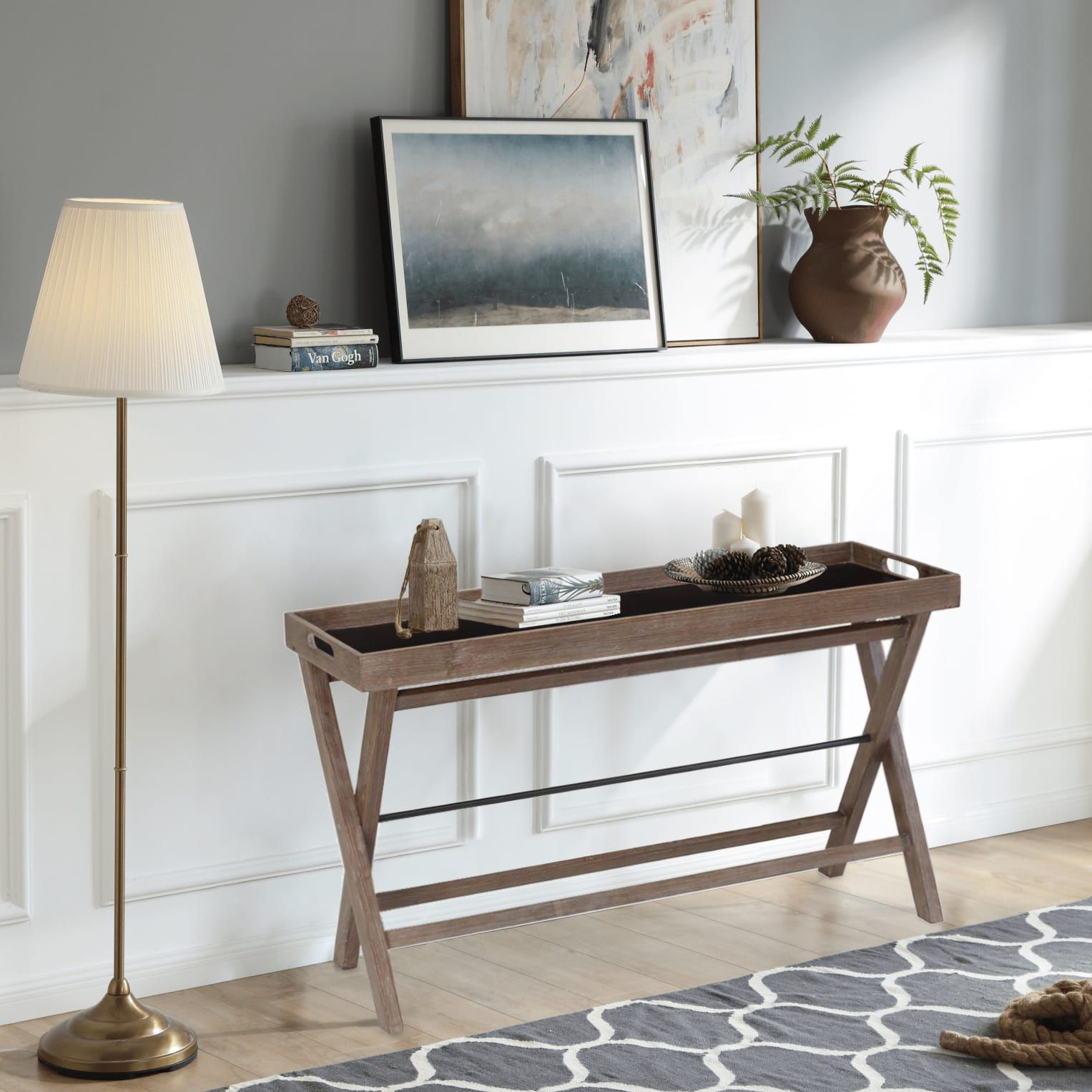
Beyond its good looks, the Nathaniel console table is incredibly practical. Its slender profile makes it ideal for narrower spaces, like entryways or behind a sofa, where a bulkier piece wouldn’t fit. Yet, it provides ample surface area for displaying cherished items – a vase of fresh flowers, a stack of art books, or family photographs. Many designs also incorporate drawers or shelves, offering discreet storage for keys, mail, or other essentials. This dual nature – being both a decorative accent and a functional storage solution – is a huge part of its enduring appeal. It helps declutter spaces while adding a touch of refined style. It’s the unsung hero that keeps your entryway tidy and welcoming.
Adaptability: A Chameleon in Your Decor
One of the most compelling reasons for the Nathaniel’s lasting popularity is its incredible adaptability. Whether your home leans towards minimalist chic, bohemian warmth, or industrial grit, a Nathaniel console table can find its place. Pair a dark wood Nathaniel with a plush velvet sofa and metallic accents for a touch of glamour. Place a lighter wood version in a Scandinavian-inspired room with natural textures and muted tones. Its straightforward design acts as a perfect canvas. You can dress it up with decorative objects or keep it spare and simple. It doesn’t demand attention but rather enhances the overall ambiance of the room. This chameleon-like quality means it can grow and evolve with your personal style, making it a truly wise investment.
Quality Craftsmanship: Built to Last
The Nathaniel console table is often associated with quality craftsmanship. These pieces are typically built with durability in mind, using solid wood and sturdy construction methods. This isn’t a piece of fast furniture; it’s designed to be a lasting addition to your home. When you invest in a well-made Nathaniel, you’re getting something that will withstand the test of time, both in terms of its physical integrity and its aesthetic relevance. This commitment to quality resonates deeply in a world often saturated with disposable goods. It’s about owning something beautiful and well-constructed that you can cherish for years, perhaps even pass down.
Creating Focal Points and Flow
In interior design, every piece has a purpose. The Nathaniel console table excels at creating focal points and enhancing the flow of a space. In an entryway, it immediately draws the eye, providing a welcoming anchor. Behind a sofa, it can define the living area and offer a surface for lamps and decorative items, bridging the gap between the sofa and the wall. In a hallway, it can break up a long, potentially monotonous stretch, adding visual interest and a place to pause. Its elongated shape naturally guides the eye and movement through a room, contributing to a sense of order and intentionality in your layout. It helps tell the story of your home’s design.
Styling Your Nathaniel: Tips and Tricks
So, how do you make your Nathaniel console table truly shine? The beauty is in its simplicity, so don’t overdo it. Start with a key piece, like a striking mirror or a piece of art hung above it. Then, add a few well-chosen accessories. Consider varying heights and textures: a tall lamp, a small plant, a decorative bowl, and perhaps a stack of books. If it’s in your entryway, a neat tray for keys and mail is essential. For a living room setting, think about adding a couple of coasters and a small decorative object. Remember, less is often more. The goal is to enhance, not overwhelm, the table’s inherent elegance. Experiment with seasonal decor too – a festive arrangement for the holidays or a vibrant display in spring can easily refresh its look.
The Nathaniel console table is more than just a piece of furniture; it’s a testament to enduring design principles. Its blend of aesthetic grace, practical utility, and remarkable adaptability makes it a timeless choice for contemporary homes. It’s a versatile player that can anchor an entryway, define a living space, or simply add a touch of polished style to any corner. As interior design trends continue to evolve, the Nathaniel console table stands firm, proving that true style never really fades. It remains a beloved and practical addition, quietly enhancing the beauty and functionality of homes everywhere.