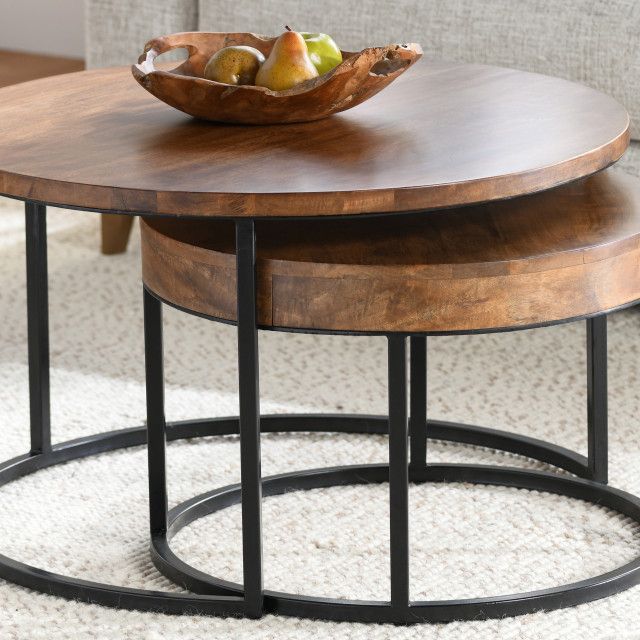
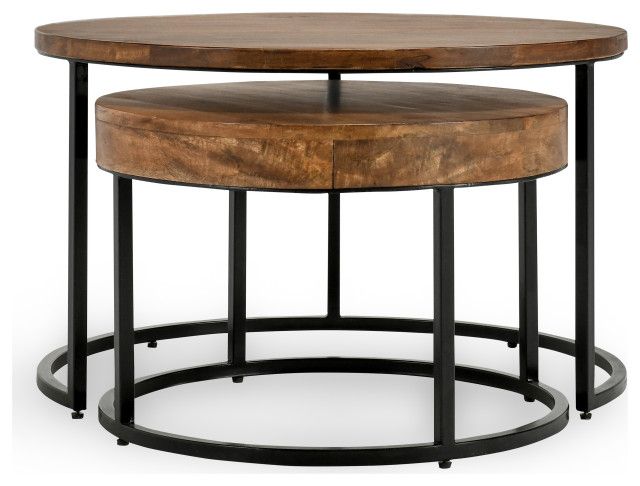
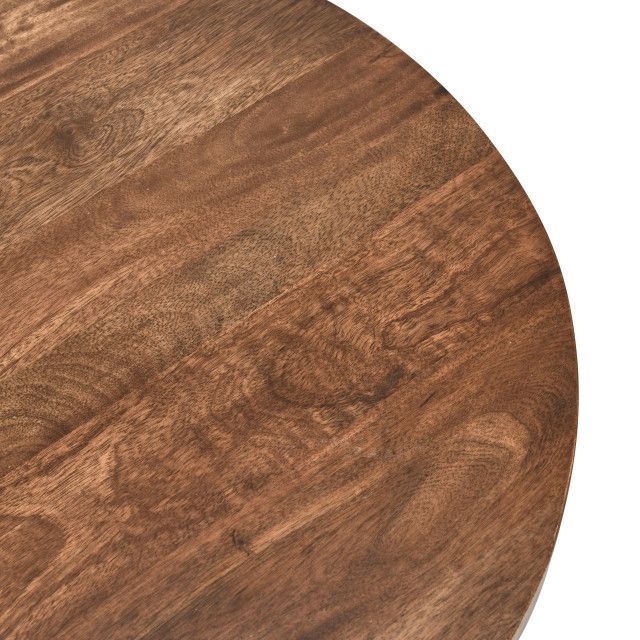
Nesting tables are such a brilliant invention, aren’t they? They offer flexibility and style, and when they’re in a beautiful natural brown, they bring an earthy, grounded feel to your space. But how do you make them truly sing? It’s all about thoughtful styling to ensure they look intentionally placed and enhance your decor, rather than just being furniture. Let’s dive into how to make these adaptable pieces a stunning feature in your home.
Natural brown nesting tables are a decorator’s dream. Their warm tones can complement almost any color palette, and their ability to tuck away or spread out offers unparalleled practicality. Think about it: you get a coffee table when you need one, and extra surfaces for guests or decor when you don’t. But the real magic happens when you style them. It’s not just about plopping things down; it’s about creating a curated look that feels personal and polished. This guide is here to walk you through making your natural brown nesting tables a focal point of cohesive style.
Understanding Your Nesting Tables’ Role
Before we get to the fun part – decorating – let’s think about what these tables will do for your room. Are they your primary coffee table, nestled in front of a sofa? Or perhaps accent tables flanking an armchair? Knowing their primary function helps determine the scale and type of items you’ll place on them. For instance, a primary coffee table setup might need a larger tray or a few well-chosen books, while accent tables might carry a lamp and a small plant. Consider the overall vibe you’re going for too – minimalist, bohemian, traditional, or modern. The brown hue is wonderfully adaptable, but the styling should echo your room’s personality.
The Power of the Tray: A Stylist’s Secret Weapon
If there’s one thing that instantly elevates nesting tables, it’s a well-chosen tray. A tray acts as a visual anchor, corralling disparate items into one cohesive unit. For natural brown tables, consider materials that echo or contrast beautifully. A woven rattan or seagrass tray adds texture and a natural element, perfect for a bohemian or coastal feel. A sleek metal tray in brass or matte black can introduce a touch of modern sophistication. Even a simple wooden tray, perhaps in a lighter or darker shade than your tables, can create a lovely layered effect. Place your main items within the tray – think a couple of books, a small decorative object, and maybe a coaster. This prevents clutter and makes the arrangement look intentional and neat.
Layering and Height: Creating Visual Interest
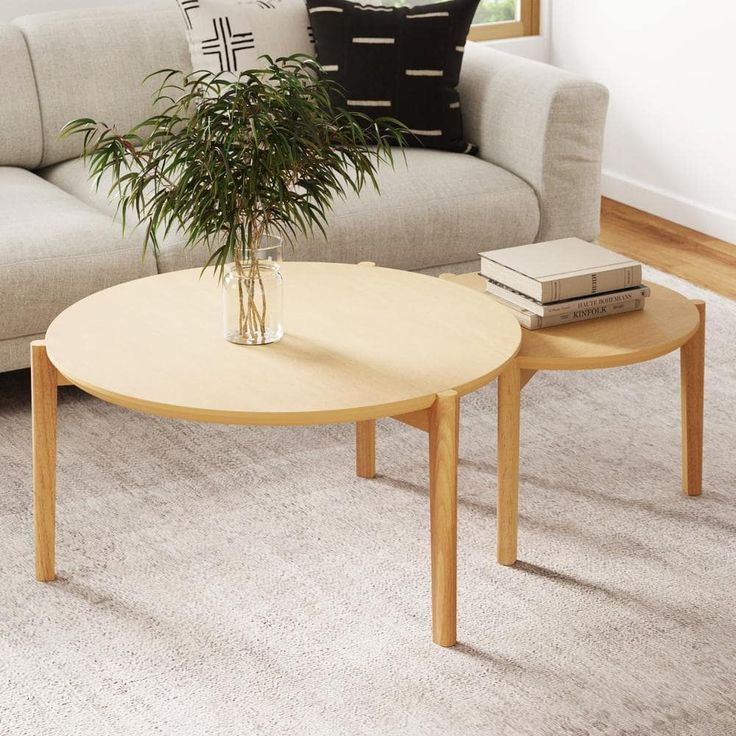
A common pitfall is placing items all on one level, which can look flat and uninspiring. Introduce variation in height and texture. Stack a few coffee table books, placing a smaller decorative item on top. A taller element, like a slender vase with a single stem or a small potted plant, can draw the eye upward. Don’t be afraid to mix materials: the smooth finish of a ceramic object against the rough texture of a wooden bowl, or the gleam of metal against natural fibers. The key is to create a balanced composition that is pleasing to look at from all angles. Think of it like creating a miniature still life on each table.
Color and Contrast: Making Your Brown Tables Pop
While natural brown is wonderfully neutral, it can sometimes feel a bit… well, brown. Injecting pops of color can really liven things up. Consider your room’s existing color scheme. If you have blues, for instance, a few blue accents on the table – perhaps a ceramic coaster, a small vase, or the spine of a book – will tie everything together beautifully. Metallics like gold, brass, or even a brushed nickel can provide a sophisticated contrast to the warmth of the brown wood. For a bolder statement, a deep jewel tone like emerald green or sapphire blue in a decorative object can be striking. Don’t overdo it; a few well-placed accents are more effective than a riot of color.
The Art of Negative Space: Less Can Be More
It’s tempting to fill every available surface, but sometimes, leaving empty space – what designers call ‘negative space’ – is crucial for a cohesive and uncluttered look. Don’t feel pressured to put something on every single inch. Allow some areas to breathe. This negative space helps highlight the items you have chosen to display, making them more impactful. It also prevents the arrangement from looking fussy or overwhelming. Step back and assess; if it feels too busy, remove an item or two. The natural brown of the tables themselves provides a beautiful, grounding base, so let it shine through.
Practicality Meets Panache: Functional Styling
Remember, these tables are often about function, especially nesting ones. So, let’s ensure your styling supports that. If one of the smaller tables is often pulled out for drinks, a stylish coaster is a must. A remote control can be tucked neatly into a decorative basket or box on a larger table. If you use them for reading, a small stack of current reads and perhaps a cozy throw draped nearby can be both functional and aesthetically pleasing. The goal is to make the styling look effortless, even if it’s serving a purpose. Think about what you actually do in that space and style accordingly, but with an eye for beauty and harmony.
Styling natural brown nesting tables is all about balance – balancing form and function, color and neutral, fullness and space. By using trays, varying heights, introducing subtle color, and embracing negative space, you can transform these practical pieces into stunning elements of your home decor. They offer a wonderful opportunity to express your personal style and create a warm, inviting atmosphere. So go ahead, experiment, have fun, and create a cohesive look that you’ll love coming home to. Your beautifully styled nesting tables are waiting.