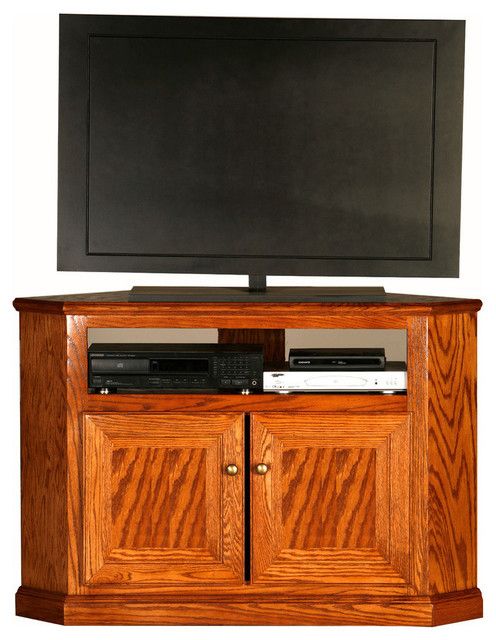
Have you ever walked into a room and felt instantly at ease because everything just… fit? That’s the magic of creating cohesion in your living space. When your home office and TV area work together instead of against each other, it’s like having a well-choreographed dance between function and form. It’s not just about looking pretty – it’s about making your space feel intentional and purposeful.
In today’s world, many of us spend hours working from home, often switching between professional tasks and relaxing moments. Your home office isn’t just a place for productivity anymore – it’s a multifunctional hub that needs to reflect both your work life and personal comfort. But here’s the thing: when your office and TV areas look completely different, it creates visual chaos that can actually hurt your focus and wellbeing. The secret lies in finding that sweet spot where functionality meets aesthetics. Think of it like choosing the right outfit for a job interview – you want to look professional while still feeling comfortable and confident. That’s exactly what matching TV cabinet solutions can do for your home office space.
Why Cohesion Matters in Home Spaces
Cohesion isn’t just a fancy word for ‘matching.’ It’s about creating a visual harmony that makes your space feel complete and thoughtfully designed. When elements in your room share common features, they work together to create a sense of unity that our brains naturally find pleasing. Research shows that people who live in visually cohesive environments experience less stress and feel more productive.
Consider this scenario: You’re trying to focus on an important project, but your eyes keep being drawn to mismatched furniture, inconsistent colors, or clashing styles. That distraction might seem small, but over time, it can add up to significant productivity loss. When your home office feels like a single, unified space, it becomes easier to concentrate and stay motivated. The brain appreciates consistency – it’s like having a familiar friend in an unfamiliar place. Everything just feels right when it fits together properly.
Understanding Matching TV Cabinet Solutions
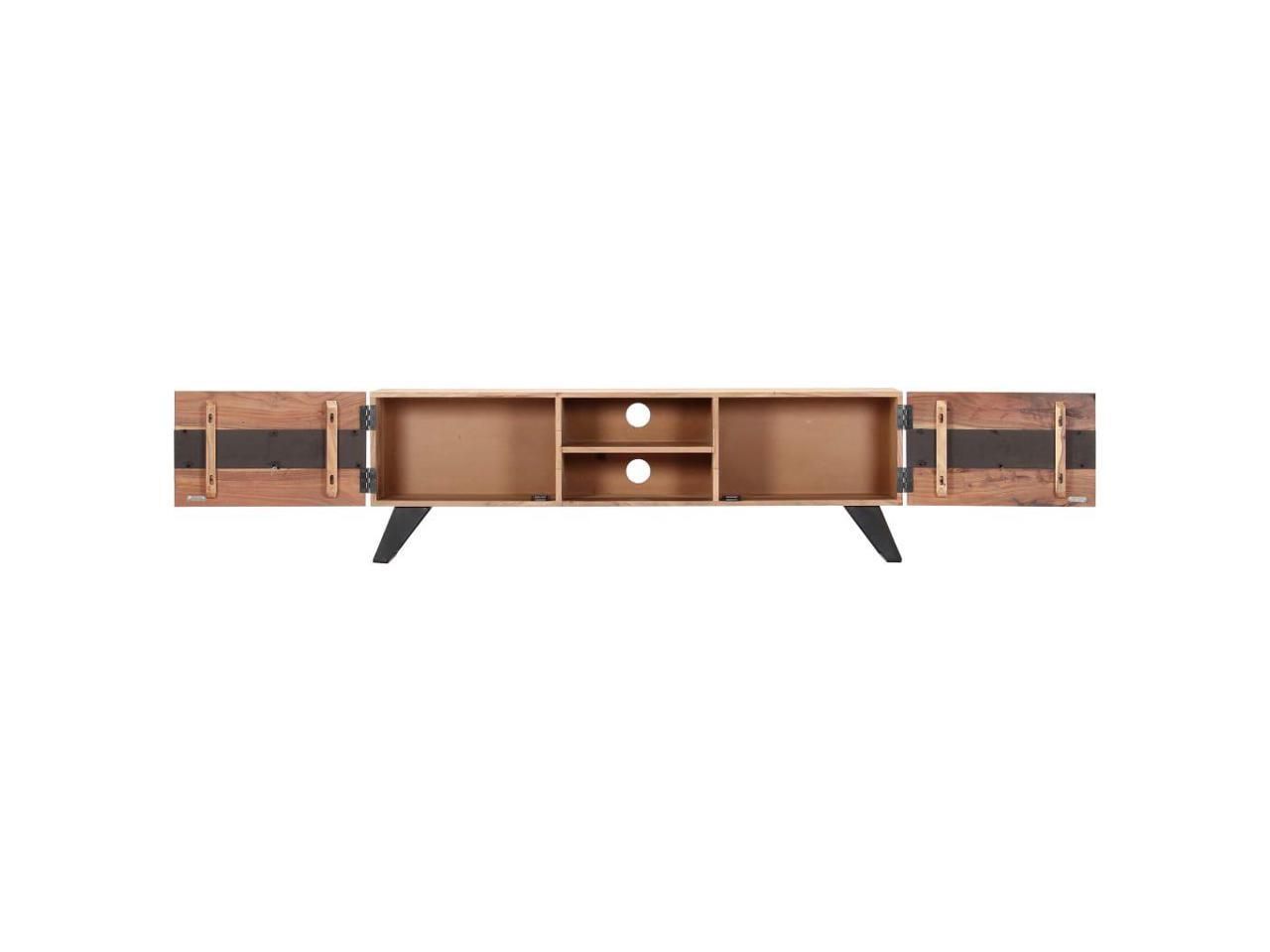
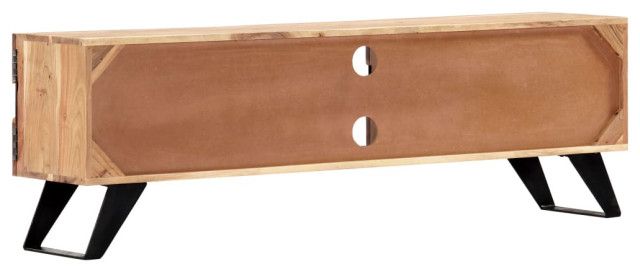
Matching TV cabinet solutions go beyond just color coordination. They’re about creating furniture that shares design elements, materials, and proportions that make them feel like part of the same family. This could mean:
• Consistent wood grain patterns
• Similar hardware finishes
• Unified styling details
• Complementary proportions
• Shared material textures
These elements work together to create a seamless transition between your workspace and entertainment area. Think about how a well-designed kitchen island connects the cooking and dining spaces – that’s exactly the kind of flow we’re aiming for in our home offices. The key is finding pieces that don’t compete with each other but rather support each other.
Key Design Elements to Consider
When selecting matching solutions, pay attention to these fundamental aspects:
• Materials: Are you going for solid wood, veneer, metal, or glass? Choose materials that complement each other rather than clash. A sleek glass top TV cabinet paired with a wooden desk creates an interesting contrast, but using the same wood species throughout keeps things harmonious.
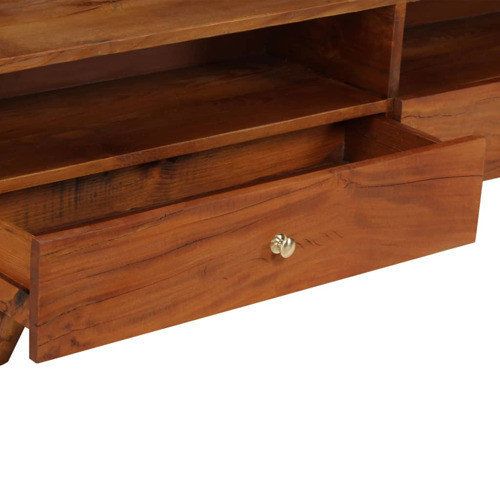
• Hardware: Do your cabinets have similar drawer pulls or handles? Even small details like these can make or break the overall look. If one piece has brushed brass handles while another has matte black ones, it can create a jarring effect.
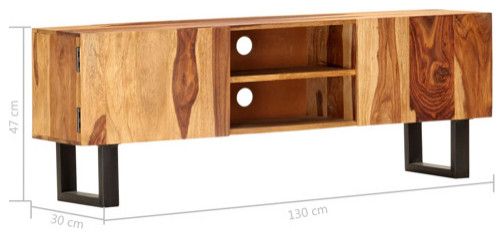
• Proportions: A large, imposing TV cabinet shouldn’t overwhelm a small desk. Look for pieces that scale well together, maintaining visual balance throughout your space.
• Color palette: While you don’t need to match exactly, choosing colors that complement each other creates a more cohesive feel. Earth tones, neutral palettes, and muted colors tend to blend better than bright, contrasting hues.
Practical Benefits of Unified Design
Beyond the aesthetic appeal, there are tangible advantages to creating a unified look:
• Enhanced focus: When your space feels organized and intentional, it’s easier to concentrate on work tasks. Your brain doesn’t have to process conflicting visual information.
• Increased property value: Homes with well-designed, cohesive spaces often sell faster and for higher prices. Potential buyers appreciate thoughtful design choices.
• Reduced decision fatigue: When everything matches, you don’t spend time second-guessing whether something looks right. It’s all already in harmony.
• Better functionality: Matching solutions often come with compatible accessories and storage options, maximizing your space’s potential.
• Long-term satisfaction: Cohesive designs tend to age better than trendy combinations that quickly feel dated.
Real-Life Examples of Success
Take Sarah, a marketing manager who transformed her cluttered corner into a professional workspace. She started with a simple desk and added a matching TV cabinet that shared the same wood tone and hardware. Suddenly, her entire area felt intentional and purposeful. Her colleagues were impressed when she hosted virtual meetings from her new setup.
Then there’s Marcus, who had a separate office and living room. He decided to unify the two spaces by choosing matching furniture for both areas. His work desk and his entertainment center now share the same style, creating a seamless flow that he loves. The result? He’s more productive and feels more relaxed when switching between work and leisure.
These aren’t just stories – they’re examples of how small changes in furniture selection can create dramatic improvements in daily life.
Making the Right Choice for Your Space
Choosing the right matching solution requires some careful consideration:
• Assess your current space: Measure everything carefully. What dimensions work best for your room?
• Identify your priorities: Do you need more storage, better lighting, or simply a cleaner look?
• Consider your lifestyle: How will you actually use the space? Do you need easy access to cables, or do you prefer a minimalist appearance?
• Set a realistic budget: Matching solutions don’t have to break the bank. Sometimes a few carefully chosen pieces can make a big impact.
• Think about future changes: Will you want to update your space later? Choose versatile pieces that can adapt to changing needs.
Remember, the goal isn’t to make everything identical. It’s about creating enough similarity that the space feels connected and intentional.
Common Mistakes to Avoid
Even with good intentions, some pitfalls can derail your cohesion efforts:
• Over-matching: Too much sameness can make a space feel sterile or boring. Adding subtle variations keeps things interesting.
• Ignoring functionality: A beautiful piece that doesn’t serve your needs is useless. Form must follow function.
• Neglecting lighting: Poor lighting can make even the most perfectly matched furniture look wrong.
• Forgetting about scale: Large pieces in small rooms can make everything feel cramped.
• Not considering traffic flow: Make sure your furniture arrangement allows for easy movement.
• Buying cheap knockoffs: Poor quality materials will show their age quickly and can ruin the whole look.
Getting Started Today
Ready to transform your space? Here’s how to begin:
• Start small: Choose one element to update first, like a new desk or a matching cabinet.
• Visit local furniture stores to see pieces in person before buying online.
• Take photos of your existing setup to help visualize changes.
• Set a realistic timeline and budget for your project.
• Don’t rush – take time to find pieces that truly speak to you.
The journey toward a more cohesive home office starts with a single step. Whether it’s choosing a matching TV cabinet or simply rearranging existing pieces, every change moves you closer to a space that works for your life.
Creating cohesion in your home office with matching TV cabinet solutions isn’t just about making things look pretty – it’s about designing a space that supports your daily life and mental wellbeing. When your work area and entertainment space flow together naturally, you’ll notice a difference in how focused you feel, how relaxed you can be, and how much more you enjoy spending time in your own home. The key is finding that balance between uniformity and individuality, between function and beauty. Remember, your home office should feel like a sanctuary – somewhere you want to be, where everything works together to make your life easier and more enjoyable. Start small, think long-term, and trust the process. Your future self will thank you for taking these steps today.