Picture this: your living room isn’t just where you relax anymore. It’s become the heart of your home’s entertainment universe. From sleek sound systems to smart technology integration, the way we design and use our living spaces has undergone a complete transformation. What used to be simple sitting areas have evolved into sophisticated multimedia environments that blend comfort with cutting-edge functionality. This shift reflects how deeply entertainment has woven itself into our daily lives.
Living rooms today serve a purpose far beyond cozy conversations and casual gatherings. They’ve morphed into multifaceted entertainment hubs that demand both aesthetic appeal and technical sophistication. The modern homeowner expects their living space to seamlessly accommodate everything from binge-watching sessions to gaming marathons, all while maintaining visual harmony. This evolution represents more than just style changes – it’s a reflection of how our lifestyles have shifted toward more immersive digital experiences. The question isn’t whether you’ll entertain in your living room anymore, but rather how you’ll do it with flair and function.
Minimalist Tech Integration
Sleek technology has become the new minimalist statement. Gone are the days when electronics dominated the room with bulky components and visible cables. Today’s approach focuses on clean lines and hidden solutions. Smart TVs have evolved from large, obvious screens to thin, wall-mounted displays that disappear when not in use. The trend favors concealment over visibility – speakers embedded in furniture, hidden cable management systems, and integrated control panels that blend seamlessly with décor.
Consider a modern setup where a television disappears behind a sliding panel, leaving only a beautiful wooden frame. The audio system operates quietly from within the entertainment center, creating an uncluttered visual experience. This approach doesn’t sacrifice performance for aesthetics. Instead, it redefines what we consider functional beauty in home entertainment spaces.
Biophilic Design Elements
Nature has found its way into entertainment spaces like never before. The biophilic design movement brings the outdoors inside, creating calming environments that reduce stress while enhancing focus. Living walls, indoor gardens, and natural materials like wood and stone create visual connections to the natural world. These elements aren’t just decorative – they influence mood and cognitive function during extended entertainment sessions.
A living room featuring a vertical garden behind the TV creates a striking focal point while providing air purification. Natural wood accents in entertainment units add warmth and texture. Even subtle touches like bamboo flooring or stone accents can transform the entire atmosphere. This design philosophy recognizes that our brains respond positively to natural elements, making long viewing sessions more enjoyable and less fatiguing.
Flexible Multi-Functional Furniture
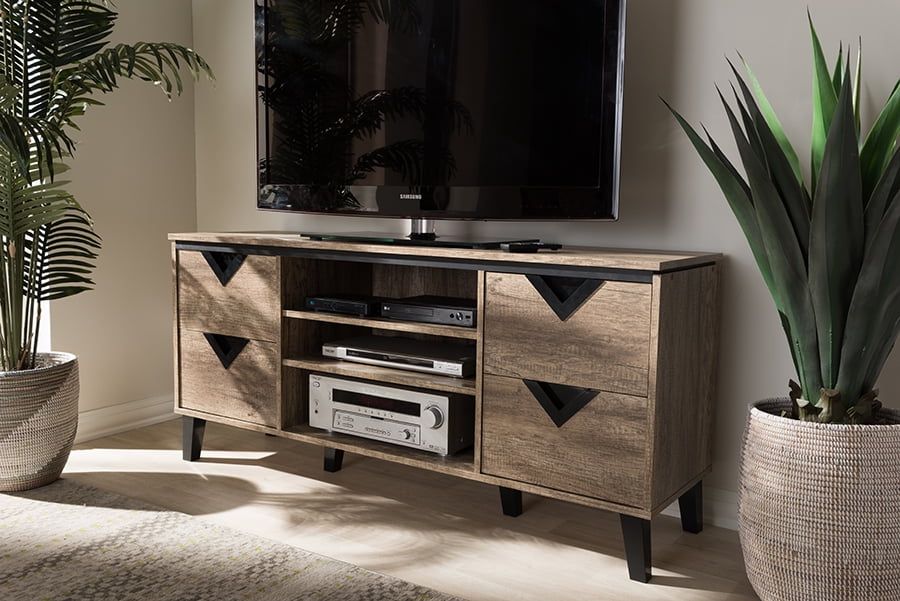
Modern living rooms require furniture that adapts to changing needs. The concept of fixed seating arrangements has given way to versatile pieces that serve multiple purposes. Modular sofas can transform from lounging areas to sleeping spaces. Coffee tables with storage compartments hide remote controls and gaming accessories. Entertainment centers now feature adjustable shelving that accommodates different equipment configurations.
Think of a sectional sofa that converts into a dining area for casual meals. Or a media console that doubles as a bookshelf and display unit. These transformations allow homeowners to maximize space efficiency while maintaining the flexibility needed for various activities. The key is choosing pieces that complement rather than compete with the entertainment technology already present.
Immersive Audio Experiences
Sound quality has become as important as visual presentation in modern entertainment spaces. Surround sound systems have evolved from basic stereo setups to complex multi-channel experiences that create true cinematic atmospheres. Many homeowners now invest in speaker arrays that seem to float in mid-air, delivering sound from multiple directions.
Dolby Atmos and similar technologies create three-dimensional audio experiences that make viewers feel part of the action. Subwoofers are now designed to blend invisibly into furniture, while wireless speakers eliminate cable clutter. The goal is to make audio so seamless that it enhances rather than distracts from the viewing experience. Some spaces even incorporate acoustic panels that improve sound quality while adding visual interest.
Smart Home Integration
The Internet of Things has revolutionized how we interact with our living spaces. Smart home systems now control lighting, temperature, and entertainment devices through single interfaces. Voice assistants have become essential components, allowing hands-free operation of complex entertainment setups.
Imagine controlling your entire entertainment environment with a simple voice command. The lights dim automatically when movie time begins, your favorite streaming service loads instantly, and your surround sound system adjusts to optimal settings. These integrations work behind the scenes, creating effortless experiences that enhance rather than complicate daily routines. The technology works so well that many people forget they’re using smart systems at all.
Personalized Lighting Solutions
Lighting plays a crucial role in setting the mood for entertainment experiences. Modern approaches focus on customizable ambient lighting that adapts to different activities and preferences. LED strips can create dynamic color schemes that match content being viewed. Smart bulbs offer precise control over brightness and hue, allowing users to fine-tune their environment.
Some homes feature lighting that responds to music beats or movie scenes, creating synchronized visual experiences. Others use motion sensors to adjust lighting based on occupancy and time of day. The key is avoiding harsh overhead lighting that creates glare on screens. Instead, layered lighting solutions provide flexibility while maintaining comfortable viewing conditions for everyone in the room.
The evolution of living room entertainment spaces reflects broader changes in how we live, work, and play together. These design trends don’t simply create pretty rooms – they enhance our daily experiences by combining technology with thoughtful aesthetics. The spaces we create today aren’t just about watching content; they’re about how we choose to share those moments with family and friends. As we continue to embrace digital connectivity while seeking genuine human connection, our living rooms will keep evolving to meet these dual needs. The future promises even more seamless integration between our physical and digital worlds, ensuring that our most important social spaces remain both functional and inspiring.