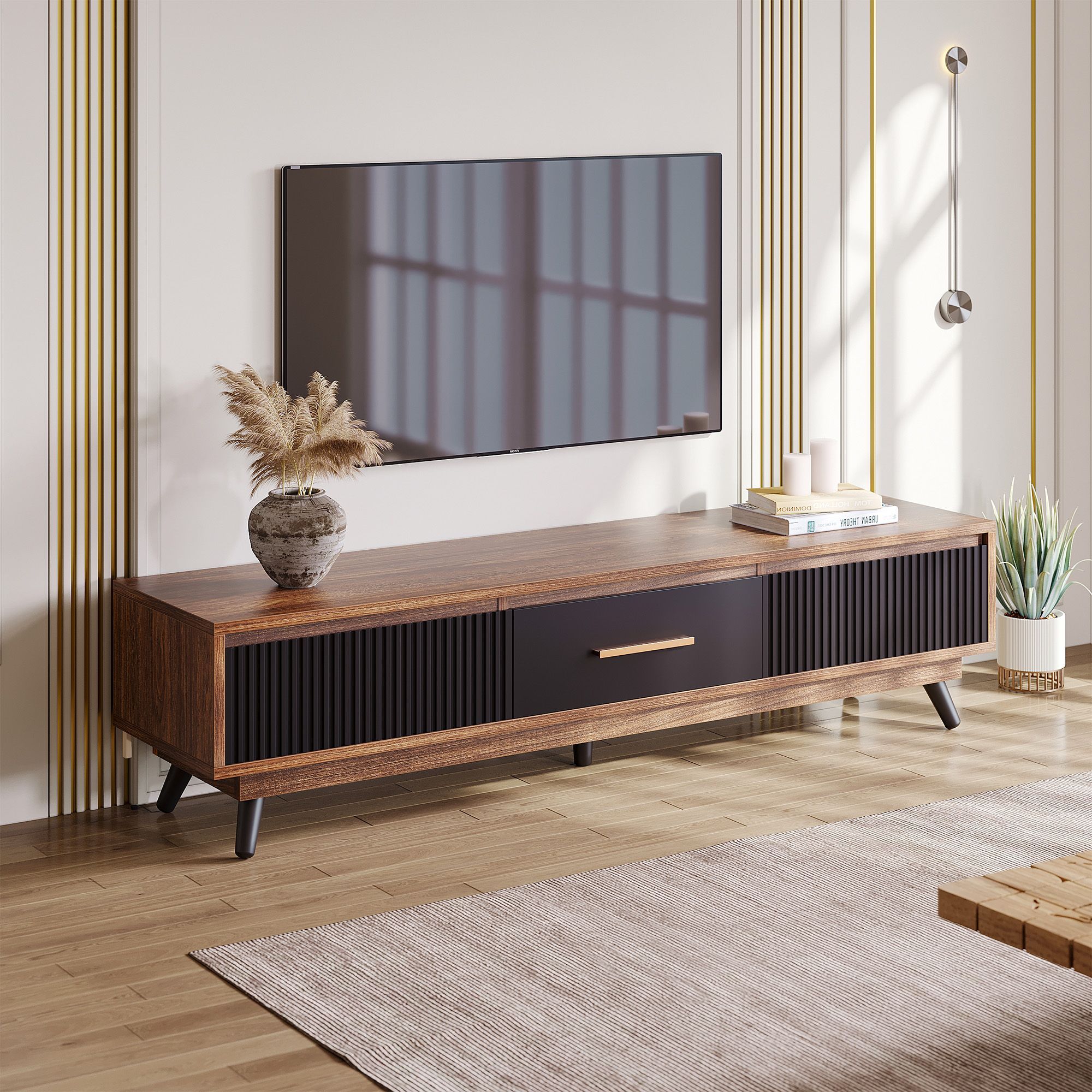
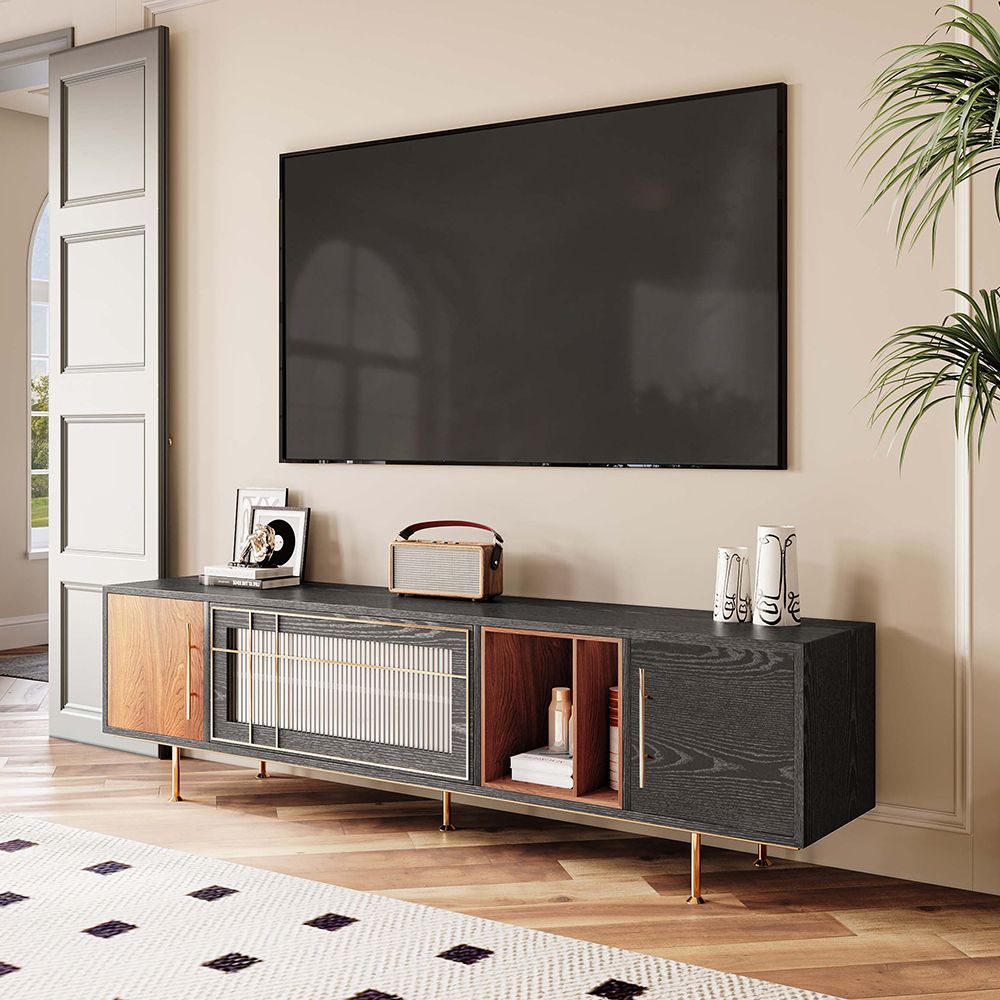
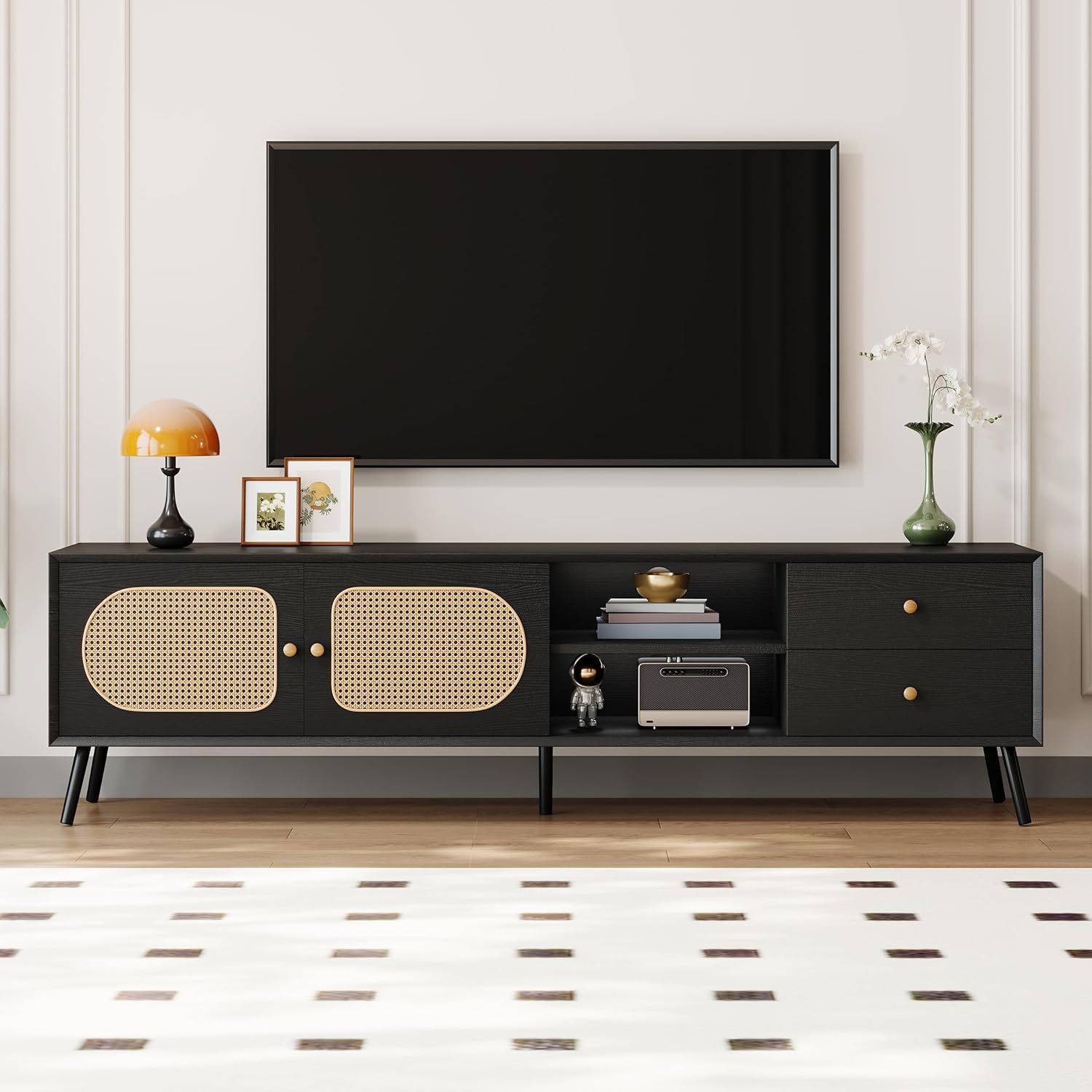
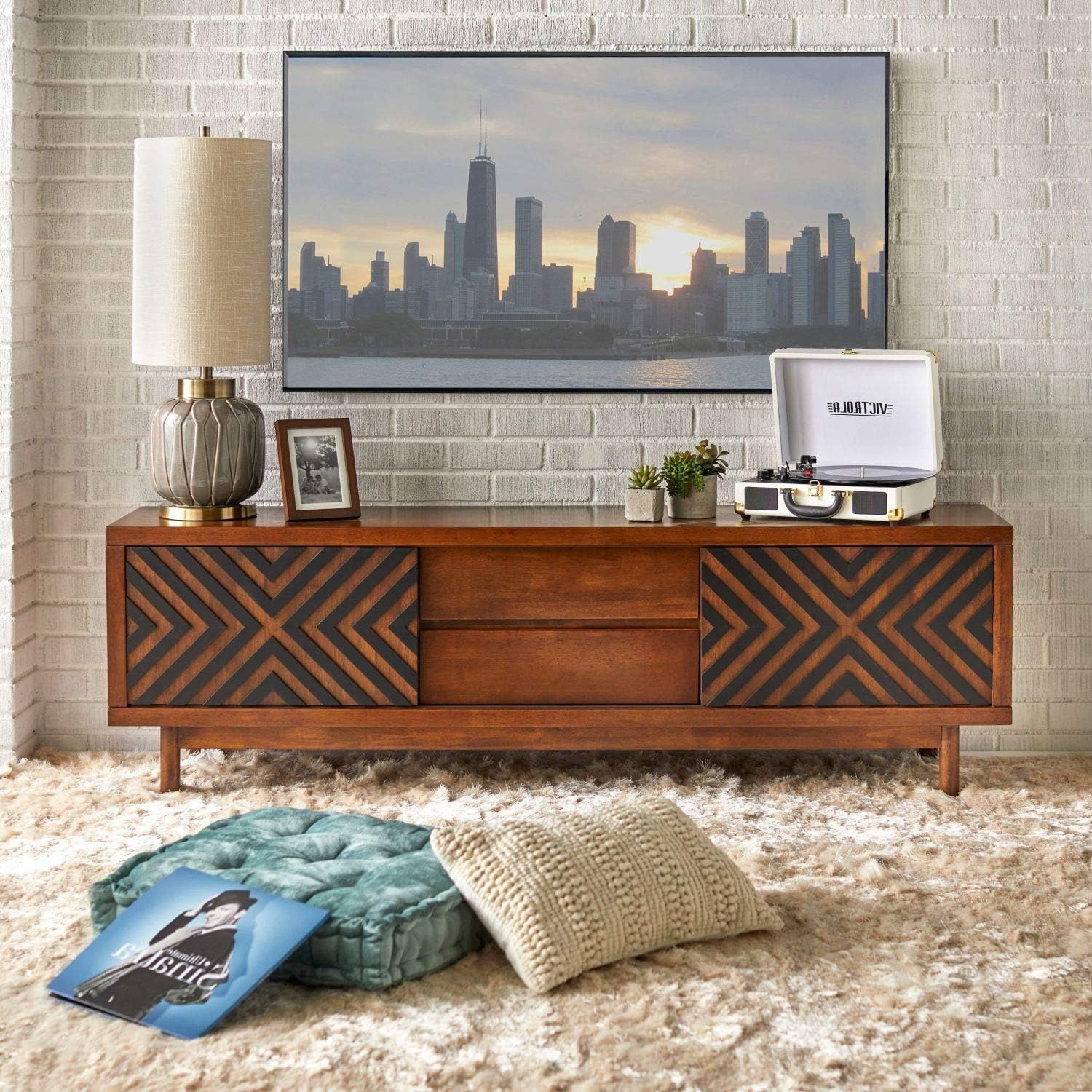
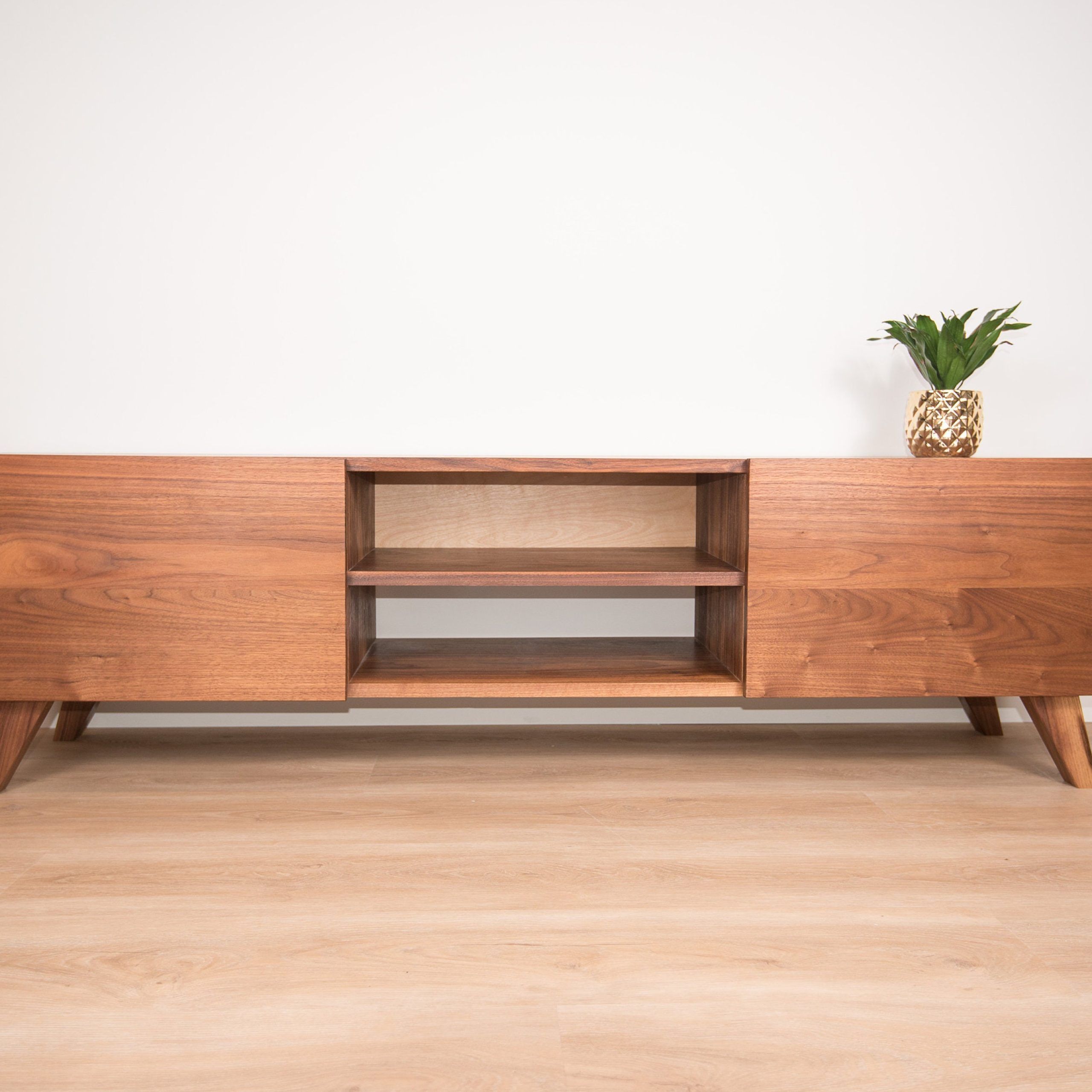
There’s something magical about these vintage entertainment units that continues to captivate homeowners decades after they first graced living rooms. Whether you’re browsing antique shops or scrolling through design blogs, you’ll find these distinctive pieces drawing attention. What exactly is it about them that creates such lasting appeal? Let’s explore.
Mid-century modern entertainment centers have become the stuff of design dreams. They’re not just furniture – they’re statements. These pieces emerged during the 1950s and 60s when designers were reinventing how we interact with our homes. The aesthetic was bold yet approachable, clean yet cozy. Today, people are still drawn to their unique combination of form and function. But why do they remain so irresistible? What makes these pieces feel both nostalgic and fresh?
The Design Philosophy Behind Mid-Century Modern
Mid-century modern wasn’t just a style – it was a philosophy. Designers like Charles and Ray Eames, George Nelson, and活跃的设计师们 created furniture that embraced simplicity while celebrating craftsmanship. These entertainment centers featured clean lines, organic shapes, and a fearless use of materials. They didn’t try to be anything other than what they were. You could see the intention behind every curve and joint. That honesty in design speaks to people today who want authenticity in their homes. The movement rejected the ornate, overly decorated styles of previous eras. Instead, it focused on creating spaces that felt lived-in and welcoming rather than sterile. Think about how many of these pieces incorporate wood tones, metal accents, and geometric forms. They’re designed to be functional but never forgetful of beauty. The aesthetic feels like a warm hug from another era.
The Perfect Balance of Form and Function
What sets mid-century entertainment centers apart is how they manage to be both beautiful and practical. These pieces often feature multiple storage options, built-in shelving, and clever organization solutions. They’re designed to hold everything from old vinyl records to modern electronics. Many include hidden compartments and drawers that keep clutter at bay. The proportions feel right – not too tall, not too wide. They fit perfectly in most living spaces without overwhelming them. You’ll notice that many of these units have a low profile, which makes them feel grounded and stable. This design choice helps create a sense of calm in a room. Plus, the materials used – often teak, walnut, or plywood – age beautifully. They develop character over time rather than looking dated. The hardware is usually simple and well-made, contributing to their enduring appeal. These pieces don’t just look good; they work well too. That’s rare in today’s disposable culture.
The Emotional Connection to Nostalgia
There’s a deep emotional pull to these pieces that goes beyond aesthetics. For many people, they represent a simpler time. They evoke memories of family gatherings, movie nights, and quiet evenings at home. The wood grain patterns and warm tones remind us of childhood homes or grandparents’ houses. There’s comfort in knowing that someone made these pieces with care and attention. They’re tangible links to a different way of life. When you place one in your home, it creates a focal point that draws people in. It’s not just furniture – it’s a conversation starter. People love telling stories about their finds, whether it’s from a local antique shop or online auction. The search itself becomes part of the joy. You’re not just buying a piece of furniture; you’re acquiring a piece of history. That connection makes these items special.
Versatility in Modern Living Spaces
These entertainment centers aren’t stuck in the past – they adapt beautifully to contemporary needs. Modern versions often include cable management systems and outlets for current technology. They blend seamlessly with both traditional and ultra-modern interiors. The classic silhouette works well whether you have a rustic cabin or a sleek urban apartment. Some people even use them as room dividers or accent walls. The versatility comes from their fundamental design principles. Clean lines don’t date easily, and the neutral color palette allows for easy coordination. You can paint them, stain them, or leave them natural. The possibilities are endless. Many designers now incorporate mid-century elements into new builds. They’re proving that good design transcends trends. Whether you’re renovating or starting fresh, these pieces offer reliable solutions for organizing media and keeping spaces tidy. Their enduring popularity shows that they meet real needs.
Quality Craftsmanship That Stands the Test of Time
One of the most compelling aspects of these entertainment centers is the quality of their construction. They were built to last, using solid wood and strong joinery techniques. Unlike mass-produced alternatives, they don’t fall apart after a few years. The joints are often hand-finished and reinforced. You can see the pride in the workmanship. Many were made in small workshops by skilled craftspeople who took pride in their creations. The hardware is substantial and often includes brass or steel components that won’t rust or break easily. Even the finishes are designed to age gracefully rather than fade quickly. When you handle one of these pieces, you can feel the weight and substance. That physical presence matters. It tells you this isn’t a throwaway item. It’s meant to be passed down through generations. The durability makes them excellent investments for anyone serious about home design.
Cultural Impact and Design Legacy
Mid-century modern entertainment centers are part of a larger cultural movement that changed how we think about domestic spaces. They helped democratize good design by making beautiful, functional furniture accessible to ordinary people. Before this movement, homes were often filled with overly ornate or plain pieces. These centers introduced a middle ground that was both elegant and practical. They influenced countless designers who followed. Today’s furniture industry still looks to this era for inspiration. The movement also emphasized the importance of creating spaces that support daily life. These units weren’t just decorative – they were designed to facilitate how people actually lived. They encouraged families to gather around shared entertainment experiences. The legacy lives on in modern design education and practice. Even if you don’t own one, you’ve probably seen the influence in countless contemporary homes. The impact is undeniable and enduring.
Mid-century modern entertainment centers continue to capture hearts because they embody so much more than simple furniture. They represent a time when design was thoughtful, craftsmanship was valued, and homes felt like places to truly live. Their appeal lies in the perfect marriage of beauty and utility, tradition and innovation. Whether you’re drawn to their nostalgic charm or their practical benefits, these pieces offer something special. They’re not just objects in your home – they’re companions that tell stories and create memories. In a world full of quick fixes and temporary solutions, these units remind us that good design is eternal. They’re proof that some things are worth waiting for, investing in, and cherishing.