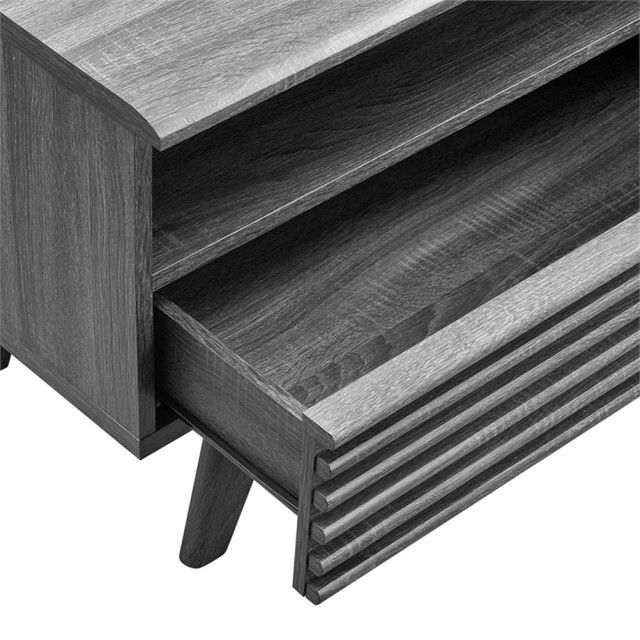
Every home deserves a centerpiece that brings joy, comfort, and style to family gatherings. The entertainment center isn’t just a place to stash your TV and gadgets—it’s a statement piece that reflects your personality and lifestyle. But when you’re standing in a showroom, surrounded by wood, metal, glass, and plastic options, how do you choose what’s right for you? That’s exactly what we’ll explore today.
Think about the last time you sat down to watch your favorite show with family or friends. What did you notice about the space around you? Was there something that made you feel cozy, stylish, or even a little bit special? That’s often the power of the entertainment center. It’s not just about putting a TV on a shelf—it’s about creating a focal point that draws people together. And one of the most important decisions you’ll make is picking the right materials. Whether you’re renovating your living room or designing a new space from scratch, understanding what materials work best for entertainment centers can save you time, money, and a lot of headaches later on. This guide will walk you through the different options, their pros and cons, and why some choices might be better than others for your particular needs.
The Classic Appeal of Wood
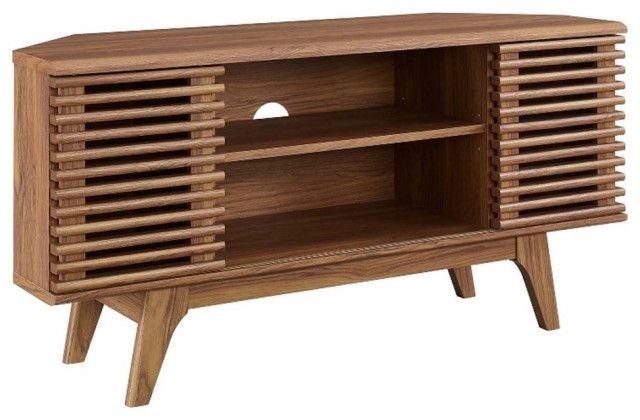
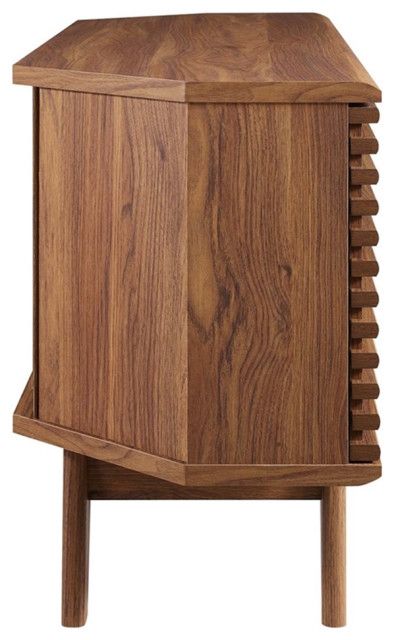
Wood has been the go-to material for entertainment centers for generations. It brings warmth, character, and timeless beauty to any room. There’s something special about the grain patterns, the natural textures, and the way light dances across wood surfaces. But not all woods are created equal. Let’s break down the main types and what they offer.
Oak is a popular choice because of its durability and striking grain pattern. It’s perfect for those who want something that looks great and can handle daily wear and tear. Maple offers a smoother surface and lighter color, giving a clean, modern look. Cherry wood darkens over time, creating a rich, sophisticated appearance that many find very appealing.
But wood does come with challenges. It can be expensive, especially if you’re going for high-end hardwoods. It’s also sensitive to moisture and temperature changes, which means it might warp or crack if not properly maintained. If you love the look of wood but want something a bit easier to care for, consider engineered wood products. These combine the aesthetic appeal of real wood with the stability and affordability of manufactured materials. They’re a smart compromise for many homeowners.
Metal and Steel: Strength Meets Style
For those who prefer a more industrial or contemporary vibe, metal and steel offer a bold alternative. These materials bring a sense of strength and modernity to your entertainment setup. Stainless steel, aluminum, and steel are commonly used because they’re incredibly durable and resistant to scratches and dents.
Steel frames can give your entertainment center a sleek, minimalist look. They’re perfect for people who like clean lines and want something that won’t distract from their TV or other electronics. Aluminum is lighter and often used in modular designs that can be easily reconfigured. Some designers even incorporate brushed steel elements to add visual interest while maintaining a modern aesthetic.
However, metal can sometimes feel cold or impersonal. It may also conduct heat, so if you’re placing devices that generate warmth near it, that could be a concern. And let’s be honest, metal finishes can show fingerprints and smudges more easily than other materials. Still, with the right design and finishing touches, metals can create stunning, eye-catching entertainment centers that stand out in any room.
Glass and Acrylic: Transparency and Modernity
If you’re drawn to sleek, contemporary designs, then glass and acrylic might be your perfect match. These materials bring an air of sophistication and openness to your space. They allow light to pass through, making smaller rooms feel larger and more inviting. Glass is particularly popular for display shelves where you want to showcase your collection of DVDs, games, or collectibles.
Tempered glass is a favorite among manufacturers because it’s much stronger than regular glass and safer to use. It can handle impacts better and won’t shatter into sharp pieces if broken. Acrylic, on the other hand, is lighter and more flexible, though it can scratch more easily. Both materials can be clear, frosted, or tinted, giving you endless design possibilities.
One thing to keep in mind is that glass and acrylic are not immune to fingerprints and dust buildup. Regular cleaning is essential to maintain their clarity and shine. Also, these materials can be more fragile than wood or metal, so they might not be ideal for homes with young children or pets. But when cared for properly, they can create beautiful, light-filled entertainment spaces that feel both elegant and functional.
Laminate and Veneer: Budget-Friendly Options
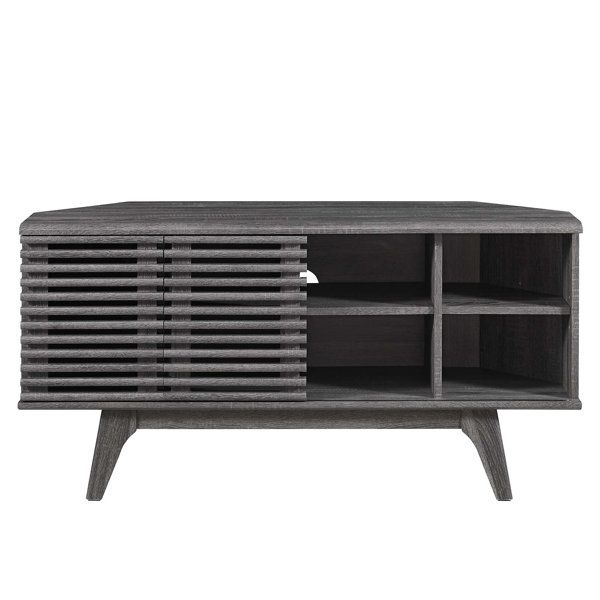
Sometimes you want quality without breaking the bank. Laminate and veneer are excellent solutions for budget-conscious consumers who still want a polished look. Laminate is a thin layer of material pressed onto a substrate, usually particle board or MDF. It comes in countless patterns and colors, mimicking everything from wood to stone.
Veneer takes a different approach. It’s a thin slice of real wood applied to a base material. While it costs more than laminate, it offers a more authentic wood appearance. Both options are affordable and easy to maintain. You can find laminates that look almost identical to solid wood, making them a popular choice for renters or those doing temporary renovations.
The downside is that these materials aren’t as durable as solid wood or metal. They can chip or peel over time, especially if exposed to moisture or heavy use. But if you’re looking for a quick, stylish solution that won’t strain your wallet, these materials offer a good balance of aesthetics and practicality. They’re also easy to replace or update if trends change.
Composite Materials: The Best of Both Worlds
Composite materials represent a newer category that combines multiple elements to create something stronger and more versatile. These are typically made by blending different materials such as wood fibers with plastics or resins. They offer the look of natural materials with improved performance characteristics.
Composite cabinets, for instance, might have the appearance of wood but resist warping, fading, and moisture damage better than traditional wood. They’re often used in outdoor or high-moisture areas, but they’re also gaining popularity indoors for their durability and low maintenance requirements.
Another example is fiber cement boards, which combine wood fibers with cement to create a material that’s fire-resistant, pest-resistant, and extremely stable. These are excellent for creating custom entertainment centers that need to withstand the test of time.
Composites are generally more expensive than basic materials like laminate, but they offer long-term value. They require less upkeep and are less likely to need replacement due to environmental damage. For those who want a premium look without the hassle of constant maintenance, composites are worth considering.
Practical Considerations and Real-Life Examples
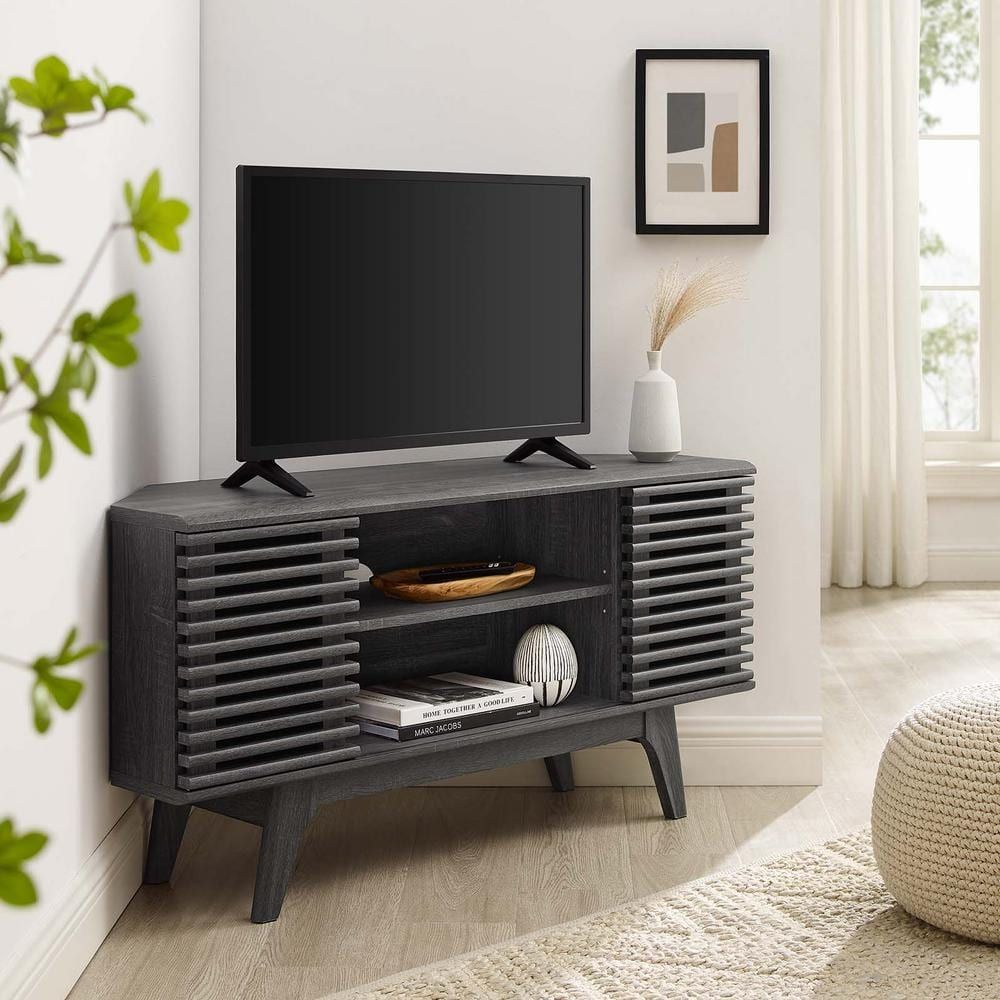
Choosing the right material for your entertainment center isn’t just about aesthetics—it’s about how well it fits into your lifestyle. Let’s take a look at some real-world scenarios:
• Family homes with active kids might benefit from materials that are easy to clean and resistant to scratches and dents. Metal or composite materials could be ideal here.
• Small apartments might want to use glass or light-colored materials to make the space feel bigger and brighter.
• Those who love showcasing their collections might prefer wood or glass display areas.
• People who entertain frequently might lean toward materials that are easy to maintain and don’t require constant polishing or special care.
Consider your daily routine and how you use your space. Do you have pets that might knock things over? Are you prone to spills? Do you enjoy hosting parties? Answering these questions will help narrow down your choices significantly. Sometimes the best material is simply the one that works with your life rather than against it.
Material choices for entertainment centers are more than just a matter of personal taste—they’re about creating a space that serves you well for years to come. Whether you’re drawn to the warmth of wood, the strength of metal, the transparency of glass, or the affordability of laminates, each option brings its own set of benefits and considerations. The key is matching the material to your lifestyle, your space, and your goals. Don’t rush the decision. Take time to think about how you’ll actually use the space, what kind of maintenance you’re willing to do, and what you want to achieve. With thoughtful planning, you’ll find a material that not only looks great but also enhances your everyday life. After all, your entertainment center should make you happy every time you sit down to watch your favorite shows—with or without the big screen.