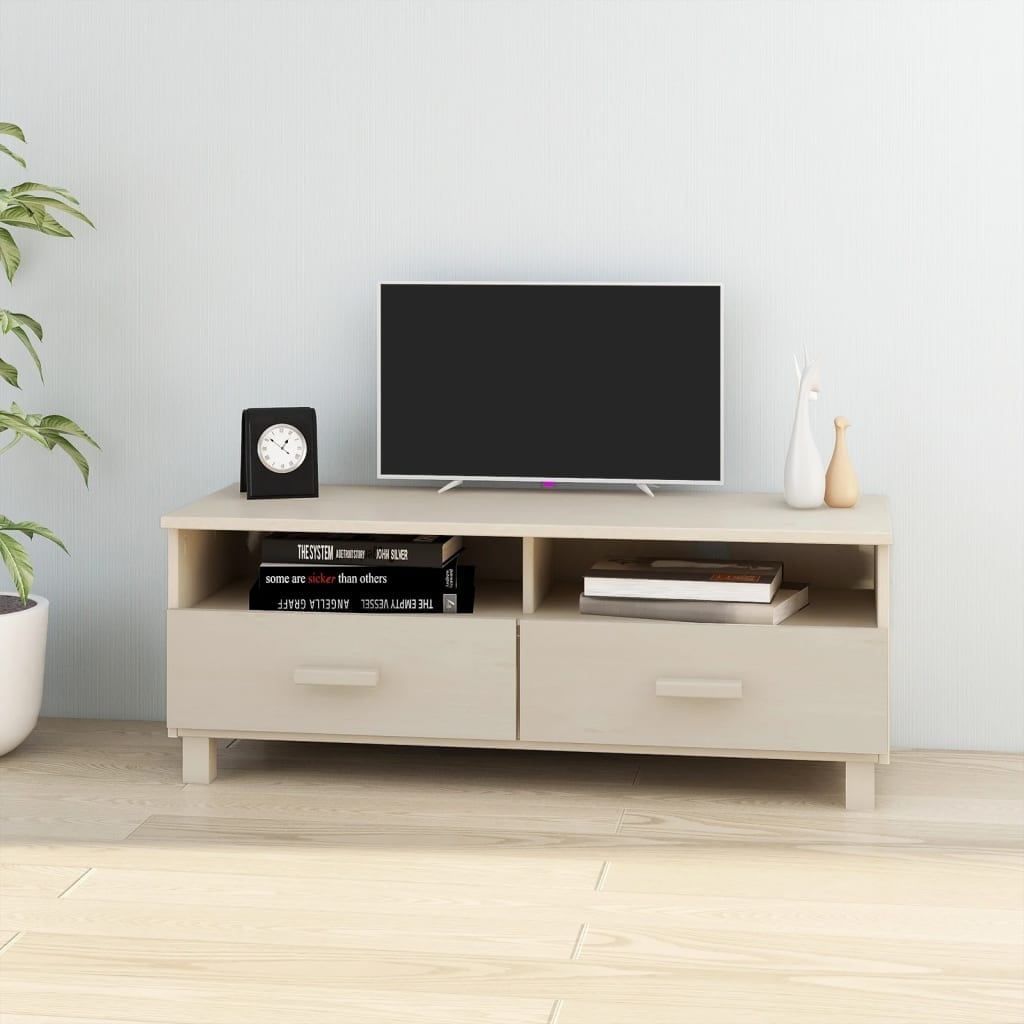
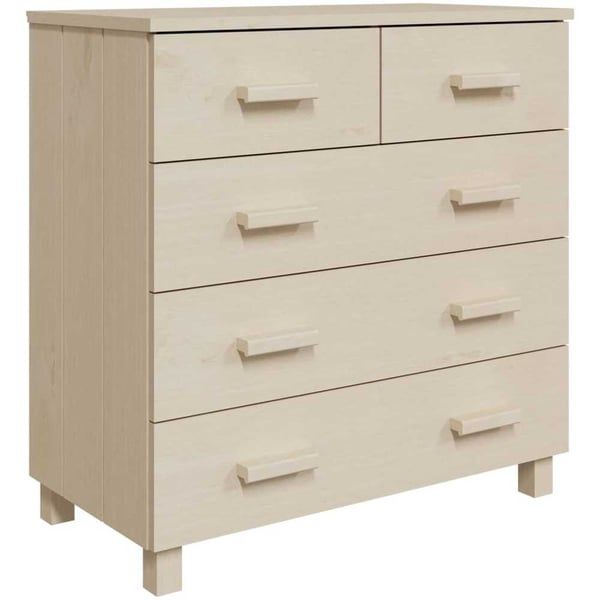
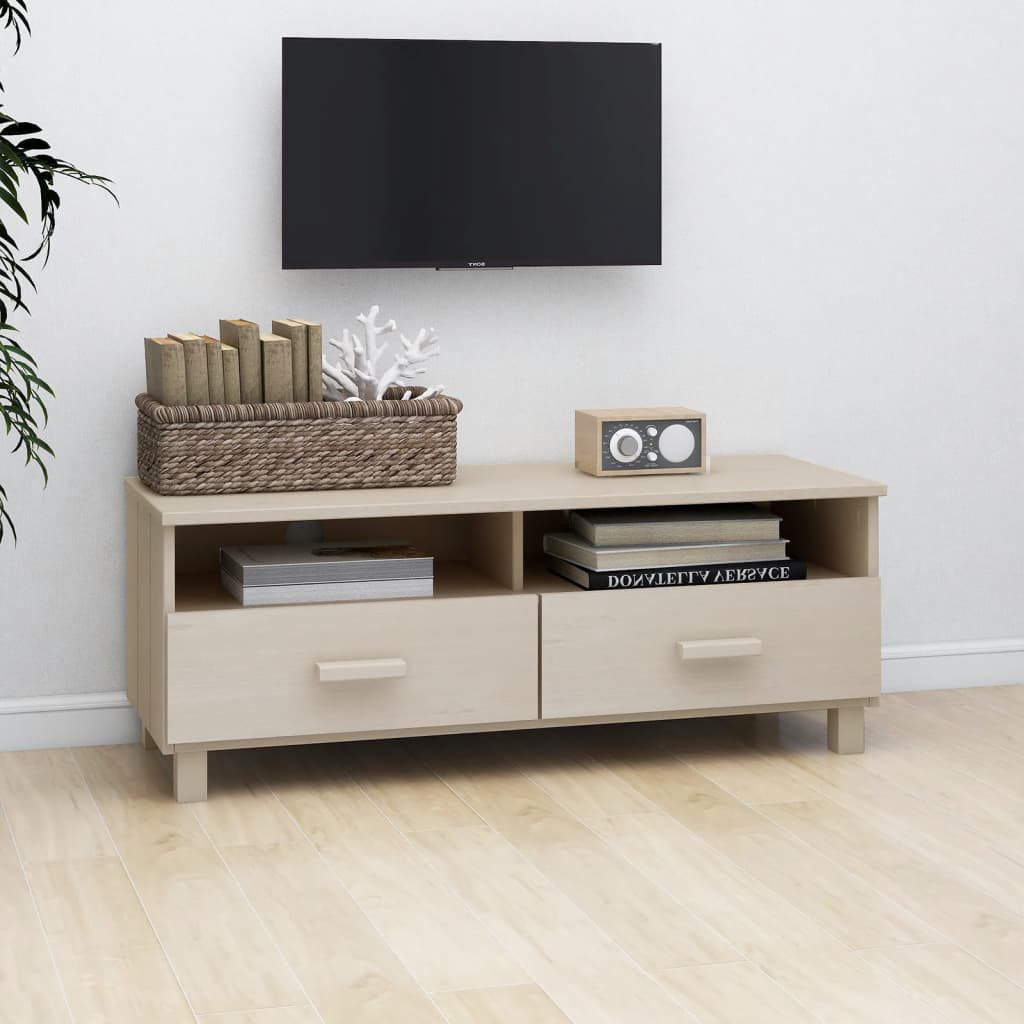
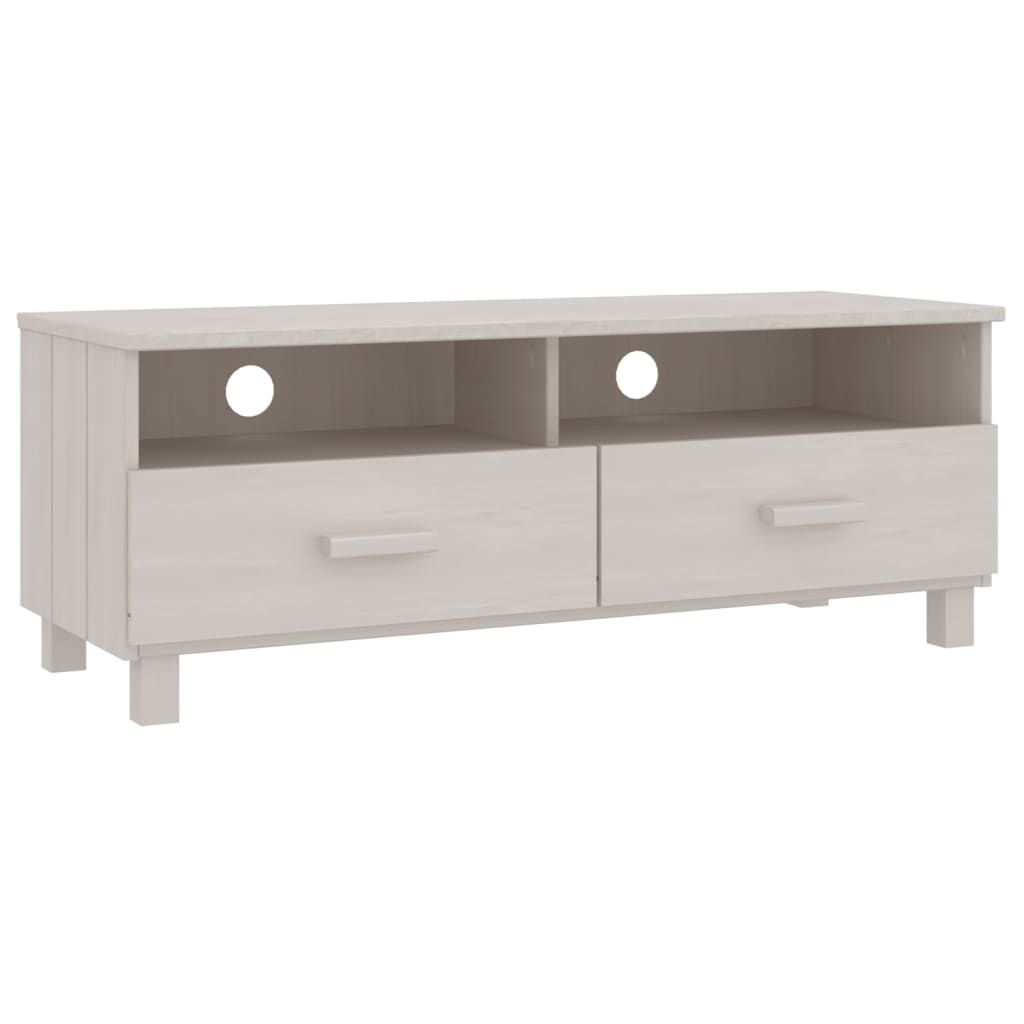
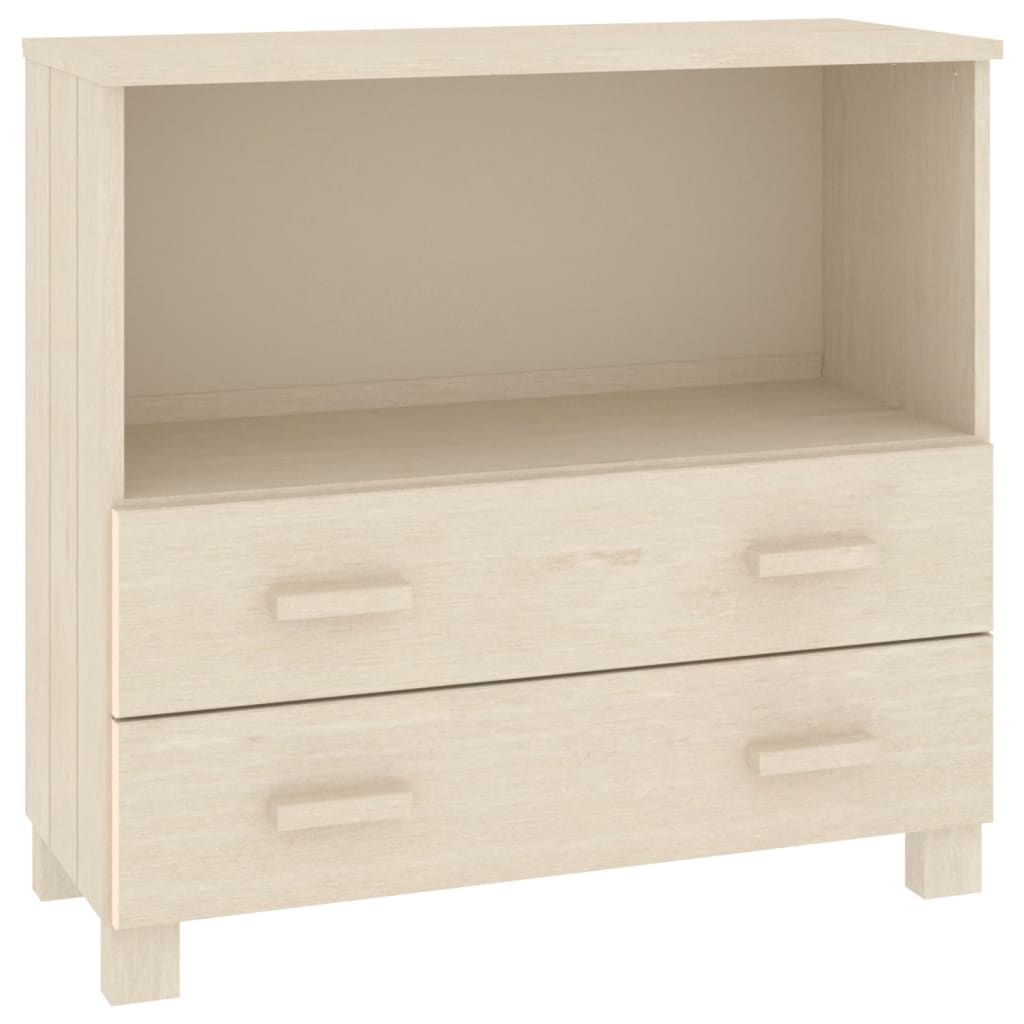
Pine furniture has been a favorite in homes for centuries. Its natural beauty, affordability, and versatility make it a popular choice for many families. But what really makes pine special isn’t just its appearance—it’s its ability to stand the test of time when cared for properly. Whether you have a pine dining table that’s seen countless family dinners or a pine bookshelf that holds decades of books, understanding how to nurture this wood will keep it looking fresh and strong.
When you think of solid wood furniture, pine often comes to mind. It’s not just because it’s affordable, but because it’s one of the most commonly used woods in home furnishings. Pine trees grow quickly and are abundant, making them a sustainable choice for furniture makers. But there’s more to pine than meets the eye. This wood has unique characteristics that affect both its durability and how it needs to be maintained. The key to keeping pine furniture looking great lies in understanding its nature and treating it with the right care.
What Makes Pine Different from Other Woods
Pine is a softwood, which means it’s not as dense as hardwoods like oak or maple. This might sound like a disadvantage, but it actually gives pine some interesting qualities. Pine has a distinctive grain pattern that’s both beautiful and unique. Each piece of pine furniture tells a story through its knots and color variations. These natural features add character, but they also mean pine requires different handling than harder woods. For instance, pine is more prone to scratches and dents, especially if it’s not properly finished. But here’s the thing—when pine is well-made and properly maintained, it can last for decades. Many families pass down their pine furniture through generations, sometimes even centuries. That’s because pine, despite being softer, can be incredibly resilient when treated right.
The Natural Characteristics of Pine Wood
Pine wood has several natural traits that impact how it behaves over time. First, it’s naturally porous, meaning it absorbs moisture easily. This can cause swelling or shrinking depending on humidity levels in your home. Second, pine contains natural resins that give it a slight scent and help protect against insects. Third, pine has a tendency to yellow over time, especially when exposed to sunlight. This isn’t necessarily bad—it’s part of pine’s charm. Many people love the warm, aged look that develops on older pine furniture. However, it does mean that regular maintenance helps preserve the wood’s original appearance. Some pine furniture may develop a slight amber tone after a few years, which many find appealing. The key is managing the environment and protecting the surface properly.
Durability Factors You Should Know
Durability in furniture depends on several factors, and pine is no exception. The type of pine matters. There are different species, including white pine, yellow pine, and red pine, each with varying levels of hardness and strength. White pine is softer and more common in furniture, while yellow and red pine tend to be denser. The grain orientation also affects durability. When wood is cut in a certain way, it can handle stress better. Pine furniture made with proper joinery techniques will last much longer than poorly constructed pieces. Even the finish plays a role. A good protective coating can significantly extend the life of pine furniture. Without proper finishing, pine is vulnerable to water damage, scratches, and general wear. So, while pine may not be the hardest wood around, it can definitely be durable with the right approach.
Common Issues with Pine Furniture
Even with proper care, pine furniture can face some challenges. One of the most frequent problems is warping. This happens when the wood expands and contracts due to changes in humidity. If your pine table has started to bow or your pine chair has become uneven, it’s likely due to environmental changes. Another issue is scratches. Pine’s softer nature means it can be easily marked by everyday use. Minor scratches are normal and can actually add to the wood’s character, but deep gouges require attention. Pine is also susceptible to insect damage, particularly if it’s not properly sealed. While pine naturally contains some insect resistance, it’s not foolproof. Moisture damage is another concern. Pine can absorb water quickly, leading to swelling, staining, or even structural issues. Regular inspections and timely repairs can prevent small problems from becoming big ones.
Proper Cleaning Techniques for Pine Furniture
Cleaning pine furniture is simpler than you might think. The key is using gentle methods that won’t damage the wood. Start with a soft cloth and dust regularly. Dust buildup can scratch the surface over time, so keeping it clean is essential. For deeper cleaning, use a slightly damp cloth with mild soap. Always wipe in the direction of the grain to avoid creating marks. Never use harsh chemicals or abrasive cleaners, as these can strip the finish and damage the wood. After cleaning, always dry thoroughly. Pine furniture should never be left wet. If you spill something, clean it up immediately. For stubborn stains, a little baking soda paste can work wonders. Mix baking soda with a small amount of water and gently rub it into the stain. Let it sit for a few minutes before wiping clean. Remember, prevention is better than cure, so regular light cleaning goes a long way.
Maintenance Tips to Extend Pine Furniture Lifespan
Maintaining pine furniture isn’t rocket science, but it does require consistency. Here are some practical steps that make a big difference:
• Apply a wood conditioner every six months to keep the surface hydrated
• Use coasters and placemats to prevent water rings
• Rotate furniture periodically to ensure even exposure to light and air
• Keep humidity levels stable in your home (between 30-50%)
• Repair small scratches or dents promptly
• Avoid placing pine furniture in direct sunlight for extended periods
• Use felt pads under furniture legs to prevent scratches on floors
These simple actions can extend the life of your pine furniture dramatically. Think of it like taking care of a pet—the more attention you give, the more it will appreciate and last.
Solid wood pine furniture brings warmth, character, and value to any home. While it may not be the most robust wood available, pine offers incredible longevity when properly cared for. Understanding its unique traits, from its natural tendency to yellow to its susceptibility to environmental changes, allows you to make informed decisions about maintenance. With regular cleaning, thoughtful placement, and timely repairs, your pine furniture can remain a treasured part of your family’s legacy for many years to come. The investment in proper care pays off not just in durability, but in preserving the natural beauty and sentimental value that pine furniture brings to everyday life. Whether it’s a childhood dining table or a grandmother’s sideboard, pine furniture deserves the respect and attention it’s capable of receiving.