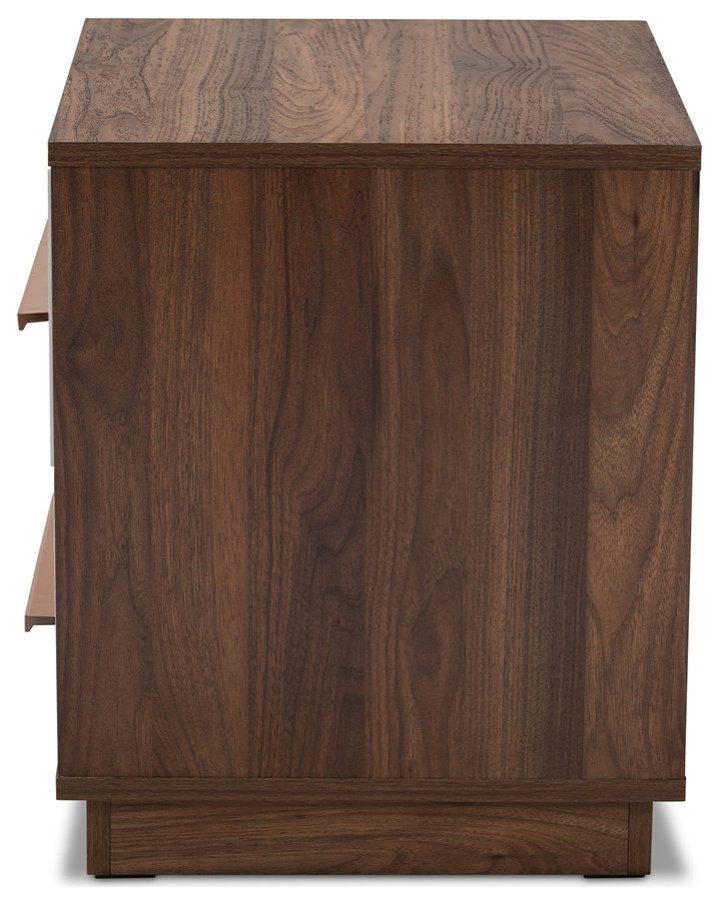
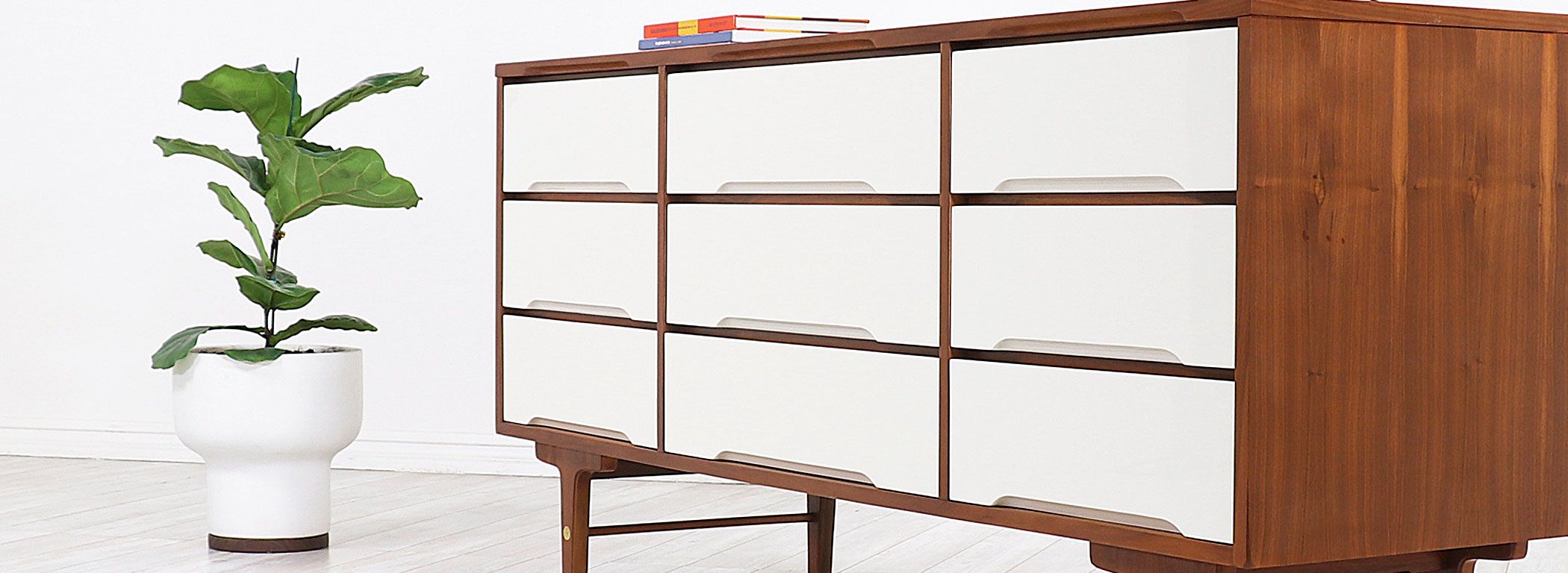
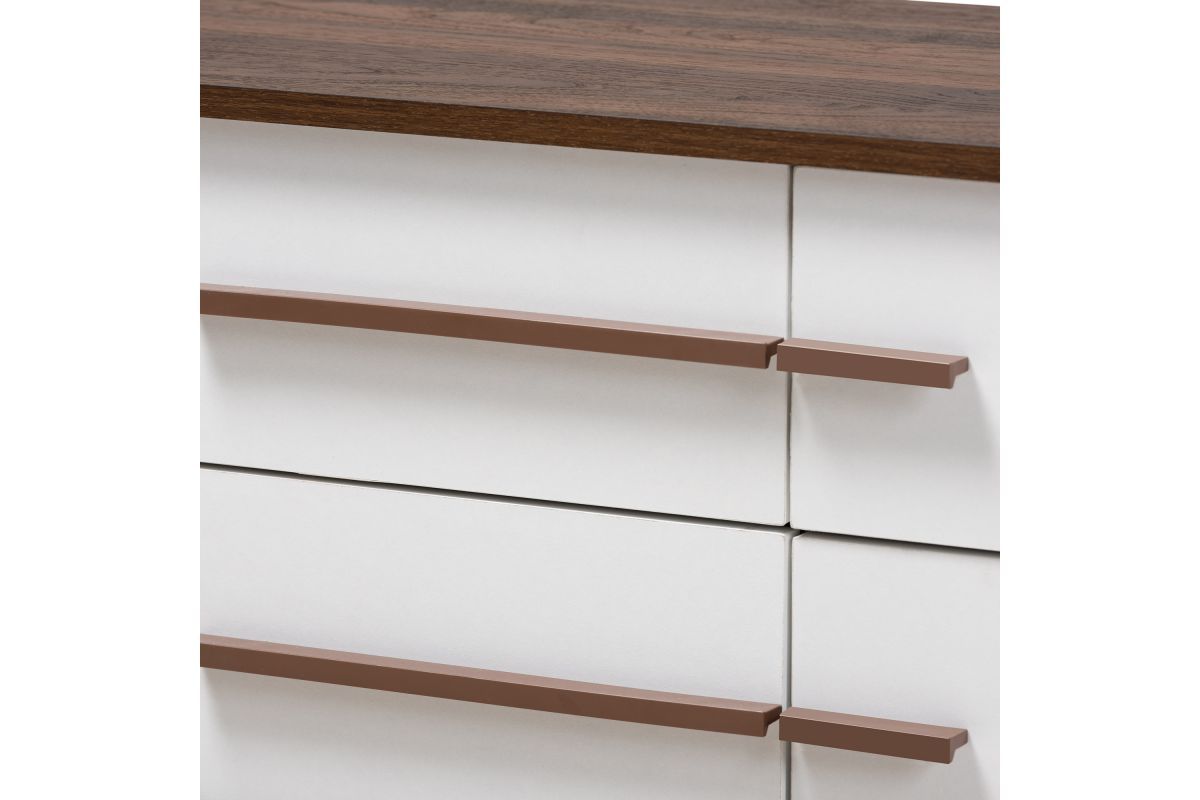
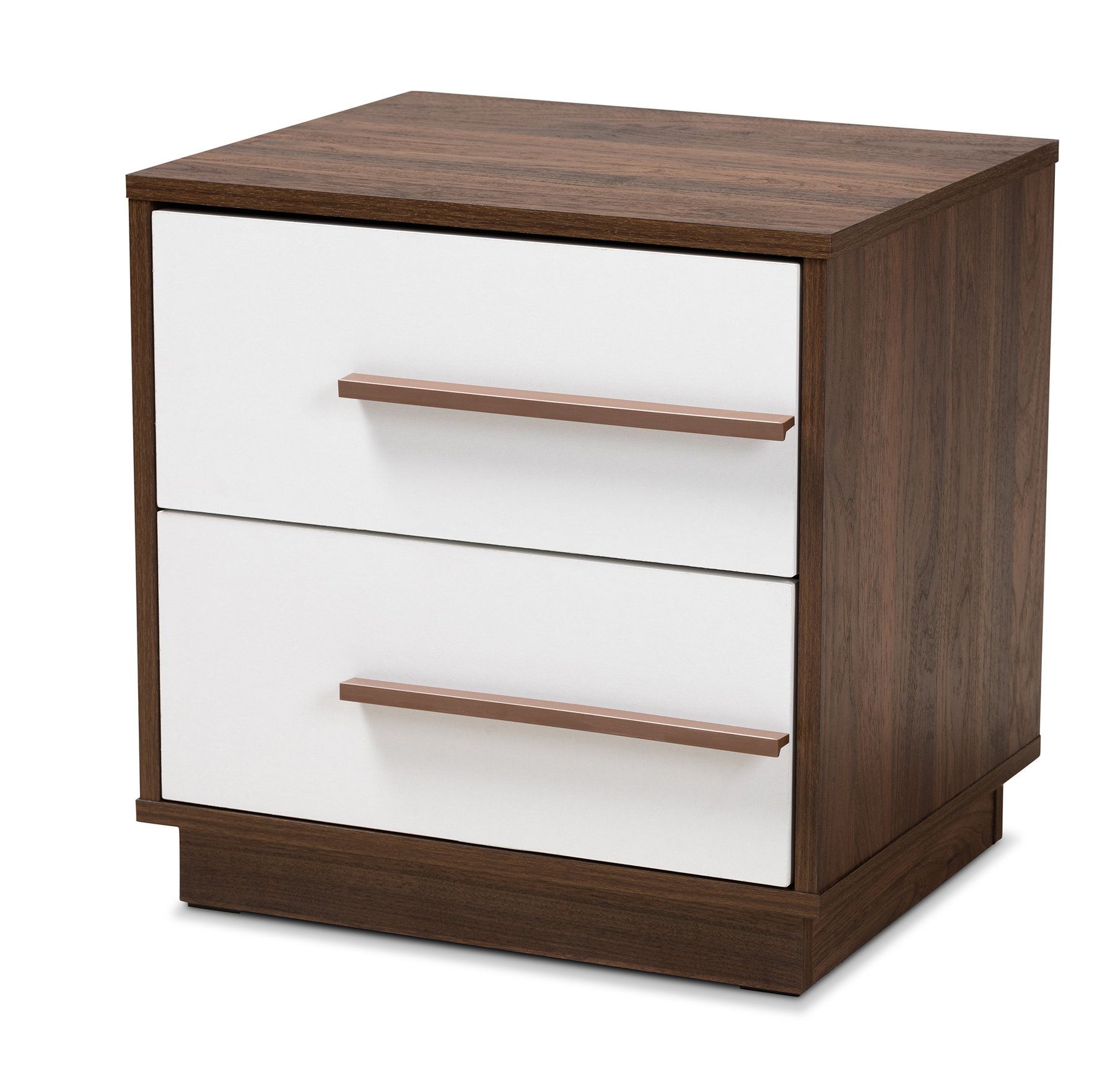
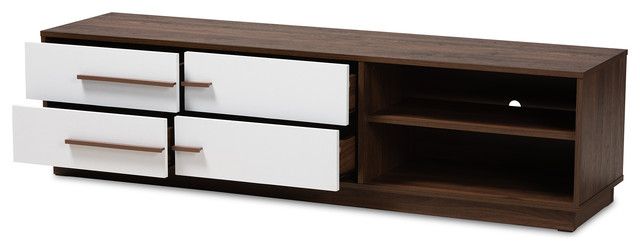
There’s something undeniably captivating about furniture that speaks two languages at once. Two-tone wood pieces carry the warmth of classic craftsmanship while embracing contemporary design sensibilities. They’re like conversations between past and present, each tone telling its own story while harmonizing with the other.
Picture this: a dining table where the top gleams in rich walnut while the base whispers of creamy oak. Or perhaps a sideboard where dark cherry meets light maple in perfect balance. These aren’t just pieces of furniture – they’re statements. They represent a design philosophy that’s been evolving for decades, yet somehow feels fresh every time you encounter one. Two-tone wood furniture has carved out its own special place in the world of interior design, offering homeowners a way to add visual interest without overwhelming their spaces.
The Art of Contrast
What makes two-tone wood furniture so compelling? It’s the interplay of opposites. Light and dark, smooth and textured, traditional and modern. This contrast creates visual drama that draws the eye and keeps it moving. Think about how a black-and-white photograph captures attention through stark contrast. Two-tone wood achieves similar magic, but with the added warmth of natural wood grains and textures.
Consider the psychological impact of these combinations. Dark woods often feel substantial and grounding, while lighter tones appear airy and open. When you combine them thoughtfully, you create a sense of balance and harmony that’s both visually pleasing and emotionally satisfying. The key lies not just in choosing different woods, but in understanding how their characteristics complement each other.
Historical Roots and Cultural Significance
Two-tone wood furniture isn’t a recent invention. Its roots run deep through various cultures and time periods. In Victorian-era America, craftsmen often used contrasting woods to showcase their skill and create visual richness in otherwise simple designs. The technique was particularly popular in the 1800s when woodworking was still very much an art form.
In Scandinavian design, the concept evolved differently. Here, the focus was less on dramatic contrasts and more on subtle tonal variations that created a sense of calm and functionality. The influence of nature was paramount – using woods that looked like they belonged together in the forest rather than in a room.
Traditional Japanese furniture also embraced this principle, though with different materials. The idea of combining different elements to create greater beauty was central to their aesthetic philosophy. Today’s two-tone designs pay homage to these traditions while adapting them to modern tastes and lifestyles.
Popular Wood Pairings and Their Characteristics
Not all wood combinations work equally well. Some pairings have become classics because they naturally complement each other:
• Walnut and oak – The rich chocolate tones of walnut against the warm honey hues of oak create a sophisticated look that works in both formal and casual settings.
• Cherry and maple – This pairing offers a gentle transition from the deeper reds of cherry to the clean whites of maple, creating a timeless elegance.
• Ash and birch – Both light woods with distinct grain patterns, they offer a subtle contrast that feels fresh and modern.
• Mahogany and pine – The bold contrast between the deep, luxurious mahogany and the soft, rustic pine creates a striking focal point.
Each combination brings its own personality to a room. Understanding the inherent characteristics of each wood type helps in making informed choices that will stand the test of time.
Practical Considerations and Maintenance
While two-tone furniture looks stunning, it does require some extra care to keep its beauty intact. The different woods may age at slightly different rates, especially if they’re exposed to varying conditions. This can actually be a feature rather than a flaw – it adds character over time.
Maintenance tips include:
• Using appropriate cleaners for each wood type
• Protecting surfaces from direct sunlight to prevent fading
• Regular dusting with a soft cloth
• Applying wood conditioner periodically to maintain moisture balance
• Being mindful of humidity levels in your home
The investment in proper care pays off in longevity and continued visual appeal. Many collectors find that two-tone pieces develop a beautiful patina that tells the story of their use and care.
Design Applications and Room-Specific Tips
How do you incorporate two-tone wood furniture into your living space? The key is knowing where to start and how to scale the approach. In dining rooms, a two-tone table can serve as the centerpiece, drawing attention while maintaining conversation flow. The contrast helps define the space without overwhelming it.
For living rooms, consider a two-tone console or side table that complements existing furniture. The contrast should enhance rather than compete with other elements in the room. Think about how light plays across the different surfaces throughout the day.
Bedrooms benefit from two-tone nightstands or dressers that provide visual interest while maintaining a serene atmosphere. The softer tones often work best in bedroom settings.
Kitchens offer unique opportunities for two-tone cabinetry, where the contrast can make storage areas more functional and visually appealing.
Modern Interpretations and Contemporary Trends
Today’s two-tone furniture designers are pushing boundaries while respecting tradition. New techniques in finishing and joinery allow for more creative combinations than ever before. Some manufacturers are experimenting with unusual wood pairings that might seem unexpected but create striking results.
Current trends include:
• Mixing traditional woods with reclaimed materials
• Incorporating metal accents that highlight the wood contrast
• Playing with proportions – larger pieces with smaller contrasting elements
• Creating custom combinations based on personal preferences rather than standard pairings
• Using two-tone principles in smaller accessories and decor items
These innovations show that while the fundamental appeal remains constant, there’s always room for evolution and personal expression. The timeless quality of two-tone wood furniture ensures that even experimental pieces will have lasting appeal.
Two-tone wood furniture represents more than just a design choice – it’s a celebration of craftsmanship, a nod to history, and a bridge between different aesthetics. Whether you’re drawn to classic combinations or want to experiment with new pairings, the possibilities are endless. The beauty lies not just in the visual contrast, but in the careful consideration that goes into each choice. These pieces don’t just fill rooms; they tell stories, create memories, and add depth to our daily lives. As you explore your options, remember that the best two-tone pieces are those that feel authentic to your style and lifestyle. After all, the most beautiful furniture is the kind that makes you want to spend time in the room it occupies.