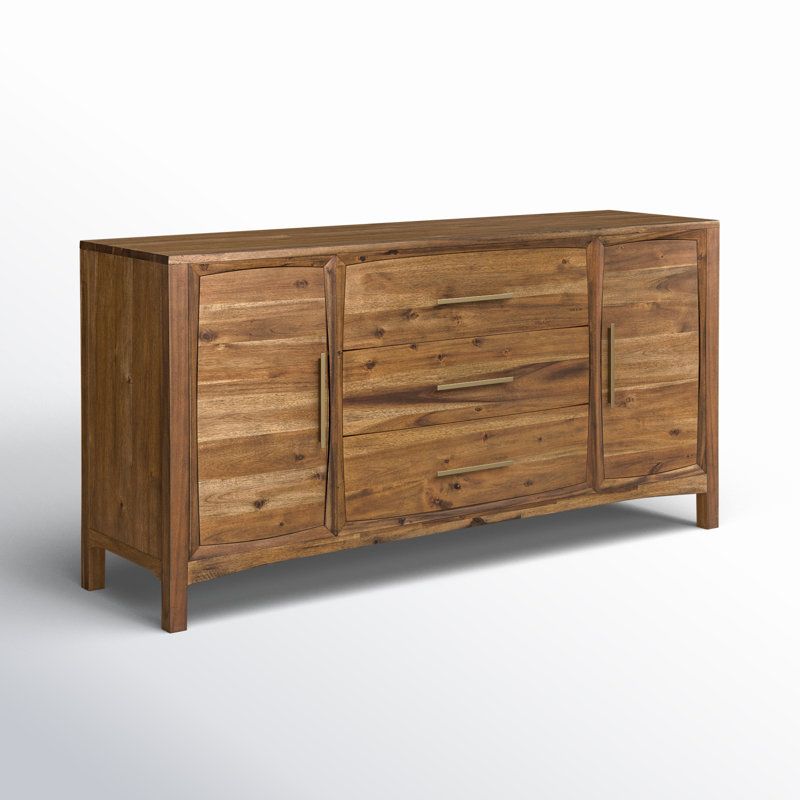
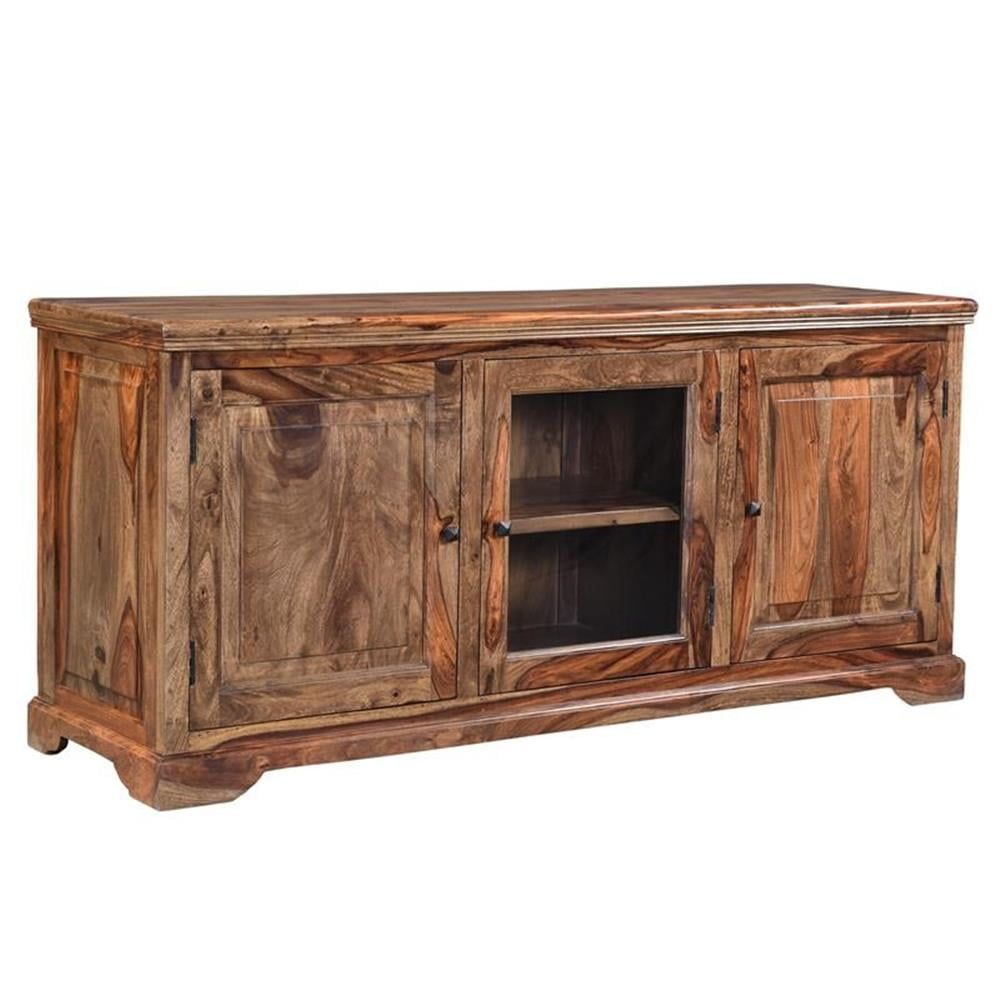
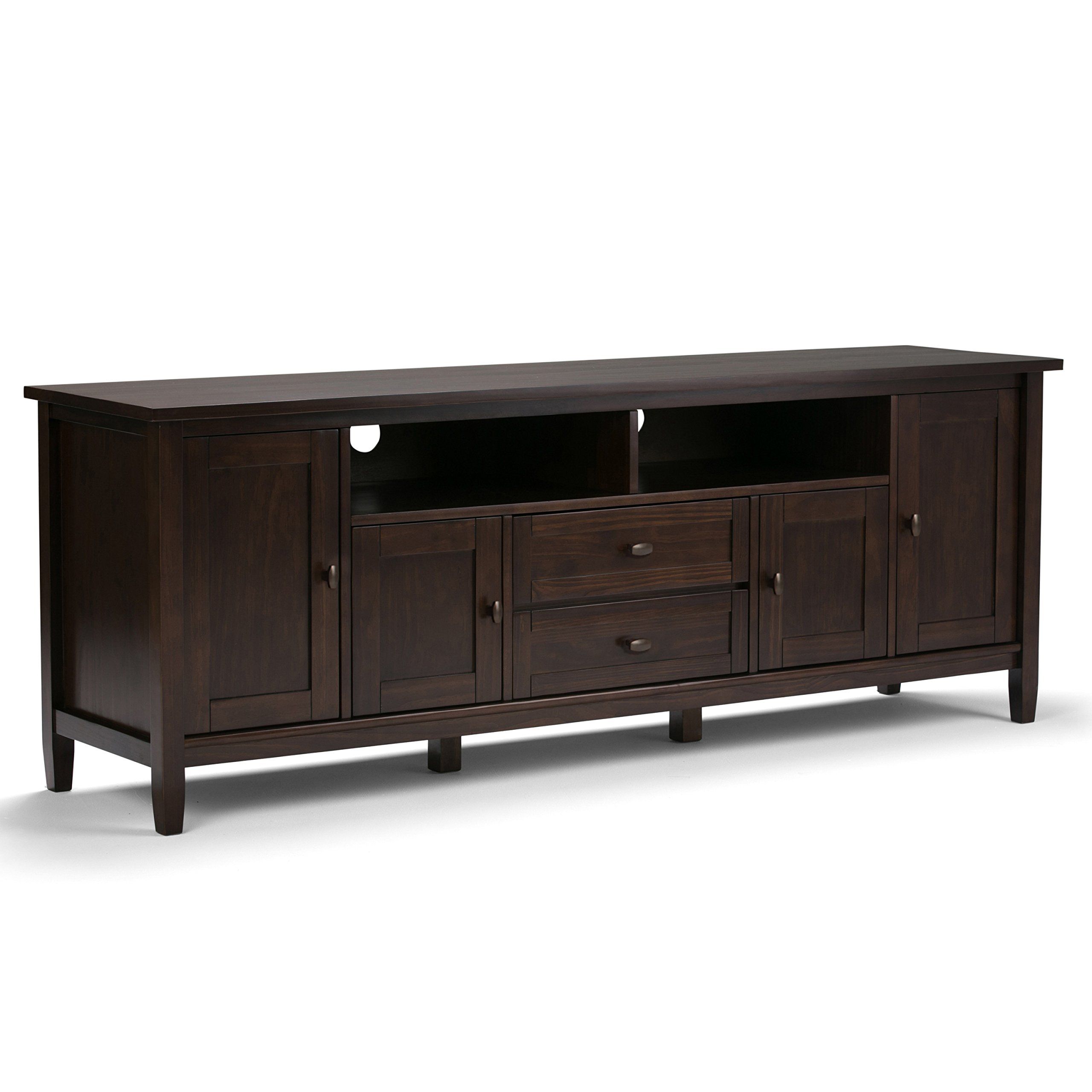
When you think about TV stands, you might picture a simple wooden platform. But these everyday pieces of furniture are actually carefully crafted to serve multiple purposes. They’re not just about holding your television – they’re about enhancing your viewing experience, protecting your investment, and fitting seamlessly into your living space.
TV stands have become more than just functional furniture pieces. They’ve evolved into important elements of home design that balance form and function. Whether you’re buying one for the first time or looking to upgrade your current setup, understanding how these stands work and what makes them effective can make all the difference. These aren’t just pieces of wood or metal – they’re engineering solutions designed around how we actually use our televisions today.
The Core Purpose of TV Stands
At their most basic level, TV stands exist to hold your television securely. But that’s just the beginning. Think about how many times you’ve seen someone struggle to mount their TV properly, or how frustrating it can be when a stand wobbles or isn’t tall enough. Good TV stands solve these problems before they start.
Consider the typical modern television – it’s heavy, often large, and needs to be positioned perfectly for comfortable viewing. A quality stand addresses all of these needs. It provides:
• Stable support for heavy TVs
• Proper height adjustment
• Protection from dust and damage
• Cable management solutions
• Space optimization
The best stands understand that a television is more than just a screen – it’s the centerpiece of your entertainment system.
Design Principles That Make a Difference
What separates a good TV stand from a bad one comes down to thoughtful design principles. These aren’t just pretty things to look at – they’re functional decisions made to improve your daily experience.
The first principle is proportion. A stand should match the size and weight of your television. You wouldn’t put a small, lightweight TV on a massive, ornate stand, and you wouldn’t put a big, heavy TV on something that looks like a child’s toy. The scale matters.
Next is accessibility. A well-designed stand allows easy access to all ports and controls. No one wants to reach over a bulky stand to plug in cables or change channels. The stand should make your technology easily accessible while keeping everything organized.
Then there’s ergonomics. This is where comfort meets functionality. The stand should position your television at eye level when you’re sitting, reducing neck strain. It should also consider how much space you have and how you move around your room.
Material Matters: What’s Behind the Scenes
The materials used in TV stands play a huge role in both performance and appearance. Wood offers warmth and classic appeal, but it requires careful maintenance and may not suit every environment. Metal brings durability and a modern aesthetic, though it can feel cold and sometimes conduct heat.
Glass and acrylic options provide a sleek, minimalist look but demand extra care to prevent scratches. Particle board and MDF offer cost-effective solutions, though they might not last as long under heavy use.
Each material type has its pros and cons. For example, solid wood tends to be more stable and less prone to warping over time. However, it’s also heavier and more expensive. Metal stands often come with warranties and are easier to clean, but they might not fit every interior style.
Consider the climate where you live too. Humidity can cause wood to expand and contract, affecting stability. In drier climates, this might not matter much, but in humid environments, it could be a major concern.
Safety Features You Should Look For
Safety should never be an afterthought when it comes to TV stands. We’ve all heard stories about TVs falling off unstable stands, causing damage or even injury. That’s why modern stands incorporate several safety features.
Most quality stands include anti-tip devices, which prevent the entire unit from tipping forward if someone accidentally bumps into it. These are especially important if you have children or pets around.
Secure mounting systems ensure your television stays firmly in place. Some stands feature adjustable brackets that accommodate different TV sizes and weights. Others have built-in cable management that keeps wires from becoming tangled or creating tripping hazards.
Weight distribution is another crucial element. A well-designed stand distributes the load evenly across its base to prevent wobbling or instability. This means the stand won’t shake when you’re watching action movies or playing video games.
Cable Management Solutions
In today’s world, we’re surrounded by wires. From streaming devices to sound systems, there’s always something connected to our TVs. Good TV stands address this challenge with thoughtful cable management features.
These solutions range from simple cable holes to more elaborate systems with hidden compartments and routing paths. The goal is to keep everything neat and out of sight while still allowing easy access when needed.
Many modern stands include:
• Built-in cable covers
• Slots or channels for wires
• Adjustable wire clips
• Hidden storage for electronics
• Modular designs that allow customization
The right cable management system makes your setup look professional and reduces the risk of damage to expensive equipment. It also makes troubleshooting easier when something goes wrong.
Some people prefer to hide all cables completely, while others want to keep some visible for quick access. The best stands accommodate both preferences.
Modern Trends and Future Considerations
The TV stand landscape continues to evolve with changing technology and lifestyle preferences. Today’s consumers expect more than just a place to put their television – they want integrated solutions that work with their entire home entertainment ecosystem.
Smart stands now include features like wireless charging pads, built-in speakers, and even LED lighting. These additions reflect how we’re using our TVs differently than we did just a few years ago.
Another trend is modular design. Instead of buying one fixed stand, people are choosing systems that can grow with their needs. This approach makes sense as technology changes rapidly and people upgrade their equipment regularly.
Sustainability is also becoming more important. Many manufacturers are focusing on eco-friendly materials and production methods. This reflects growing awareness about environmental impact and how we can reduce waste in our homes.
Looking ahead, we might see even more integration between furniture and technology. The future of TV stands will likely involve smarter materials, better connectivity options, and designs that adapt to changing user needs.
TV stands represent a fascinating intersection of practicality and design. They might seem simple at first glance, but underneath lies a complex set of considerations that affect how we enjoy our entertainment. From choosing the right materials to incorporating smart safety features, each aspect plays a role in creating a better viewing experience.
The key takeaway is that a good TV stand isn’t just about appearance – it’s about functionality, safety, and adaptability. As technology continues to evolve, so will the role of these essential pieces of furniture. Whether you’re buying your first stand or upgrading your current setup, remember that investing in quality and thoughtful design pays off in the long run.
After all, your television deserves more than just a place to sit – it deserves a stand that supports your lifestyle and enhances your home. The right choice can transform not just how you watch your favorite shows, but how you experience your entire living space.