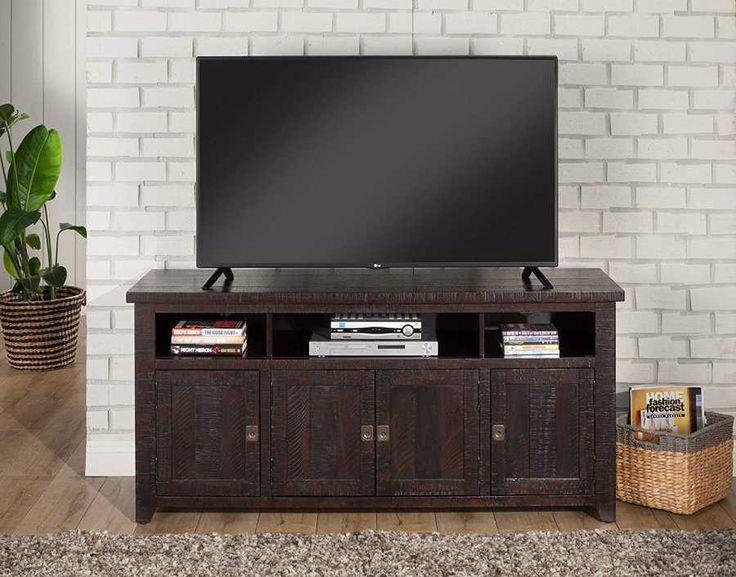
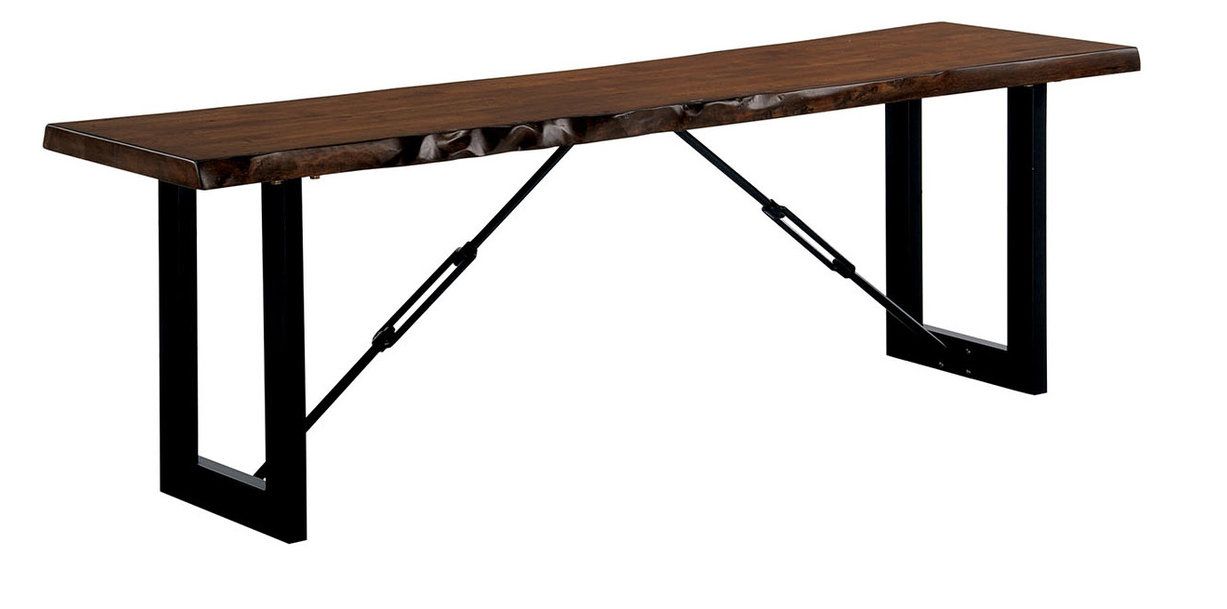
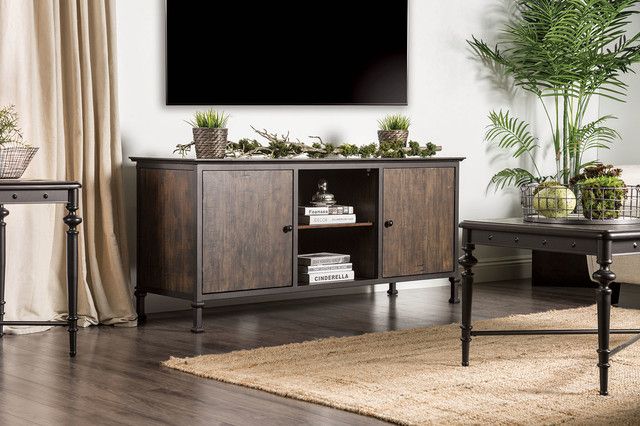
In our digital age, the humble television stand has evolved into a sophisticated piece of furniture that must serve both form and function. It’s no longer just about placing a screen on a table. Today’s media furniture needs to be as much a design statement as it is a practical solution for organizing our entertainment systems. The challenge lies in creating pieces that look stunning while also handling the demands of modern technology.
Think about your living room. What’s the first thing you notice? Is it the cozy sofa, the elegant coffee table, or perhaps the sleek television setup? For many people, it’s the media furniture that often becomes the centerpiece of their entertainment space. But what makes good media furniture truly exceptional isn’t just its ability to hold a TV – it’s how well it integrates with the overall design of the room while meeting practical needs. This balance between appearance and utility is what separates ordinary media furniture from extraordinary pieces that enhance rather than compete with the surrounding environment.
The Evolution of Media Furniture Design
Media furniture has undergone quite the transformation over the past few decades. In the 1980s and early 1990s, most setups were simple wooden shelves or bulky console tables that barely accommodated the technology of the time. Fast forward to today, and we see media furniture that’s as much about architectural design as it is about functionality. The shift reflects how our relationship with technology has changed – we now want our entertainment systems to be integrated into our living spaces rather than standing out like an intrusion.
Consider the difference between a traditional console table and a modern media cabinet. The former might have been purely functional, while the latter could feature clean lines, hidden cable management, and materials that complement the rest of your decor. This evolution shows how designers have learned to respect both the visual impact and the practical requirements of these pieces.
Understanding the Core Principles
Creating effective media furniture requires understanding several fundamental principles:
• Proportional Balance: The size and scale of the furniture should match the room and the technology it holds. A massive cabinet in a small apartment can overwhelm the space, while a tiny unit in a large room might get lost.
• Visual Harmony: The piece should complement existing design elements in the room. This means considering color palettes, textures, and styles.
• Functional Flexibility: Modern life demands adaptability. The furniture should accommodate current technology and allow for future upgrades.
• User Experience: How easy is it to access components? Can you easily plug in devices without making a mess of cables? These considerations make or break a piece.
These principles work together to create furniture that feels both beautiful and useful, rather than one or the other.
Material Selection and Its Impact
The materials used in media furniture significantly influence both its appearance and performance. Wood remains popular for its warmth and natural beauty, offering excellent durability and a timeless appeal. However, it requires careful consideration of grain patterns and finishes to avoid overwhelming a space.
Metal accents add a contemporary edge and can provide structural strength, especially when combined with wood or glass. Glass elements bring lightness and transparency, making spaces feel more open and airy. The trick lies in balancing these materials so they work together rather than compete.
For instance, a media cabinet might combine a wooden base with metal brackets and glass doors. This combination creates visual interest while maintaining structural integrity and allowing for better cable management. The choice of materials also affects how the piece ages – some materials weather gracefully while others may show wear more prominently.
Cable Management Solutions
One of the biggest challenges in contemporary media furniture design is managing cables. In today’s world, we have multiple devices connected to our entertainment systems – TVs, soundbars, gaming consoles, streaming devices, and more. Keeping these organized and hidden is crucial for maintaining clean aesthetics.
Effective cable management solutions include:
• Built-in channels or panels that allow cables to run behind the furniture
• Hidden compartments specifically designed for electronics
• Cord covers that blend with the overall design
• Modular systems that allow for easy reconfiguration
These features don’t just improve appearance – they also reduce safety hazards and make maintenance easier. When done well, cable management becomes invisible, which is exactly what we want in modern design.
Size and Scale Considerations
Getting the right size for media furniture is more art than science. The key is matching the piece to both the technology it will house and the room it occupies. A common mistake is choosing a piece that’s too large for the space, which can make everything else seem smaller and create visual imbalance.
Measuring carefully before purchasing is essential. Consider the actual dimensions of your entertainment system and add extra space for accessories and future upgrades. Think about how the furniture will relate to surrounding elements like seating, lighting fixtures, and other furniture pieces.
Another factor is proportion within the room. A tall media cabinet might dominate a small room, while a low-profile unit might get lost in a large space. The goal is creating a harmonious relationship between the furniture and its surroundings that feels intentional rather than accidental.
Integration with Room Design
Contemporary media furniture should enhance rather than interrupt the flow of a room’s design. This means considering how it interacts with existing elements like flooring, wall colors, and other furniture. A well-designed piece will either complement or provide subtle contrast to the overall aesthetic.
Some practical approaches include:
• Matching the finish or color palette of nearby furniture
• Choosing materials that echo those found elsewhere in the room
• Using the piece to anchor or define a particular area
• Creating visual transitions between different design zones
When media furniture successfully integrates with its environment, it becomes part of the room’s story rather than a separate element. This integration often happens through careful attention to proportions, materials, and styling details.
Future-Proofing Your Investment
Modern media furniture needs to adapt to changing technology trends and lifestyle preferences. This means designing with flexibility in mind. Some strategies for creating adaptable pieces include:
• Modular designs that can be reconfigured as needs change
• Adjustable shelving that accommodates different-sized electronics
• Hidden storage options for seasonal items or accessories
• Versatile surfaces that can serve multiple purposes
Technology evolves rapidly, and what seems cutting-edge today might be outdated tomorrow. By choosing furniture that can grow with your needs, you ensure that your investment continues to serve you well beyond the initial purchase. This approach also reduces the need for frequent replacements, which is both environmentally and financially beneficial.
Practical Tips for Selection
Selecting the right media furniture involves several practical considerations:
• Start with measurements of your space and equipment
• Consider your lifestyle and how you use the room
• Look for pieces with good reviews about build quality
• Think about long-term maintenance and care requirements
• Check if the furniture meets safety standards
• Factor in assembly complexity and delivery logistics
Many people focus solely on the visual appeal, but practical aspects often determine long-term satisfaction. A beautiful piece that’s difficult to maintain or doesn’t fit properly becomes frustrating rather than delightful. Taking time to consider all these factors leads to better choices that serve both form and function effectively.
Real-World Examples and Inspiration
Looking at successful contemporary media furniture examples reveals several common themes:
• Scandinavian designs that emphasize clean lines and natural materials
• Industrial-inspired pieces that showcase exposed hardware and raw elements
• Minimalist approaches that prioritize simplicity and functionality
• Modern interpretations that blend traditional craftsmanship with contemporary aesthetics
These examples demonstrate how different design philosophies can successfully balance form and function. Whether you prefer the warmth of wood, the sleekness of metal, or the elegance of glass, there are solutions that can meet both aesthetic and practical requirements. The key is finding pieces that align with your personal style while serving your functional needs.
The Cost-Benefit Analysis
Investing in quality media furniture involves weighing upfront costs against long-term benefits. While premium pieces might cost more initially, they often provide better value through:
• Superior build quality that lasts longer
• Better cable management and organization features
• More versatile designs that adapt to changing needs
• Enhanced aesthetic appeal that complements other decor
The cost of replacing poorly designed furniture frequently can outweigh the initial investment in a quality piece. Additionally, well-designed media furniture often increases the overall value of a home, making it a smart financial decision. The return on investment comes not just in terms of resale value, but also in daily enjoyment and reduced stress from dealing with poorly designed solutions.
The journey toward perfect form and function in media furniture is ongoing. As technology continues to evolve and our living spaces become more multifunctional, the demand for thoughtful design will only increase. The best contemporary media furniture doesn’t just hold our screens – it enhances our entire living experience. It’s the difference between having a TV stand and having a statement piece that makes your room feel complete. When you choose wisely, you’re investing in both immediate satisfaction and long-term enjoyment. The key is remembering that great design isn’t about following trends – it’s about creating solutions that work for your specific needs and lifestyle. After all, the most successful media furniture is the kind that disappears into the background, letting your entertainment system shine while your space maintains its character and flow.