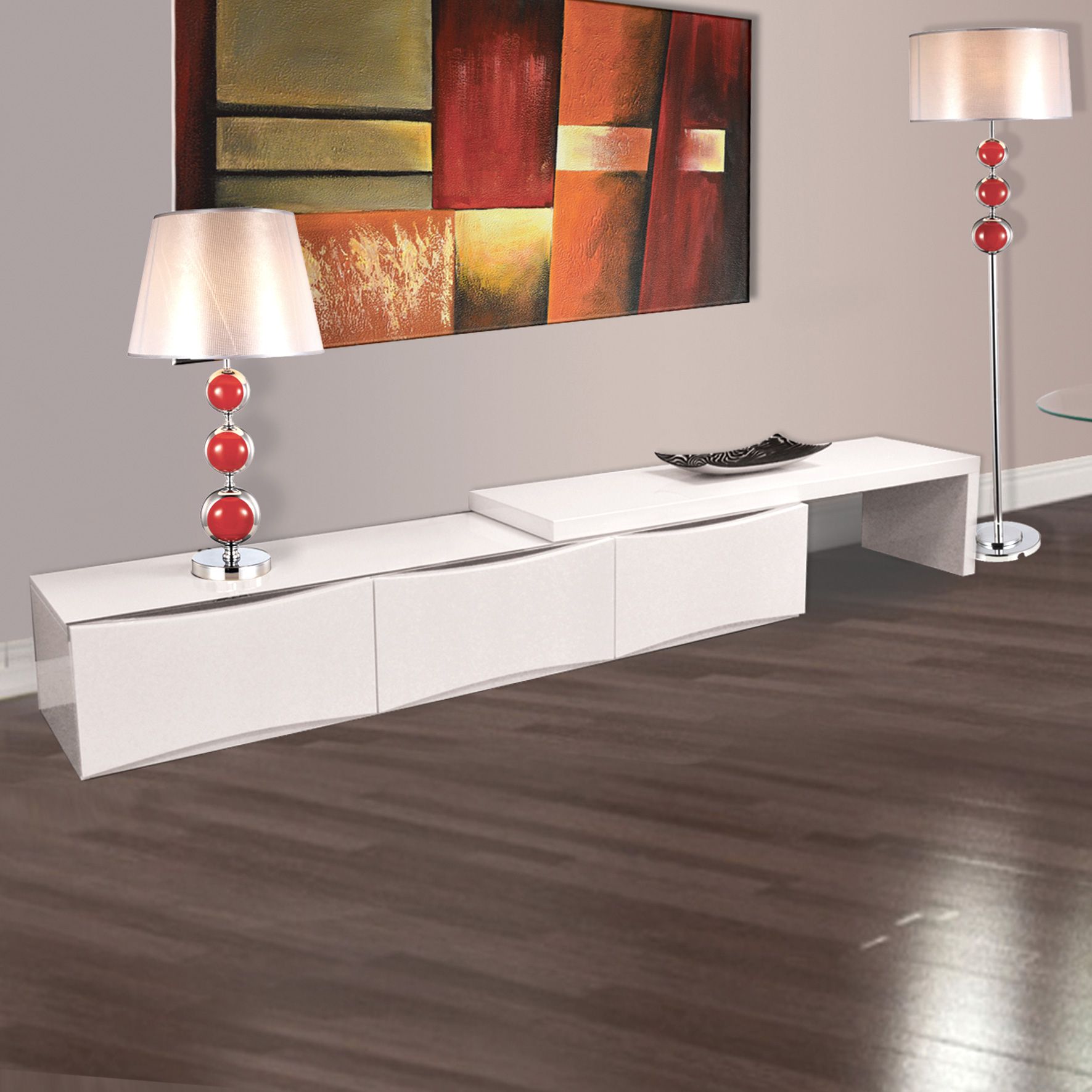
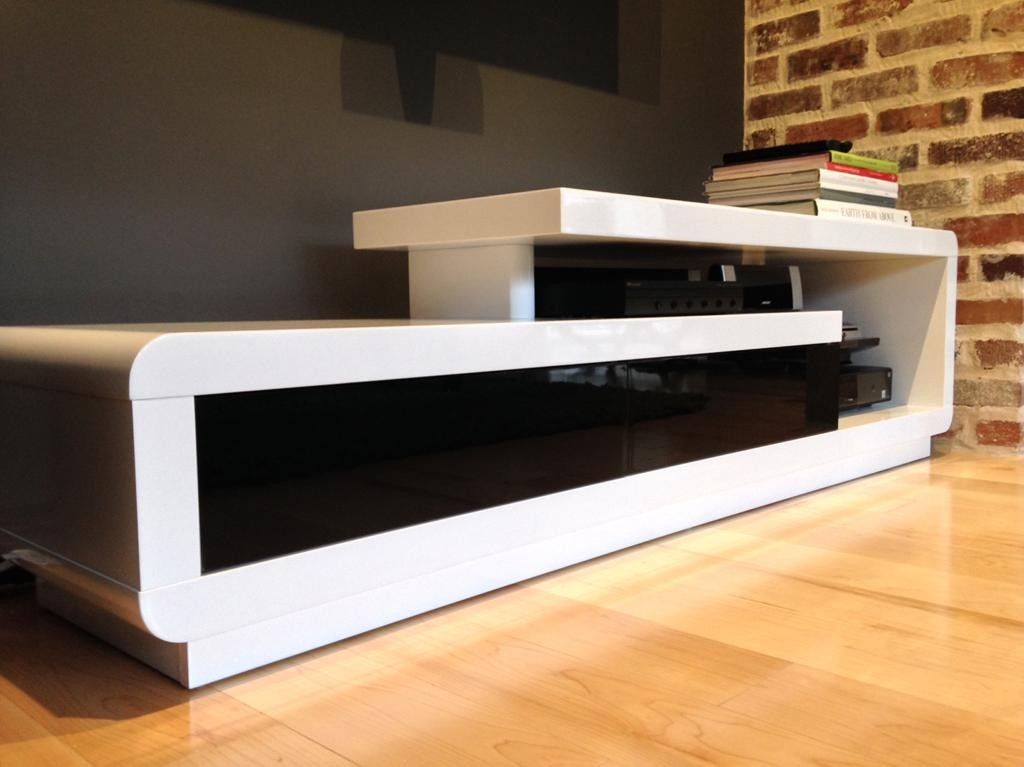
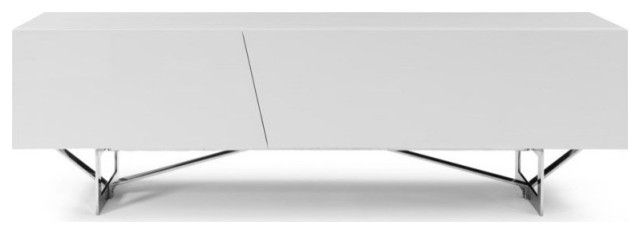
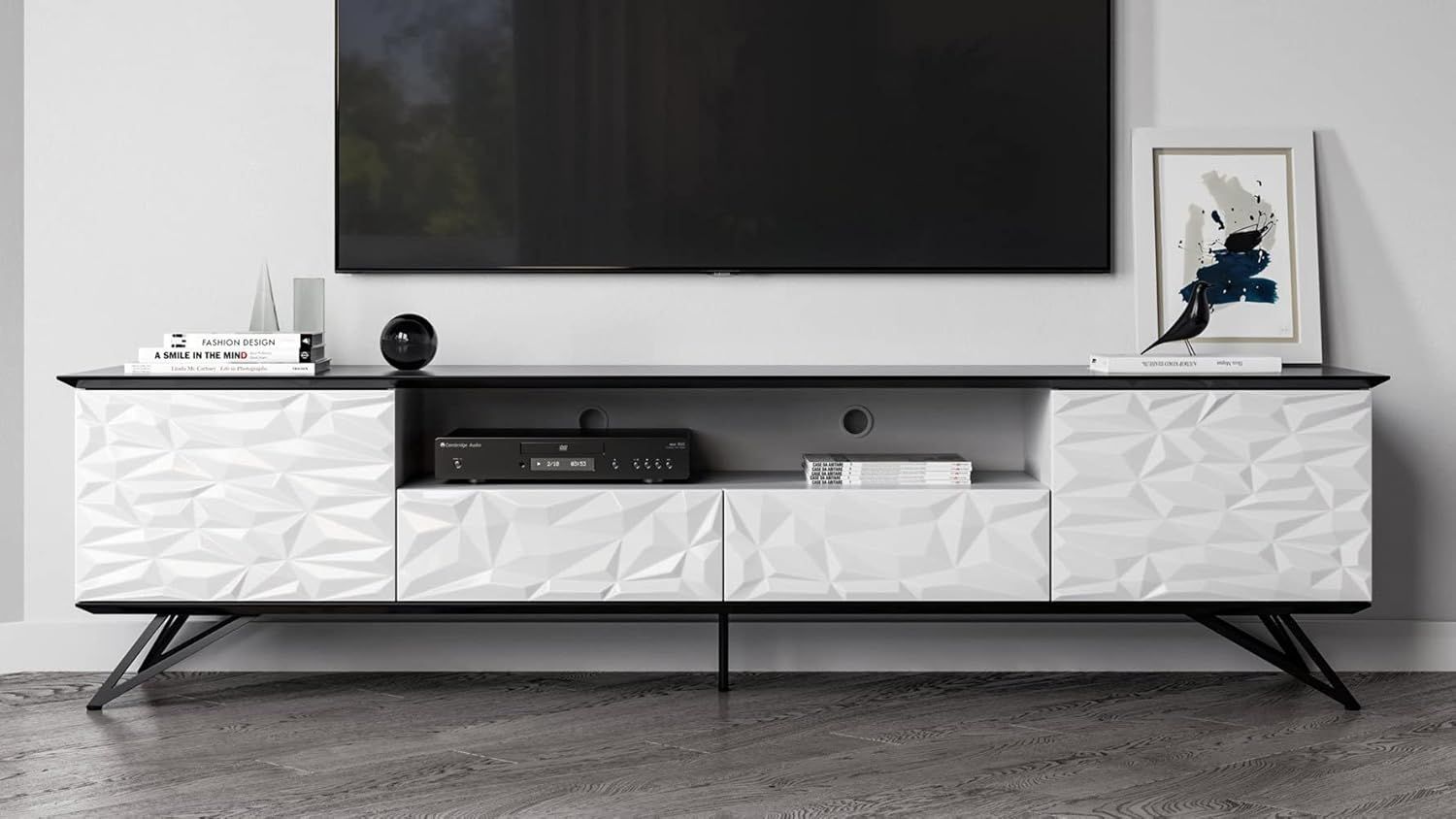
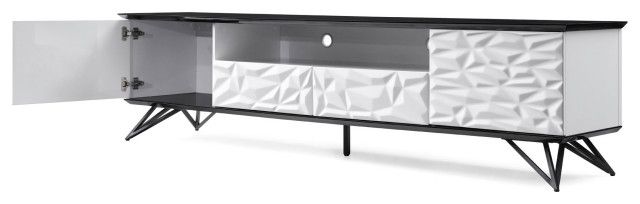
Think about your living room. What comes to mind? Is it the cozy couch, the flickering TV screen, or maybe the sleek entertainment center that holds it all together? Media furniture has evolved far beyond simple storage solutions. It’s become the unsung hero of modern homes, quietly solving the age-old problem of balancing beauty with usefulness.
In our increasingly digital world, the humble television stand has transformed into something much more sophisticated. We’ve moved past the days of basic wooden shelves and simple cabinets. Today’s media furniture tells a story about how we live, work, and relax. It’s not just about putting things away anymore – it’s about creating spaces that feel intentional and cohesive. Whether you’re a tech enthusiast who needs cable management or someone who simply wants their entertainment setup to look like it belongs in a magazine, the intersection of form and function in media furniture offers something for everyone. The magic happens when designers stop asking ‘What does it do?’ and start wondering ‘How can it look beautiful while doing its job?
Defining the Modern Media Furniture Landscape
Media furniture has become more than just a place to put your electronics. It’s now a design statement that reflects personal style and lifestyle choices. These pieces must accommodate everything from traditional televisions to massive 85-inch displays, while also managing the countless cables and devices that define our digital lives.
Consider the typical living room setup. You have a television that needs protection from dust and damage. You have streaming devices, gaming consoles, sound systems, and perhaps even a home theater setup. All of these items require organization, but they also need to look good. This is where the real challenge lies – creating furniture that handles the chaos of modern technology while maintaining aesthetic appeal.
Key characteristics of today’s media furniture include:
• Multi-functional design elements
• Cable management systems integrated into the structure
• Materials that balance durability with visual appeal
• Modular components that adapt to different space requirements
• Smart storage solutions that hide clutter without sacrificing access
The evolution from simple shelving to complex entertainment centers shows how far we’ve come in terms of understanding that furniture should enhance rather than complicate our daily routines.
The Psychology Behind Visual Appeal and Practicality
Why does the arrangement of our media furniture matter so much? It’s not just about looking nice – there’s real psychological benefit to having a well-designed space. When everything looks organized and purposeful, it creates a sense of control and calm in our homes.
Research in environmental psychology suggests that our surroundings significantly impact our mood and behavior. A cluttered media area can make us feel stressed, while a clean, well-thought-out setup can promote relaxation and focus. Think about it – when you walk into a room where everything is in its place, how does that make you feel? That’s the power of thoughtful design working in your favor.
The emotional connection people form with their media furniture goes deeper than aesthetics. It’s about creating a space that feels like home, where technology doesn’t dominate but rather enhances our experience. The right piece of media furniture becomes part of the room’s personality, not just another object taking up space.
This psychological aspect explains why people spend significant time choosing the perfect media furniture. They want something that works for their daily routine while also contributing to their overall sense of well-being. The furniture becomes a reflection of their values, lifestyle, and what they prioritize in their living environment.
Material Innovation and Sustainability Considerations
The materials used in modern media furniture tell an important story about our changing values and priorities. Gone are the days when wood was the only option for durability and warmth. Today’s manufacturers experiment with sustainable alternatives, recycled materials, and innovative composites that offer both strength and visual appeal.
Natural materials like bamboo and reclaimed wood have gained popularity because they bring organic textures to modern spaces while supporting environmental responsibility. These materials often feature unique grain patterns and colors that make each piece distinct, adding character to any room.
Metal elements have also found their way into media furniture design. Steel and aluminum offer industrial appeal while providing excellent structural support. They’re particularly useful in contemporary designs where clean lines and minimalism are key.
Sustainability considerations extend beyond materials. Many companies now offer modular systems that allow consumers to upgrade individual components rather than replacing entire units. This approach reduces waste and gives people flexibility as their needs change over time.
The challenge lies in balancing performance with environmental consciousness. High-quality media furniture should last for years, reducing the need for frequent replacements. When furniture breaks down, repairability becomes crucial. Good design considers not just the initial purchase but the long-term relationship between user and piece.
Smart Integration and Technology Solutions
Today’s media furniture isn’t just about holding things – it’s about integrating smart technology solutions seamlessly. This evolution has been driven by consumer demand for less visible wires and more intuitive control systems.
Modern furniture incorporates built-in charging stations, wireless charging pads, and even integrated speakers. Some pieces feature hidden compartments designed specifically for tech accessories, keeping them secure yet easily accessible. Others include ventilation systems to prevent overheating of electronic equipment.
Cable management has become an art form in itself. Furniture designers now create channels, panels, and pathways that guide cables neatly out of sight. This attention to detail prevents the common problem of tangled wires that make even the most beautiful setup look chaotic.
The rise of smart home integration means that media furniture can now respond to user preferences and environmental conditions. Some pieces can adjust their lighting based on ambient conditions or automatically organize themselves based on usage patterns. These innovations represent the future of furniture that truly adapts to our needs.
However, this technological integration raises questions about complexity versus simplicity. The best solutions find ways to make advanced features invisible to users, ensuring that the furniture remains easy to use while delivering sophisticated functionality.
Customization and Personalization Trends
One of the most exciting developments in media furniture is the growing emphasis on customization. People want pieces that reflect their individual style and meet their specific requirements. This trend has led to more flexible design options and modular systems that can be tailored to fit any space or need.
Customization doesn’t just mean choosing different colors or finishes. It involves considering how the furniture will be used and adapting accordingly. For example, someone who frequently hosts game nights might want additional storage for controllers and accessories, while a movie buff might prioritize acoustics and screen placement.
Modular approaches allow people to build their furniture systems incrementally. They can start with basic components and add modules as their needs grow or their tastes evolve. This flexibility helps people avoid the frustration of buying something that quickly becomes outdated or inadequate.
Personalization also extends to the materials and finishes chosen. Customers can select from various textures, colors, and patterns to match their existing decor. Some companies even offer custom engraving or personalized hardware to make each piece uniquely theirs.
The democratization of customization means that people no longer have to compromise between style and function. They can have exactly what they need, when they need it, without sacrificing aesthetic quality.
Future Directions and Emerging Design Principles
Looking ahead, media furniture design continues to evolve with new technologies and changing lifestyles. The future promises even more seamless integration between physical and digital worlds, creating furniture that responds intelligently to user behavior and environmental factors.
Emerging principles include:
• Biophilic design elements that incorporate natural materials and patterns
• Adaptive furniture that changes shape or configuration based on usage
• Increased focus on health and wellness features like better ergonomics
• More sustainable manufacturing processes and circular economy approaches
• Integration with virtual and augmented reality for enhanced user experiences
The concept of ‘furniture as a platform’ is gaining traction, where pieces serve as bases for other smart technologies and services. Imagine a media cabinet that can display personalized information, control lighting throughout the house, and even suggest entertainment options based on your viewing history.
As remote work and hybrid living arrangements become more common, furniture will need to be more adaptable. Spaces that can transform from work areas to entertainment zones will require furniture that can shift functions quickly and elegantly.
The ultimate goal remains the same: creating pieces that make life easier while enhancing our living spaces. The intersection of form and function continues to push boundaries, offering solutions that surprise and delight users in unexpected ways. As we move forward, the most successful media furniture will be that which anticipates needs before they’re even expressed.
The journey from simple television stands to sophisticated media furniture reveals much about how we think about our living spaces. These pieces have evolved from mere functional objects into integral parts of our home environments. They reflect our values, our lifestyles, and our aspirations for how we want to live.
The intersection of form and function in media furniture demonstrates that great design doesn’t sacrifice practicality for beauty. Instead, it finds creative solutions that address both needs simultaneously. When we invest thoughtfully in our media furniture, we’re investing in the quality of our daily experiences.
Whether you’re building a new entertainment center or updating an existing one, consider how each element contributes to your overall vision. The right media furniture should feel like it belongs in your space, not like it was added just to hold things. It should make your life easier, your home more beautiful, and your technology feel integrated rather than intrusive.
The future of media furniture is bright and full of possibilities. As technology advances and our needs change, these pieces will continue to evolve. But the fundamental principle remains: good design solves problems while making life more enjoyable. In the end, that’s what makes media furniture more than just furniture – it makes it a true part of our living experience.