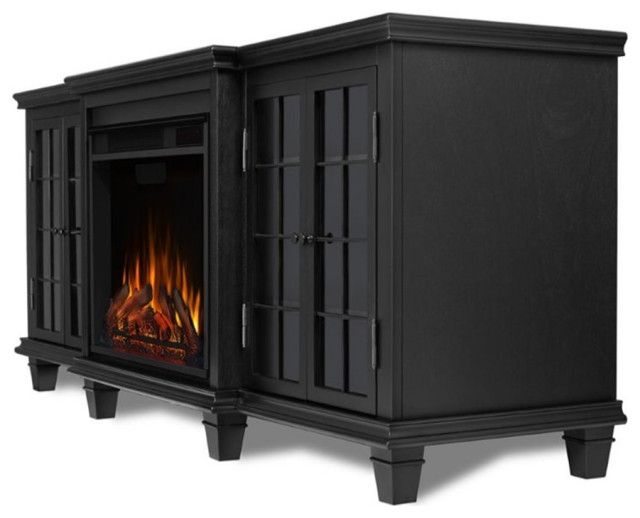
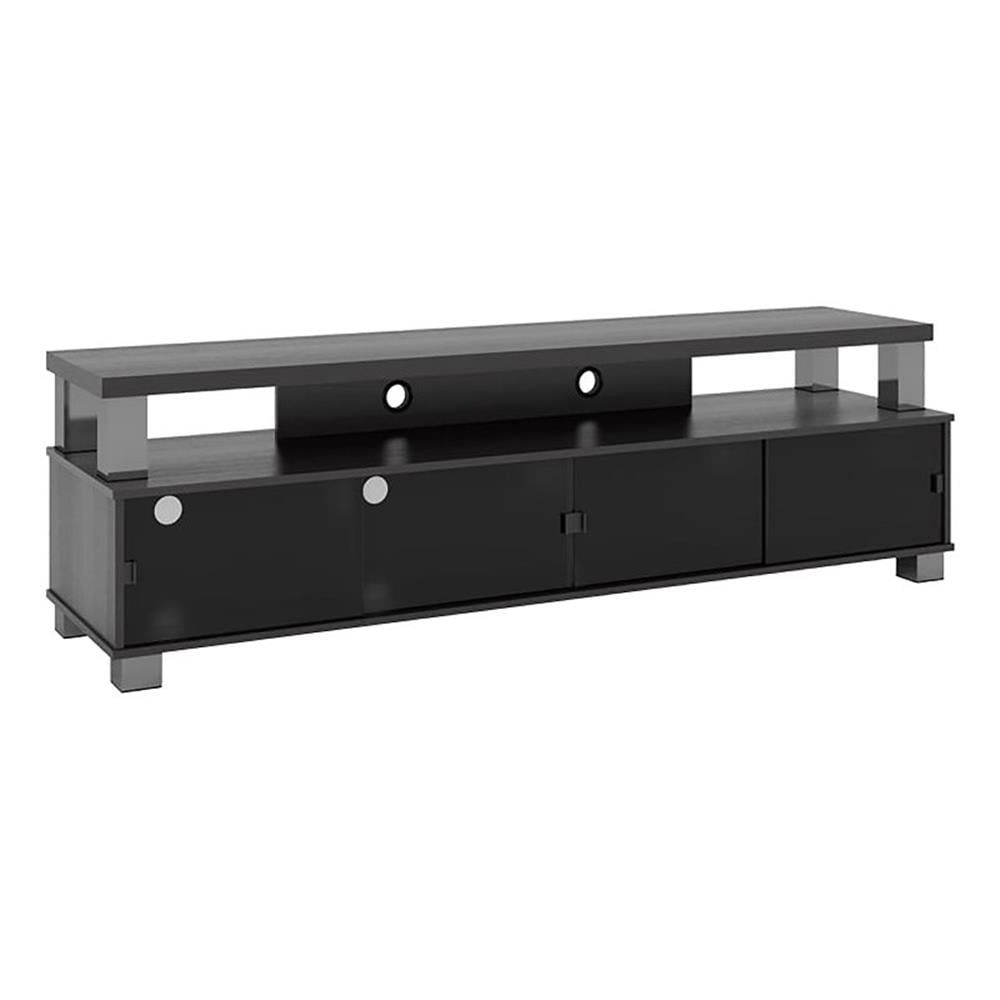
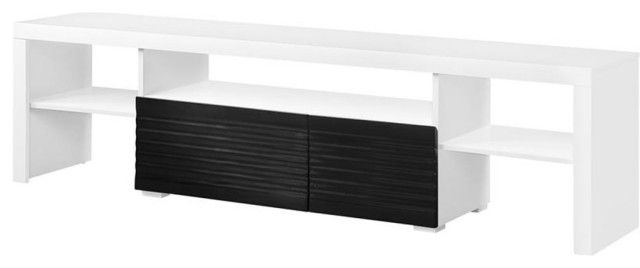
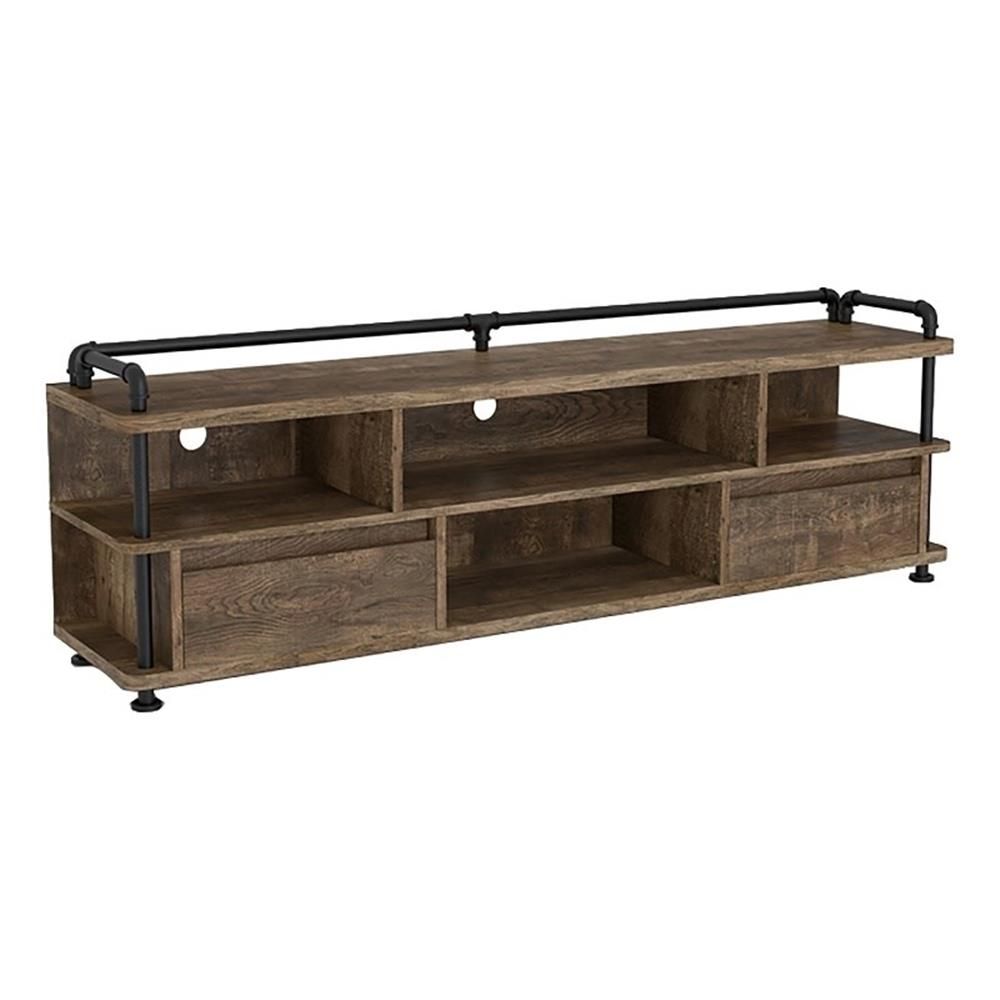
Picture this: you’ve just bought the biggest, most impressive television ever made. It’s a masterpiece of technology, with crisp picture quality and immersive sound. But now comes the challenge – how do you showcase it in a way that makes your living room feel cohesive and functional? This question hits every homeowner who’s invested in modern entertainment systems. The answer lies in understanding how to balance form and function in large format TV furniture.
When we think about large format TV furniture, we often get caught up in the wow factor of massive screens. But there’s more to it than just size. What really matters is finding that sweet spot where your TV setup looks incredible while serving its purpose flawlessly. Whether you’re dealing with a 65-inch beast or a 75-inch marvel, the furniture you choose must support both your aesthetic goals and your daily needs. This isn’t just about looking good – it’s about creating a space that works for you. Let’s dive into what makes this balance so crucial and how to master it.
Understanding the Core Challenge
The main issue with large format TV furniture isn’t just about size – it’s about proportion and integration. When you have a massive screen, everything around it needs to complement rather than compete. Think about it: if you place a 75-inch TV on a tiny console, it will look out of place. The same goes for oversized furniture that overwhelms a smaller screen. The key is matching scale and style. Many people make the mistake of focusing solely on one aspect. They either go for purely functional pieces that look like storage units, or they choose beautiful designs that ignore practical concerns like cable management or screen protection. Real mastery comes from seeing both elements as equally important.
The Psychology Behind Visual Harmony
What happens when you’re surrounded by mismatched furniture and a giant screen? Your brain starts working overtime trying to make sense of it all. Research shows that visual harmony creates a sense of calm and order. When your TV stand or cabinet complements your room’s overall style, it reduces mental clutter. Consider this example: a sleek, minimalist living room with clean lines needs furniture that follows the same philosophy. On the other hand, a rustic space might benefit from wood tones and warm textures. The right piece doesn’t just hold your TV – it becomes part of the room’s story. It’s not about making things look identical, but creating visual unity. Your furniture should whisper the same design language as the rest of your space.
Functional Elements That Don’t Compromise Design
Here’s where things get interesting. Great TV furniture solves problems without sacrificing beauty. Cable management is probably the biggest unsolved mystery in home entertainment setups. The best solutions hide wires elegantly while maintaining visual appeal. Look for furniture with built-in channels, hidden panels, or discreet cable covers. Storage options matter too. Do you need to store gaming consoles, streaming devices, or books? The right piece should accommodate these items without looking like a storage bin. Consider features like adjustable shelves, drawer compartments, or even a small wine rack. These practical elements become design statements when done right. Think of them as extensions of your personal style rather than mere utility boxes.
Material Choices That Last
Materials play a huge role in both appearance and durability. Wood offers warmth and classic appeal, but it requires more maintenance. Metal provides strength and modern flair, though it can feel cold. Glass adds elegance and lightness, but may show fingerprints and scratches easily. The best approach is to consider your lifestyle and environment. If you have kids or pets, you might lean toward materials that resist damage. For high-traffic areas, durability matters more than aesthetics. Some people choose mixed materials for variety – a wooden base with metal accents, for instance. The key is consistency. Whatever materials you pick, they should work together to create a unified look. Don’t scatter different textures haphazardly across your furniture. Instead, let each material serve a specific purpose in the overall composition.
Size Matters: Scaling to Your Space
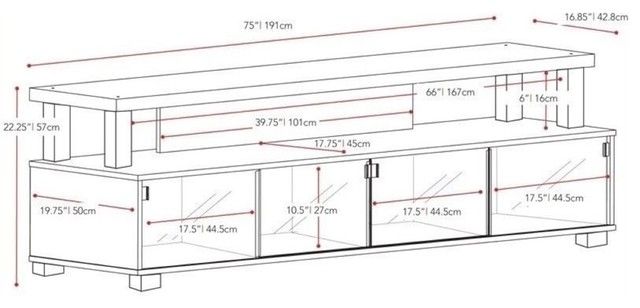
This might seem obvious, but many people skip over the importance of proper scaling. A 75-inch TV needs a piece of furniture that can handle its weight and dimensions. Measure everything carefully before purchasing. The furniture should be proportional to your room and your screen. A rule of thumb: the width of your furniture should be at least as wide as your TV, and ideally slightly wider to provide visual balance. Height is equally important. Your TV should be positioned at eye level when seated. This prevents neck strain and creates a better viewing experience. Some people try to make their furniture bigger than necessary, thinking it will look more impressive. Actually, oversized furniture often makes a room feel cramped and unbalanced. Sometimes less really is more.
Smart Integration with Room Dynamics
The most successful TV furniture doesn’t exist in isolation. It integrates seamlessly with the rest of your room’s elements. Think about lighting – does your furniture cast shadows on the screen? What about the color palette? Does your TV stand match or contrast with surrounding walls and decor? These details matter more than you might expect. The right furniture should enhance your existing style rather than clash with it. Consider how natural light affects your setup throughout the day. A dark-colored piece might look amazing during evening viewing but appear heavy and overwhelming during bright daylight. Successful integration means understanding how your furniture interacts with the whole room environment. It’s about creating a cohesive visual experience that works regardless of time of day or lighting conditions.
Balancing form and function in large format TV furniture isn’t just about choosing the right piece – it’s about understanding how your entertainment setup fits into your life and your space. The best furniture doesn’t compromise on either element. It’s the kind of solution that makes you forget you’re even looking at a TV stand because it simply feels right. When you consider proportions, materials, and integration with your room’s design, you’ll find that the right piece transforms your space from merely functional to truly elegant. Remember, the goal isn’t to make your TV look like a museum piece, but to make your entire room feel complete and well-designed. The investment in thoughtful furniture pays dividends in daily satisfaction and long-term enjoyment. Your living space deserves nothing less than a setup that honors both your taste and your needs.