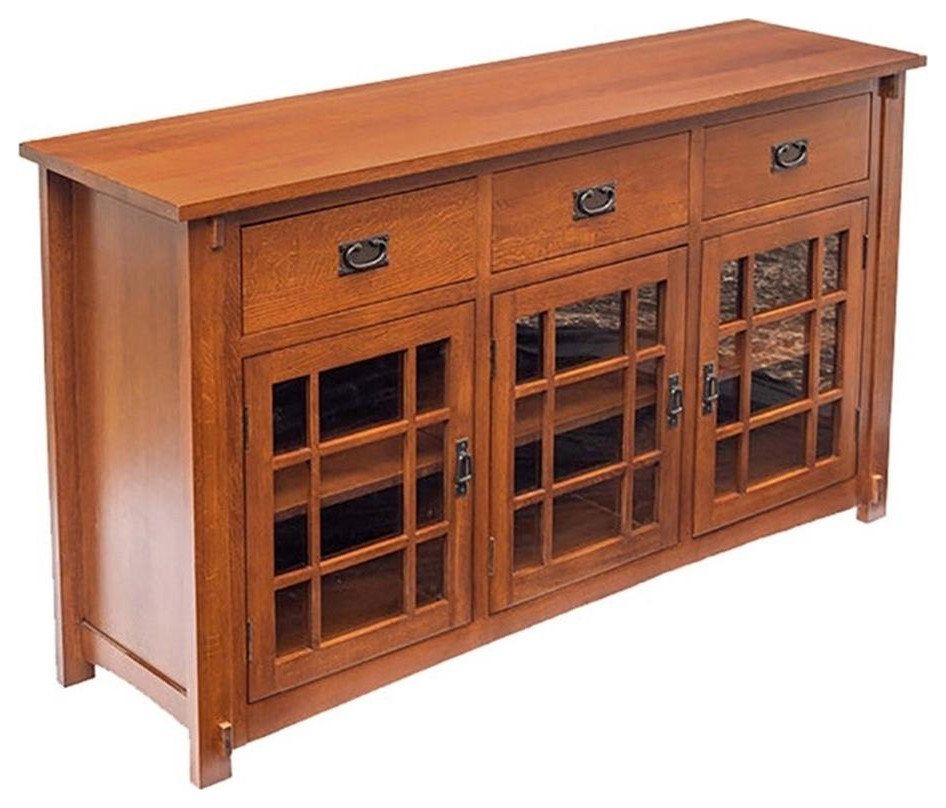
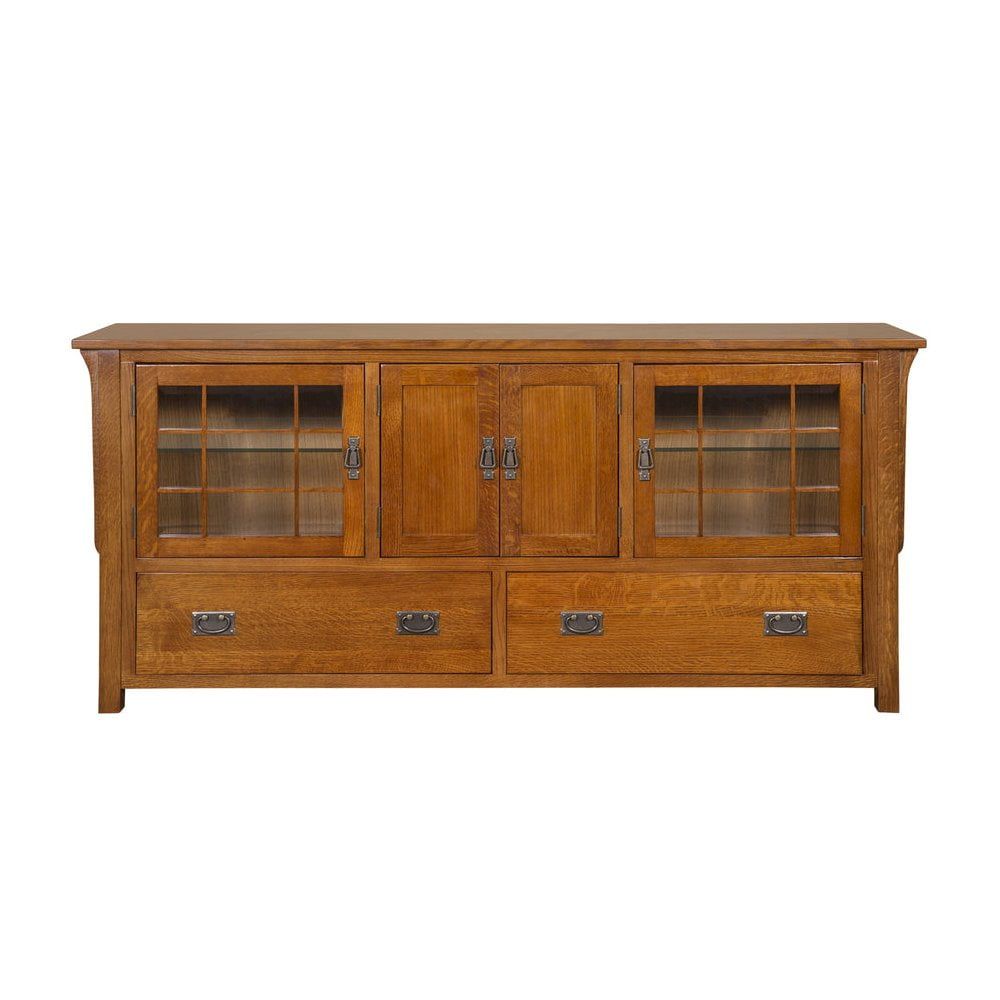
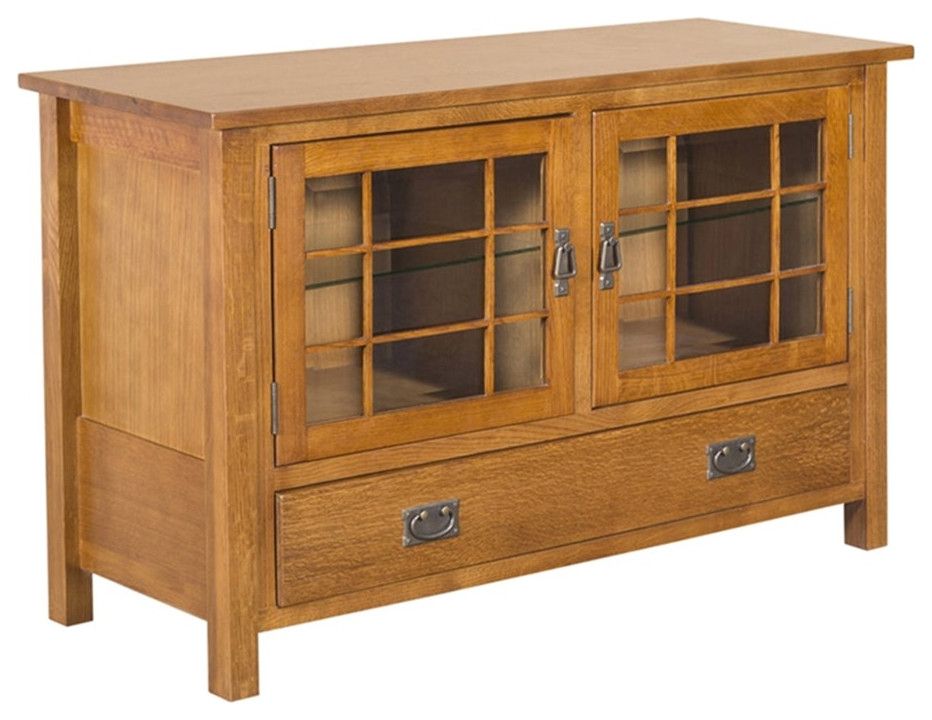
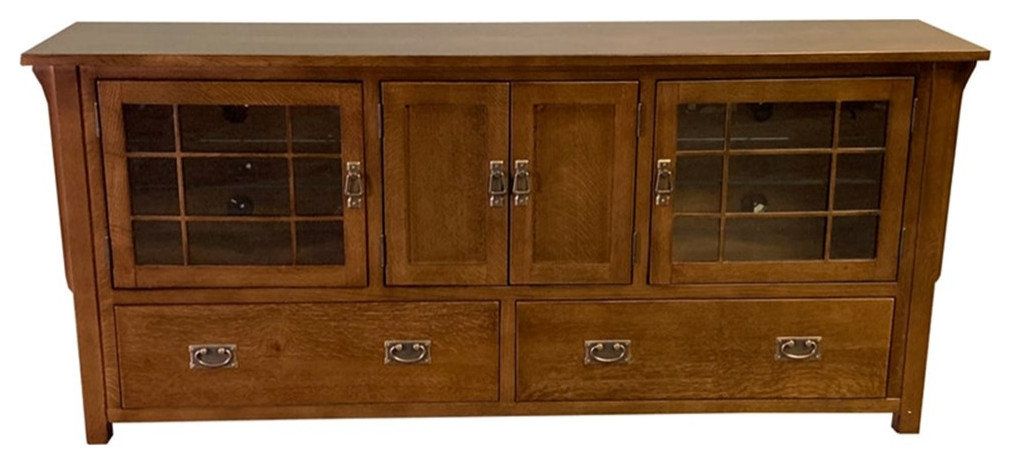
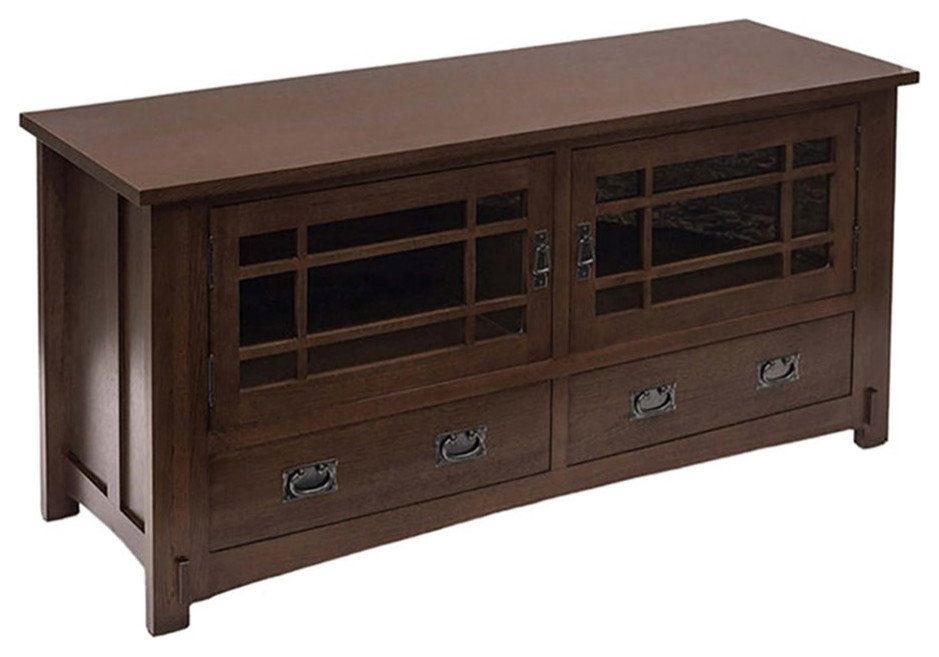
There’s something deeply satisfying about creating furniture that not only serves its purpose but also becomes a statement piece in any room. When you’re working with cherry wood, you’re dealing with a material that naturally ages beautifully, develops a rich patina over time, and offers both strength and grace. Building a TV stand or entertainment center from cherry isn’t just about cutting wood and assembling pieces. It’s about understanding the subtle nuances that make a good piece of furniture truly exceptional.
Cherry wood has been cherished by craftsmen for centuries, and for good reason. Its warm, reddish-brown tones deepen with age, creating a unique character that no other wood can quite match. When you’re planning to build a TV furniture piece using cherry wood, you’re embarking on a journey that requires patience, skill, and attention to detail. This isn’t just about making something that holds a television – it’s about creating a piece that will be admired and appreciated for years to come. The secret lies not just in the materials, but in the execution of every single detail that goes into making the final product.
Understanding Cherry Wood Characteristics
Cherry wood possesses several qualities that make it ideal for furniture construction. First and foremost is its natural grain pattern – it’s unlike any other wood you’ll encounter. The grain often flows in beautiful waves and curves, creating a visual interest that makes each piece unique. The wood also has excellent stability when properly seasoned and dried. This means your finished TV stand won’t warp or crack easily, even in varying humidity conditions. The natural oils in cherry wood also make it resistant to insects and decay, adding to its longevity. When you’re working with cherry, you’re not just cutting wood – you’re working with a living material that responds beautifully to craftsmanship.
Essential Tools for Cherry Woodworking
Building quality cherry furniture starts with having the right tools. While you could technically use basic hand tools, investing in a few key power tools will make your life much easier. A good table saw is absolutely essential for making precise cuts, especially when dealing with the natural variations in cherry grain. A router with various bits allows you to create those elegant profiles and dados that give furniture its refined look. A jointer helps flatten surfaces perfectly, which is crucial when working with cherry’s tendency to have slight warping. A drill press ensures consistent hole placement for mounting screws and brackets. Remember, the quality of your tools directly affects the quality of your work. You’ll notice immediately when you’re using sharp blades versus dull ones – the difference in finish quality is remarkable.
Planning Your Cherry TV Furniture Design
Before you even pick up a tool, spend time designing your piece. Sketch out different layouts and consider how the TV will be positioned. Will it sit flush against the wall or project forward? What size television are you planning to accommodate? These decisions affect everything from the width and depth to the height of your piece. Cherry’s natural beauty means you want to showcase its grain, so think about how light will hit the surface. Consider adding features like hidden storage compartments or adjustable shelves. Planning also involves thinking about how the different components will join together. Cherry wood’s natural flexibility makes it forgiving for certain joints, but you still need to plan carefully for structural integrity. Don’t underestimate the importance of measuring twice and cutting once – especially when working with expensive cherry lumber.
Joinery Techniques That Elevate Cherry Furniture
The joints you choose can make or break your cherry furniture. Traditional mortise and tenon joints offer incredible strength and are particularly well-suited to cherry’s natural characteristics. These joints allow the wood to expand and contract naturally without loosening over time. Dovetail joints, while more time-consuming, add an element of craftsmanship that’s truly appreciated. They’re especially effective for drawer construction in cherry furniture. For simpler pieces, pocket screws can provide excellent holding power while remaining nearly invisible. The key with cherry is that it accepts glue very well, and the natural oils in the wood actually help create stronger bonds. You’ll find that proper jointing techniques result in furniture that feels solid and substantial – a feeling that’s hard to achieve with cheaper woods or poor construction methods.
Finishing Touches for Stunning Cherry Results
The finishing process is where your cherry furniture truly comes alive. Start with a good sanding sequence – begin with coarse grits and work your way up to fine grits. Cherry’s natural color can vary significantly, so don’t be surprised if some areas appear lighter or darker than others. This is part of its charm! Apply a high-quality wood finish that enhances rather than masks the natural beauty. Many craftsmen prefer shellac or oil-based finishes for cherry because they bring out the rich red tones without adding a heavy gloss. The application technique matters too – always follow the wood grain and apply thin, even coats. Allow adequate drying time between coats, and remember that patience pays off here. A well-finished cherry piece will have a smooth, lustrous appearance that feels wonderful to touch.
Common Mistakes and How to Avoid Them
Even experienced woodworkers encounter challenges when working with cherry. One common error is not allowing enough drying time for the wood before starting construction. Cherry can contain significant moisture that needs to be released gradually. Another mistake is applying too thick a coat of finish, which can cause streaking or uneven drying. Working with cherry’s natural variations can also be tricky – some pieces may have knots or grain patterns that require special handling. Always test your joints on scrap pieces first, and never rush the process. Cherry wood is forgiving, but it’s also demanding in terms of attention to detail. If you’re new to cherry, start with simpler projects and gradually work up to more complex designs. Remember, even master craftsmen make mistakes – the important thing is learning from them.
Creating elegant cherry TV furniture is both an art and a science. It requires understanding the material, mastering the techniques, and developing an appreciation for the subtle details that make a piece truly special. The beauty of cherry wood lies not just in its appearance but in its ability to develop character over time. Every cut, every joint, and every finish choice contributes to the final outcome. Whether you’re building your first cherry piece or you’re a seasoned craftsman looking to refine your skills, remember that excellence comes from attention to detail. Take your time, respect the wood, and let the natural beauty of cherry guide you through the process. The end result will be a piece that not only serves its functional purpose but also brings joy and sophistication to any space.