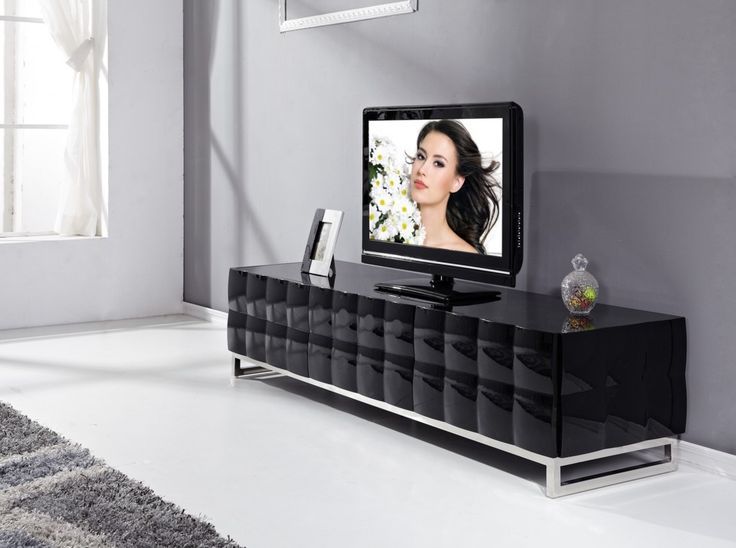
TV stands have evolved far beyond simple wooden platforms. Today’s designs blend functionality, aesthetics, and engineering precision to create the perfect foundation for your entertainment setup. Whether you’re shopping for a new stand or trying to understand what makes one better than another, knowing how they’re built can help you make smarter choices.
Think about it – how often do we take a moment to appreciate the humble TV stand? It sits quietly in our living rooms, holding our screens steady and stylishly. But behind that simple appearance lies a world of thoughtful construction, material science, and design innovation. Contemporary TV stands aren’t just about looking good anymore. They’re engineered to support heavy screens, resist vibration, and provide stability in an increasingly digital world. Understanding how these stands are made helps us appreciate their role in creating the perfect home theater experience.
The Evolution of TV Stand Design
TV stands have come a long way from basic wooden shelves. Early models were functional but limited in design. Today’s stands reflect modern lifestyle needs, incorporating smart storage solutions and sleek aesthetics. The shift toward larger screens means manufacturers must consider weight distribution, structural integrity, and even cable management. Many contemporary stands now feature modular designs that allow customization. Think about how your favorite show looks when properly supported versus when it’s wobbling on a flimsy base. That’s the difference that thoughtful construction makes.
Popular Materials in Modern Construction
Manufacturers use a variety of materials today, each chosen for specific benefits:
- Solid wood – Offers natural beauty and strength, though it requires maintenance
- Engineered wood – More stable and affordable than solid wood
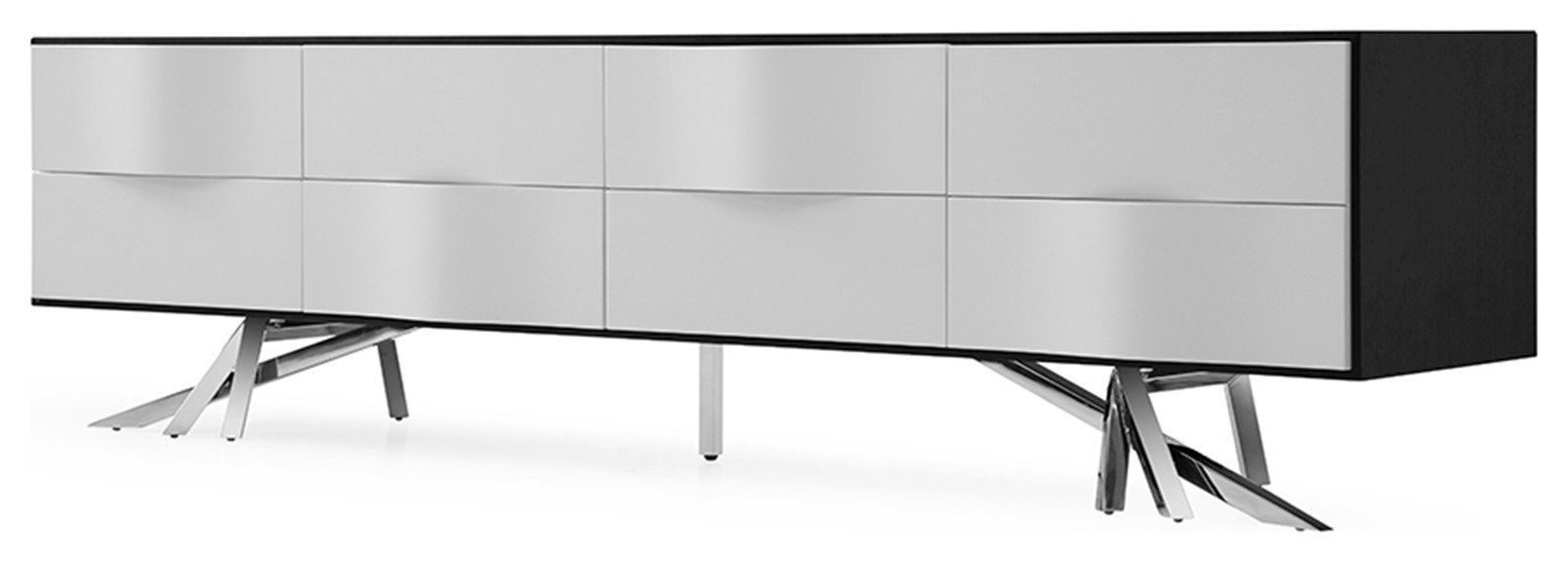
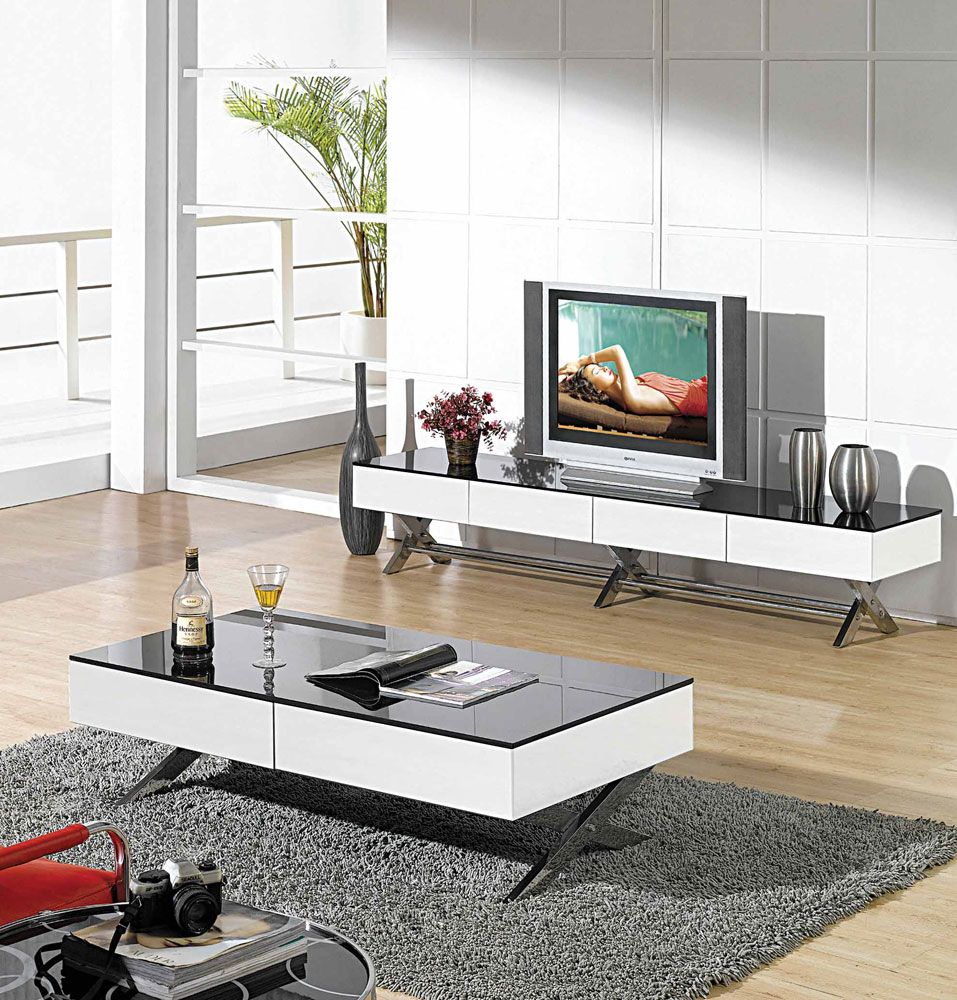
- Metal frames – Provide durability and clean lines
- Composite materials – Combine strength with lightweight properties
- Plastic components – Often used for decorative elements or secondary features
The choice of material affects everything from price to longevity. A solid oak stand might cost more but lasts decades, while a composite stand offers good value for those wanting quality without the premium price tag.
Structural Engineering Principles
Good TV stands follow basic engineering rules. They must support the screen’s weight, resist movement, and stay stable during use. Key principles include:
- Weight distribution – Evenly spreading load across the base
- Center of gravity – Keeping the center low to prevent tipping
- Connection points – Reinforced joints where components meet
- Base width – Wider bases offer better stability
Consider how a tall, narrow stand might tip over if someone accidentally bumps into it. Proper engineering prevents that scenario. Engineers also factor in thermal expansion, especially for materials like wood that respond to temperature changes.
Safety Features and Standards
Modern TV stands must meet safety requirements, particularly regarding tipping prevention. Many now include anti-tip devices or require anchoring to walls. These aren’t just suggestions – they’re necessary for protecting families. Standards vary by region, but most require testing for:
- Tipping resistance
- Load capacity
- Durability under stress
- Fire resistance (for some materials)
Some stands even include certifications that guarantee they meet specific safety levels. When buying, look for these labels – they represent real protection for your investment.
Cable Management Solutions
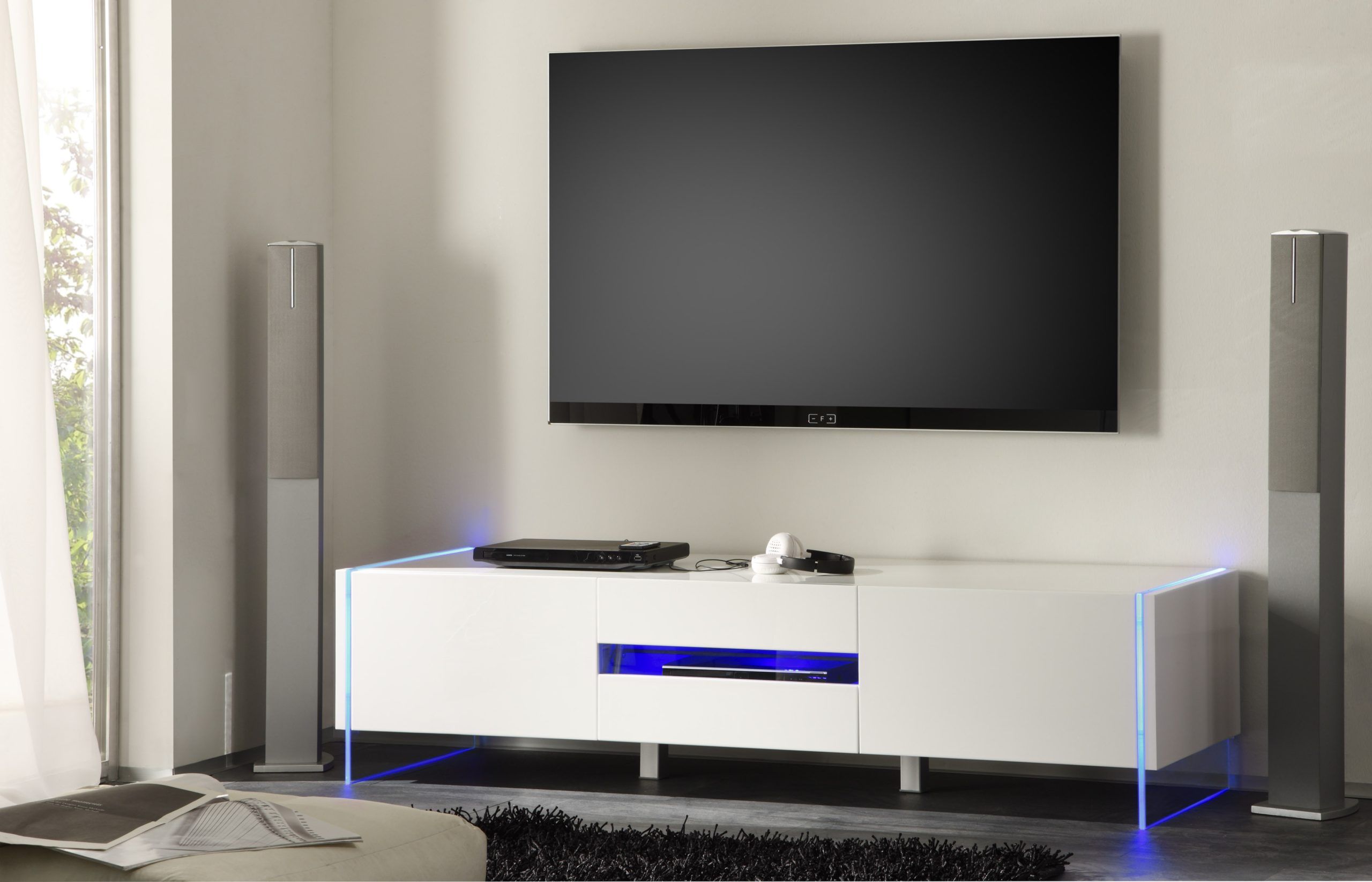
Today’s stands often integrate cable management systems to keep your setup neat. This isn’t just cosmetic – it improves safety and reduces clutter. Common approaches include:
- Built-in cable trays
- Hidden channels behind panels
- Adjustable cord guides
- Modular access panels
These features help organize HDMI cables, power cords, and audio connections. Imagine having a clean, tidy setup versus one where cables are everywhere. The difference in user experience is significant, especially for those who frequently adjust their entertainment systems.
Aesthetic Considerations and Trends
Contemporary stands balance function with visual appeal. Popular trends include:
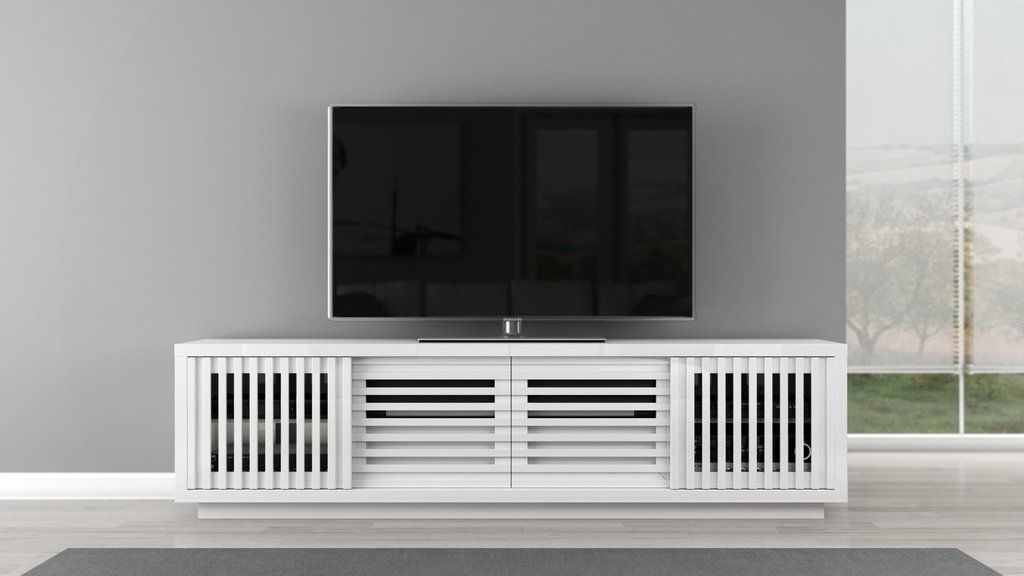
- Minimalist designs – Clean lines and neutral colors
- Industrial styles – Metal accents and raw finishes
- Natural materials – Wood textures and earth tones
- Customizable options – Modular pieces that adapt to different spaces
Designers focus on creating stands that complement rather than compete with the TV. The best stands disappear into the background, letting your screen shine instead of fighting for attention.
Modern TV stands represent a fascinating intersection of form and function. They’ve transformed from simple platforms into sophisticated engineering solutions that support our entertainment needs while enhancing our living spaces. Understanding their construction reveals why some stands last longer, feel safer, and look better than others. Whether you’re buying your first stand or upgrading an existing one, appreciating the thought and craftsmanship that goes into these pieces helps you make choices that truly serve your viewing experience. After all, the right stand doesn’t just hold your TV – it enhances how you enjoy it.