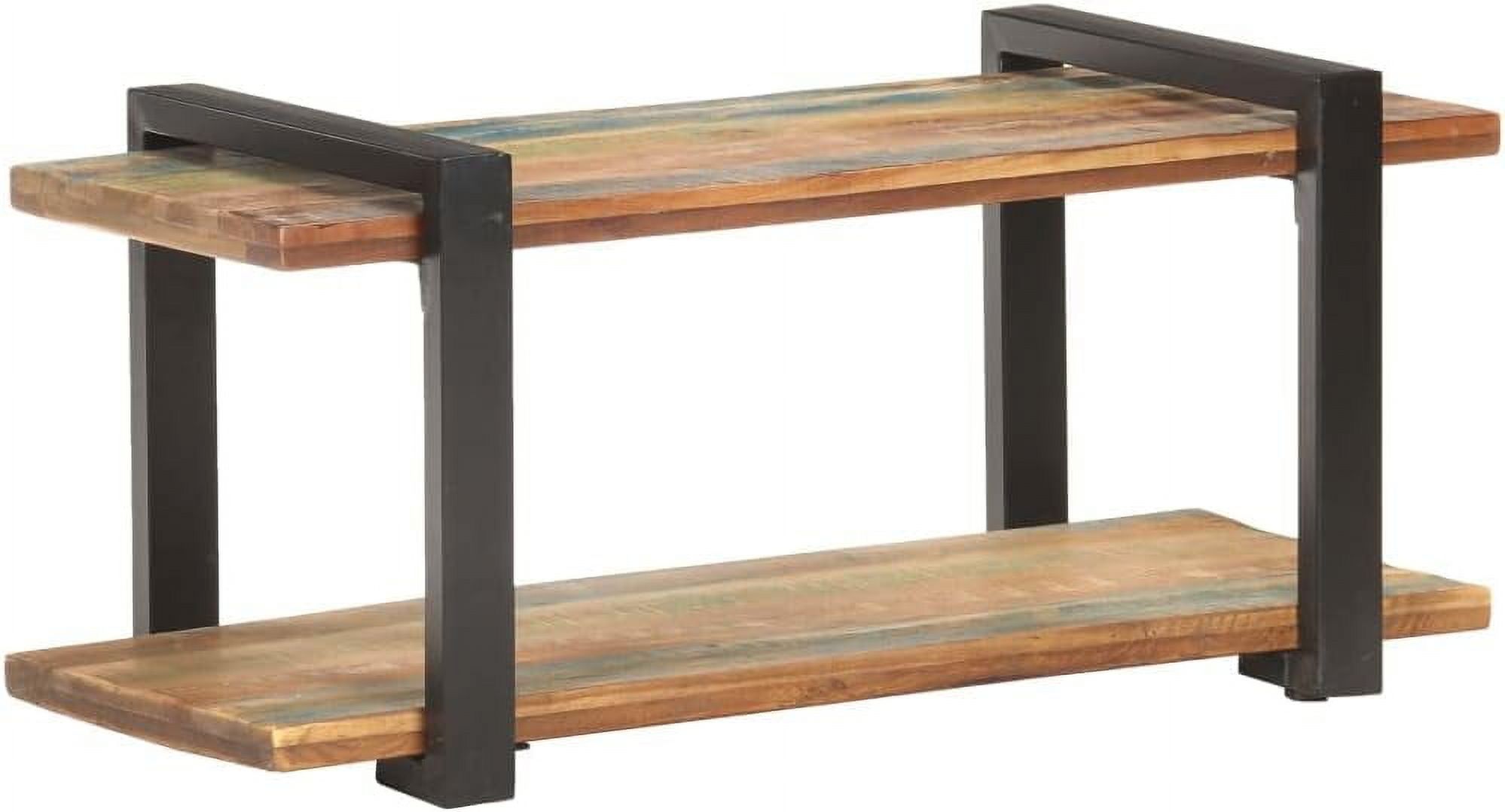
When it comes to choosing furniture that will last generations, few materials can match the strength and beauty of acacia wood. This remarkable hardwood has been used for centuries across various cultures, from ancient Egyptian furniture to modern Scandinavian designs. But what makes acacia wood so special? Why do people swear by it for their dining tables, chairs, and cabinets? The answer lies in its incredible durability and natural resistance to wear and tear.
Picture this: you’ve just bought a stunning new dining table made from acacia wood. It’s gorgeous, solid, and promises to be a centerpiece in your home for decades. But how do you ensure it lives up to that promise? That’s where understanding the unique properties of acacia wood and learning proper care techniques becomes essential. Whether you’re a seasoned furniture owner or someone considering adding acacia pieces to your collection, knowing how to nurture these beautiful items can make all the difference between a piece that lasts forever and one that disappoints. Acacia wood isn’t just another timber option – it’s a commitment to quality that deserves respect and proper attention.
Natural Properties That Make Acacia Wood Special
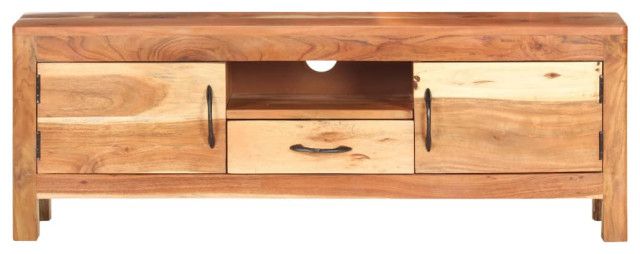
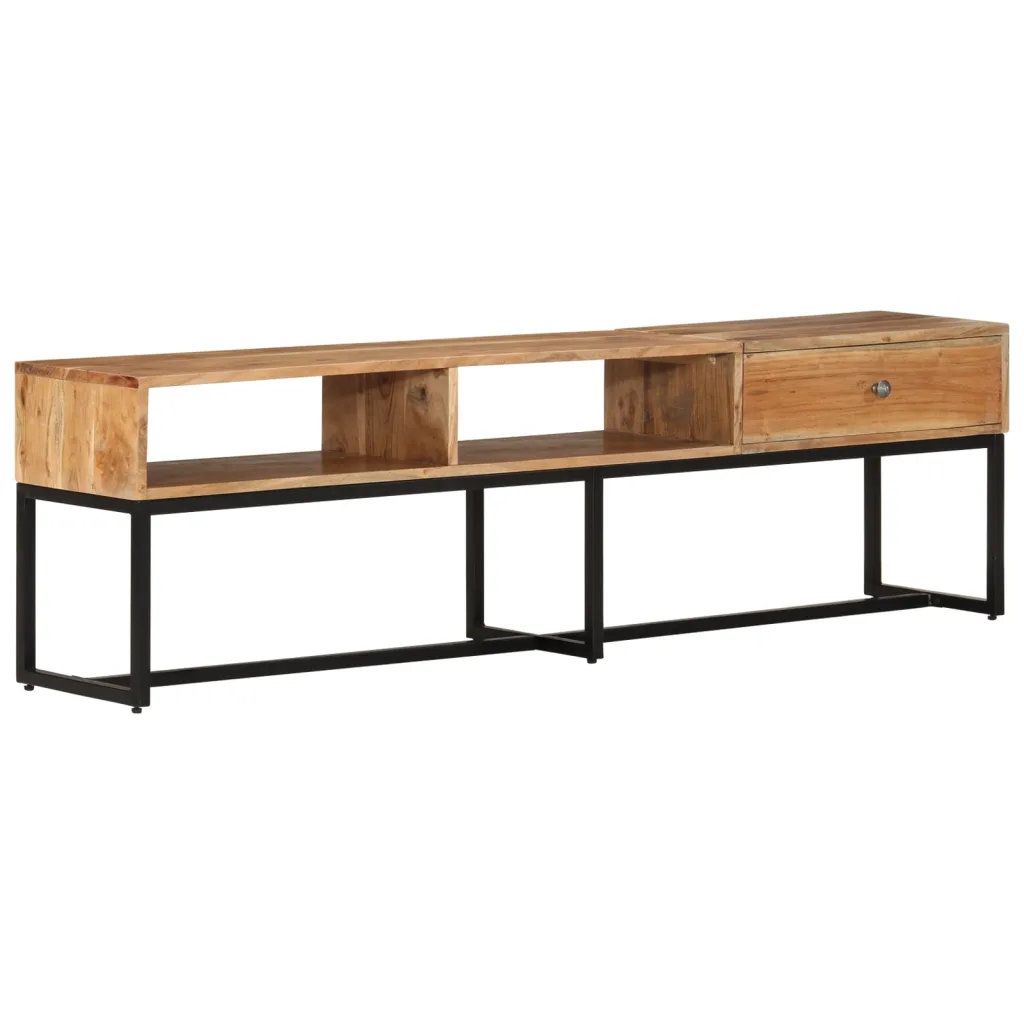
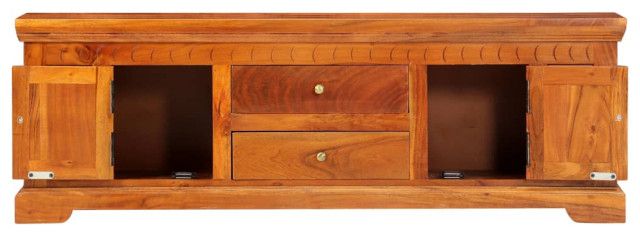
Acacia wood stands out in the world of furniture materials because of its exceptional natural characteristics. Think of it like a superhero among woods – it’s got both strength and elegance packed into every board. The wood comes from acacia trees, which grow primarily in Australia, Africa, and parts of Asia. These trees develop incredibly dense grain patterns that give acacia its distinctive appearance and make it one of the hardest woods available. When you look closely at acacia wood, you’ll notice its rich, warm tones ranging from golden brown to deep amber hues. This color variation adds character and visual interest to any piece. The grain patterns often display beautiful swirls and waves that make each piece unique. What really sets acacia apart is its natural resistance to insects and moisture. Unlike softer woods that might warp or split easily, acacia maintains its shape even under challenging conditions. This makes it perfect for high-traffic areas like kitchens and dining rooms where spills and daily use are common. The wood’s density also means it’s naturally resistant to scratches and dents, though it’s not completely immune to damage. Understanding these traits helps you appreciate why acacia furniture is such a wise investment.
The Science Behind Acacia’s Longevity
What makes acacia wood so durable goes beyond simple aesthetics – it’s rooted in its cellular structure. The wood contains high levels of tannins and silica, which act as natural preservatives against decay and insect damage. Imagine these compounds as tiny shields protecting the wood fibers from external threats. The hardness of acacia wood typically rates around 3,900 pounds per square inch on the Janka hardness scale, making it harder than many popular alternatives like oak and maple. This measurement tells us how much force it takes to embed a steel ball halfway into the wood – essentially showing how tough it is. The tight grain structure also plays a crucial role. Unlike woods with open pores or loose fibers, acacia’s compact nature means there’s less room for moisture to penetrate and cause damage. Many homeowners report that their acacia furniture remains in excellent condition even after decades of use. Some pieces have been passed down through generations, maintaining their structural integrity and beauty. This longevity is partly due to the wood’s natural oils that help repel water and prevent warping. However, it’s important to note that while acacia is incredibly durable, it still requires proper care to reach its full potential lifespan.
Common Challenges and How to Address Them
Even the most resilient materials face challenges, and acacia wood is no exception. One of the most frequent issues people encounter is surface scratches and dents from daily use. While acacia is hard, it can still show marks from sharp objects or heavy impacts. The good news is that many of these imperfections can be minimized or repaired. Minor scratches often fade over time or can be buffed out with fine sandpaper and appropriate wood polish. Deeper marks might require professional attention or touch-up staining. Another concern is moisture exposure. Although acacia resists water better than most woods, prolonged contact with liquids can still cause problems. Water rings are a common complaint, especially on unfinished surfaces. The key is to address spills immediately and use coasters or trivets to protect the surface. Temperature changes can also affect acacia furniture, causing slight expansion or contraction. This is normal behavior for wood and usually doesn’t harm the piece, but it’s something to keep in mind when placing furniture near heat sources or in areas with fluctuating temperatures. Some people notice that acacia wood develops a patina over time, changing slightly in color and texture. This natural aging process is actually part of what makes the wood so appealing to many collectors and enthusiasts.
Daily Maintenance Practices
Taking care of your acacia furniture doesn’t require a lot of effort, but consistency is key. Start with regular cleaning using a soft, dry cloth to remove dust and debris. Avoid using harsh chemicals or abrasive cleaners that could damage the wood’s surface. A gentle wipe with a slightly damp cloth works well for removing stubborn dirt, but always dry the surface thoroughly afterward. For deeper cleaning, a mild soap solution can be effective, though it’s best to test any cleaning product on a hidden area first. Applying a wood conditioner or oil periodically helps maintain the wood’s natural luster and protects against moisture. Many people prefer using mineral oil or specialized wood oils designed for hardwoods. These treatments should be applied according to manufacturer instructions and allowed to soak in properly. Avoid placing hot dishes directly on the surface – even though acacia is heat-resistant, sudden temperature changes can stress the wood. Using placemats, coasters, and trivets provides easy protection while keeping your furniture looking pristine. Remember that acacia furniture benefits from being kept in stable environments with moderate humidity levels, ideally between 30% and 50%.
Seasonal Care Considerations
Just like people, acacia furniture responds to seasonal changes in its environment. During winter months, indoor heating systems can reduce humidity levels significantly, which might cause the wood to contract slightly. This is generally not harmful, but it can lead to small gaps appearing between boards or slight warping if the change is extreme. To counteract this, consider using a humidifier in your home during dry seasons. Conversely, high humidity periods in summer or rainy weather can cause the wood to expand. While acacia handles this better than many woods, it’s still wise to monitor your furniture for any unusual changes. Some people find that moving their acacia pieces away from windows or doors during extreme weather helps prevent rapid environmental changes. During spring and fall maintenance periods, take advantage of these times to assess your furniture’s condition. Clean thoroughly, reapply protective treatments, and check for any signs of wear that might need attention. Professional refinishing might be necessary every few years depending on usage, but routine care can extend the time between major treatments significantly. Pay attention to how your furniture looks and feels throughout different seasons – this awareness helps you catch potential issues early.
Signs of Wear and When to Seek Professional Help
Knowing when to seek professional assistance can save your acacia furniture from further damage. Early warning signs include persistent water stains that won’t disappear, deep scratches that won’t buff out, or noticeable warping in the wood’s structure. If you notice the finish beginning to chip or peel in large sections, this indicates the need for professional attention. Sometimes, small problems like minor dents or light scratches can be addressed at home, but major issues often require expert intervention. Professional woodworkers can restore damaged surfaces, refinish entire pieces, or recommend the best approach for your specific situation. Don’t wait until problems become obvious before taking action. Regular inspection and addressing small concerns quickly prevents them from developing into expensive repairs later. Some furniture owners develop a habit of checking their pieces monthly, looking for any changes in appearance or feel. This proactive approach often reveals issues before they become serious problems. Remember that professional help isn’t just about fixing damage – it’s also about preserving the value and beauty of your investment. Many professionals specialize in acacia wood restoration and can provide guidance on maintenance techniques specific to your furniture style.
Acacia wood furniture represents more than just beautiful craftsmanship – it embodies a commitment to lasting quality and timeless design. Understanding its natural properties, caring for it properly, and recognizing when professional help is needed ensures that your pieces will continue gracing your home for years to come. The investment in acacia furniture pays dividends not just in aesthetic appeal, but in durability and long-term value. By following basic maintenance practices, staying aware of seasonal changes, and addressing issues promptly, you can enjoy the rich beauty of acacia wood for generations. Whether you’re buying your first acacia piece or have been collecting these treasures for years, remember that proper care transforms temporary purchases into treasured heirlooms. The key lies in appreciating the material’s unique characteristics and treating it with the respect it deserves. With the right approach, your acacia furniture will continue to tell stories of craftsmanship and durability long after the initial purchase date.