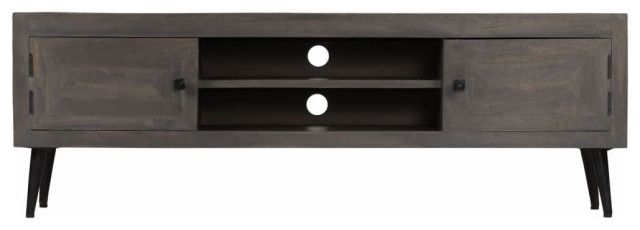
Shopping for a new TV cabinet can feel overwhelming. With so many options available, it’s easy to get lost in the sea of choices. But what really matters when deciding between different materials? Is it about style, durability, or budget? Let’s break down everything you need to know to make the best choice for your home.
When it comes to choosing a TV cabinet, the material you pick plays a huge role in how well it fits your lifestyle, looks in your space, and stands the test of time. Whether you’re looking for something sleek and modern or something that feels like it belongs in a traditional living room, understanding the different materials available will help you make a confident decision. We’re going to walk through the most popular options, their strengths, weaknesses, and what they might mean for your specific needs. This isn’t just about looks though – we’re talking about function, longevity, and practicality too.
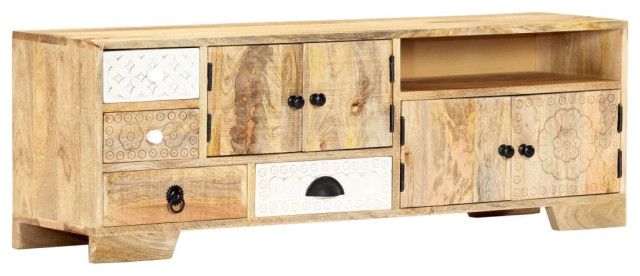
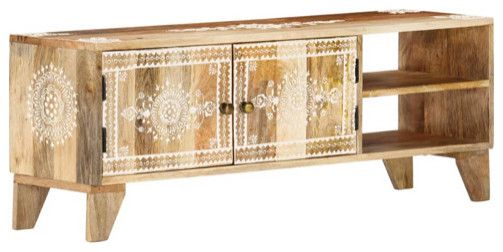
Wood: Timeless Beauty and Natural Warmth
Wood has always been a go-to choice for furniture lovers, and TV cabinets are no exception. It brings warmth and character to any room, and there’s something special about the natural grain and texture that wood offers. Whether you prefer oak, maple, or pine, each type gives a different vibe.
Oak tends to be strong and durable, making it great for families with kids or pets. Maple is smoother and often lighter in color, giving a clean, modern look. Pine, while softer, has a rustic charm that many people love. However, wood cabinets require some care. They can scratch easily, and they may warp or fade if exposed to too much sunlight or moisture. That said, if you’re willing to put in a little effort, a wooden cabinet can last decades and become a family heirloom.
Some people think wood is too expensive, but actually, there are affordable options like plywood or particle board that mimic the look of solid wood. These are great if you want that classic appearance without breaking the bank.
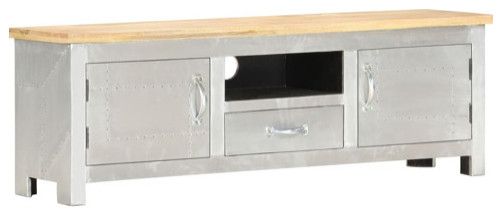
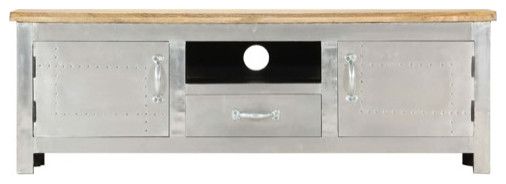
Metal: Sleek, Modern, and Long-Lasting
If you’re going for a contemporary design, metal cabinets might be exactly what you’re looking for. They offer a clean, industrial aesthetic that pairs well with modern living rooms and minimalist spaces. Metal is incredibly durable, resistant to scratches, and can handle daily wear and tear better than many other materials.
Steel and aluminum are the two most common metals used for cabinets. Steel is stronger and heavier, giving a more substantial feel. Aluminum is lighter and often more affordable. Both can be finished in various ways – brushed, polished, or matte – allowing you to match almost any decor.
One thing to consider is that metal can sometimes feel cold to the touch, especially in cooler climates. Also, while they’re scratch-resistant, they can dent if hit hard enough. Rust can be a problem if the finish wears off over time. But overall, if you want something that looks sharp and lasts forever, metal is a solid pick.
Glass: Elegant and Light-Filled Spaces
Glass cabinets add a sense of lightness and elegance to any room. They’re perfect for small spaces where you want to keep things feeling open and airy. You can see through them, which means they won’t block the view of your TV or make the room feel cramped.
Glass cabinets come in several forms – tempered glass, frosted glass, and even mirrored glass. Tempered glass is the most common and safest option, as it’s designed to break into small pieces rather than sharp shards. Frosted glass offers privacy while still letting light through. Mirrored glass can make a room appear larger, though it reflects everything around it.
However, glass cabinets require extra care. They’re prone to fingerprints, smudges, and scratches. Cleaning them regularly is essential to keep them looking pristine. They’re also not ideal for homes with young children or pets, as they can shatter if dropped or struck hard.
Glass works best when paired with simple, uncluttered interiors. If you have lots of items to display, a glass cabinet might not be the best choice since it can make everything look too exposed.
Laminate: Budget-Friendly and Versatile
Laminate is probably one of the most popular choices for those watching their budgets. It’s made by layering materials together under heat and pressure, creating a surface that mimics wood, stone, or other textures. The result is a product that’s affordable, easy to clean, and comes in countless designs.
One big advantage of laminate is its resistance to scratches and stains. It’s also very easy to maintain – just wipe it down with a damp cloth and you’re good to go. It’s particularly good for high-traffic areas or households with kids and pets. The downside? It’s not as durable as wood or metal, and the edges can chip or peel over time.
Laminate cabinets are often used in kitchens, but they’ve found their way into living rooms too. They’re a great middle-ground option for people who want something that looks nice without spending a lot of money. Just keep in mind that if you’re after something that will last generations, laminate might not be your best bet.
Particle Board and MDF: Affordable Alternatives
Particle board and Medium Density Fiberboard (MDF) are often used as base materials for cabinets, especially in lower-end products. Particle board is made from wood chips and glue, while MDF uses wood fibers pressed together. Both are cost-effective and can be painted or laminated to look like wood or other materials.
These materials are lightweight and easy to work with, which makes them popular with manufacturers. However, they’re not the most durable options. They can swell if exposed to moisture and may not hold up well over time. They’re also not as strong as solid wood or metal, so they can warp or bend if not properly supported.
If you’re on a tight budget, these materials can still offer decent value, especially if you’re planning to replace the cabinet within a few years. But for long-term use, they’re not recommended. Still, they do have their place in certain situations – like for temporary setups or rental properties where durability isn’t the top priority.
What to Consider When Making Your Decision
Choosing the right material for your TV cabinet involves more than just picking what looks good. Here are some key factors to keep in mind:
• Budget: Some materials cost more upfront but last longer, while others are cheaper but may need replacement sooner.
• Lifestyle: Families with pets or small children might want something more durable like metal or solid wood.
• Home Environment: Humidity levels, sunlight exposure, and temperature changes can affect how well a material holds up.
• Design Preferences: Do you want something that blends in or makes a statement?
• Maintenance Needs: Some materials require more upkeep than others.
It’s also worth noting that many modern cabinets combine materials – for example, a wood frame with glass doors or a metal structure with wood shelves. These hybrid designs can give you the benefits of multiple materials in one piece.
The truth is, there’s no single "best" material. What matters most is finding what suits your specific situation and preferences. Think about how you’ll use it daily, what you can afford, and what fits your space. Once you’ve clarified those points, the decision becomes much easier.
Picking the right material for your TV cabinet is a personal choice that depends on a lot of factors. From the timeless appeal of wood to the modern edge of metal, each option brings its own set of advantages and considerations. Glass adds elegance, laminate keeps costs down, and particle board or MDF offers basic functionality without a heavy price tag.
Don’t rush into a decision – take the time to think about how you’ll use the cabinet, what fits your home, and what your budget allows. The right choice will not only look great but also serve you well for years to come. And remember, sometimes the best material isn’t the most expensive one – it’s the one that works best for your life.