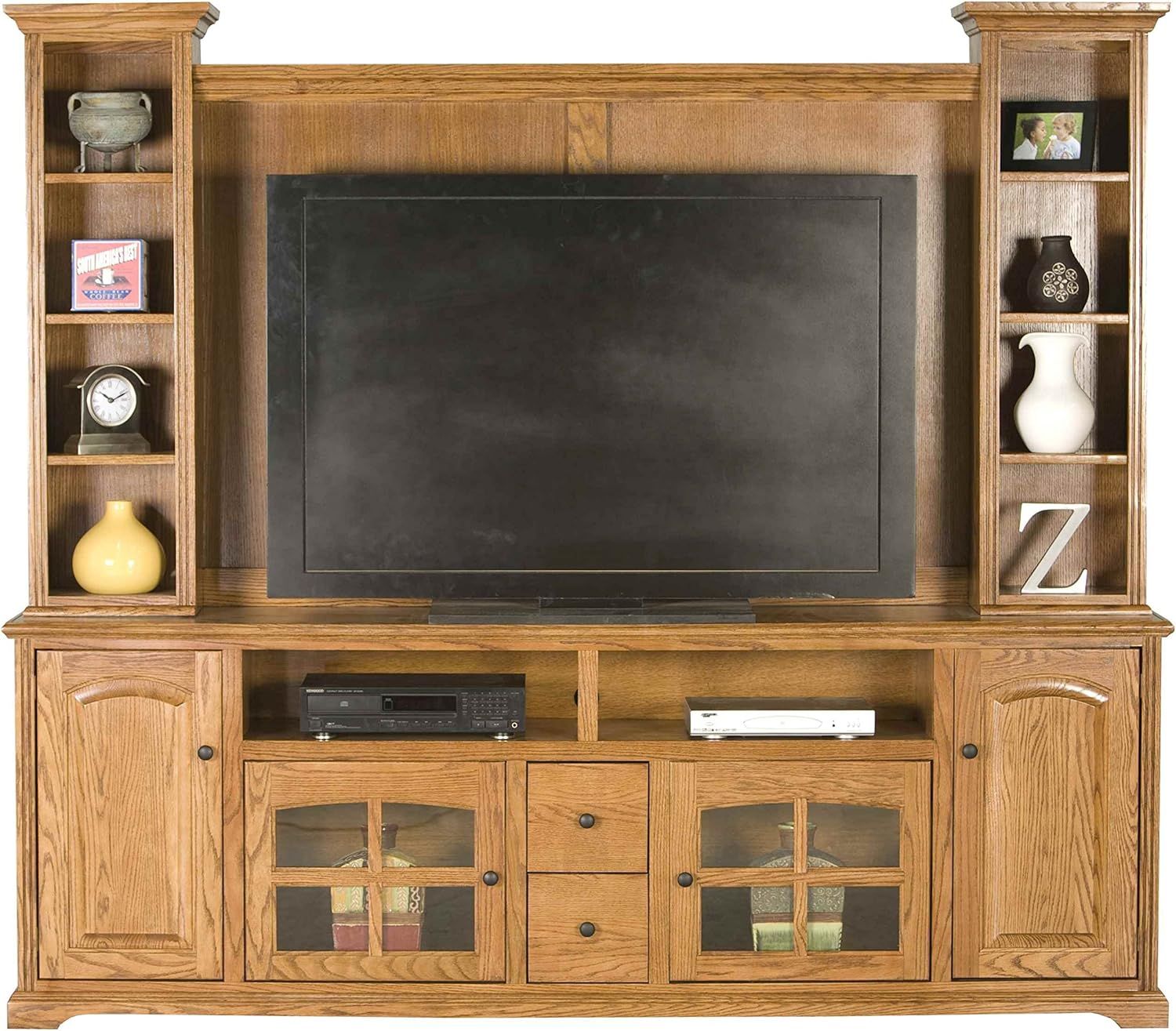
Imagine walking into a room where every element works together seamlessly. The way light dances across polished surfaces, how furniture creates natural flow, and how every item finds its perfect place. That’s the magic of visual balance, especially when it comes to glass door media storage. It’s not just about having something pretty on display—it’s about creating a sense of order that makes people feel comfortable and at home.
Glass door media storage has become a staple in modern homes and offices, offering both style and function. But truly mastering this design element means understanding how to create visual balance that feels effortless rather than forced. Whether you’re designing a new space or reorganizing existing storage, getting this right can transform your entire environment. Think about how you want people to feel when they enter a room with glass cabinet displays. Do you want them to feel overwhelmed by too much visual clutter? Or do you want them to experience calm and harmony? The answer lies in how well you balance the elements within your glass storage solutions.
Understanding Visual Balance Fundamentals
Visual balance isn’t just about making things look equal on both sides. It’s about creating equilibrium through various design principles. When working with glass door media storage, you’re essentially creating a stage where everything needs to work together. Consider how different heights, textures, and colors interact with each other. A tall bookshelf might dominate a space, while smaller decorative items can provide visual counterbalance. The key is to think about weight distribution, not just physical weight. A few large items can be balanced with several small ones, creating a dynamic but harmonious arrangement.
The Psychology Behind Display Choices
What we see in our living spaces affects us emotionally and psychologically. Glass door storage provides a unique opportunity to showcase items that tell stories or reflect personal taste. But not everything deserves prime display space. Some items might be better hidden away, while others deserve to be front and center. Consider the psychology of visibility. Items placed higher up might suggest importance, while those at eye level often become focal points. When arranging your collection, think about what message you want to communicate. Is your space welcoming and approachable? Or does it feel formal and distant? These choices shape how people experience your environment.
Color Theory in Glass Storage Design
Colors play a crucial role in how we perceive visual balance. When you have glass doors, you’re working with transparency and reflection, which adds another layer to color consideration. Light colors tend to make spaces feel larger and more open, while darker tones create intimacy and focus. If you’re displaying items against a neutral background, consider adding pops of color through accessories or decorative objects. For example, a collection of books in varying shades of blue might create visual interest while maintaining cohesion. The beauty of glass storage is that it allows you to experiment with color combinations without committing permanently to paint or wallpaper changes.
Proportional Relationships and Scale
One of the most challenging aspects of glass door media storage is getting proportions right. You want to avoid making your display look either too crowded or too sparse. A good rule of thumb is to consider the relationship between your largest items and smallest ones. For instance, if you have a large decorative vase, pair it with several smaller objects to create visual stability. The same principle applies to grouping items vertically versus horizontally. Vertical arrangements can create a sense of height and grandeur, while horizontal groupings often feel more grounded and approachable. Pay attention to how items relate to each other in terms of size and scale.
Lighting and Reflection Management
Glass storage solutions really come alive when you understand how lighting affects their appearance. Natural light can dramatically change how your display looks throughout the day. Morning light might highlight certain items beautifully, while afternoon light could create shadows that shift the entire composition. Artificial lighting also plays a major role. Consider installing LED strips behind your glass doors or using adjustable spotlights to draw attention to specific items. The reflective properties of glass mean that lighting can either enhance or overwhelm your display. Sometimes, less light is more effective, allowing items to breathe and stand out naturally.
Practical Organization Tips for Balance
Beyond aesthetics, practical organization keeps your glass storage looking fresh and functional. One common mistake is trying to fill every inch of space, which can create visual chaos. Instead, leave some breathing room. Think about how often you access different items and organize accordingly. Frequently used items should be easily reachable, while special pieces might benefit from being displayed in a more protected area. Group similar items together, whether that’s by category, color, or function. This approach helps maintain visual harmony even as your collection grows over time. Remember, the goal is to make everything feel intentional rather than random.
Creating visual balance with glass door media storage is both an art and a science. It requires thoughtful consideration of how elements interact with each other, how they affect people’s emotions, and how they serve practical purposes. The most successful installations aren’t necessarily the most elaborate—they’re the ones where everything feels perfectly placed and purposeful. Whether you’re starting from scratch or updating an existing setup, remember that balance comes from understanding relationships between items, managing light and space effectively, and making choices that support both form and function. The result is a space that not only looks great but also feels comfortable and inviting to everyone who enters.