Every piece of furniture tells a story. Not just about function or beauty, but about the people who made it, the traditions they carried, and the cultures they preserved. When we look at a handcrafted chair, a traditional cabinet, or a beautifully carved table, we’re looking at more than wood and nails. We’re seeing the heartbeat of civilizations that have shaped our world.
Imagine walking into a museum and seeing furniture that hasn’t changed in centuries. These aren’t just objects—they’re time capsules that whisper stories of ancient craftsmanship, cultural values, and community traditions. Furniture making isn’t just about creating functional items; it’s about maintaining the living threads that connect us to our ancestors. This practice becomes even more important when we consider how rapidly modernization is changing our world. In many places, traditional woodworking techniques are disappearing faster than we can document them. Yet, there’s something deeply moving about watching skilled artisans work with their hands, passing down knowledge that spans generations.
The Living Legacy of Traditional Techniques
Traditional furniture making is far more than a craft—it’s a living repository of cultural knowledge. Each technique, each tool, each style carries the accumulated wisdom of countless generations. Consider the Japanese joinery methods that require no nails or screws. Or the intricate carving styles found in Moroccan furniture that reflect centuries of artistic evolution. These aren’t just aesthetic choices; they’re cultural markers that define identity.
When master craftsmen teach their skills to apprentices, they’re not just transferring technical knowledge. They’re preserving entire worldviews. The way a craftsman selects wood, prepares joints, or finishes surfaces reflects deep understanding of materials, climate, and local resources. For example, Scandinavian furniture makers learned to work with pine and birch because those trees were abundant in their forests. The resulting designs were both functional and respectful of available materials.
This knowledge extends beyond the workshop. It includes understanding seasonal cycles, recognizing wood grain patterns, and knowing when different woods are best suited for specific projects. These insights often come from years of observation and experience, passed down through family lines or guild systems.
Cultural Identity Through Material Selection
What wood you choose says everything about your cultural background. Different regions developed unique relationships with their native timber species. In North America, Native American tribes used specific woods for different purposes based on availability and spiritual significance. Cedar was prized for its natural insect-repelling properties and aromatic qualities, while oak represented strength and durability.
Similarly, in Southeast Asia, teak became synonymous with luxury and longevity. Its resistance to water damage made it perfect for furniture that would last for generations. The choice of materials wasn’t random—it reflected environmental conditions, religious beliefs, and social status. A simple wooden stool might use different woods depending on whether it was meant for daily use or ceremonial purposes.
Modern preservation efforts often focus on reviving these traditional material choices. Museums and cultural centers work to source authentic woods or find suitable substitutes that honor the original intentions. This attention to material selection helps maintain the cultural authenticity of preserved pieces, ensuring that future generations can appreciate not just the form but also the deeper meanings behind these choices.
The Role of Apprenticeship in Cultural Continuity
One of the most powerful aspects of preserving cultural heritage through furniture making is the apprenticeship system. This ancient method ensures that knowledge flows from experienced craftspeople to newcomers. Unlike modern industrial training that focuses on efficiency, traditional apprenticeships emphasize patience, respect, and deep understanding of the craft.
An apprentice might spend years learning basic cutting techniques before attempting complex joinery. They observe, ask questions, and slowly develop their own understanding of the work. This process creates bonds between generations and builds community connections. In many cultures, the relationship between master and apprentice extends far beyond professional boundaries.
Consider the European guild system, where craftsmen were required to train others to become full members. These systems created networks of knowledge sharing that protected cultural practices from being lost. Even today, some workshops still follow these traditions, ensuring that every new generation understands not just how to make furniture, but why they do it. The knowledge includes everything from proper tool maintenance to understanding the spiritual significance of certain designs.
Documentation and Modern Technology Integration
Today’s preservationists face the challenge of documenting traditional techniques before they disappear forever. Video recordings, detailed written guides, and digital archives serve as modern repositories of ancient wisdom. However, technology alone cannot capture the subtle nuances of craftsmanship. The feel of wood in one’s hands, the sound of a blade cutting through grain, or the satisfaction of perfectly fitted joints—these elements are difficult to reproduce in digital formats.
Some innovative approaches combine traditional methods with modern documentation. 3D scanning technology allows museums to create precise digital models of historical furniture. These can be used for educational purposes or to guide restoration work. But the actual making of these pieces still requires human skill and intuition.
Digital platforms also enable global sharing of traditional techniques. Artisans can now connect with others worldwide, sharing videos, photos, and advice. This connectivity helps preserve techniques that might otherwise be forgotten in isolated communities. Yet, the core remains the same: human hands shaping wood according to cultural traditions.
Economic Sustainability for Craft Communities
Preserving cultural heritage through furniture making requires economic support for communities that practice these traditions. When local artisans can earn a living from their work, they’re more likely to continue practicing and teaching their skills. This economic sustainability creates a positive cycle that benefits entire communities.
In many developing countries, traditional furniture makers face challenges from mass-produced alternatives. However, when consumers value authentic handmade pieces, these artisans can thrive. The premium placed on quality, uniqueness, and cultural significance makes traditional furniture economically viable. Some communities have successfully developed tourism programs around furniture making, allowing visitors to watch craftsmen at work and purchase authentic pieces directly.
Successful preservation often involves creating markets for traditional products. This means educating consumers about the cultural value behind each piece. When someone purchases a hand-carved chair, they’re not just buying furniture—they’re investing in cultural continuity. Some organizations work with artisans to develop marketing strategies that highlight the cultural stories behind each item, making the purchasing decision more meaningful.
Adapting Traditions for Contemporary Life
While preserving traditional methods is crucial, the furniture making industry must also adapt to contemporary needs. This balance between honoring the past and serving present-day users creates interesting challenges and opportunities. Modern families often need furniture that’s both beautiful and practical, which means traditional forms may need slight modifications.
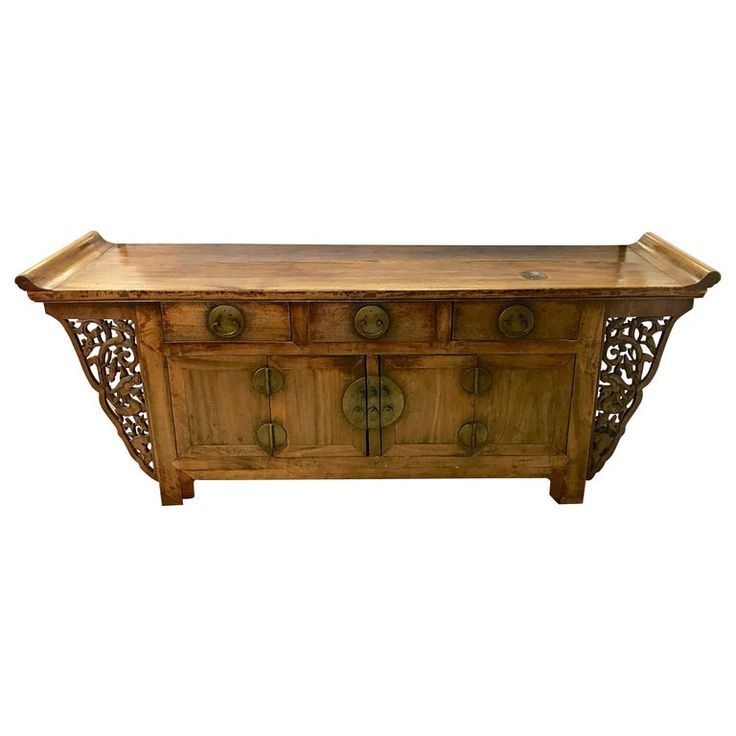
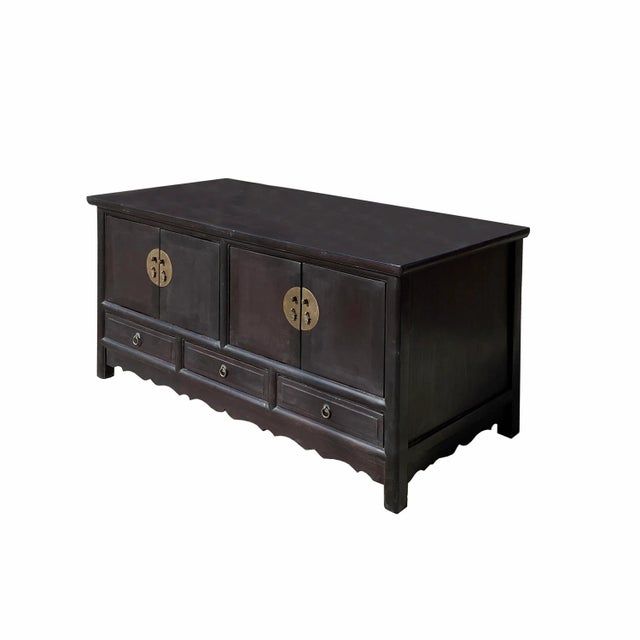
For instance, traditional Chinese furniture was designed for low seating arrangements and specific room layouts. Today’s Western homes might need higher chairs or different proportions. Skilled craftspeople learn to modify traditional designs while maintaining their essential character. This adaptation keeps the cultural spirit alive while ensuring the furniture serves current lifestyles.
The key is understanding that adaptation doesn’t mean abandonment. Rather, it’s about finding ways to express cultural values through modern contexts. Contemporary designers might use traditional joinery techniques but apply them to modern shapes, or they might incorporate traditional decorative elements into current furniture styles. This evolution allows cultural heritage to remain relevant and accessible to younger generations.
Preserving cultural heritage through furniture making is more than a hobby or profession—it’s a vital bridge between past and future. Every carefully crafted piece represents countless hours of tradition, skill, and cultural understanding. As we move forward in an increasingly digital world, these physical connections to our ancestors become even more precious.
The stories embedded in traditional furniture remind us that we’re part of something much larger than ourselves. These objects carry the dreams, hopes, and daily lives of people who lived long ago. When we preserve furniture making traditions, we’re not just keeping old skills alive—we’re maintaining the human connection that makes culture meaningful.
Whether you’re a collector, a student, or simply someone who appreciates fine craftsmanship, supporting these efforts helps ensure that future generations will have access to the rich cultural legacy embedded in every wooden piece. The next time you sit on a handcrafted chair or admire a beautifully carved table, remember that you’re experiencing history in its most tangible form. These pieces are living testimonies to human creativity, resilience, and the enduring power of cultural traditions.