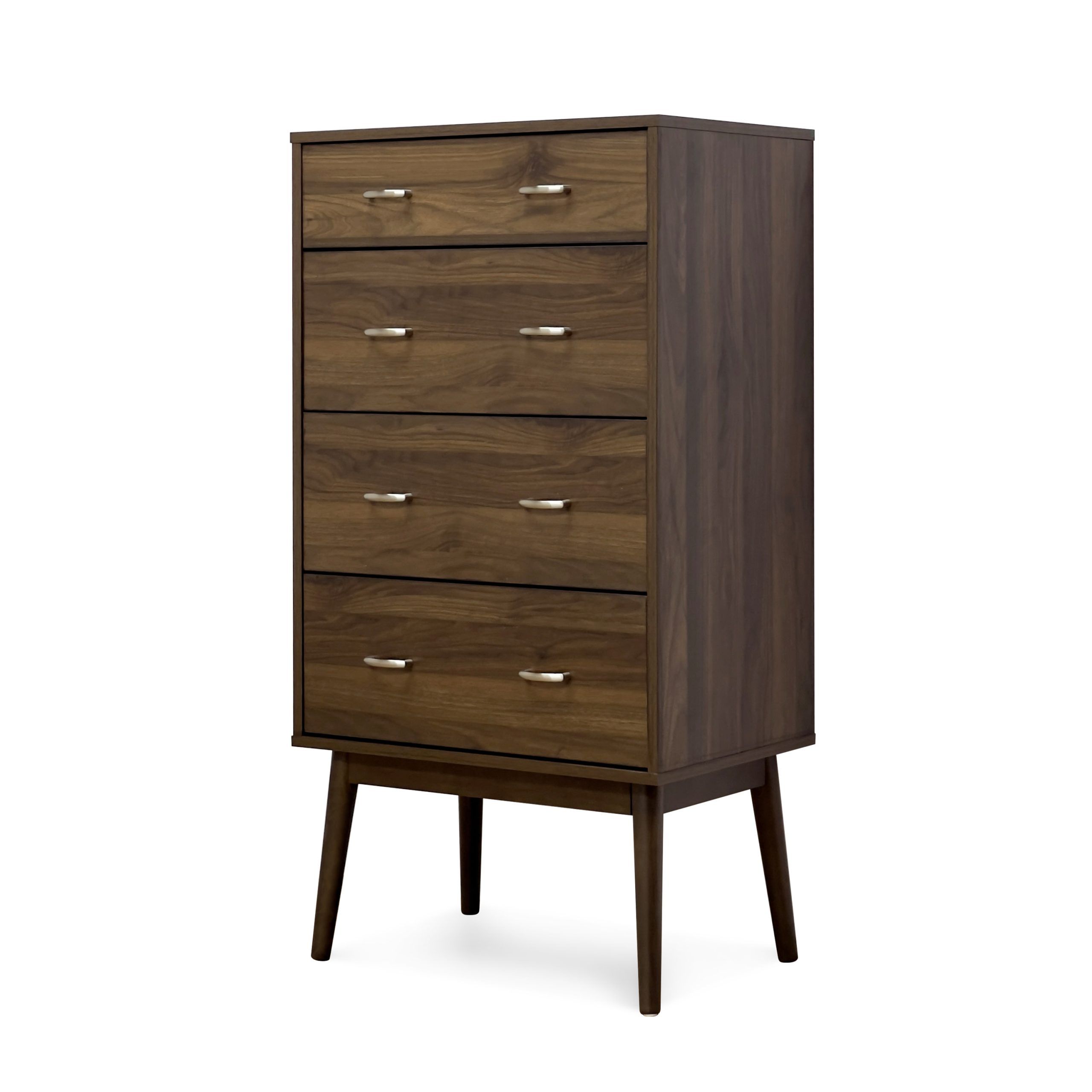
Think back to when your living room was just a place to sit and watch TV. Now, it’s become the heart of home entertainment, filled with gadgets, media, and all sorts of tech. The way we store everything has changed dramatically over the decades. What used to be simple wooden shelves now turn into complex storage systems designed to hide wires, organize devices, and keep everything looking neat.
When we picture our living rooms today, most of us see a central entertainment hub. It’s not just about watching shows anymore – it’s about managing our digital lives right in the heart of our homes. This shift has fundamentally changed how we think about storage in these spaces. From basic wooden units to sleek, high-tech solutions, the evolution of storage in living room entertainment centers tells a story about how we live, work, and play together. It’s not just about keeping things organized – it’s about creating spaces that reflect our modern lifestyles while solving real problems we face every day.
Early Days: Simple Shelves and Basic Units
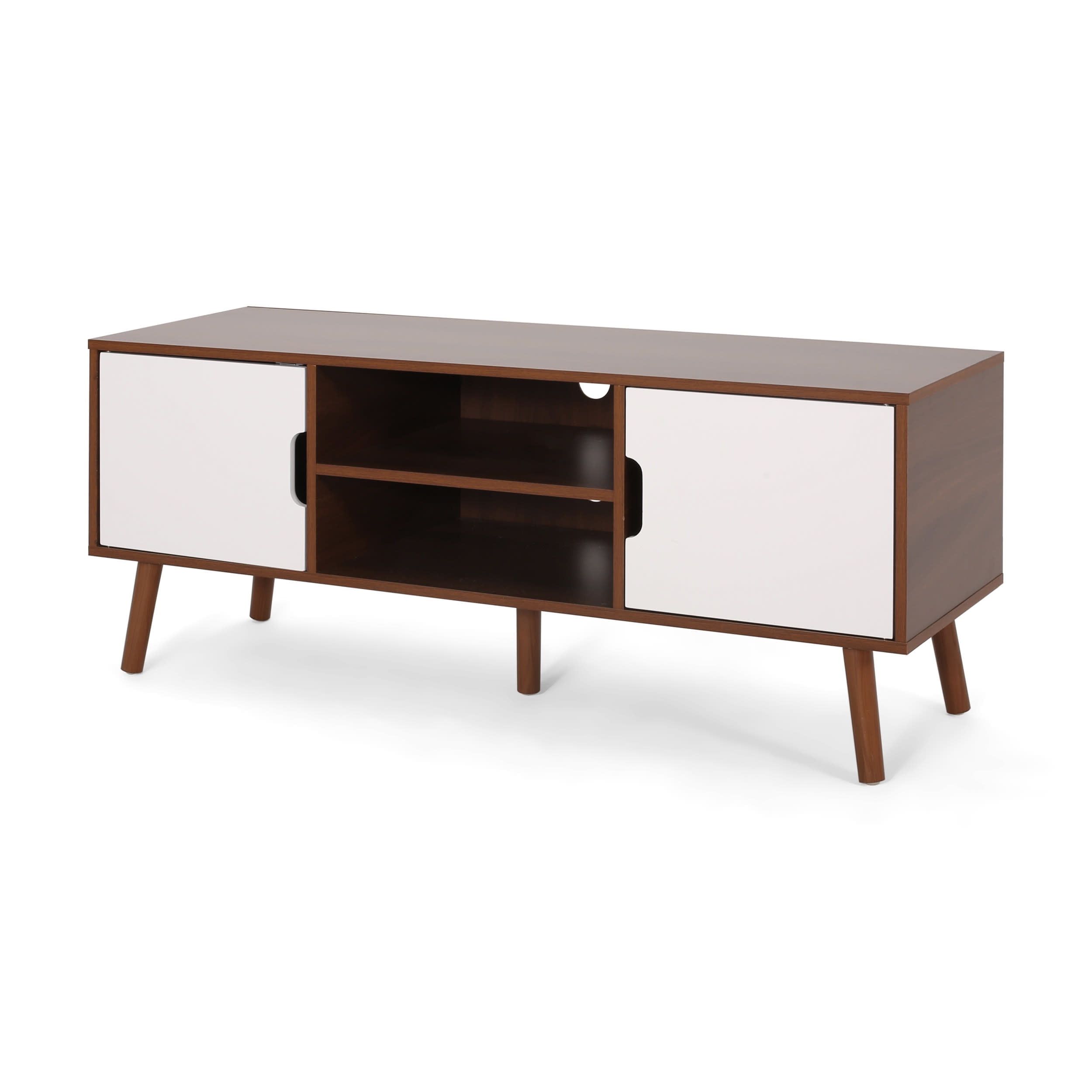
In the early days of home entertainment, storage was straightforward. Television sets were bulky and expensive, so people often placed them on simple wooden shelves or basic furniture units. These early solutions had one main job: hold the TV and maybe a few other items like a VCR or DVD player. The focus was purely functional, with little thought given to aesthetics or hidden cables. People didn’t have the variety of devices we do today, so the storage needs were minimal. You’d have a shelf, maybe a small cabinet, and that was about it. The simplicity worked well, but it left a lot to be desired in terms of organization and visual appeal. The era of basic storage units set the foundation for what was to come, even though those early solutions were quite primitive compared to today’s standards.
The Rise of Dedicated Entertainment Centers
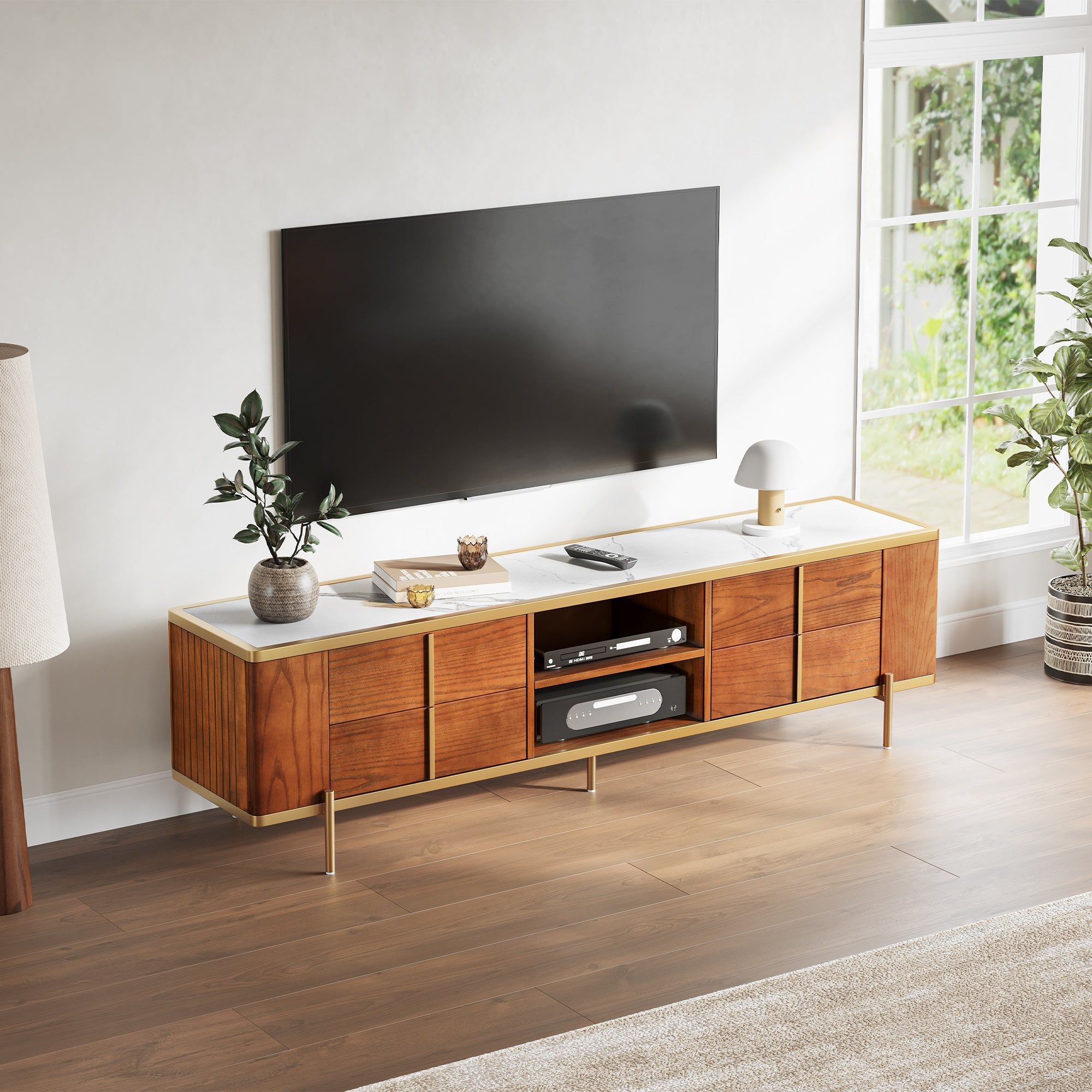
As technology advanced and households began owning multiple devices, dedicated entertainment centers emerged. These weren’t just shelves anymore – they were purpose-built units designed specifically for home theaters and media collections. They started incorporating features like built-in cable management, adjustable shelving, and better ventilation for electronics. The mid-1980s through 1990s saw a boom in these specialized units. Manufacturers realized that people wanted their entertainment systems to look good, not just work well. They began adding attractive finishes, decorative elements, and more thoughtful layouts. These units became statement pieces in many homes, combining functionality with design flair. The evolution toward more sophisticated storage solutions showed how much our relationship with technology had changed. Suddenly, the entertainment center wasn’t just about holding devices – it was about creating a cohesive space that supported our entertainment lifestyle.
Cable Management Revolution
One of the most significant changes in storage evolution has been the focus on cable management. As we added more devices to our living rooms, the number of cables multiplied exponentially. Before, you might have had a couple of cables connecting your TV to a VCR or stereo system. Today, we’re dealing with HDMI cables, power cords, streaming device connections, gaming console wires, and more. The challenge was how to manage all this chaos while maintaining clean, attractive spaces. Innovations included built-in cable routing channels, hidden wire management systems, and specialized accessories. Some units featured panels that could be removed or adjusted to accommodate different cable setups. The emphasis shifted from hiding cables to making them invisible entirely. This revolution allowed people to enjoy their entertainment systems without constantly wrestling with tangled wires or unsightly connections. The result was cleaner, more professional-looking installations that actually worked better than before.
Smart Technology Integration
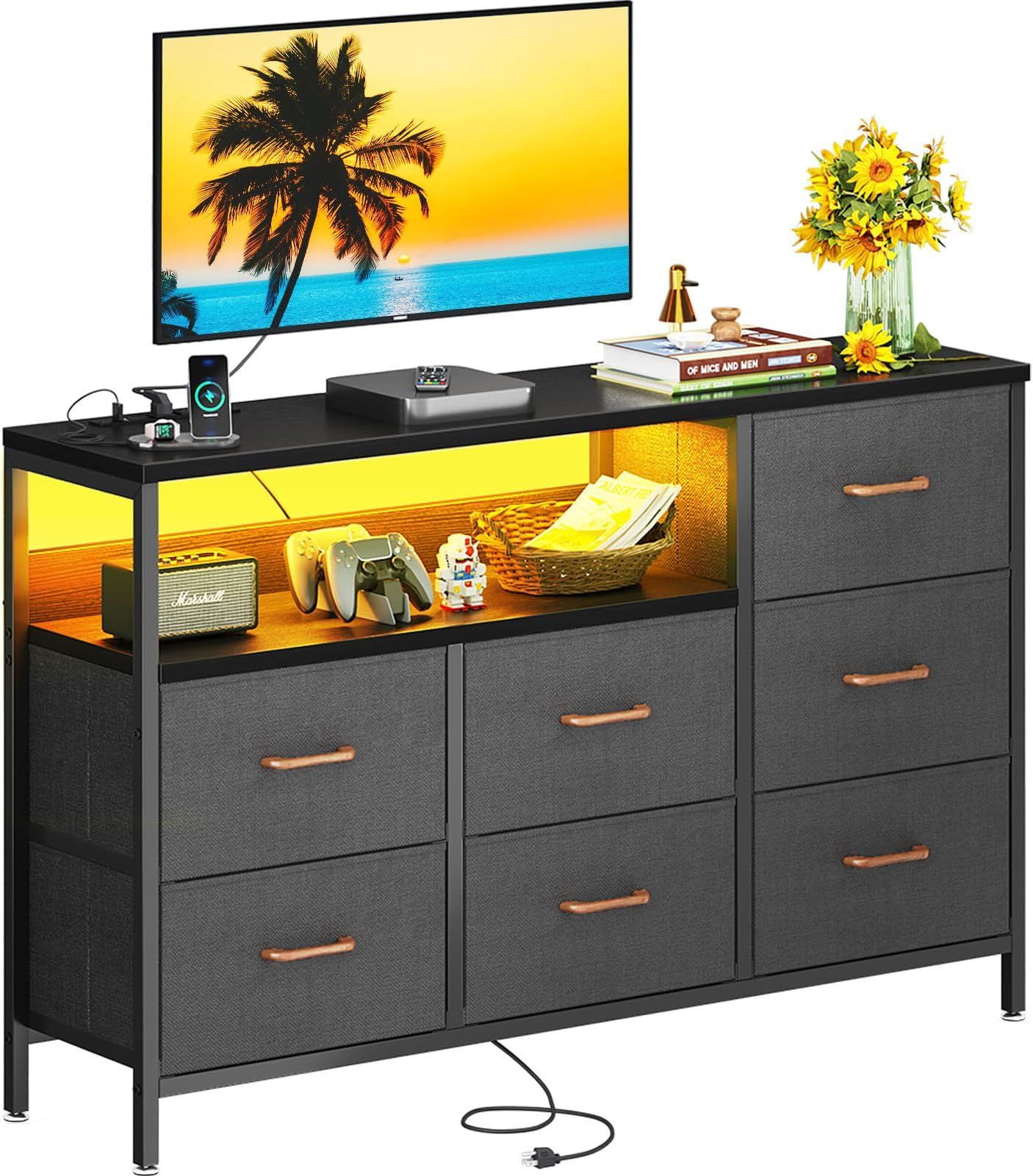
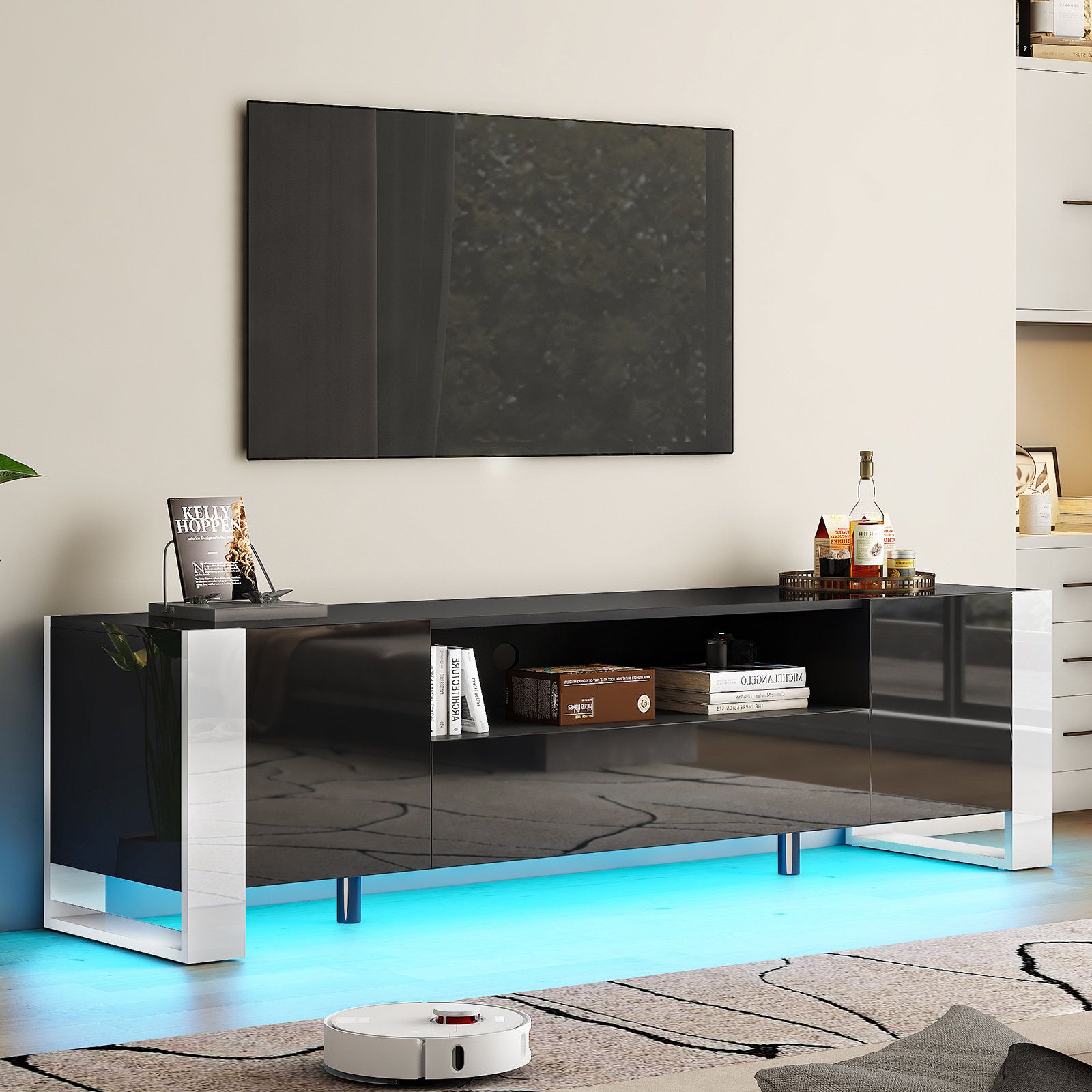
The digital age brought smart technology that completely transformed how we approach storage solutions. Today’s entertainment centers aren’t just about physical storage – they’re about integrating seamlessly with our digital lives. Smart storage units can now control lighting, adjust temperature, and even communicate with other devices in the home. Voice control capabilities mean you can ask your entertainment center to organize itself, adjust settings, or simply turn off everything. Some systems incorporate sensors that detect when devices are in use and automatically adjust storage configurations accordingly. The integration of smart home technologies means that storage solutions have evolved into full entertainment ecosystems. These systems can track usage patterns, suggest optimal storage arrangements, and even alert users to potential issues with their devices. It’s no longer just about putting things away – it’s about creating intelligent environments that adapt to our needs.
Minimalist Design Philosophy
Modern storage solutions have embraced minimalist design principles that prioritize clean lines, simple forms, and uncluttered spaces. This trend reflects our growing desire for simplicity in our daily lives. Contemporary entertainment centers often feature hidden storage compartments, flush-mounted displays, and cleverly disguised organizational elements. The idea isn’t to show off every device, but rather to create spaces that feel open and airy while still being fully functional. Many designers now focus on making storage solutions blend seamlessly into the overall room aesthetic. This approach requires careful planning and often involves custom solutions that fit perfectly within existing spaces. The minimalist movement has taught us that less can indeed be more when it comes to organizing our entertainment areas. The result is more beautiful, more functional spaces that support our technology needs without overwhelming our senses.
Customization and Flexibility
Today’s storage solutions offer unprecedented levels of customization and flexibility. People want their entertainment centers to match their unique lifestyles and preferences. Modular systems allow users to reconfigure storage options as their needs change. Some units feature removable shelves, adjustable components, and interchangeable panels that let homeowners modify their storage solutions over time. The ability to customize storage to fit specific devices, collection sizes, and personal preferences has become essential. Custom options include everything from special shelving configurations to integrated lighting systems. This flexibility means that a single entertainment center can evolve with its owner’s changing technology needs and aesthetic preferences. The modern consumer values the ability to adapt their storage solutions rather than having to replace entire units when their needs change.
The journey from simple shelves to sophisticated storage systems represents more than just technological advancement – it reflects our changing relationship with technology and space. What started as basic functional needs has evolved into complex solutions that support our modern lifestyles. These storage innovations have made our living rooms more organized, more beautiful, and more functional than ever before. The evolution continues as new technologies emerge and our expectations grow. Whether you’re looking for a simple solution or a high-tech ecosystem, today’s options provide something for everyone. The key is understanding that good storage solutions don’t just hold things – they enhance how we experience our homes and entertainment. The future will likely bring even more seamless integration between technology and design, creating spaces that feel both futuristic and comfortable. As we move forward, the best storage solutions will continue to balance form and function, making our entertainment spaces truly work for us.