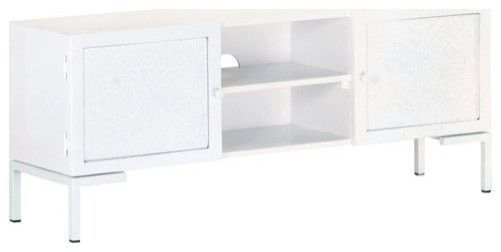
Picture this: a living room where the focus isn’t on flashy decorations or excessive storage, but on clean lines, thoughtful placement, and purposeful design. That’s exactly what minimalist entertainment units have brought to modern homes. No more bulky cabinets filled with gadgets and memorabilia. Instead, we see streamlined solutions that blend seamlessly with our spaces while serving their function perfectly. This shift wasn’t sudden – it evolved over decades, influenced by changing lifestyles, technology advances, and evolving aesthetic preferences.
Entertainment units have undergone a remarkable transformation over the past few decades. What once were elaborate, ornate pieces filled with every possible gadget and decorative element have gradually given way to simpler, more functional designs. Today’s minimalist approach to entertainment furniture reflects our modern desire for clean spaces, fewer distractions, and more intentional living. This evolution isn’t just about looks – it’s about how we actually live, work, and spend time in our homes. The journey from cluttered chaos to elegant simplicity tells us a lot about our changing relationship with technology, space, and comfort.
Historical Foundations: The Roots of Minimalist Thinking
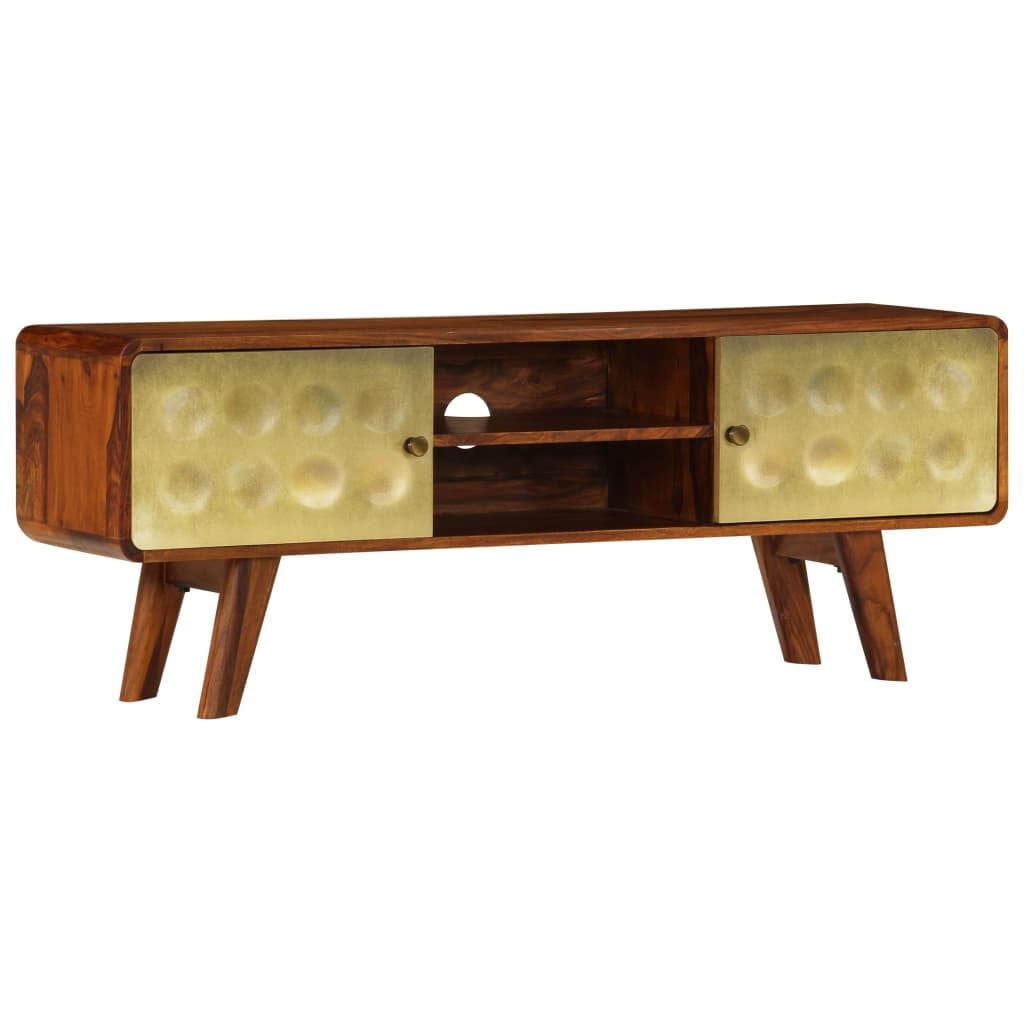
Minimalism in furniture design didn’t spring up overnight. Its roots run deep into the mid-20th century, when designers began questioning the necessity of ornamental excess. The Scandinavian design movement played a major role, emphasizing functionality and clean aesthetics. Think of the famous Danish designer Arne Jacobsen’s work – his pieces were built around the idea that less was more. Early minimalist entertainment units emerged during this period, featuring simple wooden frames and basic shelving. These early versions focused on quality materials and solid construction rather than decorative elements. They established the foundation for what would become a full-scale revolution in home furniture design.
The Digital Revolution’s Impact on Design Philosophy
When digital technology started reshaping our lives, entertainment units had to adapt. Suddenly, we needed spaces that could accommodate TVs, sound systems, gaming consoles, and streaming devices without looking like tech warehouses. This challenge pushed designers toward cleaner, more integrated solutions. The shift happened gradually – first with hidden cable management, then with flush-mounted screens, and finally with units designed specifically around the technology they’d house. The result? Entertainment units that look like they belong in the room rather than being obvious additions. It’s fascinating how the very thing that could have created more visual noise actually led to better design outcomes.
Materials Matter: Why Simplicity Often Means Better Craftsmanship
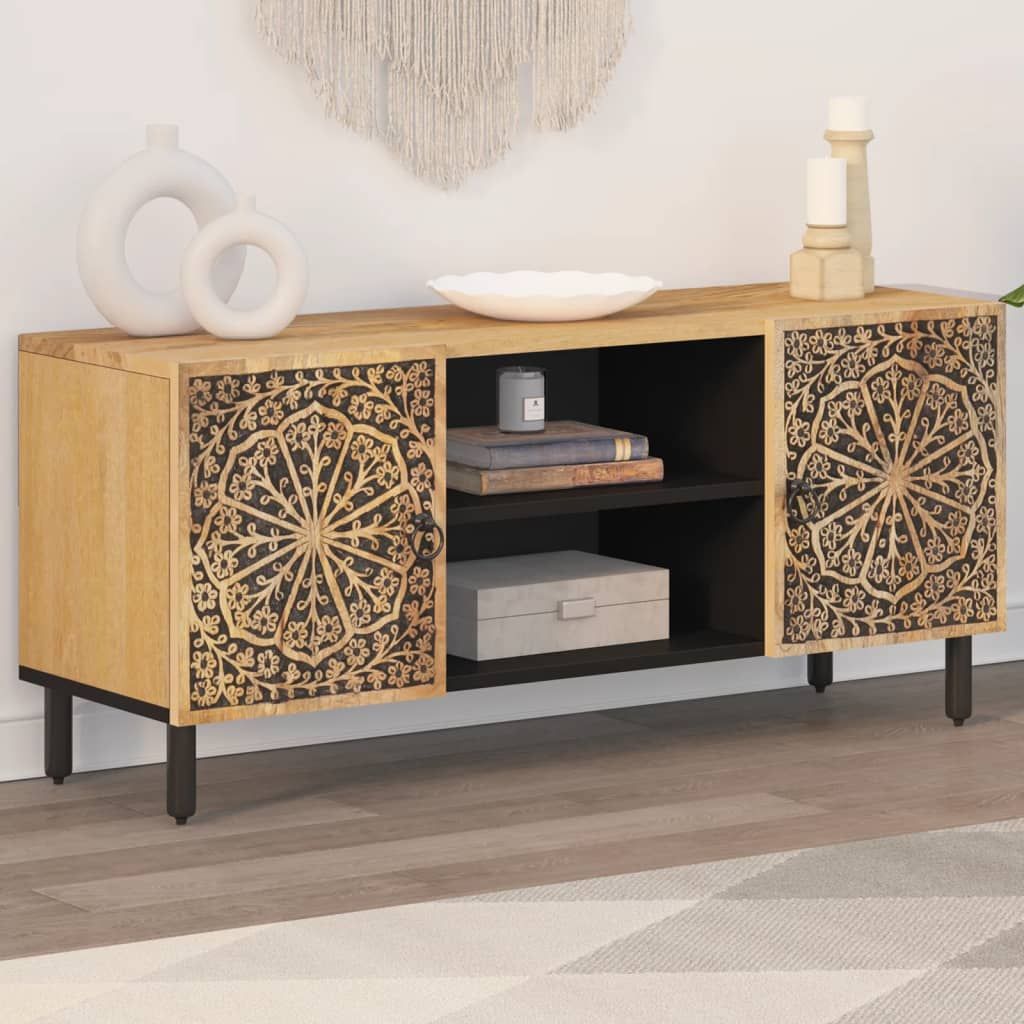
Minimalist entertainment units often feature fewer materials, which might seem limiting at first. But this constraint actually leads to better craftsmanship and higher quality. When designers focus on one or two materials – say, wood and metal – they can perfect those combinations rather than spreading themselves thin across multiple elements. Many contemporary units use sustainable woods like oak or bamboo, paired with brushed steel accents. This combination creates a sense of warmth and sophistication without overwhelming the space. The careful selection of materials also makes maintenance easier, which appeals to busy homeowners who want beautiful furniture that lasts. Plus, when everything works together in harmony, the overall impact is more powerful than if each element tried to stand out individually.
Functional Integration: Where Form Meets Practicality
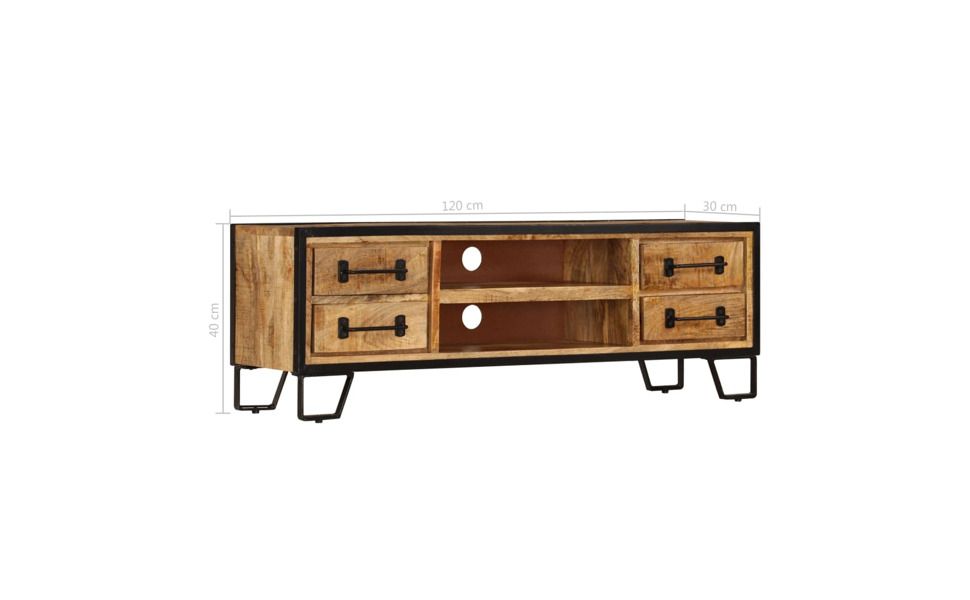
Modern minimalist entertainment units excel at solving real problems. They’re not just pretty faces – they address actual needs in our homes. Consider how many units now feature built-in cable management systems, adjustable shelves, and hidden compartments. These aren’t just nice-to-have features; they solve daily frustrations. A unit might have a sliding panel that conceals all the wires behind it, or adjustable height shelves that accommodate different-sized electronics. Some even incorporate lighting that can be dimmed to match the mood of the room. This integration of form and function shows how minimalism isn’t about deprivation – it’s about thoughtful design that serves us better.
Color Psychology and Space Perception
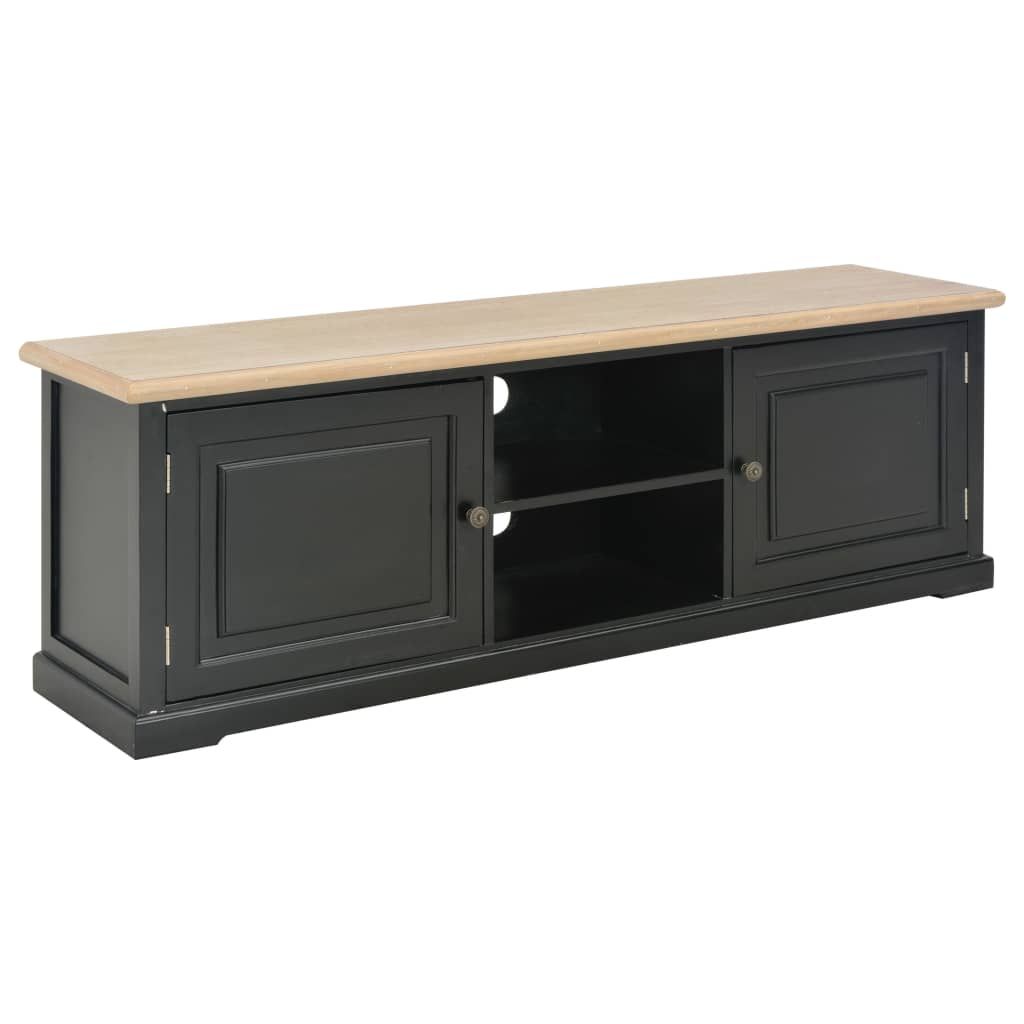
The color choices in minimalist entertainment units aren’t accidental. Light colors like white, beige, and soft grays create the illusion of more space. This effect is particularly important in smaller rooms where every square foot matters. Darker tones, when used strategically, add depth and visual interest without overwhelming the area. Many units now come in neutral finishes that complement existing décor rather than competing with it. The psychology behind this choice is simple: our brains process light colors faster, creating a feeling of openness and calm. This psychological benefit means that even if your living room is small, a well-designed minimalist unit can make it feel larger and more inviting.
Future Trends: What’s Next for Minimalist Entertainment Design
Looking ahead, several trends are shaping the future of minimalist entertainment units. Smart integration is becoming increasingly important – units that can control lighting, temperature, and even security systems through simple interfaces. Sustainability continues to drive innovation, with more manufacturers using recycled materials and eco-friendly processes. Modular designs allow homeowners to customize their units as their needs change, whether that’s adding more storage or reconfiguring the layout. The ultimate goal remains the same: creating furniture that enhances our lives without dominating them. As we continue to embrace digital convenience while seeking physical comfort, these units will evolve to meet both needs gracefully.
The evolution of minimalist design in entertainment units represents more than just a change in style – it’s a reflection of how we’ve learned to live differently. These units have taught us that simplicity isn’t about having less; it’s about having what matters most. From their humble beginnings in mid-century design to today’s smart, integrated solutions, entertainment units have become more than just furniture – they’re statements about how we want to live. Whether you’re drawn to the clean lines of modern minimalism or prefer something more traditional with minimalist touches, there’s a design philosophy that fits your lifestyle. The key takeaway is that good design doesn’t need to be loud to be effective. Sometimes, the most powerful statement is simply the absence of unnecessary elements.