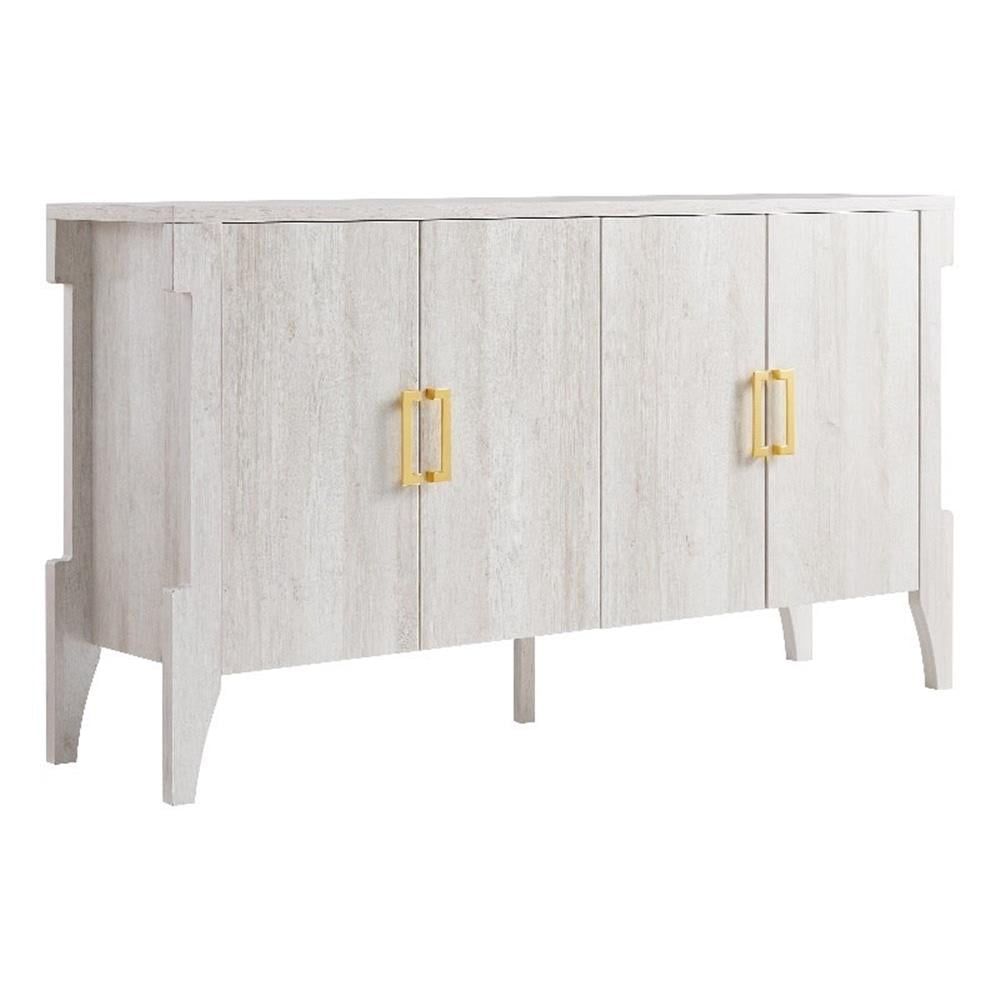
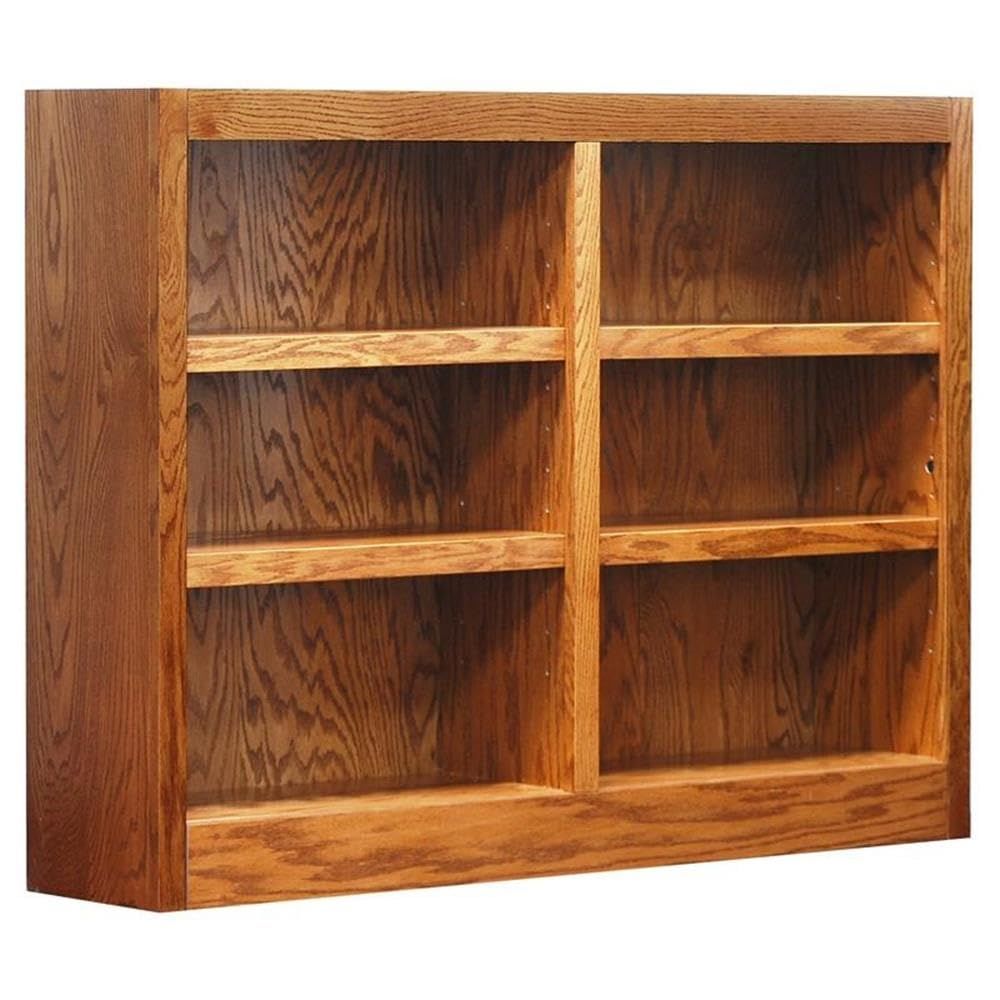
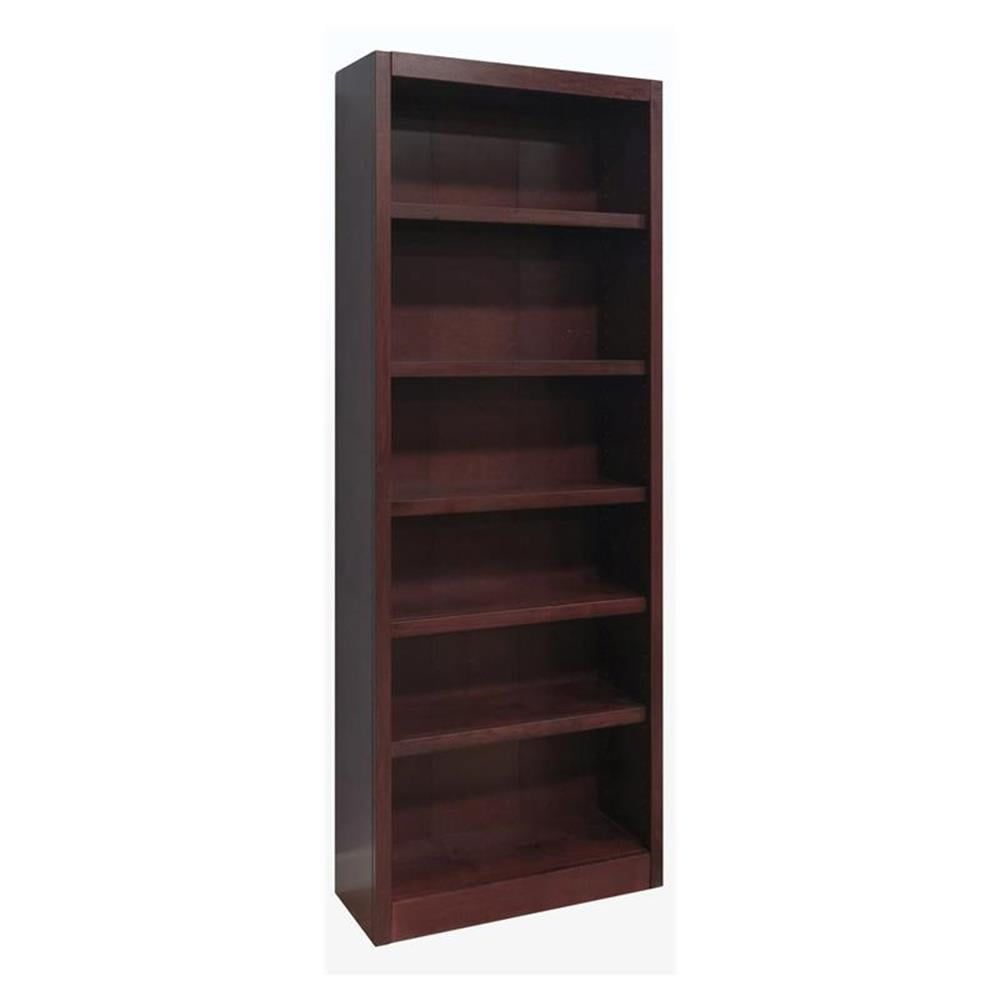
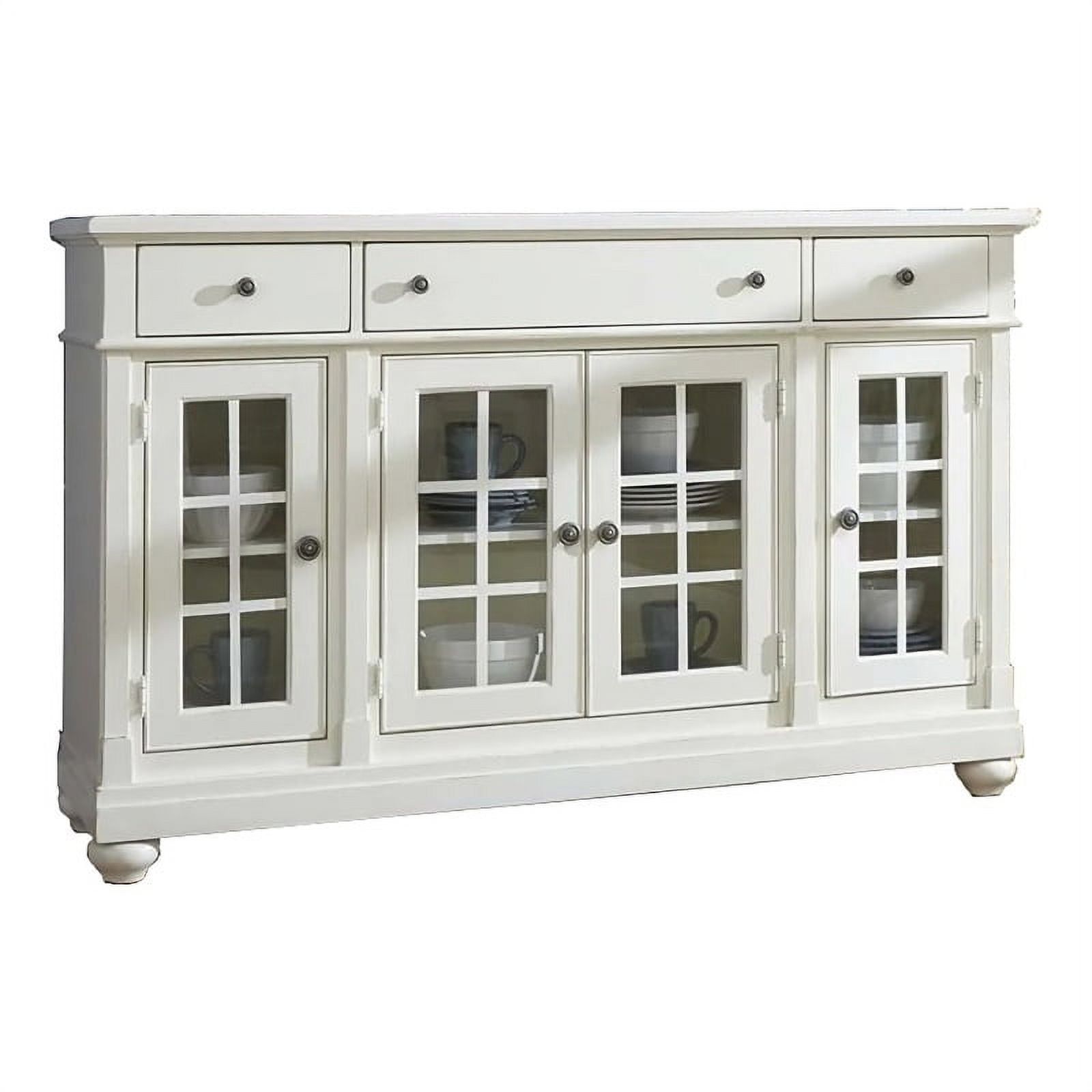
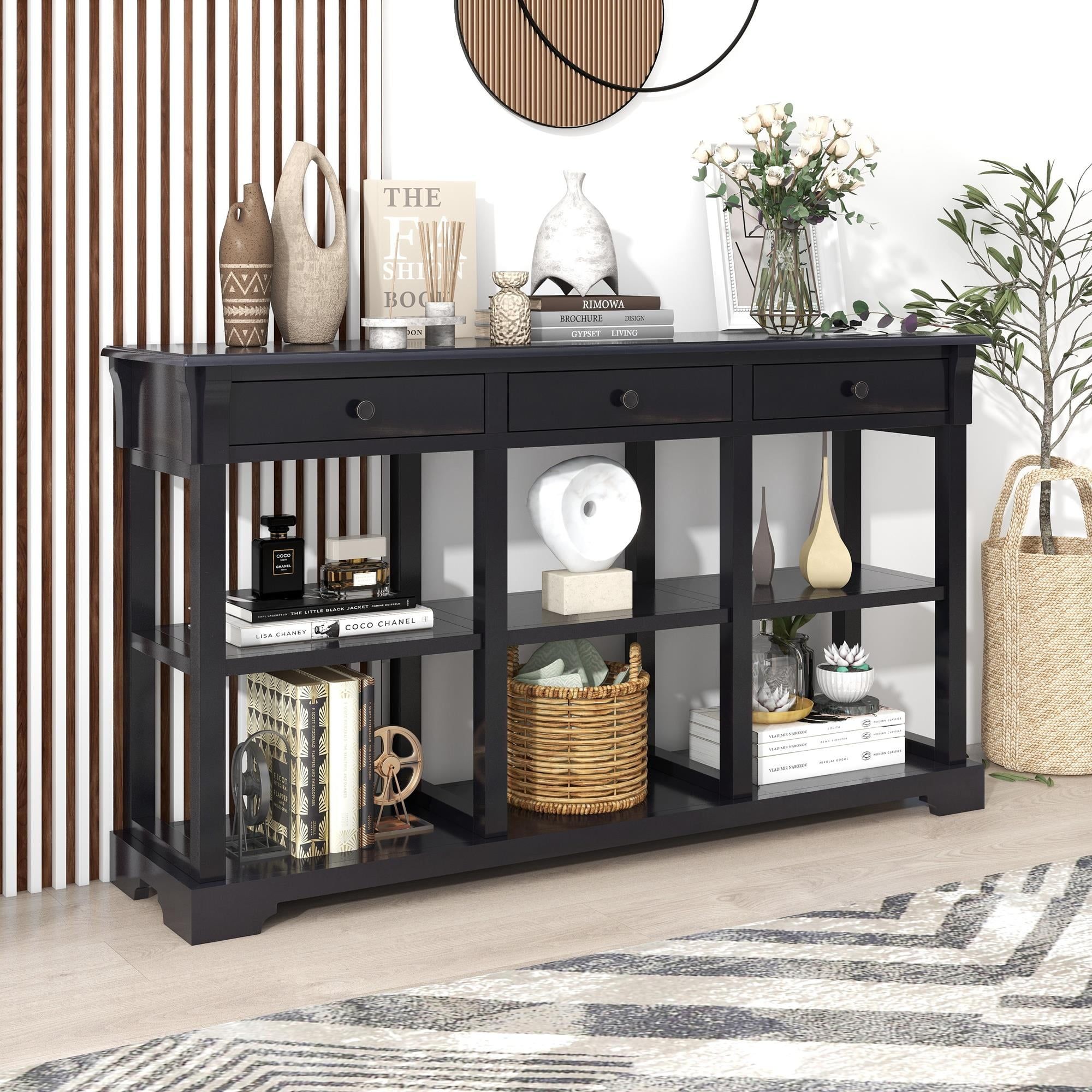
Picture this: a sleek dining table made from reclaimed oak, a minimalist bookshelf crafted from bamboo, and a coffee table with a weathered finish that whispers stories of the past. These aren’t just pieces of furniture – they’re the heartbeat of today’s homes. Wooden furniture has undergone quite the transformation over the decades, moving far beyond its traditional role as simple household items to become essential elements of contemporary interior design.
When we think about wooden furniture, our minds often drift to images of heavy, ornate pieces from centuries past. But today’s landscape tells a completely different story. The way we approach wood in our homes has shifted dramatically. We’re no longer just looking for functional pieces – we want furniture that speaks to our aesthetic sensibilities, reflects our values, and fits seamlessly into our modern lives. This evolution isn’t just about style; it’s about how we live, work, and interact with our spaces.
Historical Foundations and Traditional Craftsmanship
Wood has been our companion for millennia, but the furniture we knew in the early 1900s was very different from what we see today. Traditional woodworking techniques, passed down through generations, created pieces that were built to last. Think of the handcrafted wooden chairs with intricate carvings, or the solid oak cabinets that could survive decades of daily use.
These pieces weren’t just functional; they were heirlooms. Every joint was carefully crafted, every surface sanded to perfection. The craftsmen who made them understood that wood wasn’t just material – it was art. They worked with the grain, respecting each piece’s natural characteristics rather than fighting against them.
This approach created furniture that was both beautiful and durable. However, it also meant higher costs and longer production times. The craftsmanship required meant fewer pieces were made, and those that were became treasured possessions. The traditional approach emphasized quality over quantity, with each item designed to be a lasting investment in the home.
Industrial Revolution and Mass Production
The industrial revolution changed everything. Suddenly, wood could be processed faster and cheaper than ever before. Mechanization meant that furniture could be produced in larger quantities, making it accessible to middle-class families for the first time.
Mass production brought both benefits and drawbacks. On one side, people could afford beautiful wooden pieces that previously would have been out of reach. On the other side, the focus shifted from craftsmanship to efficiency.
This period introduced new materials and techniques. Plywood became popular because it was cheaper and more uniform than solid wood. The rise of factory-made furniture meant that pieces could be standardized, reducing costs and making them more consistent.
However, this also led to a decline in the artistry that once defined wooden furniture. Many pieces felt generic, lacking the character and soul that came from individual craftsmanship. The industrial approach prioritized speed and cost over the unique qualities that made traditional wooden furniture special.
Mid-Century Modern Movement and Design Innovation
The mid-1900s brought a revolutionary shift in how people thought about furniture. The mid-century modern movement, led by designers like Charles and Ray Eames, introduced clean lines, organic shapes, and a new relationship between wood and form.
Suddenly, wood wasn’t just about strength or beauty – it was about expressing the spirit of the times. These designers used wood in innovative ways, combining it with new materials like steel and plastic. The result was furniture that was both functional and artistic, reflecting the optimism and progress of the era.
This period also saw the emergence of new wood treatments and finishes. Varnishes and stains became more sophisticated, allowing for a wider range of colors and textures. The focus shifted toward creating pieces that were both visually striking and comfortable to use.
The influence of this movement is still visible today. Many contemporary designers continue to draw inspiration from mid-century aesthetics, proving that good design transcends time periods.
Sustainability and Eco-Conscious Design
Today, sustainability drives much of the wooden furniture industry’s evolution. People are more aware than ever of their environmental impact, and this awareness has transformed how we approach wood in our homes.
Modern designers are focusing on sustainable sourcing, using reclaimed wood, and creating pieces that will last for generations. This isn’t just about saving trees – it’s about creating furniture that respects our planet while meeting our needs.
Reclaimed wood has become incredibly popular. Pieces made from old barns, factories, and historic buildings bring character and history to modern interiors. The weathered look isn’t accidental – it’s the result of years of use and natural aging.
Eco-conscious approaches also include using non-toxic finishes and avoiding harmful chemicals. This creates safer environments for families and reflects a broader cultural shift toward responsible consumption. The furniture we choose today affects tomorrow’s world, and this understanding has fundamentally changed the industry.
Contemporary Materials and Hybrid Approaches
Modern wooden furniture is no longer limited to pure wood. Today’s designers blend wood with other materials in exciting ways. Steel frames, glass elements, and synthetic components work alongside traditional timber to create hybrid pieces that are both innovative and familiar.
This combination allows for new possibilities in design. A wooden table might feature a steel base for stability, or a wooden shelving unit might incorporate glass panels for visual lightness. The result is furniture that pushes boundaries while maintaining wood’s warmth and natural appeal.
Technology has also played a role. Computer-aided design allows for precise measurements and creative shapes that would have been impossible with traditional methods. Laser cutting and CNC machines enable intricate details that enhance wood’s natural beauty.
These advances haven’t replaced traditional craftsmanship – they’ve enhanced it. Skilled artisans now use technology to create pieces that are both precise and personal, combining the best of old and new approaches.
Personalization and Customization Trends
One of the most exciting developments in contemporary wooden furniture is the move toward personalization. Customers want pieces that reflect their unique tastes and lifestyles.
Custom wooden furniture allows homeowners to specify everything from dimensions to finish options. A client might want a dining table that perfectly fits their space, or a bedroom set that matches their color scheme exactly.
This trend has led to a renaissance in small-scale woodworking businesses. Local craftspeople can offer personalized pieces that mass-produced alternatives simply cannot match.
The customization process also includes choices in wood species. Not everyone wants oak or maple – some prefer the warmth of cherry, the durability of teak, or the exotic appeal of bamboo. This variety gives consumers more options to express their personalities through their furniture choices.
Personalization also extends to functionality. A custom bookshelf might include hidden compartments or adjustable shelves, while a custom desk could feature built-in cable management systems. These thoughtful additions make wooden furniture more practical for modern living.
The journey of wooden furniture from traditional craftsmanship to contemporary innovation shows us how deeply connected we are to the materials around us. What started as functional necessities has evolved into powerful statements about who we are and how we want to live. Today’s wooden furniture represents a balance between honoring the past and embracing the future.
We’re not just buying pieces anymore – we’re investing in experiences, memories, and values. The wooden furniture in our homes carries stories, reflects our priorities, and shapes our daily routines. As we continue to evolve, so too will our relationship with wood, ensuring it remains a vital part of our living spaces for generations to come. Whether you’re drawn to the rustic charm of reclaimed wood or the clean lines of modern design, there’s a wooden piece waiting to become part of your story.